


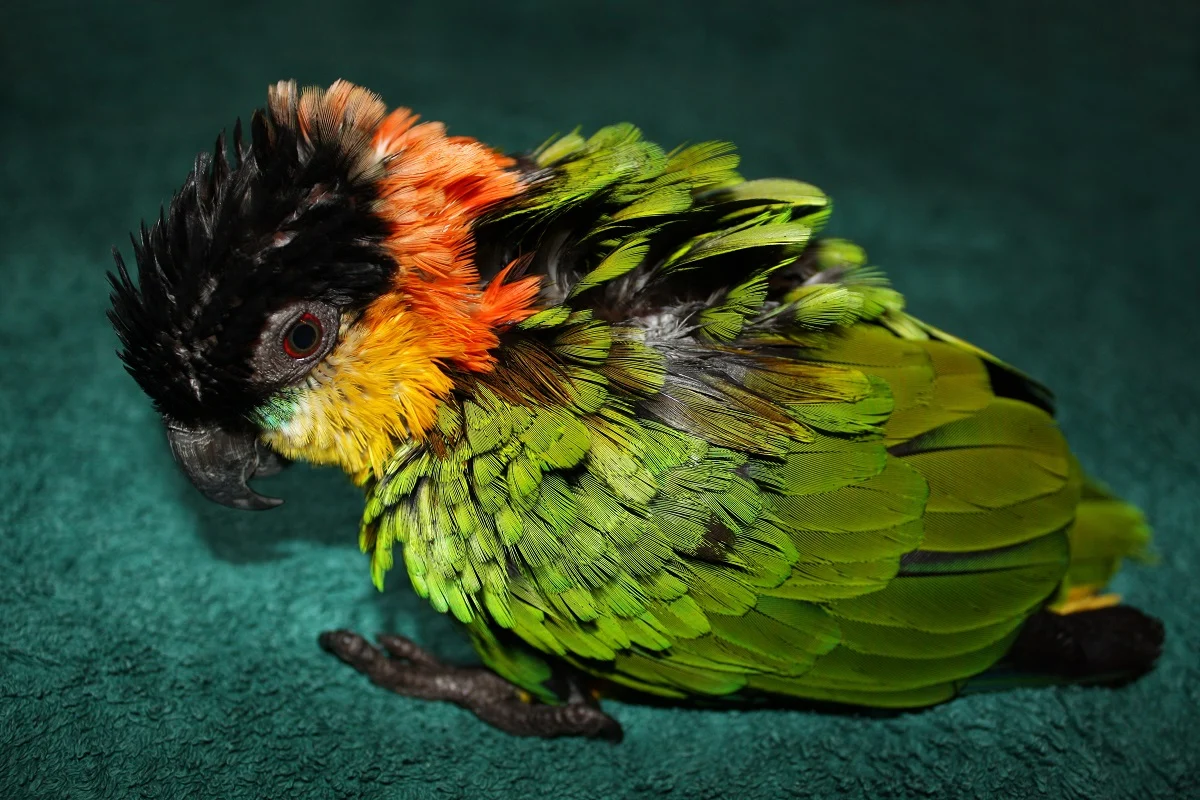
The health and safety of companion parrots are paramount concerns for their guardians, yet the prospect of a medical emergency can be daunting. Proper preparation is not merely advisable but critical, often representing the decisive factor between a bird’s life and death. Many parrot owners may not be fully equipped to handle situations such as sudden bleeding, a critical illness, or an injury, underscoring the urgent need for a robust emergency plan that includes readily available avian veterinary contacts and a well-stocked first aid kit. This article delves into the essential knowledge and actions required to effectively manage a sick or injured parrot, maximizing its chances of survival and a swift recovery.
Immediate Action in an Avian Medical Emergency
In the event of an ongoing medical emergency, immediate action takes precedence over gathering information. If a parrot exhibits clearly urgent symptoms—such as severe difficulty breathing, non-responsiveness, or profuse bleeding—the priority is to secure the bird in a carrier and contact an avian veterinarian en route to the clinic. For situations where the urgency is less clear, owners should contact their avian vet from home, providing a detailed description of the symptoms and circumstances to receive immediate guidance. Should an avian veterinarian not be immediately available, focusing on critical supportive care measures while continuously seeking veterinary assistance from other clinics is crucial.
Proactive Preparedness: The Cornerstone of Avian Well-being
Prevention forms the bedrock of responsible parrot ownership. The most critical preparatory step involves identifying and establishing a relationship with a qualified avian veterinarian before any emergency arises. Avian medicine is a specialized field, and not all general practice veterinarians possess the requisite experience with birds. Ensuring the chosen vet has specific expertise in avian care is non-negotiable. It is imperative to have the vet’s contact information prominently saved and accessible, not only in one’s phone but also in a visible location within the home.
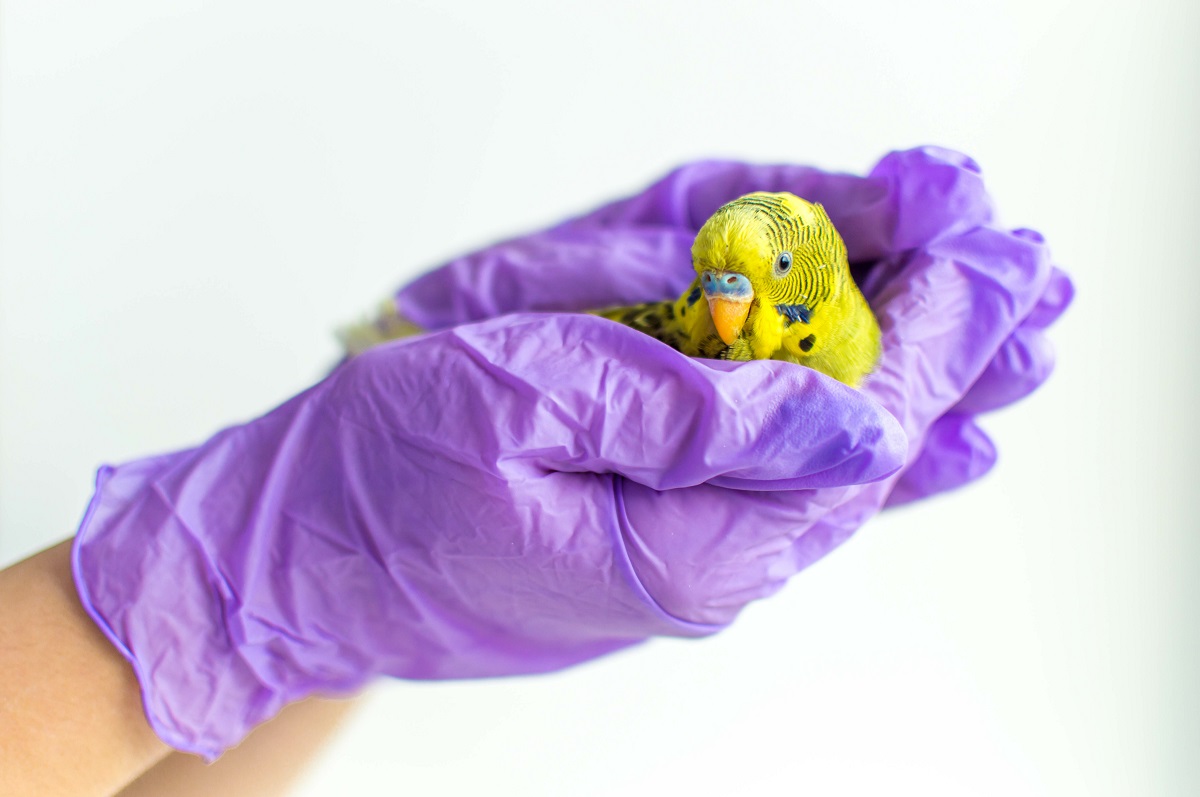
Financial preparedness is another significant aspect. Emergency treatments for parrots can incur substantial costs, often running into hundreds or even thousands of dollars depending on the complexity of the condition. Establishing an emergency vet fund or securing pet insurance specifically for avian companions can alleviate this financial burden during stressful times, allowing owners to prioritize their bird’s health without undue monetary constraint.
Beyond veterinary connections and financial planning, three primary areas demand attention for comprehensive emergency preparedness: parrot-proofing the environment, assembling a specialized first aid kit, and understanding common signs of illness. Addressing these elements proactively can significantly reduce the incidence of emergencies and, when they do occur, mitigate their severity.
The Unseen Vulnerabilities: Parrot Safety and Environmental Hazards
Parrots, renowned for their intelligence and insatiable curiosity, are also inherently delicate and prone to injury within a typical household environment. Their natural exploratory instincts, coupled with their unique physiology, make them highly susceptible to accidents. Long-time parrot owners often develop an intuitive understanding of these risks, but periodic reviews of safety protocols are always beneficial. For those new to parrot ownership, understanding these vulnerabilities is fundamental.
A parrot’s inquisitive nature often leads it to chew, climb, and investigate potentially dangerous items. This behavior, natural in their wild counterparts, can be disastrous in a human home. Common hazards include:

- Electrical Cords: Chewing on live wires can lead to severe burns, electrocution, or cardiac arrest.
- Toxic Plants: Many common houseplants (e.g., Dieffenbachia, Azalea, Lilies) are highly toxic to birds. Even a small nibble can cause severe illness or death.
- Household Chemicals: Cleaning products, air fresheners, pesticides, and even certain cooking fumes (e.g., from overheated non-stick cookware containing PTFE) are extremely hazardous.
- Open Windows and Doors: Parrots, particularly those unclipped or with newly grown flight feathers, can easily escape, leading to exposure to predators, traffic, or starvation.
- Tight Spaces: Birds can become trapped in small crevices, behind furniture, or in open toilets, leading to injury, drowning, or suffocation.
- Other Pets: Even well-meaning dogs or cats can inflict fatal injuries with a playful swat or bite due to the delicate nature of a bird’s skeletal structure and skin.
Consequently, any space a parrot is allowed access to must be meticulously "parrot-proofed." This involves ensuring all doors and windows are securely closed, preventing access by other household pets, and removing all toxic or dangerous items. Furthermore, the bird’s own cage requires regular scrutiny. Some commercially available parrot toys can pose hazards, either through unsuitable materials or becoming dangerous as they degrade. Maintaining impeccable cage hygiene is also paramount to prevent the proliferation of bacteria and fungi that can lead to respiratory or digestive illnesses.
The Essential Avian First Aid Kit
Despite the most diligent preventative measures, accidents remain a possibility. A bird’s toe might become trapped, it could collide with a window, or a blood feather might break, causing significant bleeding. These incidents underscore the importance of having a readily accessible avian first aid kit. This kit should not be a makeshift collection but a thoughtfully assembled array of items specifically chosen for avian emergencies.
A comprehensive parrot first aid kit should include, but is not limited to:
- Blood Clotting Powder (Styptic Powder): Essential for stopping bleeding from minor cuts, broken blood feathers, or trimmed nails.
- Clean Gauze Pads and Non-stick Bandages: For applying pressure to wounds and covering injuries.
- Sterile Saline Solution: For flushing wounds or irritated eyes.
- Antiseptic Wipes (e.g., Betadine or Chlorhexidine): To clean minor cuts and abrasions, ensuring they are bird-safe.
- Tweezers: For removing splinters or foreign objects.
- Small Scissors: For trimming bandages or tape.
- Heat Pack or Hot Water Bottle: To provide supplemental warmth to a compromised bird (microwavable heat pads are often safer than hot water bottles, which can burst).
- Syringes (without needles) and Droppers: For administering oral rehydration solutions or liquid medications if advised by a vet.
- Rehydration Solution Sachets (e.g., unflavored Pedialyte or avian-specific electrolyte powder): To combat dehydration.
- Flashlight: To examine the bird more closely, especially in low light conditions or to check pupils.
- Magnifying Glass: For detailed inspection of small wounds or parasites.
- Cotton Swabs: For applying topical treatments or cleaning small areas.
- Emergency Contact List: Including your avian vet, emergency vet clinics, and potentially a knowledgeable bird-sitter or friend.
- Small, Dark Carrier: Essential for safe transport to the vet. It should be lined with paper towels for easy cleaning and have the option to be darkened to reduce stress.
It is crucial that all household members are aware of the kit’s location and understand the basic application of its contents, particularly blood clotting powder. Parrots possess a relatively small blood volume; for instance, a 100-gram cockatiel has approximately 10 milliliters of blood, and losing more than 1 milliliter can be life-threatening. Time is of the essence when an injury results in bleeding. Dr. Daisy May, a resident avian veterinarian, emphasizes this critical point, highlighting the severe risk of even minor blood loss in birds.

Recognizing the Red Flags: Common Symptoms of Illness
A fundamental challenge in avian care is the parrot’s instinctual ability to mask symptoms of illness or pain. As prey animals in the wild, displaying weakness makes them vulnerable to predators. This evolutionary trait, while protective in nature, can delay detection of illness in a domestic setting. Therefore, astute observation by owners is paramount.
Owners must become intimately familiar with their bird’s "normal" state: its typical behavior, vocalizations, posture, appetite, droppings, and overall appearance. Any deviation from this baseline should trigger concern.
Veterinarians advise immediate consultation if any of the following symptoms are observed:
- Changes in Droppings: Abnormal color, consistency (e.g., watery diarrhea, tarry stools, undigested food), or volume. Note: Certain foods like beetroot or bell peppers can temporarily alter droppings, mimicking blood.
- Changes in Appetite or Thirst: Significant increase or decrease in food or water consumption.
- Lethargy or Reduced Activity: Spending more time sleeping, less engaged in play, or generally subdued.
- Fluffed Feathers (persistent): While normal for sleeping, continuous fluffing can indicate a bird is trying to conserve heat due to illness.
- Changes in Vocalization: Hoarseness, reduced talking, or unusual squawking.
- Nasal Discharge or Sneezing: Indicative of respiratory issues.
- Eye Discharge or Swelling: Can point to infection or injury.
- Lameness or Difficulty Perching: Suggests injury or neurological issues.
- Weight Loss (unexplained): A critical sign, often indicating advanced disease.
- Vomiting or Regurgitation (non-mating related): While regurgitation is a normal courtship behavior, true vomiting is a serious symptom.
Certain symptoms, however, demand immediate veterinary attention without delay, with owners calling en route to the clinic. These often signify a critical state requiring oxygen, warmth, and fluid therapy:

- Severe Respiratory Distress: Open-mouthed breathing, tail bobbing with each breath, labored breathing sounds, or gasping.
- Non-responsiveness or Collapse: Bird is unconscious or unable to stand.
- Seizures or Tremors: Involuntary muscle contractions.
- Profuse or Uncontrolled Bleeding: Any bleeding that doesn’t stop with gentle pressure.
- Severe Trauma: Visible fractures, deep wounds, or impact injuries.
- Head Tilt or Loss of Balance: Can indicate neurological problems or severe inner ear issues. A personal anecdote from the original author highlighted a budgie with a sudden head tilt requiring immediate vet intervention and anti-inflammatory medication for a full recovery.
- Acute Weakness or Inability to Perch: Indicating extreme debility.
- Exposure to Toxins: If ingestion or exposure to a known toxin is suspected.
Regular health check-ups, ideally twice yearly with an avian vet, serve as a fantastic preventative measure. These visits can detect subtle problems early, including nutritional imbalances or subclinical infections, before they escalate into emergencies.
While You Wait for the Vet: Providing Crucial Interim Care
Once an avian veterinarian has been contacted, there may be a waiting period—whether during transport or before an appointment can be scheduled. During this critical interval, providing basic emergency care can significantly impact the bird’s prognosis. Staying calm is paramount; panic can hinder effective action.
1. Stop Bleeding:
If bleeding is present, controlling it is the immediate priority. For minor bleeds (e.g., from a broken blood feather or nail), apply styptic powder directly to the source and exert gentle, continuous pressure with clean gauze for several minutes. Blood feathers, which are new, growing feathers with a blood supply, are particularly vulnerable to profuse bleeding if broken.
For deeper wounds that may penetrate body cavities (abdomen or thorax), styptic powder is ineffective. Instead, apply firm, continuous pressure with clean gauze and proceed to the vet immediately.
Birds generally have good clotting abilities for minor wounds. If bleeding persists, maintain pressure until professional help is reached. Crucially, when applying pressure, always ensure it does not impede the bird’s ability to expand its chest for breathing. Unlike mammals, birds lack a diaphragm and rely entirely on chest wall movement for respiration.
2. Isolation and Warmth:
Stress and shock are significant contributors to mortality in sick or injured birds. Avian veterinarians often adopt a "hands-off" approach with severely distressed parrots to minimize handling-induced stress, which can be fatal. Additionally, compromised birds struggle to maintain their body temperature. Providing supplemental warmth is vital, with an ideal temperature around 85°F (29°C).
To achieve this, place the bird in a small, clean carrier or box lined with soft paper towels. Introduce a covered heat pad or a wrapped hot water bottle (ensuring it’s not directly in contact with the bird and cannot burst). Covering the enclosure to darken it will help reduce visual stimulation and promote calm, minimizing stress during transport or while awaiting vet care.

3. Rehydration:
Vomiting or diarrhea can rapidly lead to dehydration in parrots. Moderate to severe dehydration necessitates immediate veterinary intervention, but mild dehydration can be addressed at home.
To assess dehydration, check the basilic wing vein refill time. Locate the basilic wing vein, a visible blue line on the inside of the bird’s "elbow" (humeral-radioulnar joint). Gently press on the vein to displace blood. In a well-hydrated bird, the vein should refill instantly upon lifting your finger. A refill time exceeding two seconds indicates moderate to severe dehydration, requiring urgent veterinary care. Even without this specific check, a visibly sick bird is likely dehydrated.
An avian first aid kit should contain rehydration sachets. Prepare the solution according to package instructions and offer it to the bird. However, severely ill birds often refuse to drink. Mildly dehydrated birds that are still alert and able to swallow can be offered the solution via a teaspoon or syringe, especially if they are syringe-trained. Any fluids offered should be gently warmed to body temperature to prevent further chilling.
It is critical to avoid force-feeding fluids directly into the bird’s mouth unless specifically trained by a qualified professional (avian vet, technician, or nurse). The risk of aspiration (fluid entering the lungs) is extremely high and can be fatal.
Beyond the Emergency: Long-term Implications and Responsible Ownership
The immediate aftermath of an emergency often transitions into a period of recovery and ongoing care under veterinary guidance. This phase may involve medication, dietary adjustments, and environmental modifications to facilitate healing. The emotional toll on parrot owners can be considerable, highlighting the deep bond shared with these intelligent creatures.
Ultimately, preventing avian emergencies is a continuous process rooted in diligent observation, proactive safety measures, and a strong partnership with an avian veterinarian. The unique physiology and behavior of parrots demand a specialized approach to care, emphasizing early detection and rapid response. Responsible parrot ownership extends beyond providing food and shelter; it encompasses a profound commitment to understanding and meeting their complex needs, especially in times of crisis. By being prepared, owners empower themselves to provide the best possible chance for their feathered companions to navigate unforeseen health challenges and continue thriving.
Sources
Avianmedicine.net: Emergency and Critical Care

