


By Diane Burroughs
Published On: Dec 21, 2025
Last updated on: Dec 21, 2025
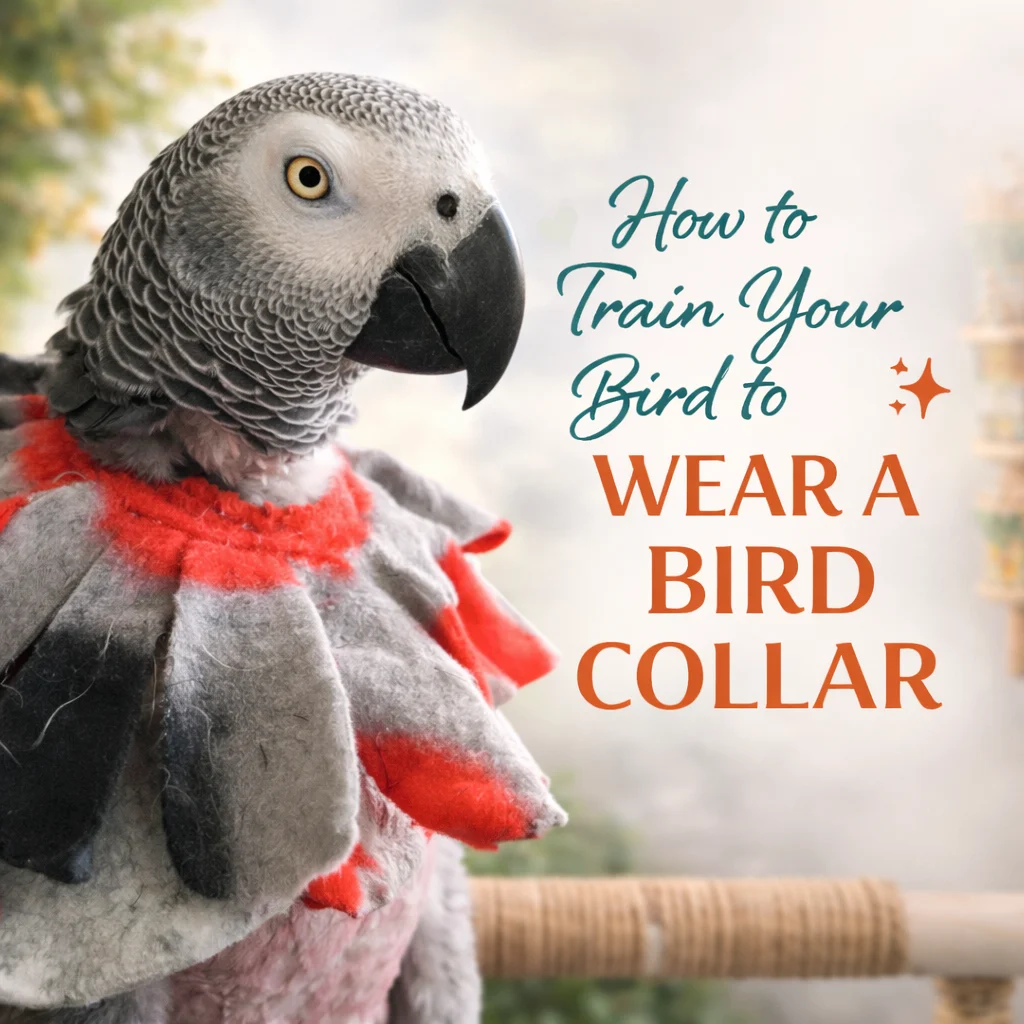
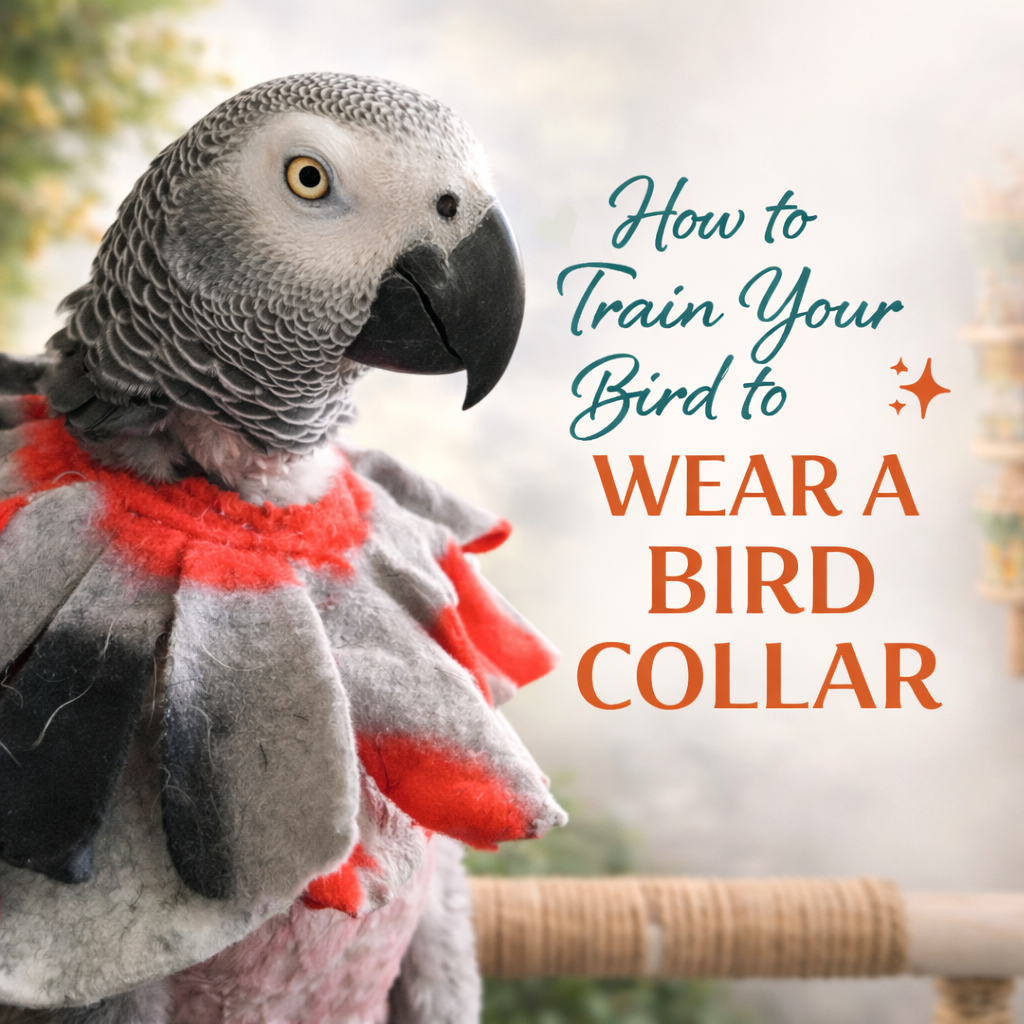
The question of whether birds can safely wear collars is frequently posed by avian caregivers facing challenging situations such as escalating feather destructive behaviors (FDBs), skin lacerations, or post-surgical recovery. While the short answer is affirmative – birds can indeed wear collars safely – this is contingent upon thoughtful introduction, meticulous supervision, and application for appropriate reasons. This article delves into the nuanced considerations surrounding avian collar use, moving beyond superficial solutions to provide a comprehensive understanding for owners contemplating this intervention. It aims to equip caregivers with the knowledge to discern when a collar is a necessary protective measure, what to anticipate in terms of avian emotional and physical responses, and how to implement one in a manner that supports the bird’s well-being rather than inducing further stress.
The Escalating Concern: When Intervention Becomes Necessary
Not every instance of feather plucking necessitates the use of a collar, nor is every feather-damaging scenario an immediate emergency. The critical factor is the rate and severity of feather or skin damage. Owners typically begin exploring collar options only after exhausting a range of initial interventions. These often include dietary modifications, environmental enrichment enhancements, adjustments to daily routines, nutritional supplements, topical sprays, and a period of observation. When these initial efforts fail to mitigate the damage, and the bird continues to self-mutilate, the prospect of more direct intervention, such as a collar, emerges as a serious consideration.
This concern is particularly salient for birds exhibiting active feather plucking, barbering feathers down to the skin, reopening existing wounds, or engaging in persistent, self-reinforcing plucking cycles. In such cases, the bird’s quality of life is significantly compromised, as a disproportionate amount of their time is consumed by self-destructive behaviors rather than engaging in natural, enriching activities.
Understanding Feather Destructive Behavior (FDB) in Captive Avian Species
Feather destructive behavior (FDB), often referred to as feather plucking, is a complex and multifactorial issue prevalent in various captive avian species, particularly parrots. It encompasses a spectrum of behaviors ranging from mild over-preening to severe self-mutilation, where feathers are pulled out, chewed, or damaged, sometimes leading to skin lesions and infections. The underlying causes of FDB are diverse and often interconnected, making diagnosis and treatment challenging.
Common Etiologies of FDB:
- Medical Conditions: Nutritional deficiencies (e.g., Vitamin A, calcium), internal parasites, viral or bacterial infections (e.g., Psittacine Beak and Feather Disease, Polyomavirus), fungal infections, heavy metal toxicity, organ disease, allergies, follicular cysts, and pain from injury or arthritis can all manifest as FDB. A thorough veterinary examination, including blood work, cultures, and imaging, is paramount to rule out medical causes.
- Environmental Factors: Inadequate cage size, lack of appropriate enrichment (toys, perches, foraging opportunities), unsuitable humidity levels, exposure to irritants (smoke, strong odors), inconsistent light cycles, and perceived threats in the environment can contribute to stress and subsequent plucking.
- Behavioral and Psychological Issues: Boredom, anxiety, fear, territoriality, sexual frustration, separation anxiety, attention-seeking behaviors, and learned habits can drive FDB. Parrots are highly intelligent and social creatures, and a lack of mental stimulation or social interaction can lead to maladaptive coping mechanisms.
- Dietary Imbalances: Diets high in seeds and lacking in fresh fruits, vegetables, and formulated pellets are common in pet birds and can lead to nutrient deficiencies that impact feather health and overall well-being.
The prevalence of FDB varies by species, with cockatoos, African grey parrots, and Amazon parrots frequently cited as being prone to these behaviors. For instance, studies indicate that FDB affects a significant percentage of captive parrots, with some estimates suggesting up to 10-15% of the pet parrot population may exhibit some form of feather plucking. This makes FDB one of the most frustrating and challenging conditions for avian veterinarians and owners to manage.
When Avian Collars Provide Critical Support
An avian collar serves primarily as a physical protective barrier, not a punitive device or a standalone solution. Its utility becomes most pronounced when physical protection is immediately required to interrupt ongoing damage while simultaneously allowing caregivers to investigate and address the underlying causes of FDB or injury.
Scenarios Where Collars Are Indicated:
- Active Feather Destruction: When a bird is consistently pulling out feathers, leading to bald patches or skin irritation, a collar can prevent further self-inflicted trauma.
- Post-Surgical Recovery: Following surgical procedures, a collar can deter a bird from picking at sutures or surgical sites, ensuring proper healing and preventing infection.
- Wound Healing: For birds with existing wounds, cuts, or abrasions, a collar prevents the bird from exacerbating the injury, allowing time for medical treatment to take effect.
- Periods of Heightened Anxiety: In situations where a bird’s stress levels are elevated, potentially leading to increased self-mutilation, a collar can provide temporary protection while behavioral interventions are implemented.
When properly introduced and managed, bird collars can significantly reduce physical injury, disrupt the rehearsal of destructive habits, and provide a crucial "breathing room" for owners. This allows time to systematically implement changes related to diet, environmental enrichment, medical care, and behavioral support without the constant worry of worsening physical harm.
When Collar Intervention May Be Unnecessary
It is equally important to recognize situations where introducing a collar might be unwarranted or even counterproductive. Not every bird exhibiting some degree of feather manipulation requires this intervention.
Indicators That a Collar May Not Be Needed:
- Mild or Seasonal Plucking: If feather plucking is mild, occasional, or seasonal (e.g., during molting), and the bird’s skin remains undamaged, a collar may introduce unnecessary stress.
- Positive Response to Current Interventions: If initial efforts such as increased enrichment, dietary adjustments, or routine changes are already leading to a noticeable improvement in feather condition and a reduction in plucking, continuing and refining these strategies is often more beneficial than adding a new tool.
- No Skin Damage: The absence of skin irritation, wounds, or open sores is a strong indicator that the situation, while requiring monitoring, may not yet warrant the physical restriction of a collar.
The principle of "more isn’t always better" holds true in avian care. Introducing additional tools or interventions without a clear and justified need can inadvertently increase stress levels for a bird. Sometimes, the most effective approach is to refine and reinforce what is already proving effective, rather than layering on new elements that could complicate the bird’s adaptation and recovery process.
Common Pitfalls in Addressing Feather Destructive Behaviors
Caregivers, driven by concern for their avian companions, often make understandable, well-intentioned mistakes when confronting FDBs. These are not indicative of failure but highlight the complexity of the issue.
- Attempting an Immediate Overhaul: Rapid and extensive changes to a bird’s environment, diet, or routine can be profoundly overwhelming for a creature that thrives on predictability. Collars, when necessary, function most effectively when integrated with slow, deliberate, and predictable adjustments to the bird’s overall care plan, rather than as part of a sudden, wholesale transformation.
- Uncritical Application of Online Advice: While online forums and communities can offer valuable support and shared experiences, bird-specific advice must always be contextualized. What proved effective for one bird, given its unique species, personality, history, and underlying causes of FDB, may be entirely unnecessary or even detrimental to another. A critical "time check" – understanding the chronological development of the problem and previous interventions – often provides more valuable insight than simply replicating another owner’s solution.
- Focusing Solely on the Symptom: A common error is to view the collar as a "fix" for plucking, rather than a management tool that buys time. The collar addresses the symptom (self-mutilation) but does not resolve the root cause of the FDB. Neglecting the underlying medical, environmental, or behavioral issues will lead to a recurrence of the problem once the collar is removed, or potentially the development of new stress-related behaviors.
- Lack of Veterinary Consultation: Delaying or omitting a thorough veterinary examination to rule out medical causes for FDB is a significant mistake. Without a proper diagnosis, interventions may be misdirected and ineffective, prolonging the bird’s suffering.
Types of Avian Collars and Design Considerations
Avian collars come in various designs, each offering different levels of restriction and comfort. The choice of collar often depends on the bird’s size, the location of the plucking, and the severity of the behavior.
- Elizabethan Collars (E-collars): These are rigid, cone-shaped collars, often made of clear plastic, similar to those used for dogs and cats. They provide comprehensive coverage, preventing access to most of the body. While highly effective in preventing self-mutilation, they can be more restrictive, potentially impacting mobility, eating, and drinking, especially initially.
- Fabric Collars: Softer, more flexible collars made from materials like fleece or cotton. These are generally more comfortable than E-collars and allow for greater mobility. They are suitable for birds that pluck less aggressively or need protection for specific areas, but may not be effective if the bird can still maneuver around them to pluck. Some fabric collars are designed as "frills" or "tubes."
- Custom-Designed Collars: For birds with unique needs or specific plucking patterns, custom-made collars, often designed in consultation with an avian veterinarian or specialist, can offer tailored protection. These might incorporate different materials or shapes to optimize effectiveness and comfort.
Regardless of the type, a properly fitted collar is crucial. It should be snug enough to prevent the bird from slipping out or maneuvering around it, but loose enough to allow comfortable breathing, eating, and drinking. The material should be non-toxic, lightweight, and durable.
A Phased Approach to Safe Collar Introduction and Training
The process of introducing an avian collar is a behavioral modification exercise that demands significant patience, positive reinforcement, and a gradual approach. The objective is not to force immediate acceptance but to help the bird remain calm and regulated while learning to adapt to a new physical sensation. This process can span several days to weeks, depending on the individual bird’s temperament and history.
Phase 1: Desensitization and Positive Association (1-3 Days)
- Observation from a Safe Distance: Begin by placing the collar where the bird can see it but is not forced to interact. Place it outside the cage, visible but non-threatening.
- Pairing with Positive Reinforcement: Offer favorite treats or engage in positive interactions (e.g., gentle talking, singing) while the collar is visible. This helps to create a positive association, teaching the bird that the collar is not a threat but rather a predictor of good things.
- Purpose: To normalize the collar’s presence in the environment and reduce initial fear or apprehension.
Phase 2: Integrating into Routine (1-2 Days)
- Casual Presence: Lay the collar on your shoulder or nearby during regular, non-stressful care routines, such as feeding, cage cleaning, or playtime.
- No Forced Interaction: Do not attempt to put the collar on the bird at this stage. The goal is simply to increase familiarity and integrate the collar into the bird’s perception of normal daily life without forcing direct interaction.
- Purpose: To further build familiarity and desensitize the bird to the collar’s proximity.
Phase 3: Encouraging Voluntary Exploration
- Bird-Led Investigation: Place the collar within reach but allow the bird to approach and investigate it on its own terms. Birds are naturally curious, and voluntary interaction is always preferable to coercion.
- Reward Curiosity: If the bird shows any interest – even a glance or a tentative touch with its beak – immediately offer a high-value treat and praise.
- Purpose: To empower the bird with a sense of control and reinforce positive interactions with the collar object.
Phase 4: Building Tolerance to Handling
- Targeted Touch Training: While engaged in positive reinforcement training sessions (e.g., target training), gently and briefly touch the bird’s wings, shoulders, and torso. This prepares them for the physical sensation of the collar being placed.
- Short, Successful Sessions: Keep these sessions brief and always end on a positive note, before the bird shows signs of stress. Small, consistent progress is more valuable than rushed, negative experiences.
- Purpose: To desensitize the bird to gentle physical contact in the areas where the collar will rest, reducing the novelty and potential shock of the first fitting.
Phase 5: Preparing the Environment for First Fitting
- Safety Audit: Before the first fitting, remove any potentially hazardous items from the cage, such as high perches, fragile toys, or objects that could snag the collar. Lower perches to reduce the risk of falls as the bird adjusts to altered balance. Ensure food and water bowls are easily accessible.
- Reduce Stressors: Ensure the environment is calm and quiet. Minimize loud noises, sudden movements, or other potential stressors that could heighten the bird’s anxiety during this critical period.
- Purpose: To create a safe and supportive environment, anticipating the bird’s initial awkwardness and potential disorientation.
Phase 6: The First Fitting (Supervised Short Duration)

- Calm and Confident Handling: When both you and your bird are calm and ready, gently and quickly place the collar on the bird.
- Immediate Positive Reinforcement: Once the collar is on, immediately offer a favorite treat and reassuring words.
- Initial Wear Time: Keep the first fitting short, typically 1-3 hours, during which you can closely supervise the bird. Observe for signs of extreme distress, inability to eat/drink, or self-harm.
- Normal Reactions: Expect some initial awkwardness, attempts to remove the collar, head shaking, and investigation. These are normal adaptive behaviors.
- Purpose: To introduce the collar for a limited period, allowing the bird to begin adjusting under close monitoring.
Phase 7: Gradual Increase in Wear Time
- Incremental Progress: Gradually increase the wear time in 30-60 minute increments each day, provided the bird is coping well.
- Supervision: Continue close supervision during these incremental increases. This helps the bird build the physical strength and coordination needed to comfortably carry the collar and navigate its environment.
- Purpose: To allow the bird to slowly acclimate to wearing the collar for longer durations, fostering physical and psychological adaptation.
Phase 8: Restoring Cage Normalcy
- Slow Reintroduction: As the bird’s tolerance and confidence improve, slowly return perches, bowls, and toys to their usual positions.
- Assistance if Needed: Some birds, especially those that are more nervous or have compromised mobility, may initially require assistance with perching, climbing, eating, or drinking. Patience and gentle guidance are key.
- Purpose: To reintegrate the bird into its full environment while wearing the collar, minimizing long-term disruption to its routine.
Broader Implications and Holistic Management
The decision to use an avian collar carries significant implications for both the bird’s immediate welfare and its long-term behavioral health. While collars serve as invaluable tools for injury prevention and habit interruption, their application must always be part of a broader, holistic management strategy.
Ethical and Welfare Considerations:
The primary ethical consideration is balancing the temporary discomfort and restriction imposed by a collar against the potentially severe and life-threatening consequences of unchecked self-mutilation. When used appropriately, a collar is a compassionate intervention aimed at preventing greater harm. However, it requires a commitment from the owner to address the underlying causes, ensuring the collar is a bridge to recovery, not a permanent fixture or a substitute for comprehensive care.
The Role of Avian Veterinarians and Behaviorists:
A collaborative approach involving an avian veterinarian and a certified avian behaviorist is crucial. The veterinarian identifies and treats medical causes, ensures proper collar fitting, and monitors the bird’s physical health. The behaviorist helps to identify behavioral triggers, design environmental enrichment plans, and implement training strategies to reduce stress and redirect unwanted behaviors.
Long-Term Outlook:
Successful management of FDBs often involves a multi-pronged approach that extends far beyond the collar itself. This includes:
- Optimized Nutrition: Transitioning to a high-quality, balanced pelleted diet supplemented with fresh produce.
- Enrichment: Providing a constantly rotating array of stimulating toys, foraging opportunities, and opportunities for natural behaviors like shredding and chewing.
- Environmental Control: Maintaining appropriate humidity, consistent light cycles, and a clean, safe living space.
- Social Interaction: Ensuring adequate, positive social interaction with caregivers or compatible avian companions.
- Stress Reduction: Identifying and mitigating sources of stress in the bird’s environment.
- Behavioral Modification: Utilizing positive reinforcement to encourage desirable behaviors and discourage plucking.
In conclusion, avian collars represent a supportive bridge for birds grappling with feather destructive behaviors or needing protection during recovery. They are not a panacea but a vital component of a larger, carefully considered care plan. The journey from initial concern to a bird comfortably wearing a collar, and ultimately addressing the root causes of its distress, requires dedication, education, and unwavering patience from the caregiver. When approached thoughtfully and with professional guidance, collars can indeed protect feathers and skin, affording both bird and owner the necessary time and space to embark on the path to healing and improved well-being.
Quick Recap:
- Avian collars are safe when introduced thoughtfully and used for appropriate reasons like preventing self-mutilation or aiding recovery.
- They are a temporary protective measure, not a cure for underlying issues.
- Feather destructive behaviors (FDBs) are complex and require veterinary diagnosis to rule out medical causes.
- Proper introduction involves gradual desensitization, positive reinforcement, and close supervision.
- Holistic management, including diet, environment, and behavioral modification, is crucial alongside collar use.
- Consultation with an avian veterinarian and behaviorist is essential for effective and humane application.
TAGS: #BirdCollars #FeatherPlucking #BirdBehavior #AvianCare #VeterinaryMedicine #PetBirds
SHARING IS CARING 🐦
If this helped, pass it along to another bird owner.
Related Posts:
- How to Choose a Bird Collar
- Neck Collar Size Guide
- Parrot Weight Chart

