


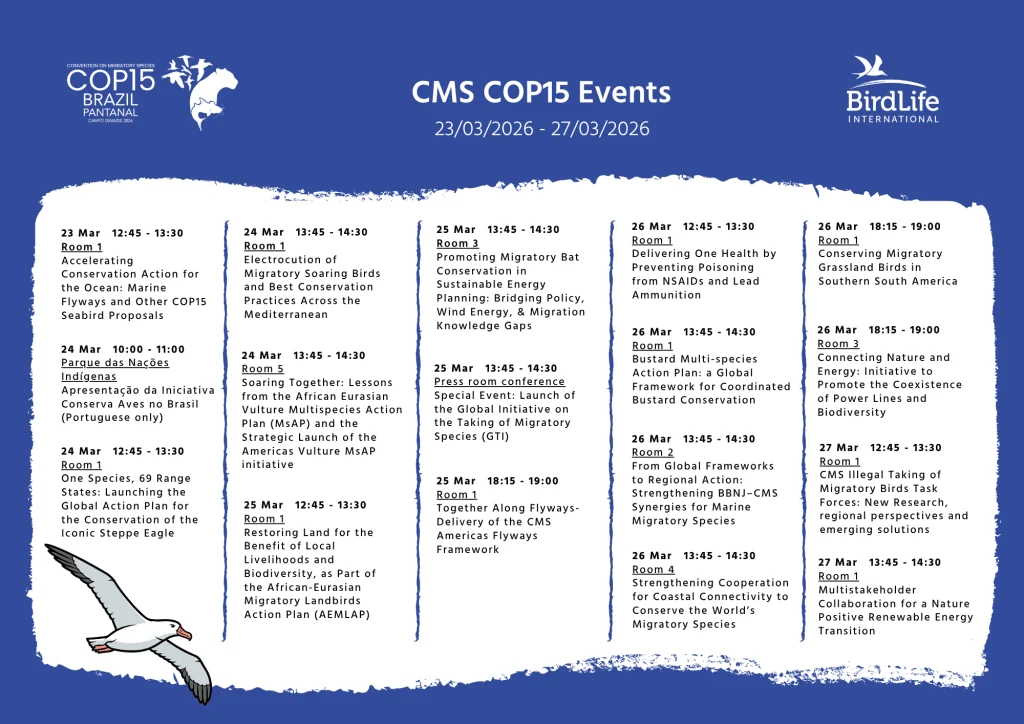
In March 2026, governments from around the world will convene in Campo Grande, Brazil, for the 15th Conference of the Parties (COP15) to the Convention on Migratory Species (CMS). Scheduled from March 23rd to 29th, this pivotal global summit, preceded by a series of crucial pre-COP meetings and associated events, arrives at a particularly urgent juncture for the planet’s natural heritage. Migratory species, renowned for their remarkable journeys across vast geographical divides, serve as potent symbols of interconnected ecosystems and underscore the imperative for coordinated international conservation efforts. However, a recent interim report paints a stark picture: nearly half of the world’s migratory species populations currently protected under the CMS are experiencing a decline, a trend that demands immediate and decisive action.
The Urgency of the Moment: A Biodiversity Crossroads
The upcoming CMS COP15 is more than just a regular international meeting; it represents a critical opportunity to translate the ambitious goals of the Kunming-Montreal Global Biodiversity Framework (KMGBF) into tangible conservation outcomes. With only five years remaining to achieve the framework’s objectives, the CMS, as the sole global treaty dedicated to migratory species, plays an indispensable role. It empowers nations to translate high-level biodiversity commitments into targeted, effective measures for the protection of species, their vital habitats, and the ecological corridors that sustain them. Organizations actively engaged in conservation efforts will be at the forefront of these discussions, collaborating with governments and a wide array of partners to ensure that the decisions made at COP15 translate into meaningful, on-the-ground conservation action.
Addressing Critical Threats to Migratory Birds
A central focus of the CMS COP15 agenda will be the adoption of a new resolution specifically addressing the conservation of seabirds and marine flyways. Seabirds, a group facing some of the most severe threats globally, are grappling with a confluence of pressures including bycatch in fisheries, pervasive pollution, the accelerating impacts of climate change, and the degradation of their essential marine habitats. This proposed framework aims to bolster international cooperation and coordinated conservation strategies across the world’s extensive marine flyways, thereby filling a significant void in current CMS initiatives and offering much-needed support for species that spend a substantial portion of their lives navigating the high seas.
Furthermore, governments will deliberate on proposals to enhance legal protections for several of the planet’s most imperiled seabird species. Among these are multiple species of gadfly petrels and the Flesh-footed Shearwater. The potential listing of these species on CMS Appendices would establish a robust foundation for intensified international collaboration and the implementation of dedicated conservation programs.
Flyway conservation will also feature prominently in the discussions. Pre-COP meetings are designed to inform and shape the future direction of the CMS Americas Flyways Framework, a critical initiative aimed at fostering stronger inter-country coordination and laying the groundwork for more effective long-term governance and implementation of conservation strategies across the Americas.
Raptors, another avian group facing significant pressures, will also be a key area of focus. Efforts will be directed towards strengthening their conservation through various measures. This includes advancing progress on a multi-species action plan for vultures in the Americas, securing the adoption of a new action plan for the Steppe Eagle, and advocating for the listing of the Snowy Owl on the CMS Appendices. Additionally, there will be a push to expand the concept of Globally Important Raptor Areas, aiming to establish a worldwide network of protected sites for these magnificent birds of prey.
These multifaceted priorities collectively underscore a broader objective: to equip governments and other stakeholders with clear, actionable tools to effectively conserve migratory species and to contribute meaningfully to the realization of global biodiversity targets.

A Global Partnership Mobilizes for Action
The significant presence at COP15 reflects the robust strength of a global partnership dedicated to conservation. With approximately 40 delegates representing various national organizations from across the globe, including many working directly with government delegations, active participation in the negotiations is assured. These delegates will contribute to discussions across a diverse range of thematic areas and cross-cutting issues, while also engaging in a broad spectrum of official side events and meetings with governmental bodies, UN agencies, and other key stakeholders.
Beyond individual organizational efforts, a concerted push is underway to foster a unified and influential voice for civil society. This collaborative approach includes supporting the development of a joint opening statement from non-governmental organizations and active participation in crucial pre-COP workshops and task force meetings specifically focused on enhancing flyway conservation initiatives.
Bridging Global Commitments and Local Impact
While international agreements are indispensable, their ultimate success hinges on effective implementation at the local level. Across the BirdLife Partnership, a significant amount of work is already in progress to translate global commitments into concrete conservation actions.
A compelling example of this translates into practice can be observed in Uruguay, where the BirdLife Partner, Aves Uruguay, is collaborating closely with governmental bodies and local communities to safeguard critical grassland habitats essential for migratory birds. Through the Grassland Alliance Initiative, the organization actively promotes sustainable land use practices among ranchers, harmonizing conservation incentives with livelihood support. Importantly, this initiative also champions the inclusion of women and youth, thereby bolstering social resilience and ensuring the intergenerational continuity of conservation practices. This exemplary work demonstrates how global frameworks, such as the CMS, can yield tangible benefits for both biodiversity and human communities.
A Decisive Moment for Global Conservation
As nations converge in Brazil for COP15, the stakes for global conservation could not be higher. The alarming decline of migratory species, coupled with mounting pressure on vital ecosystems and the approaching 2030 deadline for global biodiversity targets, underscores the critical nature of this summit.
CMS COP15 represents a pivotal opportunity to fundamentally alter the trajectory of conservation efforts. The true measure of success will not be solely determined by the pronouncements made within meeting rooms, but by the demonstrable recovery of species in their natural habitats. Migratory birds, with their extensive journeys and reliance on a network of interconnected habitats, serve as powerful indicators of planetary health and our collective ability to foster cross-border cooperation for the benefit of nature.
The Convention on Migratory Species (CMS), also known as the Bonn Convention, is an international treaty that provides a global framework for the conservation of migratory animals. Adopted in 1979 and entering into force in 1983, the CMS aims to conserve terrestrial, marine, and avian migratory species throughout their range. Parties to the convention work together to protect migratory species that cross national borders, ensuring that their habitats are preserved and that threats to their survival are mitigated. The Conference of the Parties (COP) is the governing body of the convention, meeting periodically to review the implementation of the convention, adopt new resolutions, and set priorities for future action. COP15 is particularly significant as it occurs in the context of the Kunming-Montreal Global Biodiversity Framework, adopted in December 2022, which sets ambitious targets for halting and reversing biodiversity loss by 2030. The CMS COP is thus a key platform for translating the KMGBF’s overarching goals into concrete actions for migratory species.
The report highlighting the decline in migratory species populations is a stark reminder of the ongoing biodiversity crisis. This interim report, likely drawing on data from a range of monitoring programs and scientific studies, provides critical evidence for policymakers. The fact that almost half of the CMS-listed migratory species are in decline signals a systemic issue, suggesting that existing conservation measures may not be sufficient or effectively implemented across all regions. This underscores the importance of the CMS COP in identifying gaps and strengthening international cooperation.

The focus on seabirds and marine flyways is particularly relevant given the vulnerability of these species. Seabirds often undertake long-distance migrations over vast oceanic areas, making them susceptible to threats that extend across multiple national jurisdictions. Issues such as overfishing, plastic pollution, and offshore industrial activities pose significant risks. The development of a new resolution on marine flyways could lead to the establishment of international protected areas, coordinated efforts to reduce bycatch, and strategies to combat marine pollution.
The mention of specific species like gadfly petrels and the Flesh-footed Shearwater indicates that the conference will likely consider new listings under the CMS Appendices. Appendix I species are endangered and require strict protection, while Appendix II species benefit from international cooperation for their conservation. Such listings can trigger specific conservation obligations for signatory countries and facilitate international collaboration on research and management.
The emphasis on flyway conservation, particularly in the Americas, reflects a growing understanding of the importance of migratory corridors. These are critical pathways that connect breeding grounds, stopover sites, and non-breeding areas, and their protection is essential for the survival of migratory species. Strengthening the Americas Flyways Framework could lead to harmonized conservation policies, improved habitat management along migratory routes, and enhanced monitoring efforts.
The inclusion of raptors on the agenda, with specific focus on vultures, eagles, and owls, highlights the diverse challenges faced by different migratory groups. Action plans for species like vultures are crucial for addressing threats such as poisoning and habitat loss, which can have cascading effects on ecosystems. The concept of Internationally Important Raptor Areas aims to identify and protect key sites that are vital for raptor migration and survival.
The participation of a large delegation from the BirdLife Partnership, comprising representatives from national organizations, underscores the collaborative nature of conservation efforts. These delegates will leverage their on-the-ground expertise and advocacy skills to influence the outcomes of the COP. Their engagement in side events and meetings with governments and UN bodies will help to amplify the voices of civil society and ensure that conservation needs are prioritized.
The example of Aves Uruguay and the Grassland Alliance Initiative provides a tangible illustration of how global conservation goals can be translated into local action. This initiative demonstrates a holistic approach that integrates ecological conservation with socio-economic development, recognizing the importance of community involvement and sustainable land management practices. The inclusion of women and youth further strengthens the initiative by promoting inclusive conservation and ensuring long-term sustainability.
The concluding remarks of the article emphasize that the success of COP15 will ultimately be judged by its impact on the ground. The recovery of migratory species in the wild serves as the ultimate benchmark for effective conservation. Migratory birds, as indicators of ecosystem health and global connectivity, can indeed signal our capacity to address complex environmental challenges through international cooperation. The urgency and significance of CMS COP15 cannot be overstated, as it represents a critical juncture in the global effort to protect our planet’s shared natural heritage.

