


The People for the Ethical Treatment of Animals (PETA) has officially released the winners of its ninth annual Oscat Awards, a specialized honors program designed to recognize the most animal-friendly films, performances, and technological achievements of the 2025 cinematic year. Timed to coincide with the buildup to the 98th Academy Awards, the Oscats serve as a critical industry barometer for ethical production standards, highlighting the increasing shift toward computer-generated imagery (CGI), virtual effects (VFX), and compassionate storytelling that avoids the exploitation of live animals. The 2025 list of honorees features a diverse array of blockbusters, independent features, and animated works that PETA asserts have set a new "gold standard" for the future of entertainment.
The awards come at a time of significant transition within Hollywood, as traditional methods of using live animals on set are increasingly scrutinized by both advocacy groups and the general public. According to PETA’s 2026 report, the integration of high-fidelity digital doubles and practical puppets has largely replaced the need for captive wildlife in major studio productions, a trend the organization has championed for nearly a decade.
Technological Innovation and the Replacement of Live Wildlife
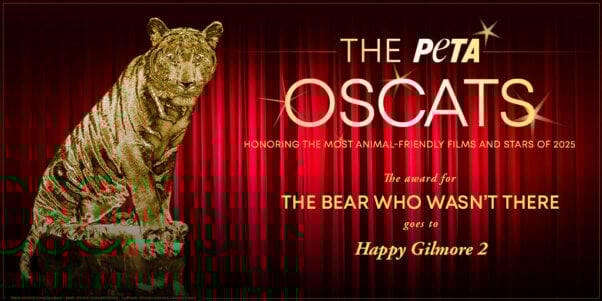
A primary focus of the 9th annual Oscat Awards is the celebration of filmmakers who utilize advanced technology to replace species historically subjected to the rigors of film sets. The "The Bear Who Wasn’t There" award was granted to the production of Happy Gilmore 2. In a prominent dream sequence, the film utilized a combination of a practical bear suit and digital enhancement to depict a grizzly bear. PETA noted that bears used in traditional filming are often separated from their mothers at birth and kept in restrictive confinement, making the decision by Adam Sandler’s production team a significant win for animal welfare. The film also received praise for including a tribute to the late Bob Barker, a long-time animal rights advocate known for his "spay and neuter" messaging.
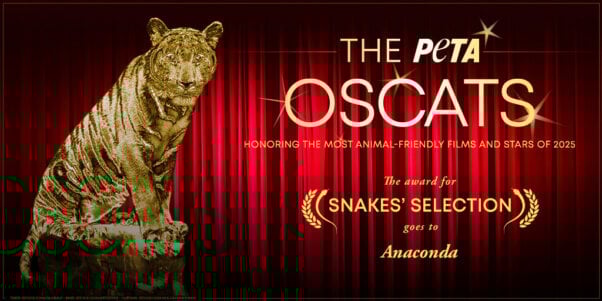
Similarly, the reimagining of the 1990s cult classic Anaconda was recognized with the "Snakes’ Selection" award. The production relied entirely on CGI and mechanical props to represent the titular reptiles. Scientific data cited by PETA suggests that snakes are hyper-sensitive to the vibrations, loud noises, and intense lighting typical of a film set, which can lead to extreme physiological stress. By opting for digital serpents, the filmmakers demonstrated that high-tension action sequences can be achieved without compromising the welfare of sensitive cold-blooded animals.
The horror-slasher Primate received the "Tech, Not Terror" award for its use of VFX to create a "killer" chimpanzee. The film’s narrative serves as a cautionary tale regarding the exotic pet trade, a message PETA reinforced by citing the historical case of Travis the chimpanzee. The organization highlighted that while live great apes were once staples of the film industry, they have been virtually eliminated from Hollywood productions due to the psychological trauma associated with their training and the inherent dangers of keeping them in domestic environments.
Narrative Advocacy and Character Development
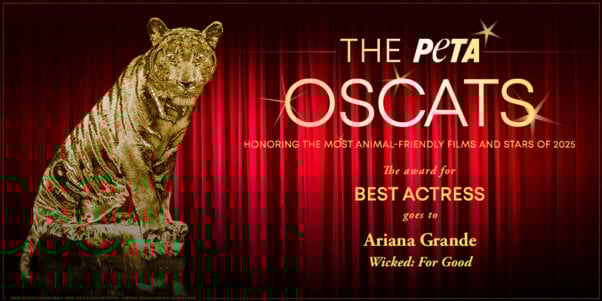
The Oscats also recognize films that incorporate animal rights themes directly into their screenplays. Wicked: For Good emerged as a double winner, securing both "Best Actress" for Ariana Grande and "Best Adapted Screenplay" for Dana Fox and Winnie Holzman. The film’s narrative centers on the character Elphaba’s resistance against the Wizard’s discriminatory and oppressive policies toward the "Animals" of Oz. Industry analysts suggest that the film’s massive global box office performance has amplified these themes of liberation to a wider audience than ever before. Grande was specifically lauded for her off-screen commitment to a vegan lifestyle and animal rescue, bridging the gap between her character’s arc and real-world activism.
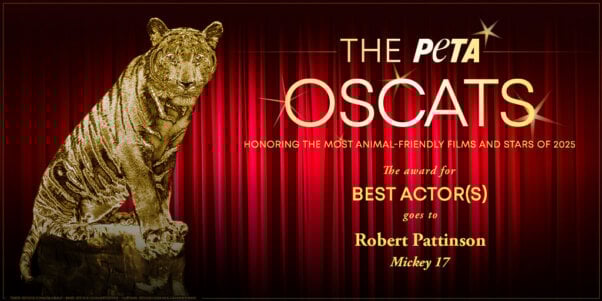
In the category of "Best Actor," Robert Pattinson was honored for his performance in Mickey 17. The film draws parallels between the treatment of "expendable" human clones and the real-world use of animals in laboratory experiments. Pattinson’s character exhibits profound empathy for extraterrestrial creatures known as "Creepers," eventually sacrificing himself to prevent their extinction. PETA framed this performance as a powerful metaphor for the millions of animals currently utilized in global testing facilities.
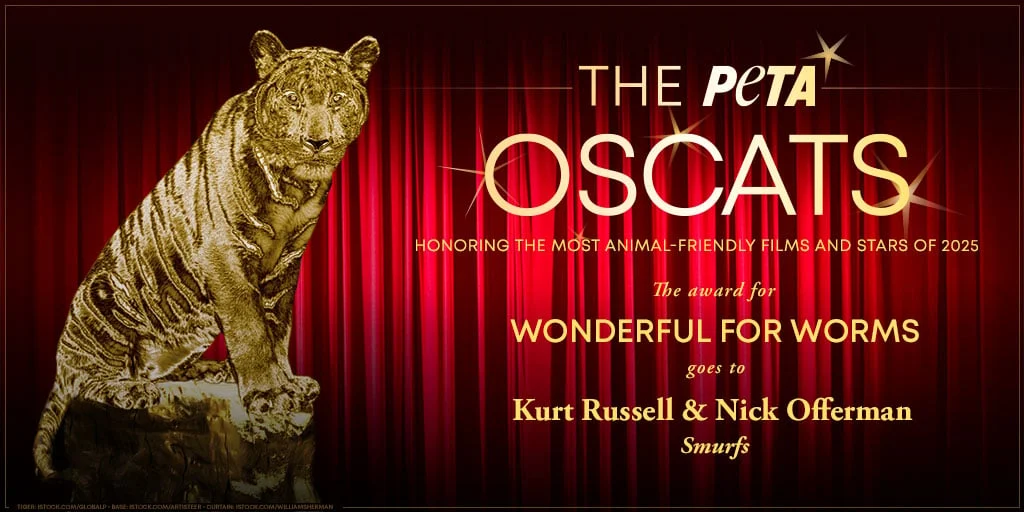
The animated feature Smurfs received the "Wonderful for Worms" award, a category highlighting the protection of smaller, often overlooked species. The film includes a tribute to a character who risks his life to save an inchworm, a moment PETA identifies as crucial for fostering empathy in younger demographics. This thematic focus on "non-discriminatory compassion" is seen by the organization as a vital educational tool in modern children’s media.
Ethical Casting and Human-Led Sound Design
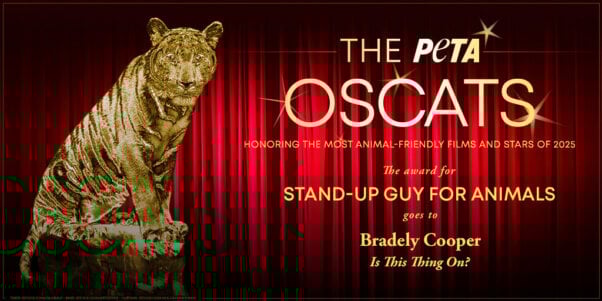
A burgeoning trend in the 2025 film season was "nepawtism"—the practice of directors and actors using their own companion animals rather than hiring animals from commercial trainers. Bradley Cooper was named "Stand-Up Guy for Animals" for casting his own dogs, Charlie and Lucy, in the film Is This Thing On?. This approach ensures that the animals return to a loving home after production rather than being housed in commercial kennels. The film also received a nod for a scene featuring "spilled oat milk," which PETA interpreted as a subtle but effective promotion of plant-based alternatives.
Director Ben Leonberg was awarded "Goodest Director" for his work on Good Boy, where he cast his family dog, Indy. The production was notable for its three-year shooting schedule, which was designed entirely around the dog’s comfort and natural behavior. PETA released a statement commending the use of a post-credit featurette that showed the "behind-the-scenes" reality of the dog playing and receiving treats, ensuring audiences that the onscreen "fear" was merely the result of clever editing and harmless vocal cues.
In a unique technical win, Peter Hastings received the "Best Sound Design" Oscat for Dog Man. Rather than recording real dogs in a studio setting, Hastings performed all the vocalizations—including barks, whimpers, and howls—himself. This decision was hailed as an example of how artistic craft can eliminate the need for animal labor in the post-production process.
The "Marty Supremely Cruel" Designation and Industry Critique
While the Oscats primarily celebrate progress, PETA also utilizes the platform to issue a "rotten tomato" style critique of productions that fall short of ethical standards. The 2025 dishonor, "Marty Supremely Cruel," was directed at Josh Safdie’s Marty Supreme. According to production reports and PETA’s monitoring, the film utilized an array of live animals, including a sea lion in a costume, dogs in distressing scenarios, camels, donkeys, pigs, and even an armadillo.
PETA’s critique specifically targeted lead actor Timothée Chalamet, urging him to use his significant industry influence to demand animal-free sets in the future. The organization argues that the use of live wildlife in "circus-style" stunts is a regression for the industry, particularly given the availability of high-quality digital alternatives.
Broader Impact and Industry Implications
The annual Oscat Awards reflect a broader shift in the Environmental, Social, and Governance (ESG) criteria that major studios are now beginning to adopt. Data from the 2025 production year indicates that films avoiding live animals often see reduced insurance premiums and fewer logistical hurdles, making "animal-friendly" filmmaking a fiscally responsible choice as well as an ethical one.
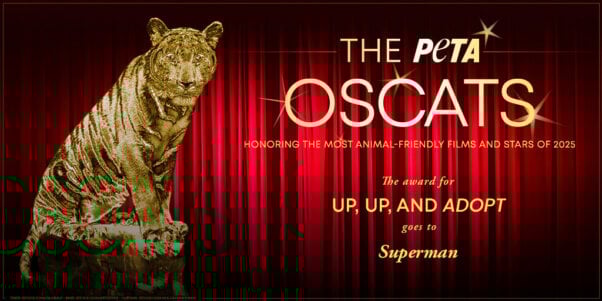
Furthermore, the influence of these films on public behavior is measurable. Following the release of James Gunn’s Superman, which featured a CGI "super dog" named Krypto inspired by Gunn’s real-life rescue dog Ozu, animal shelters reported a 500% increase in adoption inquiries. PETA awarded the film the "Up, Up, and Adopt!" honor, noting that the positive portrayal of a rescue animal can have a tangible impact on the global overpopulation crisis.
As the industry moves toward the 98th Academy Awards, the Oscats serve as a reminder that the definition of "movie magic" is evolving. The organization concludes that the most successful films of 2025 were those that chose creativity over cruelty, proving that the future of Hollywood lies in the hands of digital artists and compassionate storytellers rather than animal exhibitors. PETA encourages consumers to support these winners and to remain vocal when productions fail to meet the rising expectations for animal welfare in the arts.

