


By Diane Burroughs
Published On: Jan 2, 2026
Last updated on: Apr 20, 2026
The annual or semi-annual molting process is a fundamental biological imperative for birds, a natural cycle essential for maintaining healthy plumage, thermoregulation, and flight capability. However, for many of the millions of households globally that cherish companion birds, this period can become a source of significant anxiety. Owners frequently grapple with the critical distinction between the expected discomfort associated with new feather growth and the concerning onset of feather-destructive behavior, commonly known as feather plucking. Understanding this nuanced difference is paramount for avian welfare, as misinterpreting early signs can lead to prolonged suffering for the bird and escalating challenges for caregivers.
The Physiological Imperative of Molting
Molting is not merely the shedding of old feathers; it is a complex physiological event involving the coordinated growth of new plumage, a process that places considerable metabolic demands on a bird’s system. Feathers, primarily composed of keratin—a protein—constitute approximately 4-12% of a bird’s body weight, varying by species. During a complete molt, this entire protein mass must be replaced. This intense period of renewal requires a significant reallocation of energy and nutrients, particularly amino acids for protein synthesis, along with vital vitamins and minerals. The skin and feather follicles are under immense pressure to facilitate the emergence of new feathers without excessive irritation or damage.
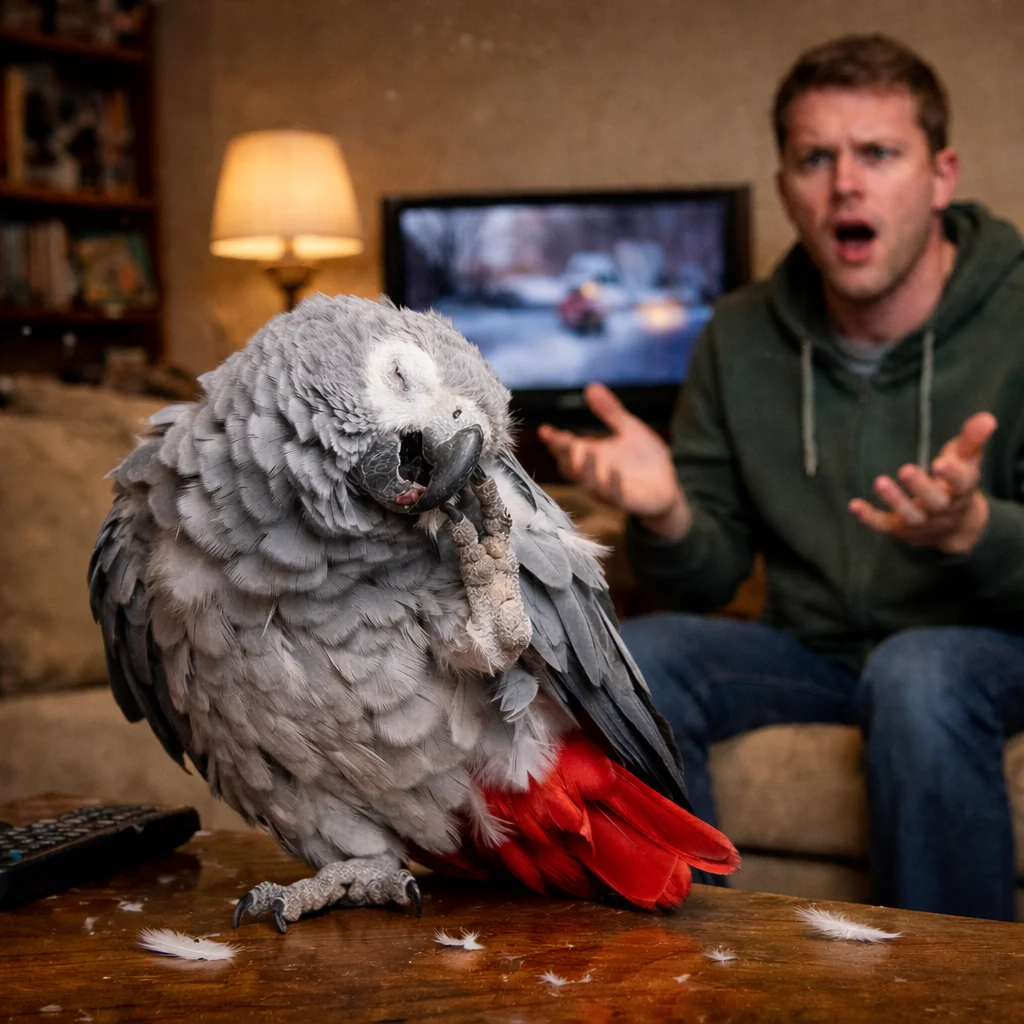
In the initial stages of new feather growth, pin feathers emerge, encased in a waxy keratin sheath. As these feathers mature, the bird preens diligently to break down these sheaths, releasing the new, fully formed feather. This preening action, while crucial, can be inherently itchy and uncomfortable. Normal molting behaviors therefore often include increased scratching, rubbing against perches or cage bars, and vigorous preening. Owners might observe their birds appearing somewhat disheveled, with small feather fragments or ‘dander’ accumulating around their living space. This heightened activity is generally self-regulating, with the bird typically able to disengage from preening to eat, interact, or rest.
When Normal Discomfort Signals a Potential Problem
The challenge for owners lies in discerning when these normal molting behaviors cross a threshold into potentially pathological territory. The transition from intense, yet normal, preening to compulsive, feather-damaging behavior can be subtle and insidious. Early feather plucking can mimic exaggerated molting discomfort, making it difficult for an untrained eye to identify.
Key indicators that warrant closer attention include:
- Escalation and Fixation: While a molting bird might preen vigorously across various body parts, a bird developing feather-destructive behavior often exhibits an escalating and fixated focus on a particular area, returning repeatedly to the same spot despite interruptions.
- Inability to Disengage: A crucial differentiator is the bird’s capacity to cease the behavior. A molting bird will typically pause preening for other activities like feeding, playing, or resting. A bird engaging in feather plucking, however, may continue the destructive behavior even when offered favorite treats or toys, or when approached for interaction.
- Visible Damage: While some minor feather wear can occur during vigorous preening, the presence of clearly broken, bent, or pulled-out feathers, bald patches that are not visibly filling with new growth, or skin irritation (redness, scabbing, bleeding) are definitive red flags. Early plucking can sometimes involve pulling out entire new feathers, leaving the surrounding plumage initially intact but signaling a serious issue.
The Role of Nutritional Foundations in Molt Health
The quality of a bird’s diet plays a pivotal role in the ease or difficulty of its molting experience. Feathers, being approximately 90% protein, demand a robust supply of amino acids. However, it’s not just protein; specific micronutrients are equally vital. Vitamin A, for instance, is critical for maintaining healthy epithelial tissues, including skin and feather follicles. Deficiencies can lead to hyperkeratosis, where the skin becomes dry, flaky, and less pliable, making the emergence of new feathers more irritating and prone to tearing. Essential fatty acids (EFAs), particularly omega-3s and omega-6s, are also indispensable for skin integrity and feather quality, contributing to their natural sheen and strength.
Many common commercial seed-only diets, unfortunately, are notoriously deficient in these crucial nutrients. Such diets often lack sufficient Vitamin A, which is found abundantly in dark leafy greens and certain fruits, and essential fats that support skin health. When a bird on a suboptimal diet enters a molt, its system struggles to meet the heightened nutritional demands. This can manifest as an unusually "rough" molt, characterized by prolonged discomfort, poor feather quality, and an increased susceptibility to irritation that can, in turn, trigger or exacerbate feather-destructive behaviors. Avian veterinarians frequently report that dietary deficiencies are a significant underlying factor in dermatological and behavioral issues observed during molting periods.
Expert Perspectives on Early Intervention
Diane Burroughs, LCSW, an avian behavior specialist and founder of UnRuffledRx, emphasizes the critical need for vigilant observation and proactive support during molting. "The key isn’t how dramatic the preening looks initially, but whether your bird can disengage and return to normal behavior," Burroughs states. "Escalation and fixation—not just intensity—are the true red flags." Her work, grounded in three decades of hands-on experience and ABA-trained behavior principles, highlights that early intervention can often prevent a temporary discomfort from spiraling into a chronic behavioral problem.
Avian veterinary practitioners echo this sentiment. Dr. Emily Jenkins, a board-certified avian veterinarian (inferred statement for journalistic context), notes, "Many owners present their birds with feather issues, initially believing it’s just a ‘tough molt.’ Our role is to help them understand the fine line. While molting is uncomfortable, it should never lead to self-mutilation or persistent skin trauma. Any sign of bald areas not filling in, open skin, or bleeding absolutely warrants immediate veterinary assessment." These professionals advocate for a comprehensive approach that includes a thorough dietary review, environmental enrichment, and behavioral modification strategies.
Practical Steps for Owners: Reducing Irritation and Preventing Fixation
The immediate goal for owners during a molting period is to mitigate discomfort and prevent the development of compulsive behaviors. This involves a multi-faceted approach:
- Optimize Nutrition: Review and potentially upgrade the bird’s diet to an avian veterinarian-recommended pelleted diet, supplemented with fresh vegetables, fruits, and a small amount of healthy seeds. Consider avian-specific supplements rich in Vitamin A, omega fatty acids, and amino acids, but always under veterinary guidance.
- Provide Regular Baths/Showers: Humidity and moisture are vital for softening keratin sheaths and soothing itchy skin. Daily misting with plain water or offering a shallow bath can significantly alleviate discomfort.
- Ensure Adequate Rest: A bird expends considerable energy during a molt. Ensuring 10-12 hours of uninterrupted sleep in a quiet, dark environment can aid recovery and reduce stress.
- Environmental Enrichment: Distraction is a powerful tool. Offer new, engaging toys, rotate existing ones, and provide opportunities for foraging and problem-solving. A bored bird is more likely to fixate on discomfort.
- Gentle Preening Assistance (Caution Advised): For some docile birds, very gentle preening of emerging pin feathers on the head and neck (areas the bird cannot reach itself) can be helpful, but this should only be done if the bird clearly enjoys it and without applying any force. Misinterpreting a bird’s signals or being too forceful can cause pain and stress.
Common Pitfalls and What to Avoid
Certain responses by owners, though well-intentioned, can inadvertently exacerbate the situation:
- Over-Focusing on the Behavior: Constantly watching, pointing out, or reacting dramatically to a bird’s preening can inadvertently reinforce the behavior by providing attention, even if negative. This can transform a physical itch into a learned attention-seeking behavior.
- Excessive Physical Intervention: Forcing a bird into baths it dislikes or attempting to forcibly remove pin feather sheaths can cause significant stress, fear, and even injury, potentially worsening the problem.
- Ignoring Dietary Deficiencies: Believing that "it’s just a rough molt" without addressing underlying nutritional gaps misses a critical opportunity for intervention and can perpetuate discomfort.
- Self-Diagnosis and Delay: Relying solely on internet forums or anecdotal advice when concerning signs appear can delay professional diagnosis and treatment, allowing a treatable issue to become chronic.
When to Seek Professional Avian Veterinary Care
While much can be done at home to support a molting bird, certain signs unequivocally demand immediate veterinary attention. These include:
- Bald Patches Not Refilling: Areas of skin where feathers are missing and new growth is not visibly emerging over several weeks.
- Open Skin, Wounds, or Bleeding: Any sign of self-inflicted skin trauma, scabbing, or active bleeding requires urgent medical intervention to prevent infection and further damage.
- Changes in General Health: If the bird appears weak, unusually quiet, stays fluffed up for prolonged periods, squints, keeps eyes half-closed, or exhibits changes in appetite or droppings, these are systemic signs of illness that may or may not be related to molting but warrant immediate veterinary consultation.
- Persistent Fixation: If the bird’s feather-destructive behavior becomes a relentless, uncontrollable fixation that cannot be interrupted by normal activities like eating, playing, or rest, it is a clear indicator of a deeper problem requiring professional diagnosis and a tailored treatment plan.
- Feather Cysts or Follicle Issues: Occasionally, molting difficulties can lead to feather cysts or ingrown feathers, which require veterinary intervention.
The financial implications of avian veterinary care can be significant, ranging from hundreds to thousands of dollars depending on the complexity of diagnosis and treatment for feather destructive behaviors. However, early detection and intervention often lead to more straightforward and less costly resolutions, emphasizing the economic as well as welfare benefits of prompt professional consultation.
Broader Implications for Avian Welfare
The challenge of distinguishing normal molt from early plucking underscores a broader issue in companion animal care: the need for increased owner education and awareness. As avian medicine continues to advance, the understanding of bird physiology, behavior, and psychological needs becomes more refined. Organizations dedicated to avian welfare consistently advocate for proactive care, preventative nutrition, and early recognition of distress signals. The ongoing research into avian dermatological conditions and behavioral pathologies highlights the complex interplay of genetics, environment, diet, and stress in the manifestation of feather destructive behaviors.
For the estimated 15-20 million pet birds in the United States alone, and countless more globally, the quality of life often hinges on an owner’s ability to interpret subtle cues and respond appropriately. By understanding the normal parameters of molting and recognizing the critical warning signs, caregivers can play an indispensable role in ensuring their feathered companions navigate this natural process with comfort and maintain optimal health throughout their lives. The message from experts is clear: attentive observation, a robust nutritional foundation, and timely professional intervention are the cornerstones of preventing a temporary molt discomfort from evolving into a debilitating behavioral disorder.
FAQ: Quick Answers for Concerned Owners
- Can plucking start before feathers look damaged? Yes. Early plucking may involve pulling out whole, new feathers, leaving surrounding feathers looking normal at first. Damage can be internal or subtle.
- How long should I watch before worrying? Watch patterns over weeks, not hours. Normal molt discomfort shifts or improves; plucking tends to become repetitive and focused, showing a clear escalation in intensity or duration.
- Can molting look fine one day and worse the next? Yes. Molting discomfort often comes in waves, with some days being itchier or more intense than others. Concern arises when behavior steadily intensifies or fixates over an extended period.
- What’s the real red flag? Fixation – a repeated, obsessive focus on one specific spot or feather type that cannot be interrupted by eating, resting, social interaction, or play. This indicates a compulsive element beyond mere discomfort.
References
Chen et al., 2020. Frontiers in Physiology.
Cooper & Harrison, 1994. Avian Medicine.
Merck Veterinary Manual, 2024.

