


The Global Birdfair 2026 is amplifying critical conservation efforts led by BirdLife International, focusing on the preservation of São Tomé and Príncipe’s unique avian populations and the urgent prevention of extinctions in the island nation. This initiative underscores the profound biodiversity at risk and the collaborative strategies necessary to secure the future of these remarkable species.
The Dire Straits of São Tomé’s Avian Treasures
Nestled within the verdant, ancient forests of São Tomé, a trio of birds exists that cannot be found anywhere else on the planet. The Dwarf Ibis (Bostrychia bocagei), the São Tomé Grosbeak (Crithagra concolor), and Newton’s Fiscal (Lanius newtoni) are not merely endemic species; they are emblems of the island’s unparalleled natural heritage and are currently classified as Critically Endangered on the International Union for Conservation of Nature (IUCN) Red List. These species are confined to the dwindling forest fragments of this small island nation situated in the Gulf of Guinea, and their continued existence hinges on immediate and robust conservation interventions.
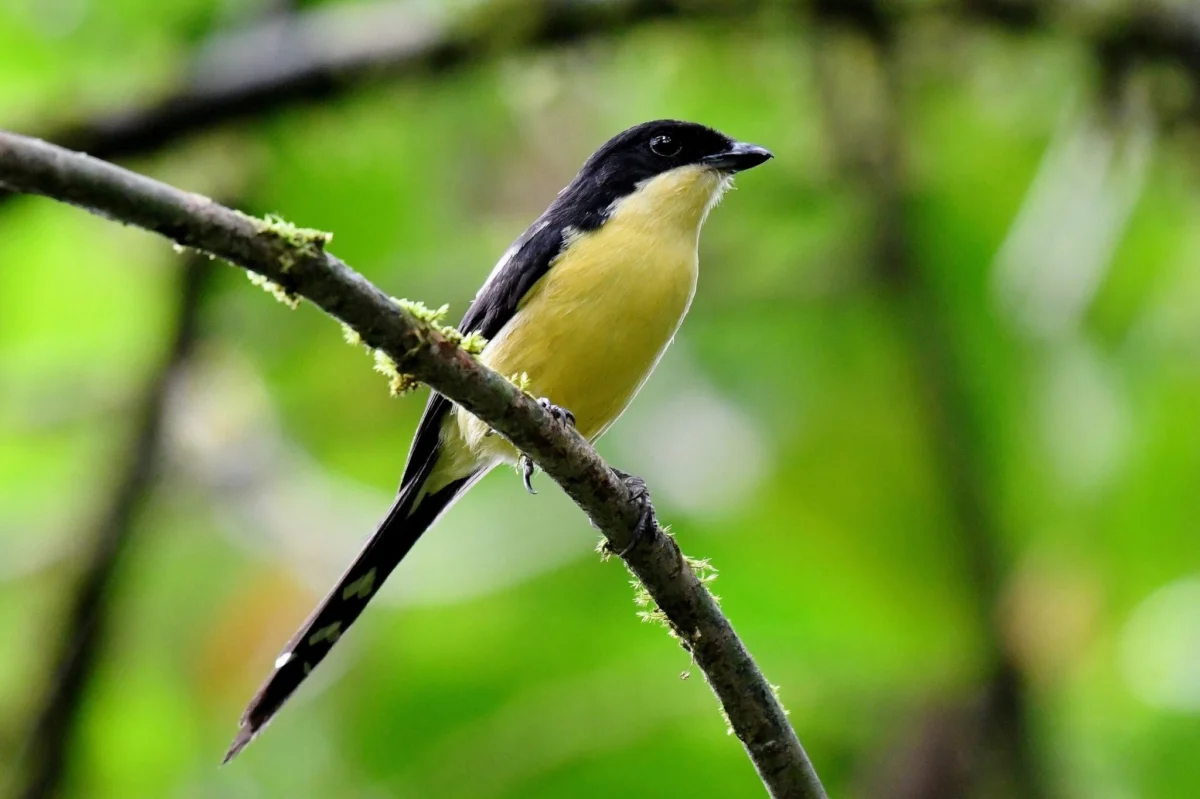
Each of these birds carries a narrative of extreme rarity and remarkable resilience in the face of overwhelming odds. The Dwarf Ibis, a notoriously elusive forest dweller, is characterized by its haunting call and is estimated to have a population of fewer than 2,000 individuals. Its survival is intrinsically linked to the health of the island’s primary forests. The São Tomé Grosbeak, a species once feared lost to science for over a century, has been rediscovered surviving in isolated pockets of its forest habitat. Current estimates suggest its population may be as low as 250 adult individuals, highlighting its precarious status. Newton’s Fiscal, a strikingly patterned shrike with a distinctive black-and-white plumage, inhabits the forest ridges of the island’s central highlands. It is also believed to have a population of fewer than 250 individuals, making it one of the rarest birds in all of Africa.
Mounting Threats to Fragile Ecosystems
Despite the legal protections afforded to these species, they remain exceptionally vulnerable to a confluence of anthropogenic pressures. Habitat loss, primarily driven by the relentless expansion of agricultural land for cash crops and unsustainable timber extraction, continues to shrink the vital forest ecosystems upon which these birds depend. Furthermore, the persistent threats of hunting, direct disturbance of their habitats, and the detrimental impact of introduced invasive mammals exacerbate the precarious situation of these already fragile populations. The intricate ecological balance of São Tomé’s forests is under severe strain, threatening the survival of its unique wildlife.

BirdLife’s Strategic Approach: Community as Conservation Partners
Since 2018, BirdLife International, in close collaboration with dedicated local partners in São Tomé and Príncipe, has been implementing a multi-faceted conservation strategy. This strategy focuses on strengthening the management of protected areas, which are critical refuges for biodiversity, and concurrently promoting sustainable livelihood alternatives for local communities. The aim is to reduce the direct pressure on biodiversity stemming from economic activities. However, the conservation of these endemic species extends beyond mere forest protection; it necessitates deep engagement and collaboration with the people who share the landscape with these vulnerable birds.
A pivotal initiative, implemented between 2022 and 2024, has vividly demonstrated the transformative power of community-centered conservation. This project worked directly with local hunters, leveraging their intimate knowledge of the forest and its inhabitants to foster a paradigm shift in perceptions regarding wildlife conservation and sustainable hunting practices. Instead of viewing conservation solely as a restrictive measure, hunters were actively encouraged to embrace the role of forest stewards, recognizing their intrinsic connection to the ecosystem and their potential to contribute to its preservation.
Agents of Change: Empowering Local Communities
The tangible results of this engagement have been remarkable. A significant cohort of 75 hunters has been integrated into the initiative as "Agents of Change." Utilizing their profound understanding of the forest, these individuals are now actively contributing to conservation efforts by helping to locate rare species, such as the Dwarf Ibis, and by reporting instances of illegal bird hunting. Their accumulated skills and extensive experience have become invaluable assets in the ongoing battle to protect São Tomé’s avifauna.
In conjunction with national authorities, leading biologists, and other civil society stakeholders, these local hunters have played an indispensable role in the critical process of reviewing existing hunting laws. Their input has been instrumental in developing a comprehensive roadmap for the improvement and modernization of these regulations. Furthermore, a dedicated mentoring program has been established to support the development of alternative economic activities for 25 selected hunters. This program aims to help them explore the potential economic benefits of developing sustainable livelihoods, thereby strengthening their basic management and financial acumen.
The initiative culminated in a competition that recognized the five most innovative ideas for sustainable economic ventures. These winning proposals have received crucial technical and financial support to develop and implement their business plans. This approach has powerfully demonstrated how local hunters can transition from being a potential threat to becoming genuine contributors to conservation on the ground, fostering a harmonious balance between human needs and the imperative of biodiversity protection.

Global Birdfair 2026: Expanding Knowledge and Capacity
Building upon this successful momentum, the Global Birdfair 2026 project is poised to make significant contributions by addressing critical knowledge gaps concerning São Tomé’s endangered birds. Simultaneously, it will focus on bolstering the local capacity for their protection. This collaborative effort will see researchers, park rangers, and community members working hand-in-hand to gain a more profound understanding of the species’ distribution, the dynamics of their population changes, and the specific actions required to ensure their long-term survival.
Crucially, the project will continue to prioritize and strengthen community involvement, ensuring that all conservation endeavors are firmly rooted in local knowledge, active participation, and a commitment to long-term stewardship. This inclusive approach recognizes that sustainable conservation is only achievable when it is embraced and driven by the communities that live within and depend on these vital ecosystems.
A Symbol of Natural Heritage
The trio of critically endangered birds – the Dwarf Ibis, the São Tomé Grosbeak, and Newton’s Fiscal – are far more than just rare species. They represent the extraordinary natural heritage of São Tomé and Príncipe. Their protection is inextricably linked to the preservation of the island’s unique forests, its complex ecosystems, and the distinct communities that define this island nation. The intricate web of life in São Tomé is a testament to millions of years of unique evolutionary processes, and the loss of any species represents an irreversible blow to this natural legacy.
The organizers of the Global Birdfair 2026 express profound gratitude to the entire Global Birdfair team for dedicating their support to this vital conservation project. This partnership signifies a global commitment to safeguarding biodiversity hotspots. With continued global support, unwavering collaboration, and a persistent spirit of curiosity from individuals worldwide, the haunting call of the Dwarf Ibis, the quiet presence of the São Tomé Grosbeak, and the watchful silhouette of Newton’s Fiscal can be assured to resonate through São Tomé’s forests for generations to come. This collaborative endeavor offers a beacon of hope, demonstrating that by working together, we can indeed help safeguard some of Africa’s rarest and most vulnerable avian treasures. The success of this project will not only benefit the birds but also contribute to the ecological resilience and sustainable development of São Tomé and Príncipe.

