


Birds represent one of the most accessible forms of wildlife for individuals across the United States, weaving themselves into the fabric of daily life in urban, suburban, and rural landscapes alike. From their ubiquitous presence on lawns and fences to their vocalizations from nearby trees and gatherings in parking lots, these feathered creatures are constant companions. Yet, for many, these common sights and sounds remain anonymous, their names and prevalence unexamined. This guide aims to demystify the avian neighbors most Americans encounter, identifying the twenty most likely species and providing the keys to their recognition, transforming casual observation into informed appreciation.
The Foundation of Backyard Birding
The journey into birdwatching often begins not with a deliberate pursuit, but with a growing awareness of the creatures that share our immediate environment. These common species, easily observed and frequently encountered, serve as the essential building blocks for anyone interested in understanding the avian world. By learning to identify these familiar birds, individuals gain a foundational knowledge that enriches their perception of the natural world and opens the door to discovering a wider diversity of birdlife. The ability to recognize these twenty species signifies that one is already engaged in the fundamental practice of birdwatching: paying attention.

Understanding Common Avian Neighbors
The following birds are among the most widespread and visible across the continental United States, often adapting to human-altered landscapes with remarkable success. Their presence in diverse habitats, from manicured gardens to bustling city centers, makes them ideal subjects for nascent bird enthusiasts.
1. American Robin (Turdus migratorius)
For many, the American Robin is the quintessential backyard bird, often the first species that captures an observer’s attention. Their distinctive hopping across lawns, punctuated by sudden pauses to tilt their heads in search of prey, is an easily recognizable behavior. The robin’s prominent orange-red breast, set against its often upright posture, provides a clear visual signature against green grass or gray pavement. They are highly adaptable and are frequently found in yards, parks, and along sidewalks, showing a notable comfort level with human proximity. Their activity and predictability make them memorable for beginners, highlighting the frequency of their appearances and their preference for foraging on the ground.

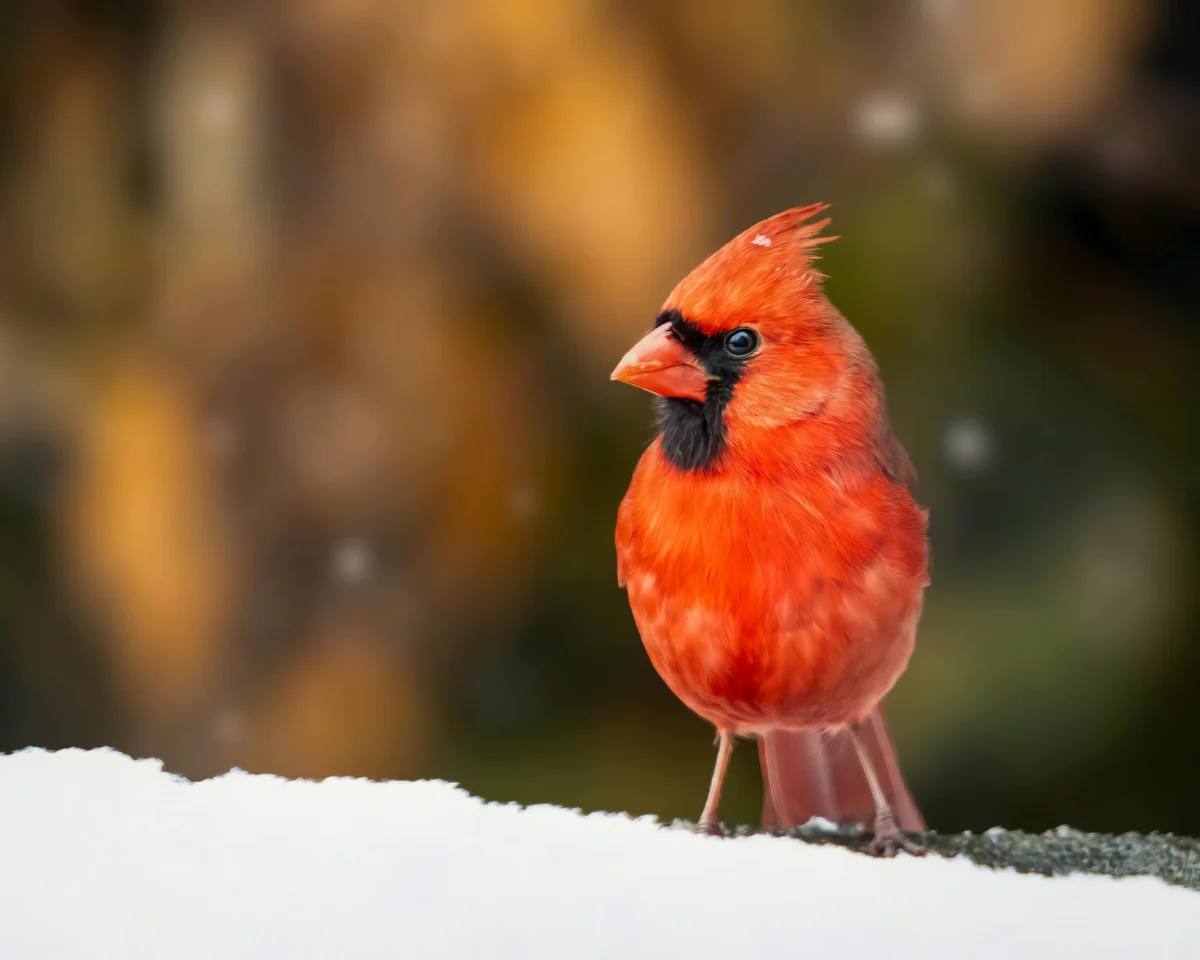
2. Northern Cardinal (Cardinalis cardinalis)
The Northern Cardinal is an undeniable showstopper in the avian world, its vivid crimson plumage making it one of the most striking birds encountered around homes. The male, in particular, is a beacon of color, whether perched in a shrub, visiting a feeder, or moving through low branches. Even individuals with little prior interest in birds tend to notice cardinals due to their unmistakable brilliance. These birds are commonly found in yards featuring bushes, hedges, or feeders, and they often remain in view longer than many smaller, more skittish species. Their deliberate movements and unmistakable coloration contribute to their ease of identification for beginners, leading to the recognition of pairs and their distinctive calls as regular fixtures in the environment.
3. Mourning Dove (Zenaida macroura)
Mourning Doves bring a sense of calm and gentle presence to the avian landscape. Larger than many common backyard birds, they are characterized by their slow, deliberate walk across the ground rather than hopping. Their soft, mournful coo is a familiar sound, even if the source is not immediately identified. Mourning Doves are frequently observed on lawns, driveways, fences, and power lines, showing a comfort with open spaces and often appearing in pairs or small groups. Their size and relaxed demeanor make them memorable for beginners, and once recognized, their quiet movement through everyday spaces becomes apparent.

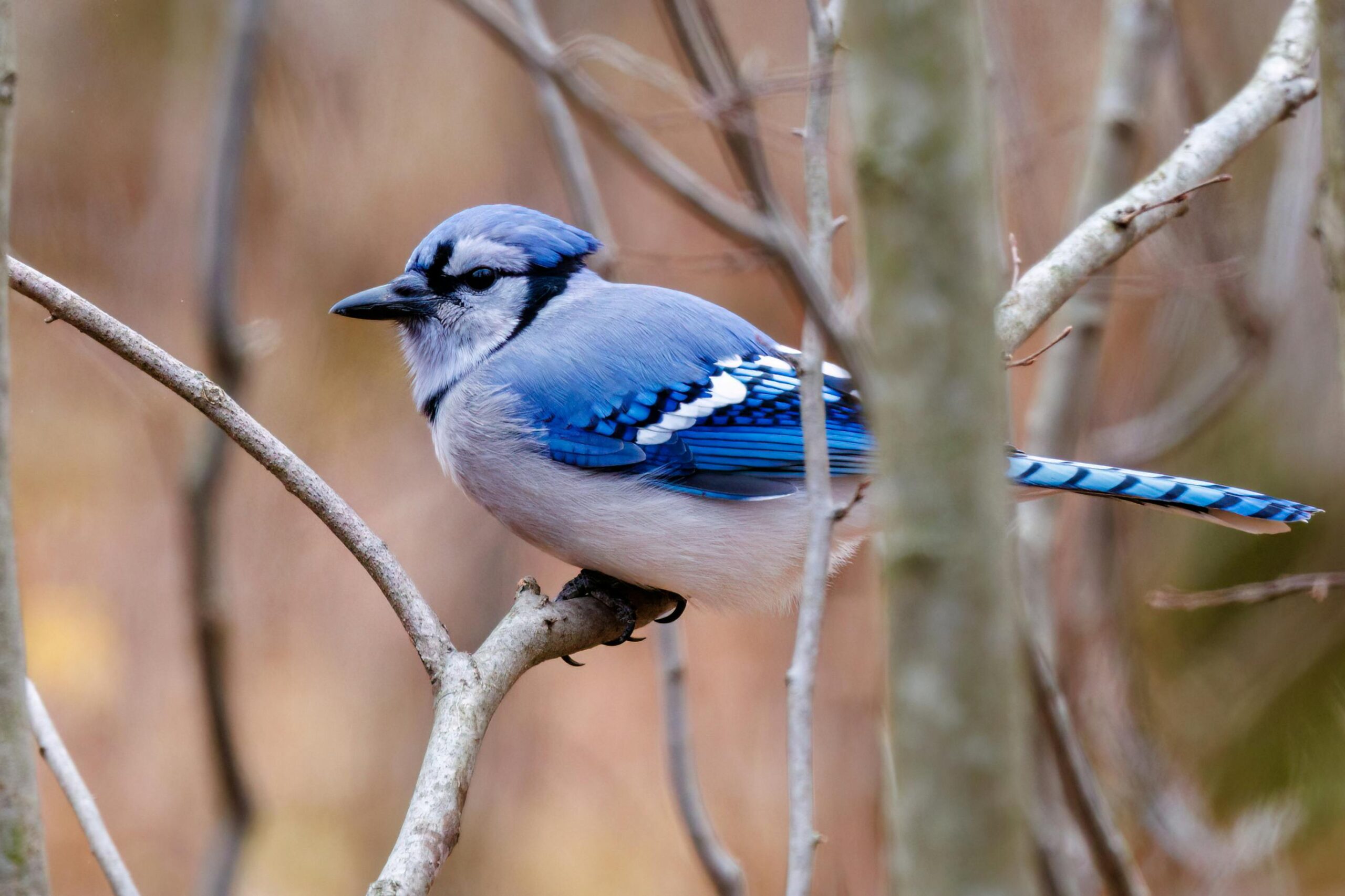
4. Blue Jay (Cyanocitta cristata)
Blue Jays are difficult to overlook, their striking blue coloration, bold black patterns, and loud, distinctive calls immediately drawing attention. Many observers become aware of Blue Jays by hearing their calls echoing through neighborhoods before visually identifying them. These intelligent corvids are frequently seen flying between trees, visiting bird feeders, or perching high above open areas, moving with a confident and often vocal presence. Their assertive nature and strong visual impact make them stand out from smaller birds, facilitating easy recognition for those beginning to observe birdlife.
5. American Crow (Corvus brachyrhynchos)
American Crows are among the most recognizable birds across the country, their large size and solid black plumage making them conspicuous. Often seen flying overhead or gathering in open areas, their loud calls and social behavior draw attention even from those not actively seeking to identify birds. Crows inhabit a wide range of environments, from city streets to suburban yards and open fields, frequently traveling in groups and perching on rooftops, trees, or utility poles. Their intelligence and expressive interactions make them memorable, and once identified, their presence and social dynamics become increasingly apparent.

6. House Sparrow (Passer domesticus)
House Sparrows are so pervasive that they are often overlooked entirely. These small, brown birds are frequently seen hopping along sidewalks, gathering near buildings, or foraging on the ground in small flocks. Their ability to blend into everyday surroundings means they are often noticed without their specific species being recognized. House Sparrows thrive in close proximity to humans, commonly found in yards, parking lots, and outdoor seating areas. Learning to identify them helps beginners distinguish background movement from intentional observation and highlights their frequent appearance.
7. European Starling (Sturnus vulgaris)
European Starlings are most often noticed for their dynamic movement and flocking behavior. They frequently appear in large flocks, moving swiftly across lawns, rooftops, and open spaces. Their dark, iridescent plumage can appear glossy or speckled, sometimes leading to initial confusion. Starlings are prevalent in urban and suburban areas, commonly seen near buildings, fields, and parking lots. Their constant activity and social nature make them hard to miss once they are brought to an observer’s attention.
8. Black-capped Chickadee (Poecile atricapillus)
Chickadees, with their small size and bold personalities, are delightful backyard visitors. They are active, curious, and frequent visitors to feeders, often grabbing a seed before retreating to nearby branches. Their distinctive black cap and white cheeks provide easy recognition. Chickadees are most commonly found in yards with trees or feeders and exhibit a notable comfort around people. Their boldness and vocal nature make them memorable for beginners, and their consistent activity throughout the day is a joy to observe.
9. Downy Woodpecker (Dryobates pubescens)
The Downy Woodpecker is often the first woodpecker species that people learn to identify. This small, black-and-white patterned bird is frequently seen climbing tree trunks or visiting feeders. Many beginners hear the characteristic tapping sounds before spotting the bird itself. Downy Woodpeckers are common in yards with trees and are often observed moving vertically along branches and trunks. Recognizing a Downy Woodpecker can serve as a gateway to more easily identifying other woodpecker species.

10. House Finch (Haemorhous mexicanus)
House Finches are frequent visitors to bird feeders and open yards, often seen in small groups. Males are distinguished by their reddish coloring on the head and chest, which helps them stand out once they are noticed. These finches are comfortable around human presence and are commonly observed near homes, gardens, and sidewalks. Their regular appearance and tendency to remain visible for extended periods make them memorable for beginners.
11. Dark-eyed Junco (Junco hyemalis)
Dark-eyed Juncos become particularly noticeable during the cooler months. These small, gray birds spend much of their time hopping along the ground, often in groups. A distinctive feature is the flash of white outer tail feathers when they take flight. Juncos are commonly seen in yards, parks, and near shrubs, where they forage on the ground. Their ground-dwelling habit and distinct movement patterns set them apart from birds that typically stay in trees or at feeders, making them easy for beginners to recognize.

12. White-breasted Nuthatch (Sitta carolinensis)
White-breasted Nuthatches are memorable for their unique method of movement. They often climb headfirst down tree trunks, a behavior that can surprise novice observers. Their sharp, nasal calls also help draw attention to their presence. Nuthatches are commonly seen on trees in yards and parks and frequently visit feeders. Once observed, their unusual movement makes them easy to identify repeatedly.
13. American Goldfinch (Spinus tristis)
American Goldfinches are renowned for their vibrant coloration. During the warmer months, males display a striking yellow plumage, making them easy to spot. Their appearance shifts to a more muted, brownish hue in winter, a seasonal change that can sometimes surprise beginners. Goldfinches are often seen flying in small flocks between plants and feeders, particularly in open yards. Their seasonal color variation is a key characteristic that beginners remember.

14. Tufted Titmouse (Baeolophus bicolor)
Tufted Titmice are small, gray birds easily identified by their prominent crest. They are frequent visitors to feeders and often associate with chickadees, moving quickly between trees and feeding stations. Titmice are most commonly observed in wooded yards and suburban neighborhoods. Once beginners recognize their distinctive crest and active behavior, titmice become straightforward to identify.
15. Song Sparrow (Melospiza melodia)
Song Sparrows are small, brown birds typically found near shrubs and low vegetation. They spend a significant amount of time on the ground or within dense cover, hopping in and out of view. These sparrows are common in yards, gardens, and parks but can be easily overlooked initially. Beginners often begin to notice them by observing movement near bushes.

16. Northern Mockingbird (Mimus polyglottos)
Northern Mockingbirds are frequently noticed for their remarkable vocal abilities. They sing loudly and often, frequently from elevated perches such as rooftops, fences, or prominent branches, with their songs audible both day and night. Mockingbirds are common in open yards and urban environments. Their bold demeanor and vocal nature make them memorable for beginners.
17. Red-winged Blackbird (Agelaius phoeniceus)
Red-winged Blackbirds are often seen near open areas and wetlands. Males are particularly striking due to their distinctive red and yellow shoulder patches, which are prominently displayed when they move or call. They are commonly observed perched on fences or flying low over fields. Beginners remember these birds for their striking markings and loud, characteristic calls.

18. Common Grackle (Quiscalus quiscula)
Common Grackles are larger than many people anticipate. They often gather in noisy flocks and are frequently observed in parking lots, lawns, and open spaces. Their glossy feathers shimmer in the light, making them stand out once noticed. Beginners may initially confuse them with starlings until they begin to differentiate based on size and behavior.
19. House Wren (Troglodytes aedon)
House Wrens are small birds known for their surprisingly powerful and persistent songs. They are often heard singing loudly from shrubs, fences, or small trees before they are visually identified. House Wrens are common in yards that offer dense vegetation or nesting boxes. Their vocalizations, seemingly emanating from such a small creature, make them memorable for beginners.

20. Eastern Bluebird (Sialia sialis)
Eastern Bluebirds are often spotted perched in open areas, their bright blue and rusty orange plumage making them stand out when visible. They are commonly seen on fence posts or wires in open yards and fields. Beginners remember them for their beautiful coloration and their calm, deliberate presence.
The Broader Significance of Common Birds
The presence and recognition of these common bird species hold a deeper significance beyond mere identification. These birds act as vital ecological indicators, their populations reflecting the health of local environments and the impact of human activities. Their adaptability to urban and suburban settings highlights their resilience, but also underscores the importance of maintaining green spaces and reducing environmental stressors.

The widespread distribution of species like the House Sparrow and European Starling, while making them easily observable, also points to their success as introduced species, sometimes outcompeting native bird populations. Conversely, the visibility of species like the American Robin and Northern Cardinal demonstrates successful adaptation and highlights the ecological niches available within human-dominated landscapes. Understanding these common birds allows for a more informed approach to conservation efforts, focusing on habitat preservation and restoration that benefits both common and less numerous species.
Furthermore, the accessibility of these birds provides a crucial entry point for public engagement with nature. As the initial article suggests, most people do not actively seek out birdwatching; rather, it often emerges from an organic curiosity sparked by familiar sights and sounds. By providing clear identification markers for these ubiquitous species, this guide empowers individuals to connect with the natural world on a daily basis, fostering a sense of stewardship and environmental awareness. The simple act of learning to recognize a robin or a cardinal can be the first step in a lifelong appreciation for biodiversity and the intricate ecological web that surrounds us.

The presence of these birds also offers a subtle commentary on urban ecology. Their ability to thrive alongside human development speaks to their behavioral plasticity and their capacity to utilize resources available in altered environments. For instance, the reliance of many species on bird feeders provides a direct link between human activity and avian survival, emphasizing the mutualistic relationship that can develop. Observing the feeding habits of House Finches or the nesting behaviors of House Wrens offers tangible insights into the challenges and opportunities present in urban ecosystems.
Ultimately, the twenty birds highlighted represent more than just common avian sights; they are ambassadors of the natural world, present in our everyday lives. Their continued presence and the ability of people to recognize them are indicators of a healthy, albeit often modified, ecosystem. Encouraging this recognition is a fundamental step towards broader conservation goals, fostering a connection that can translate into meaningful action for the protection of all wildlife.

