


The Physics of Light and Biological Necessity
To understand the necessity of specialized lighting, one must first categorize the electromagnetic radiation produced by the sun. Ultraviolet radiation is divided into three primary bands based on wavelength: Ultraviolet A (UVA), Ultraviolet B (UVB), and Ultraviolet C (UVC). While UVC represents the shortest wavelengths (below 280 nanometers) and is primarily germicidal—used frequently to sterilize aquatic environments—it is the UVB and UVA spectrums that interact most directly with vertebrate physiology.
UVB radiation, spanning the 280 to 315-nanometer range, is the primary driver of vitamin D3 synthesis. This process is not merely a convenience but a biological requirement for most vertebrates. Vitamin D3 acts as a vital hormone that facilitates calcium absorption in the gut, ensuring the development of healthy skeletal structures and preventing the onset of Metabolic Bone Disease (MBD). Beyond bone health, Dr. Mitchell noted that appropriate vitamin D3 levels are inextricably linked to reproductive success in reptiles, influencing everything from follicular development to eggshell quality.
UVA radiation (315 to 380 nanometers), often referred to as "black light," plays a more ethological role. It is essential for regulating behavior, social signaling, and environmental perception in many species, particularly those with tetrachromatic vision, such as birds and many reptiles.
The Mechanism of Vitamin D3 Synthesis
The conversion of sunlight into a functional hormone is a multi-stage, temperature-dependent process. Dr. Mitchell detailed the "photosynthetic" pathway that begins in the skin. When UVB radiation strikes the epidermis, it converts 7-dehydrocholesterol into pre-vitamin D3. This precursor is then thermally converted into vitamin D3, a process that highlights the importance of providing a thermal gradient alongside a light source.
Once synthesized, the hormone enters the circulatory system and travels to the liver, where it undergoes hydroxylation to become 25-hydroxyvitamin D3—the primary metabolite measured by veterinarians to assess an animal’s vitamin D status. The final transformation occurs in the kidneys, where it is converted into 1,25-dihydroxyvitamin D3, the biologically active form that regulates calcium and phosphorus levels.
For captive animals housed indoors, the absence of direct sunlight creates a physiological vacuum. Historically, keepers attempted to bridge this gap through dietary supplementation. However, Dr. Mitchell’s research suggests that endogenous synthesis through UVB exposure is often more efficient and carries a lower risk of toxicity compared to oral vitamin D3 powders, which can lead to hypervitaminosis if mismanaged.
Expanding the Scope: Beyond Diurnal Reptiles
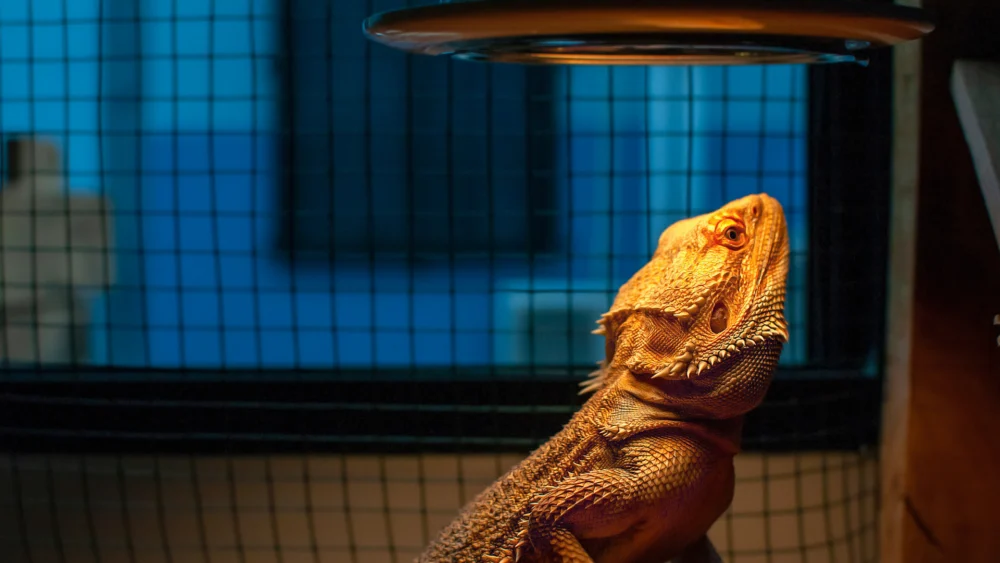
One of the most significant takeaways from the 2026 update is the expansion of UVB recommendations to species previously thought to be exempt. Traditionally, UVB lighting was reserved for "sun-worshipping" diurnal lizards like bearded dragons and green iguanas. However, recent data has dismantled the myth that crepuscular or nocturnal species do not benefit from UV exposure.
Research cited by Dr. Mitchell indicates that leopard geckos (Eublepharis macularius), which are primarily active at dawn and dusk, show significant increases in circulating vitamin D3 after even brief exposures to UVB. Similarly, carnivorous reptiles like corn snakes and even certain chelonians like Blanding’s turtles have shown positive physiological responses.
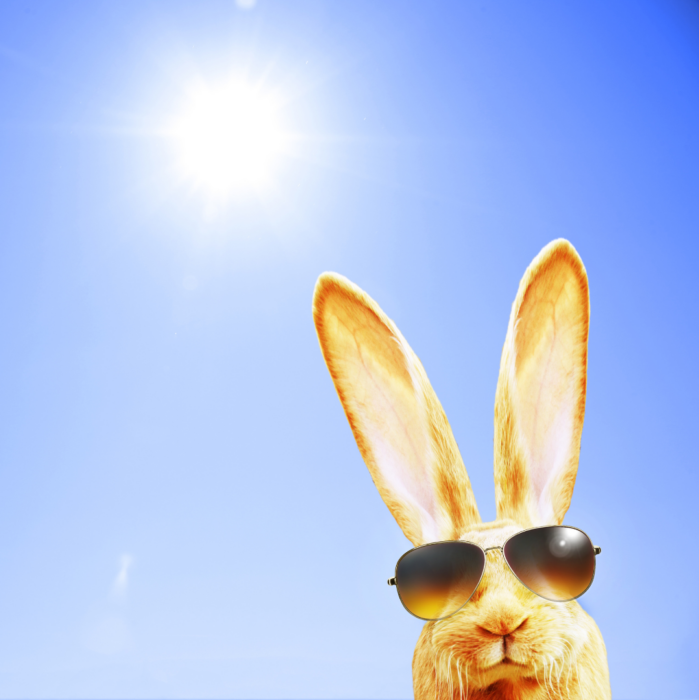
Perhaps most surprising to the general public is the benefit of UVB for exotic companion mammals. Studies on rabbits, guinea pigs, and chinchillas—animals traditionally kept in ambient indoor lighting—reveal that UVB exposure improves their calcium metabolism. This has profound implications for the treatment of dental disease in rabbits and guinea pigs, where poor bone density in the jaw often leads to life-threatening malocclusions.
Commercial Lighting and the Radiometer Mandate
The commercial pet industry offers a dizzying array of "full-spectrum" bulbs, but Dr. Mitchell warned that "not all bulbs are created equal." A common pitfall for caretakers is the assumption that a bulb emitting visible light is also providing adequate UVB. Over time, the phosphors in fluorescent tubes and compact bulbs decay, causing UVB output to drop significantly even while the bulb remains bright to the human eye.
To combat this, Dr. Mitchell advocates for the use of radiometers and photometers. These devices allow veterinarians and keepers to measure the actual microwatts per square centimeter (µW/cm²) reaching the animal. Furthermore, the physical setup of the enclosure can negate the benefits of expensive lighting. Glass and most types of Plexiglass are highly effective at filtering out UVB radiation; thus, a bulb placed outside a glass-topped tank provides zero benefit to the occupant. Even fine mesh screens can diffract and reduce UV intensity by 30% to 50%.
Regarding specific hardware, Dr. Mitchell noted that while fluorescent tubes were once the only reliable source, mercury vapor bulbs and certain compact fluorescents have closed the gap. However, he cautioned against high-output "10.0" bulbs in small enclosures, as they can inadvertently create "hot spots" of radiation that lead to tissue damage.
The "Sunburned" Risk: Adverse Effects of Overexposure
The title of Dr. Mitchell’s update, "Sunburned!", serves as a warning against the "more is better" philosophy. Just as UV radiation can cause damage in humans, artificial UVB can lead to significant morbidity in exotic pets.
- Photokeratitis: This is an inflammatory condition of the cornea, essentially a "sunburn of the eye." Dr. Mitchell has observed cases where high-intensity artificial lights caused reptiles to keep their eyes closed, leading to secondary anorexia and lethargy.
- Dermatological Issues: There is emerging evidence that certain species, particularly bearded dragons, may be susceptible to squamous cell carcinoma (skin cancer) following chronic exposure to high-intensity artificial UV sources.
- Hypervitaminosis D: While rare from light alone (as the body has internal mechanisms to stop D3 production when levels are high), the combination of intense lighting and heavy oral supplementation can lead to soft tissue calcification.
Clinical Recommendations: The Shift to Dosing
In a departure from the traditional 12-hour UV photoperiod, Dr. Mitchell proposed a new clinical standard: restricted exposure times. Based on studies of blue-tongued skinks and leopard geckos, he found that providing just two hours of UVB lighting per day was often sufficient to maintain healthy vitamin D3 levels without the risks associated with long-term exposure.
"I really want us to start thinking about vitamin D dosing like we do for antibiotics or anesthetics," Dr. Mitchell stated during his presentation. Instead of simply turning a light on and off, he suggests a "dose" measured in microwatts per square centimeter, tailored to the species’ natural history. For instance, a leopard gecko may only require 5 to 30 µW/cm² for a short window, whereas a desert-dwelling Uromastyx might require a higher intensity but still benefit from a "midday burst" rather than a 12-hour constant stream.
Broader Impact and the Future of Husbandry
The implications of this research extend to wildlife rehabilitation and zoo exhibits. In wildlife centers, raising nestling birds like black-crowned night herons requires careful attention to UV exposure to prevent rickets. Dr. Mitchell recommends natural sunlight whenever possible, emphasizing that even "taking the lid off" a container outside for brief periods is superior to many artificial setups.
For the private collector and the veterinary professional, the message is clear: the industry is moving toward a more nuanced, data-driven approach to environmental enrichment. The 2026 update underscores that lighting is not just an aesthetic choice but a potent medical intervention.
As research continues, particularly in the realm of "Ferguson Zones"—a classification system that groups animals by their natural sun-exposure levels—keepers are encouraged to stay informed and invest in measuring tools. The goal of modern husbandry is no longer just survival, but the replication of the complex, rhythmic cycles of the natural world. Through evidence-based updates like those provided by Dr. Mitchell, the path to achieving that goal becomes significantly clearer, ensuring that captive exotic species live longer, healthier, and more vibrant lives.

