


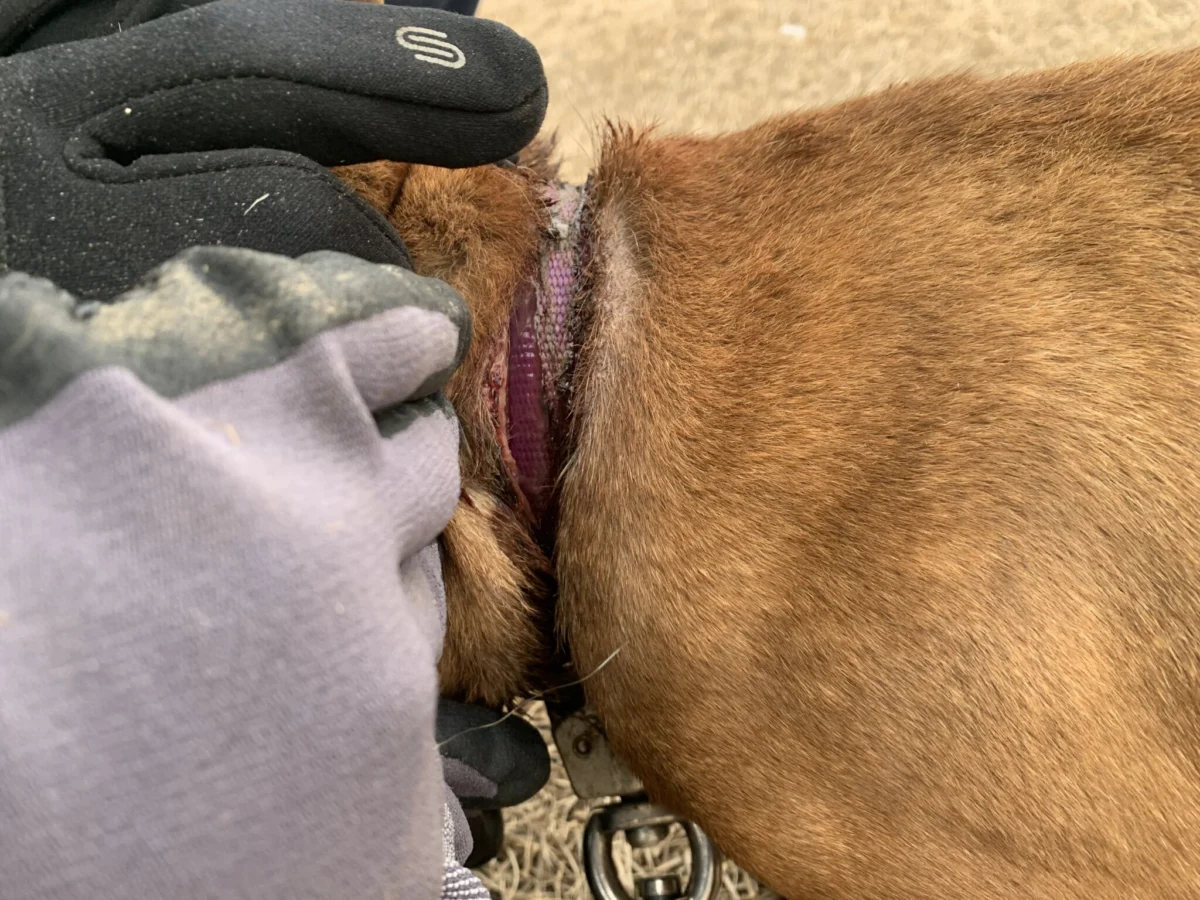
The narrative of animal welfare in the United States is often marked by cases of extreme neglect that highlight the critical need for vigilant community oversight and robust legal protections. One such case, originating in the rural landscape of Bertie County, North Carolina, recently reached a heartening conclusion following the rescue and rehabilitation of a dog now known as Liora. Formerly named Cinnamon, the canine spent years at the end of a heavy chain, a victim of a condition known as an embedded collar—a severe and life-threatening injury that occurs when a restrictive band is not adjusted as an animal grows, eventually causing the skin and muscle tissue to grow over the foreign object.
The rescue of Liora was facilitated by fieldworkers from People for the Ethical Treatment of Animals (PETA), an organization that maintains a consistent presence in underserved regions of the Atlantic plains to provide basic necessities to neglected animals. The intervention not only saved the animal’s life but also resulted in criminal charges against the former owner, underscoring the legal consequences of failing to provide adequate care to domestic companions. Today, Liora’s story serves as a case study in the successful transition of a "backyard dog" into a cherished family member, while also drawing attention to the broader systemic issues surrounding the practice of permanent tethering.
The Discovery and Medical Emergency in Bertie County
The intervention began during a routine welfare check conducted by PETA fieldworkers in Bertie County. The region, characterized by its agricultural expanses and high rates of outdoor pet ownership, often sees field teams delivering insulating straw, fresh water, and nutritional support to animals that are kept outdoors year-round. During this particular visit, which occurred ahead of a predicted winter snowstorm, the team encountered the dog then known as Cinnamon.

Upon approaching the animal to provide bedding, the rescuers were immediately struck by a pervasive, rancid odor—a clinical sign often associated with necrotic tissue or advanced infection. A physical examination revealed a catastrophic injury: a collar, likely placed on the dog when she was a puppy, had never been loosened. As she grew, the material had sliced deep into the dermal and sub-dermal layers of her neck. In a biological attempt to heal, her skin had begun to grow over the collar, trapping the bacteria and debris within the wound.
This condition, frequently referred to in veterinary medicine as an "embedded collar," is an excruciating form of neglect. It leads to chronic pain, systemic infection, and, if left untreated, eventual death via sepsis or the severing of vital vessels in the neck. Recognizing the immediate danger, the fieldworkers realized that the owner was not on the premises, necessitating the involvement of local law enforcement to ensure a legal and rapid extraction.
Legal Intervention and Surgical Recovery
The Bertie County Sheriff’s Office responded to the scene, providing the necessary authority to address the animal’s immediate medical crisis. Under the guidance of deputies, the owner was contacted and ultimately agreed to relinquish custody of the dog. This voluntary surrender is a critical step in animal rescue operations, as it allows for immediate medical treatment without the delays of prolonged evidentiary impoundment. Following the surrender, the dog was rushed to an emergency veterinary clinic for life-saving surgery.
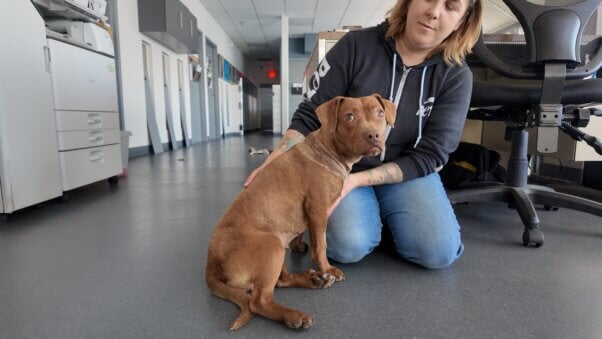
The surgical procedure required the careful excision of the skin that had encased the collar. Surgeons had to debride the infected tissue and cleanse the deep laceration that encircled her neck. Following the successful removal of the restraint, the dog was placed on a regimen of high-dose antibiotics and pain management. During this period of convalescence, the rescue team chose to rename her Liora, a name of Hebrew origin meaning "my light," symbolizing her resilience and the end of her period of darkness.
While Liora began her physical recovery, the legal system initiated proceedings against her former owner. Based on the evidence of the embedded collar and the lack of veterinary intervention, the individual was charged with cruelty to animals. Such charges are vital in establishing a public record of neglect and serving as a deterrent against the common but dangerous practice of permanent tethering without supervision.
The Path to Rehabilitation and Adoption
The transition from a life of solitary confinement on a chain to a domestic environment is often a complex process for a dog. Animals that have been deprived of social interaction and confined to a small radius often experience "kennel syndrome" or extreme anxiety when introduced to new stimuli. However, Liora’s caretakers noted that despite her history of trauma, her temperament remained remarkably sweet and "bright."
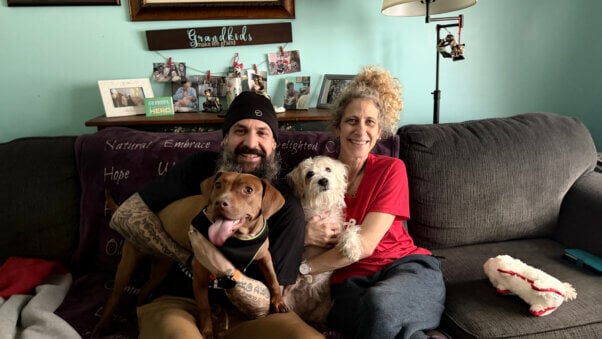
After a period of stabilization at PETA’s headquarters in Norfolk, Virginia, Liora was placed for adoption. Her journey came full circle when she was adopted by a family that had previously provided a home to another PETA-rescued dog named Ruthie. This environment proved ideal for Liora’s social rehabilitation. The presence of a canine companion who had navigated a similar path helped Liora acclimate to the nuances of life inside a home—a stark contrast to the frozen ground of Bertie County.
Observers of Liora’s new life describe a dog that has fully embraced her freedom. Her physical scars have healed, though the memory of her ordeal remains a catalyst for advocacy. Her personality has emerged as vibrant and assertive; she is known to lead her family on runs and actively seek out physical affection, a behavior often seen in formerly neglected dogs who "velcro" themselves to their new guardians to ensure security.
The Broader Impact: The Dangers of Permanent Tethering
Liora’s case is a singular success story within a much larger national crisis. The practice of tethering—keeping a dog tied to a stationary object for extended periods—is a subject of intense debate among animal welfare experts and legislators. According to data from the Journal of the American Veterinary Medical Association (JAVMA), chained dogs are significantly more likely to display territorial aggression. Because a chained dog cannot flee from perceived threats, they often resort to "fight" mode, making them nearly three times more likely to bite than unchained dogs.
Beyond the behavioral risks, the physical risks are numerous. In addition to embedded collars, chained dogs are susceptible to:
- Extreme Weather Exposure: Without the ability to seek adequate shelter, these animals are at risk of heatstroke in the summer and hypothermia in the winter.
- Entanglement: Chains can easily become wrapped around trees, posts, or the dog’s own limbs, leading to strangulation or broken bones.
- Inadequate Nutrition: Chained dogs are often unable to reach their water or food bowls if they become tipped over or if the chain becomes snagged.
In response to these dangers, a growing number of municipalities and states have moved to pass "tethering bans" or strict regulations. As of 2024, over 20 states and hundreds of individual counties have enacted laws that either prohibit permanent tethering or mandate specific conditions, such as the use of trolley systems, a minimum length for the tether, and the prohibition of tethering during extreme weather alerts.
Analysis of the Legislative Landscape and Future Outlook
The rescue of Liora underscores the importance of local ordinances. In many jurisdictions, law enforcement is limited in its ability to intervene unless an animal is in "imminent danger." By the time a collar becomes embedded, the danger is already critical. Proactive legislation that bans the use of heavy chains or restricts the duration of tethering allows for intervention before physical trauma occurs.
Advocates argue that "backyard dogs" are often a result of a lack of community resources and education. In rural areas like Bertie County, the challenge often lies in the distance to affordable veterinary care and a cultural tradition of viewing dogs as "property" rather than companions. Enrichment programs and mobile spay/neuter clinics, such as those operated by PETA and other regional shelters, are essential components in changing these social norms.
The financial implications of neglect cases are also significant for taxpayers. When an animal is seized due to cruelty, the cost of emergency medical care, boarding, and legal proceedings often falls on the local government or non-profit organizations. Strengthening tethering laws is viewed by many as a cost-saving measure, as it encourages responsible pet ownership and reduces the number of emergency interventions required.
Liora’s story concluded with a "tail of triumph," as her rescuers described it, but her case remains a reminder of the thousands of animals still at the end of a chain. Her recovery is a testament to the efficacy of coordinated efforts between animal rights fieldworkers, law enforcement, and the veterinary community. As Liora continues to thrive in her new home—launching herself "like a furry torpedo" into her living room after outdoor play—her legacy continues through the ongoing efforts to pass stricter tethering ordinances across the country, ensuring that no other animal has to suffer the silent agony of an embedded collar.

