


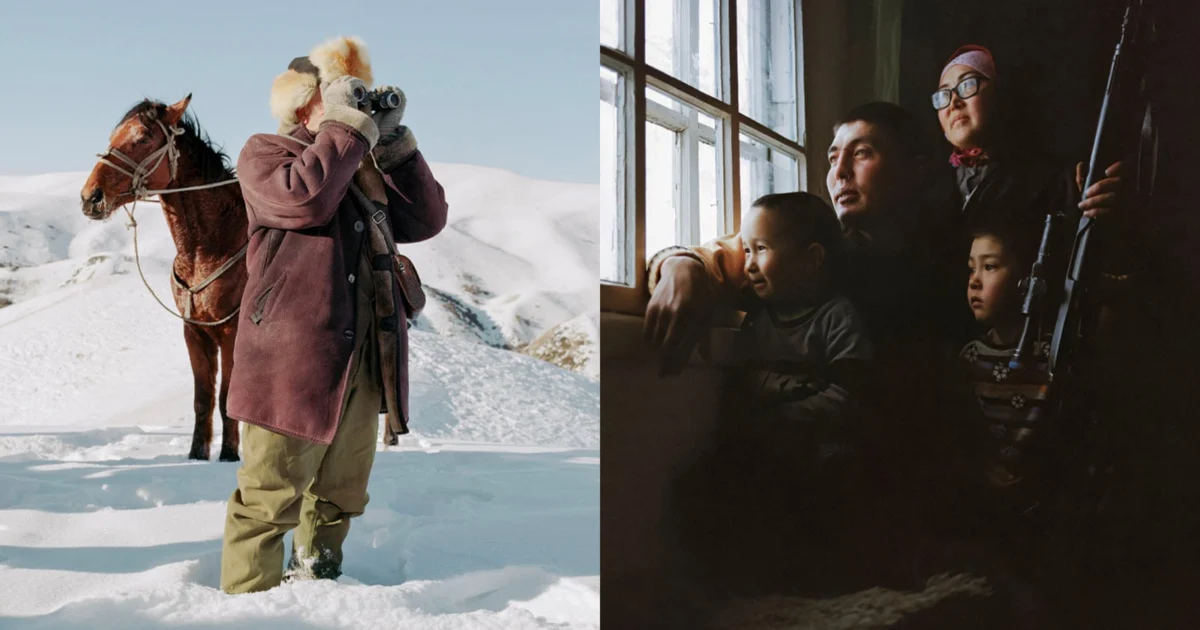
In the winter of 2021, documentary photographer Luke Oppenheimer arrived in the village of Ottuk, nestled within the formidable Tien Shan mountains of central Kyrgyzstan. Initially conceived as a month-long assignment to document the intensifying conflict between local shepherds and the region’s wolf populations, the project evolved into a four-year immersive study. This prolonged engagement has culminated in the publication of Ottuk, a monograph released by the publisher Aliens in Residence (AIR), which offers a stark, intimate look at a community living on the razor’s edge of survival.
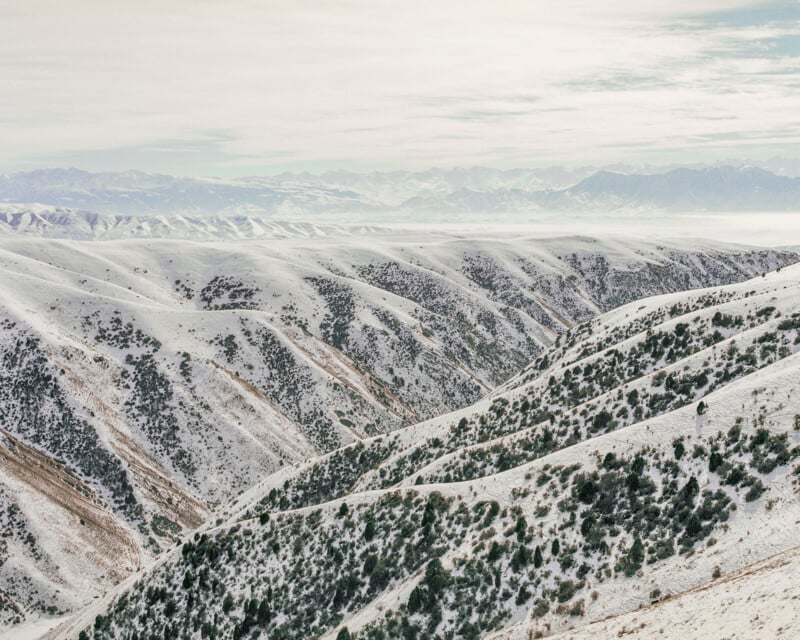
The Tien Shan, or "Celestial Mountains," represent one of the most rugged landscapes on earth, where the elevation and extreme continental climate dictate every facet of human existence. In Ottuk, a remote settlement in the Naryn Region, the local economy is almost entirely dependent on pastoralism. For these shepherds, livestock—horses, sheep, and yaks—represents not just food, but liquid capital and the sole insurance policy against a merciless environment. However, this capital is under constant threat from the grey wolves that roam the high-altitude passes, leading to a perennial state of undeclared war between the villagers and the predators.
The Economic Architecture of Survival
The stakes of this conflict are best understood through the lens of local economics. In Ottuk, the margin for error is non-existent, a reality captured by the Kyrgyz proverb, "It only takes one frost." This saying serves as a reminder that a single catastrophic event—a sudden blizzard, a viral outbreak, or a coordinated wolf raid—can eradicate a family’s entire livelihood in a matter of hours.
According to data compiled by Oppenheimer during his time in the village, the financial impact of wolf predation is staggering. The village of Ottuk generates an estimated total annual income of approximately $118,000 USD. However, the annual losses attributed to wolves are valued at roughly $47,600. This means that nearly 40% of the community’s potential wealth is consumed by predators every year.
A typical year in Ottuk sees the loss of 20 to 30 horses and an equal number of yaks. The sheep, being more vulnerable, suffer even greater casualties, with annual losses ranging between 50 and 100 head. For a shepherd, the loss of a horse is particularly devastating; in the Tien Shan, horses are essential for transportation, herding, and status. The loss of 30 horses represents a significant depletion of the village’s operational capacity and long-term wealth.
Chronology of the Project: From Observer to Adopted Son
Oppenheimer’s journey into the heart of the Tien Shan began with a focus on the mechanics of the hunt. In the harshest winter months, the men of Ottuk are forced to leave the relative safety of the village to track wolves in the surrounding peaks. These expeditions are born of necessity rather than sport, aimed at culling the packs that have grown too bold in their raids on the village corrals.
The photographer’s background played a crucial role in his ability to integrate into this insular society. Originally from rural Oklahoma, Oppenheimer holds a degree in Latin American History and has extensive experience in agroforestry and sustainable farming. His previous work across South America, including a significant project along the Brazil–Paraguay border, focused on the intersection of rural communities and their natural environments. This technical understanding of land management and animal husbandry allowed him to communicate with the shepherds of Ottuk on a level of shared vocational experience.
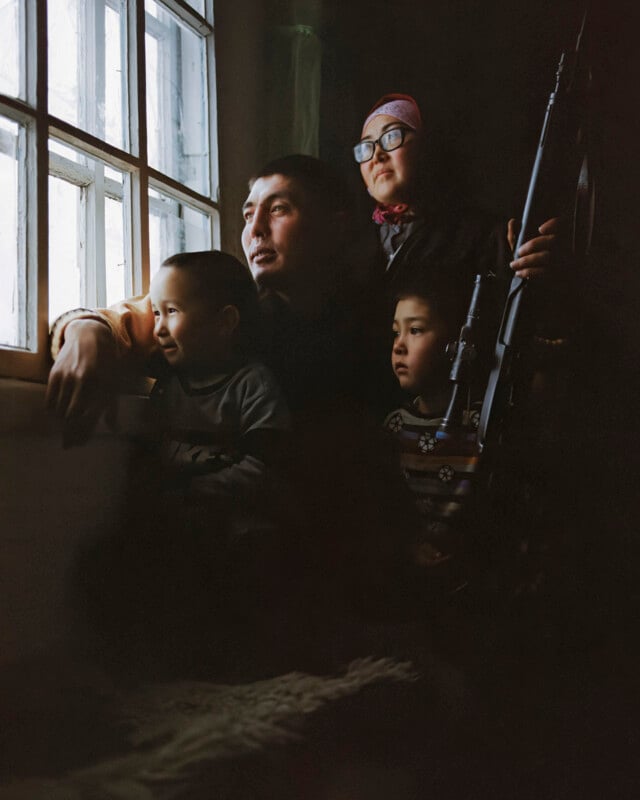
As the initial month-long assignment drew to a close, Oppenheimer realized that the story of the wolves was merely a gateway into a deeper narrative about the resilience of the Kyrgyz people. He chose to stay, eventually spending parts of four years in the region. During this time, he was gradually accepted into the community and was eventually adopted by one of the local families. This level of access allowed him to move beyond the "action" of the wolf hunt and into the quiet, domestic spheres of the village.
Life in the Sary-Chat Nature Reserve
A significant portion of Oppenheimer’s work captures the lives of park rangers and shepherds who operate within or adjacent to the Sary-Chat Nature Reserve. This protected area is a critical habitat for the endangered snow leopard and the Argali sheep, but it also serves as a breeding ground for the wolf packs that descend upon Ottuk.
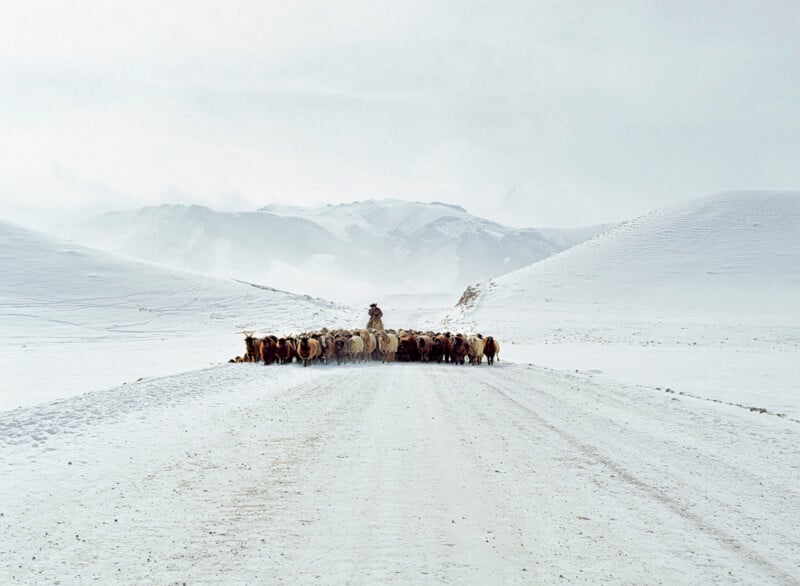
The conditions in these high-altitude outposts are grueling. Rangers and shepherds often live in small, isolated huts for months at a time, frequently with no human contact. The visual record provided in Ottuk shows these structures—often equipped with nothing more than a single solar panel for minimal electricity—standing as lonely sentinels against a backdrop of endless white.
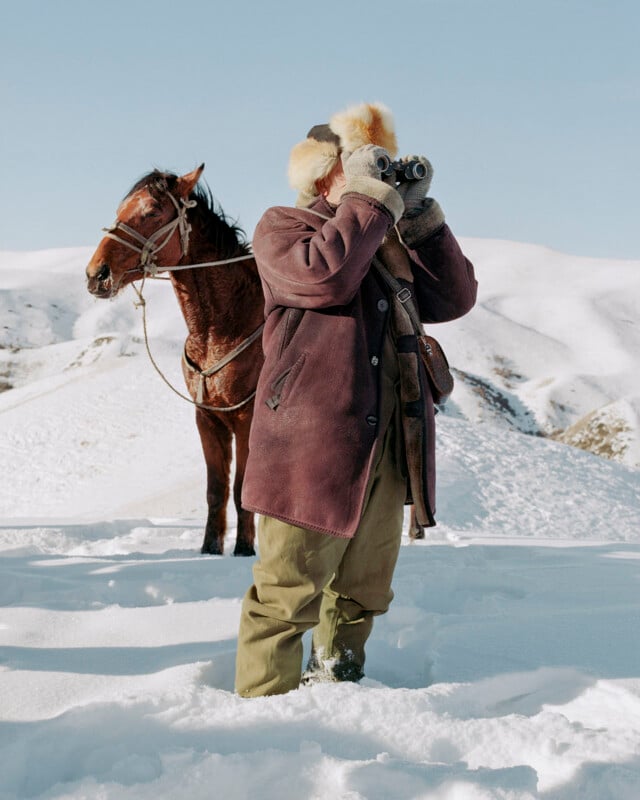
In these valleys, the landscape is often "littered with frozen sheep," a grim testament to the combined toll of the predators and the cold. The photographs document the tools of this existence: rusted farm implements, binoculars used for "glassing" the hills for movement, and the heavy fur hats and camouflage gear that constitute the uniform of the mountain men.
Cultural Foundations: Hospitality and Feud
Beyond the economic and environmental data, Ottuk explores the social fabric of the Tien Shan. Oppenheimer describes a society stripped to its essential elements. In a place where help may be hours or days away, hospitality is not merely a courtesy but a sacred duty. A traveler arriving at a remote yurt is traditionally offered tea, bread, and shelter, regardless of the host’s own scarcity.
However, this code of hospitality exists alongside a rigid social structure defined by filial duty and the weight of one’s word. In the absence of a pervasive central government presence, local disputes and long-standing feuds are often settled through traditional communal mediation or, in some cases, maintained across generations. Loyalty to the family and the village is the primary currency.
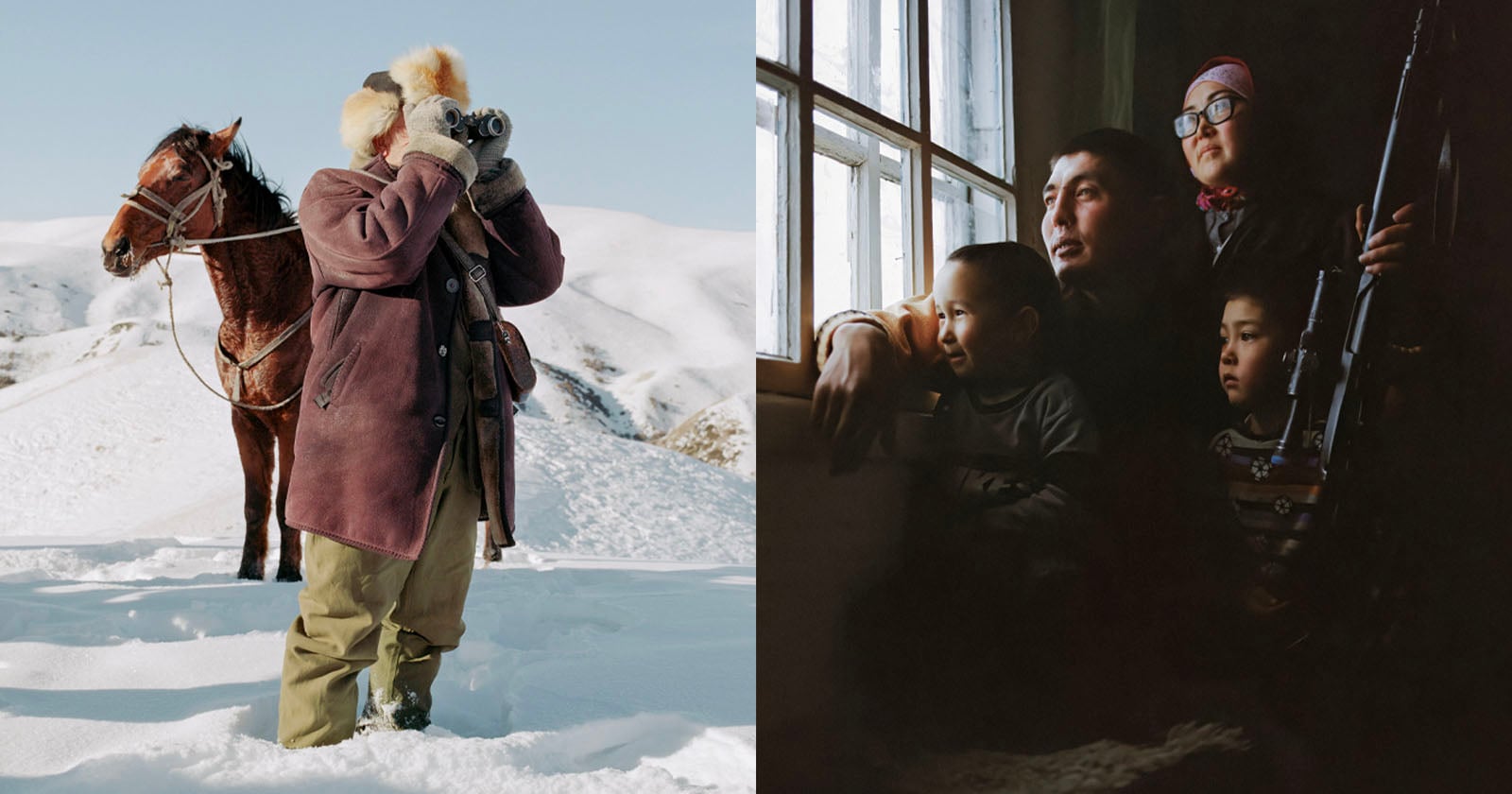
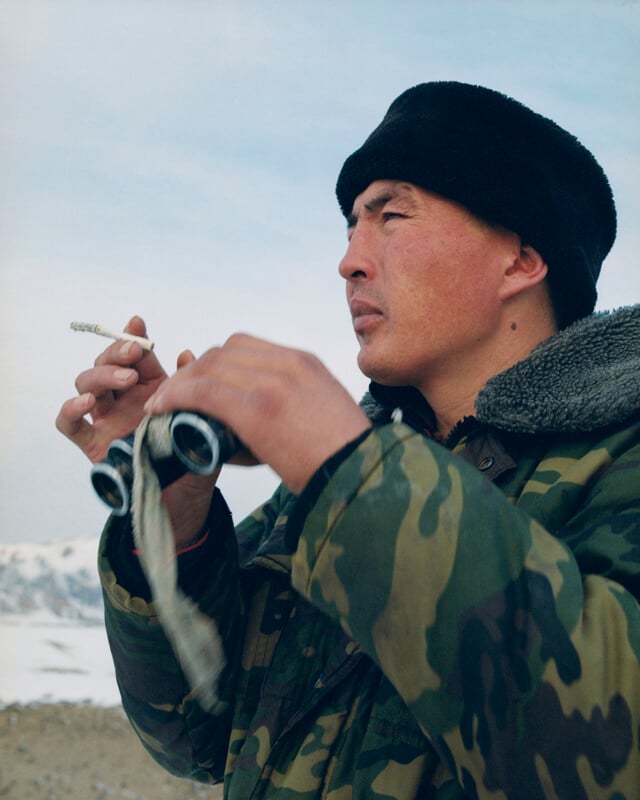
The portraiture in the book reflects this stoicism. Figures like Ruslan, a 35-year-old villager, are shown scanning the foothills with binoculars, a cigarette in hand, embodying the constant vigilance required to protect the herd. Older patriarchs are captured with expressions that mirror the weathered texture of the mountains themselves, their lives written in the lines of their faces.
Human-Wildlife Conflict: A Fact-Based Analysis
The situation in Ottuk is a microcosm of a broader global issue: the tension between wildlife conservation and the rights of indigenous and rural communities to maintain their traditional livelihoods. While international conservation groups often focus on protecting large predators like wolves and snow leopards, the economic burden of these efforts is frequently borne by the world’s poorest pastoralists.
In Kyrgyzstan, the government has historically offered bounties for wolf pelts to manage populations, but these programs are often underfunded or inconsistent. Consequently, the shepherds of the Tien Shan are left to manage the predator population themselves. The loss of $47,600 in annual revenue for a village like Ottuk is a catastrophic figure that hinders the community’s ability to invest in education, healthcare, or modern agricultural infrastructure.
Oppenheimer’s work does not vilify the wolf, nor does it sentimentalize the shepherd. Instead, it presents a factual account of a balanced, if brutal, ecosystem where two apex predators—human and wolf—compete for the same dwindling resources. The project highlights the necessity of integrated conservation strategies that provide compensation for livestock losses or fund better protective measures, such as improved fencing or the use of specialized livestock guardian dogs.
Publication and Public Engagement
The monograph Ottuk serves as a vital document of a way of life that is increasingly under pressure from both economic forces and the migration of younger generations to urban centers like Bishkek. By freezing these moments in time, Oppenheimer has preserved the visual history of a community that remains largely invisible to the Western world.
The book is currently available for pre-order through Aliens in Residence. To mark the launch and share the findings of his four-year study, Luke Oppenheimer will participate in a series of public events. This includes a high-profile book signing at the Association of International Photography Art Dealers (AIPAD) Fair in New York City, scheduled for Friday, April 24.
As the global community grapples with the challenges of biodiversity and climate change, the story of Ottuk provides a sobering reminder of the human cost associated with living in the wilder corners of the map. It is a testament to human endurance, showing that even in the face of "the frost" and the wolf, the people of the Tien Shan continue to carve out an existence defined by dignity and an unyielding connection to the land.

