


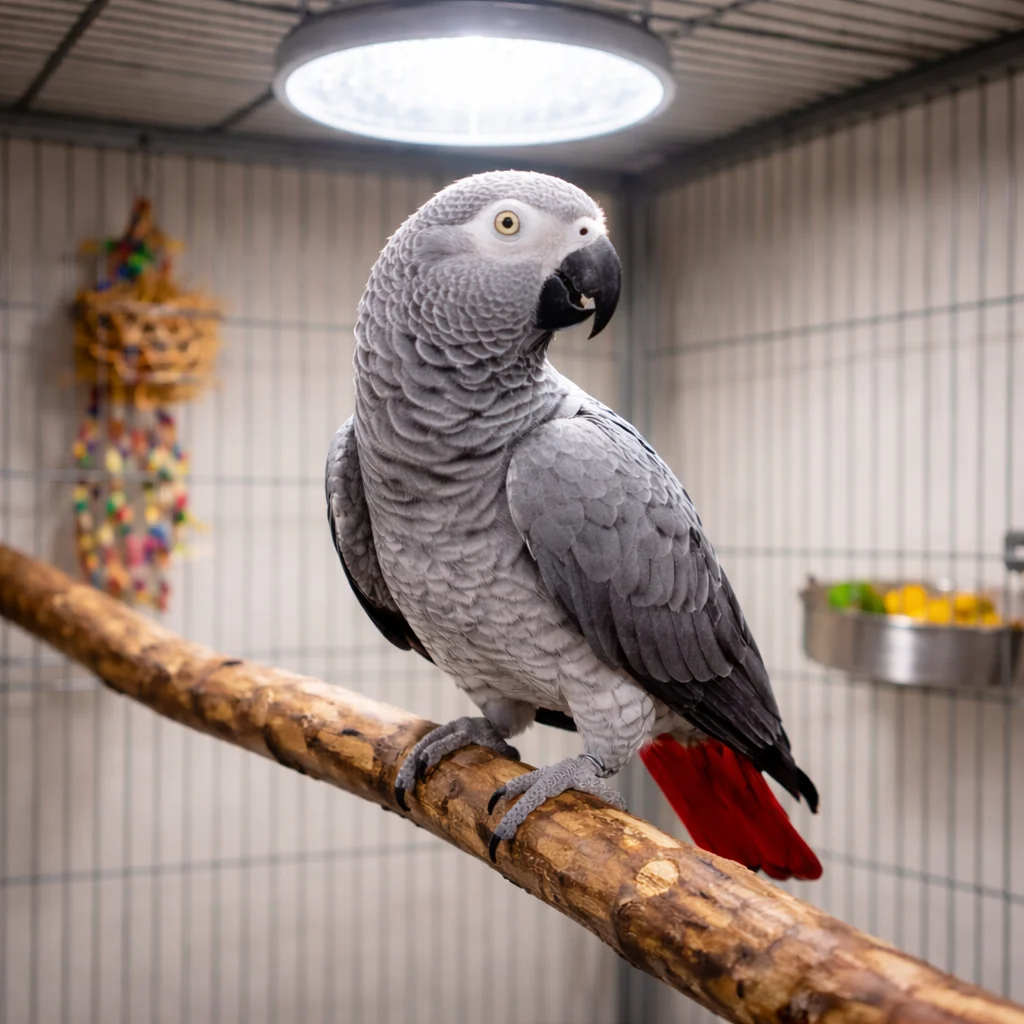
For many indoor avian companions, the arrival of winter often signals a period of reduced outdoor exposure, inadvertently initiating a cascade of physiological changes that can culminate in serious health issues, particularly concerning calcium metabolism. This guide is specifically tailored for bird owners observing subtle yet concerning shifts in their pet’s behavior and physical condition after prolonged periods indoors without direct sunlight or a specialized ultraviolet B (UVB) light source. Symptoms such as a weaker perch grip, increased feather shredding, dull plumage, decreased activity levels, or heightened irritability are not mere seasonal quirks but often critical indicators of an underlying calcium absorption problem requiring immediate attention. Conversely, birds that consistently receive full-spectrum lighting, maintain a verified balanced diet, and show no changes in strength, behavior, or feather quality likely require only routine seasonal maintenance, rather than corrective intervention for deficiency.
The Silent Threat of Winter: Unpacking Avian Vitamin D3 and Calcium Deficiency
The transition from the longer, sunnier days of summer to the shorter, often overcast days of winter presents a significant challenge for indoor birds. Unlike their wild counterparts, who naturally synthesize vitamin D3 through direct exposure to sunlight, captive birds often lack this essential stimulus. Glass windows, while providing warmth and light, effectively filter out the crucial UVB rays necessary for this vital physiological process. This deficiency in UVB exposure is the primary catalyst for a cascade of issues impacting calcium utilization.
The Critical Role of UVB Light
UVB radiation, a specific band of the electromagnetic spectrum, is indispensable for avian health. When a bird’s skin is exposed to UVB, a precursor molecule, 7-dehydrocholesterol, is converted into pre-vitamin D3, which then isomerizes into vitamin D3 (cholecalciferol). This process is identical to how humans and many other vertebrates produce vitamin D. Without adequate UVB exposure, this natural synthesis pathway is severely compromised or entirely shut down. Standard indoor incandescent or fluorescent lights do not emit sufficient UVB and are therefore inadequate for this purpose. Even full-spectrum lights that lack the specific UVB wavelength are insufficient. True full-spectrum lighting for birds must include a measurable and appropriate output of UVB to be effective. The intensity and duration of this exposure are critical, mimicking natural daylight cycles.
Calcium’s Multifaceted Role in Avian Health
Calcium is not merely a component of bones; it is a fundamental mineral involved in nearly every major bodily function. Its roles in avian physiology are extensive and critical:
- Skeletal Integrity: The most widely recognized role, calcium provides structural strength to bones.
- Neuromuscular Function: Essential for nerve impulse transmission and muscle contraction, including the vital contractions of the heart.
- Blood Clotting: A key cofactor in the complex process of blood coagulation.
- Enzyme Activity: Involved in numerous enzymatic reactions throughout the body.
- Hormone Regulation: Plays a role in the synthesis and release of certain hormones.
- Eggshell Formation: Critically important for female birds, as egg production demands massive amounts of calcium for shell development.
When a bird experiences chronic calcium deficiency, the body will prioritize essential functions, often at the expense of bone density. Calcium will be drawn from the bones to maintain critical nerve and muscle function, leading to a gradual weakening of the skeletal structure, known as metabolic bone disease (MBD).
The Interplay of D3, Calcium, and Magnesium
The relationship between vitamin D3, calcium, and magnesium is highly synergistic. Vitamin D3 acts as a hormone, regulating calcium and phosphorus levels in the blood. Its primary function is to facilitate the absorption of dietary calcium from the gastrointestinal tract into the bloodstream. Without sufficient D3, ingested calcium simply passes through the digestive system unabsorbed, regardless of how much is present in the diet. Magnesium, while often overlooked, is also crucial. It acts as a cofactor for many enzymes involved in calcium and vitamin D metabolism, and plays a direct role in nerve and muscle function. Imbalances in magnesium can exacerbate the effects of calcium deficiency, leading to heightened nervous system excitability and contributing to behavioral issues.
Early Warning Signs: A Comprehensive Diagnostic Guide for Avian Hypocalcemia
Recognizing the early signs of calcium and D3 deficiency is paramount for prompt intervention and preventing irreversible damage. These symptoms often progress subtly before becoming overtly alarming.
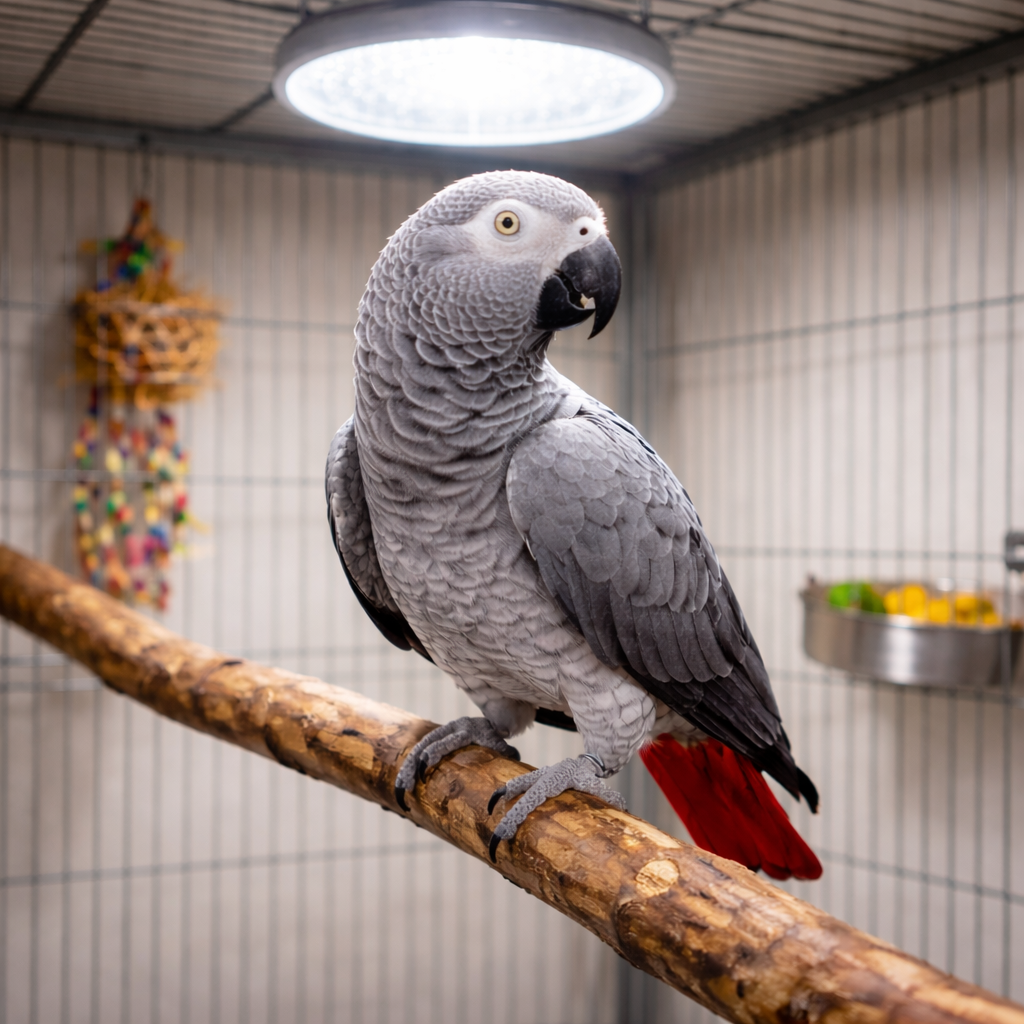
Neuromuscular Manifestations
One of the earliest and most telling signs is a decline in neuromuscular strength and coordination. This can manifest as:
- Weaker Perch Grip: The bird may struggle to hold firmly onto perches, leading to sliding, wobbling, or even falling. This is particularly noticeable when landing or shifting weight.
- Reduced Stability: A bird might appear less steady on its feet, exhibiting a slight tremor or an inability to maintain balance, especially on thinner perches.
- Reluctance to Fly: Flights may become shorter, less controlled, or the bird may avoid flying altogether due to muscle weakness and reduced stamina.
- Ataxia: In more advanced cases, a noticeable lack of coordination or staggering gait may be present.
Behavioral Changes
Calcium and magnesium imbalances directly affect the nervous system, leading to noticeable shifts in temperament and behavior:
- Increased Irritability and Reactivity: Birds may become more prone to biting, screaming, or exhibiting aggressive behavior. Their "fuse" may shorten significantly.
- Excessive Shredding: While shredding can be a normal bird activity, a sudden increase or obsessive shredding of toys, paper, or feathers can be a sign of stress, anxiety, or an attempt to self-soothe due to discomfort. It may also indicate a bird seeking to ingest minerals.
- Lethargy and Reduced Activity: A general decrease in energy levels, less play, more sleeping, and a lack of enthusiasm for usual activities are common.
- Changes in Vocalization: A previously vocal bird might become quieter, or conversely, exhibit unusual or distressed vocalizations.
Feather and Skeletal Health Indicators
The impact of deficiency extends to the integumentary system, affecting feather quality and molt:
- Dull Feathers: Feathers may lose their natural luster, appearing drab or faded, even after preening.
- Stress Bars: Horizontal lines or bands across the feathers, known as stress bars, indicate periods of nutritional deficiency or stress during feather growth.
- Slow or Abnormal Molt: The molting process may be prolonged, incomplete, or result in poorly formed new feathers.
- Brittle Feathers: Feathers may break easily or appear unusually fragile.
- Skeletal Deformities: In severe, chronic cases, especially in young, growing birds, bone deformities, splayed legs, or abnormal posture may develop.
Beyond Diet: Why Pellets and Cuttlebones May Not Be Enough
A common misconception among bird owners is that feeding a high-quality pellet diet supplemented with calcium sources like cuttlebone or mineral blocks is sufficient to prevent calcium deficiency. While these dietary components are essential, they are only one part of the equation. The critical missing link, especially for indoor birds during winter, is the ability to absorb the calcium provided.
As previously explained, without adequate UVB exposure, the bird cannot synthesize sufficient vitamin D3. This means that even if a bird consumes ample calcium through pellets, vegetables, or supplements, that calcium simply passes through the digestive tract and is excreted, unable to be utilized by the body. It becomes "usable" calcium only when vitamin D3 is present in sufficient quantities to facilitate its absorption from the gut into the bloodstream.
Therefore, merely increasing the amount of calcium in the diet—whether through more pellets, extra cuttlebone, or basic calcium powders—will not resolve a deficiency stemming from a lack of vitamin D3. In fact, providing excessive calcium without adequate D3 can potentially lead to other mineral imbalances or soft tissue calcification if synthetic D3 is supplemented without careful veterinary guidance. The problem is fundamentally a light problem that manifests as a calcium deficiency. Addressing the light source or providing appropriate D3 support is the foundational step to ensure bones remain strong and bodily functions stable.
Implementing the Winter Bone Reset: A Three-Pronged Approach to Avian Wellness
Correcting and preventing winter-induced calcium and D3 deficiencies requires a deliberate, multi-faceted strategy. This "Winter Bone Reset" focuses on addressing the root cause while supporting the bird’s recovery.
Step 1: Optimize UVB Lighting
This is the most natural and often safest way to ensure adequate vitamin D3 synthesis.

- Install Bird-Specific UVB Lamps: Not all "full-spectrum" lights are created equal. Invest in high-quality, bird-specific UVB lamps (e.g., compact coils or linear tube fluorescents) designed for avian use. These bulbs emit the specific wavelengths of UVB (typically between 290-320 nm) necessary for D3 production.
- Correct Placement and Distance: UVB output diminishes rapidly with distance. Position the lamp so that it is within the recommended range (usually 6-18 inches) of the bird’s favorite perching spots, without any glass or plastic barriers between the bulb and the bird. These barriers filter out essential UVB rays.
- Appropriate Photoperiod: Mimic natural daylight cycles by providing 10-12 hours of UVB exposure daily, using a timer for consistency.
- Regular Bulb Replacement: UVB bulbs lose their UVB output over time, even if they still appear to be working. Most manufacturers recommend replacing them every 6-12 months, regardless of whether they burn out. Mark the installation date on the bulb or fixture.
Step 2: Enhance Dietary D3 and Calcium (with Caution)
While UVB is ideal, sometimes dietary adjustments are also necessary, particularly in cases of established deficiency or for birds with specific needs.
- Safe Calcium Supplements: If a deficiency is suspected or confirmed, a veterinarian may recommend a calcium supplement. Liquid calcium (e.g., calcium gluconate) can be more readily absorbed than powdered forms. Calcium carbonate or citrate powders can be sprinkled on moist foods. Always consult an avian veterinarian before administering supplements.
- Vitamin D3 Supplements: These are highly potent and carry a significant risk of toxicity if overdosed. Vitamin D3 can accumulate in the body, leading to hypercalcemia and calcification of soft tissues (kidneys, arteries). Vitamin D3 supplementation should ONLY be done under the direct supervision and prescription of an avian veterinarian, who can determine the appropriate dosage and monitor blood levels.
- Dietary Sources: Ensure the bird’s daily diet includes calcium-rich foods like dark leafy greens (kale, collard greens, dandelion greens), broccoli, and fortified pellets. While not a standalone solution, they provide essential minerals.
Step 3: Regular Monitoring and Observation
Consistent vigilance is key to assessing the effectiveness of interventions and catching any worsening symptoms.
- Daily Behavioral Checks: Observe for changes in energy levels, vocalization, interaction, and overall demeanor.
- Weekly Physical Assessments: Pay close attention to perch grip, flight ability, feather quality, and any signs of weakness or incoordination.
- Weight Monitoring: Regular weight checks can help detect subtle declines in health.
- Journaling: Keep a simple journal to track symptoms, interventions, and improvements or declines.
Urgent Care: Recognizing Red Flags and When to Contact Your Avian Veterinarian
It is crucial to understand the progressive nature of calcium deficiency. Birds are masters at masking illness, a survival instinct in the wild. They will internally compensate for calcium depletion for weeks or even months by drawing calcium from their own bones to maintain critical functions like heart rhythm and muscle contraction. By the time visible symptoms manifest, the deficiency is often advanced, and bone strength may be dangerously compromised.
The Progression of Deficiency
- Early Stage: Subtle weakness, slight irritability, dull feathers.
- Moderate Stage: Noticeable weakness (slipping on perches), reduced activity, increased shredding, obvious behavioral changes.
- Advanced Stage: Inability to perch, falling, tremors, seizures, paralysis, severe lethargy. This stage constitutes an emergency.
Specific Red Flags Demanding Immediate Veterinary Attention:
- Falling from Perches or Inability to Perch: This indicates severe muscle weakness or neurological impairment.
- Tremors, Muscle Spasms, or Seizures: These are critical neurological signs of severe hypocalcemia.
- Partial or Complete Paralysis: Any loss of movement in limbs or wings is an emergency.
- Severe Lethargy and Anorexia: A bird that is extremely weak and refusing to eat requires urgent medical intervention.
- Egg-Binding or Soft-Shelled Eggs: For female birds, this is a clear sign of calcium metabolism issues and can be life-threatening.
- Fractures: Spontaneous fractures or fractures from minor trauma indicate extremely brittle bones due to severe demineralization.
Diagnostic Procedures at the Vet
Upon presenting with these symptoms, an avian veterinarian will typically perform:
- Comprehensive Physical Exam: To assess overall condition, muscle tone, and neurological responses.
- Blood Tests: To measure ionized calcium (the biologically active form), total calcium, phosphorus, and sometimes vitamin D3 levels.
- Radiographs (X-rays): To evaluate bone density and check for signs of metabolic bone disease or fractures.
- Treatment: Depending on the severity, treatment may include injectable calcium (often intravenous or intraosseous in emergencies), fluid therapy, and carefully managed oral calcium and D3 supplementation. Hospitalization is often required for severe cases.
Long-Term Avian Health: A Holistic Approach to Preventing Winter-Related Deficiencies
Preventing winter-related calcium and D3 deficiencies is not just about avoiding crisis; it’s about fostering long-term health and well-being for your avian companion. A holistic approach considers all aspects of care.
The Impact on Overall Wellness
Chronic calcium and D3 deficiencies extend beyond physical symptoms. They can lead to:
- Weakened Immune System: Chronic stress and poor nutrition compromise the immune response, making birds more susceptible to infections.
- Psychological Distress: The physical discomfort and inability to perform natural behaviors (like flying or perching securely) can lead to chronic stress, anxiety, and behavioral problems.
- Reduced Lifespan: Untreated deficiencies can lead to progressive organ damage, skeletal deformities, and ultimately, a shortened lifespan.
Year-Round Best Practices
- Consistent UVB Exposure: Make appropriate UVB lighting a permanent fixture in your bird’s environment, year-round. If safe and weather permits, supervised outdoor time in an escape-proof cage (without glass or plastic filtering the sun) is also highly beneficial.
- Varied and Balanced Diet: Provide a high-quality pelleted diet as a base, supplemented with a wide array of fresh vegetables (especially dark leafy greens), some fruits, and occasional healthy grains or seeds. Avoid seed-only diets, which are notoriously poor in calcium.
- Regular Veterinary Check-ups: Annual or bi-annual wellness exams are crucial, especially for older birds, breeding birds, or those with pre-existing health conditions. These check-ups allow veterinarians to identify subtle issues before they become severe.
- Owner Education: Continuously educate yourself on the specific nutritional and environmental needs of your bird species. Understanding the nuances of avian physiology empowers you to provide optimal care.
The well-being of our indoor avian companions hinges significantly on our understanding and ability to replicate their natural environmental requirements. The winter months, with their inherent reduction in natural sunlight, present a unique challenge that, if ignored, can lead to debilitating and potentially fatal calcium and vitamin D3 deficiencies. By proactively implementing appropriate UVB lighting, ensuring a balanced diet, carefully monitoring for symptoms, and knowing when to seek professional veterinary help, bird owners can safeguard their cherished pets against these silent threats, ensuring they thrive year-round.
Other Helpful Resources
- Do Birds Need UVB Light Indoors?
- Signs of Low Calcium in Parrots
References
- Stanford, Mark. "Avian Metabolic Bone Disease." Veterinary Clinics of North America: Exotic Animal Practice, vol. 9, no. 3, 2006, pp. 467-474.
- Rosskopf, Walter J., and Richard W. Woerpel. Diseases of Cage and Aviary Birds. 3rd ed., Williams & Wilkins, 1996.
- Light, T., and J. Light. "Photobiology and Reptile Lighting." Reptiles Magazine, 2006. (Though focused on reptiles, principles of UVB and D3 synthesis are analogous).
- Frank, C. "Calcium Metabolism in Birds." The Veterinary Record, vol. 154, no. 15, 2004, pp. 453-458.
Meet Diane Burroughs, LCSW – licensed psychotherapist and avian wellness educator. With decades of behavior and nutrition experience, she helps bird owners understand what their birds’ bodies are actually doing – and what to do next.

