


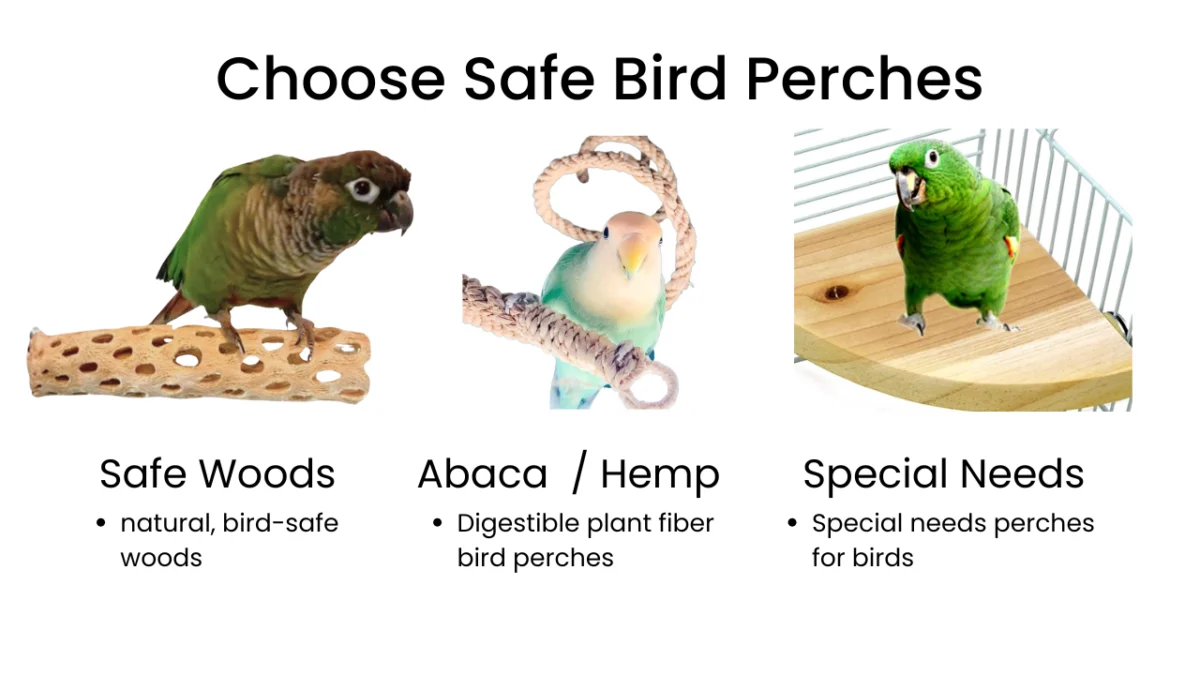
Every bird perch a parrot steps on matters profoundly, serving as the primary interface between a captive bird and its environment for nearly every waking moment, underscoring that comfort and physiological support are not optional but essential. Much like the stark difference in human comfort between cheap, ill-fitting footwear and ergonomically designed sneakers that cradle the feet, a well-chosen bird perch can transform a parrot’s daily existence, promoting effortless movement, strong grip, and agile foot health day after day. This comprehensive guide delves into the insights and practices championed by seasoned bird owners and avian experts, revealing the safest wood types, appropriate diameters, and strategic placement techniques that elevate a bird’s enclosure from a mere cage to a stimulating, health-promoting habitat. Understanding the common pitfalls and mastering the correct approach to perch selection is critical for preventing widespread avian foot ailments and ensuring a parrot’s optimal quality of life.
The Foundational Importance of Proper Perching
A perch transcends its basic function as a resting spot; it is a critical component of a bird’s preventative healthcare and mental enrichment. In the wild, parrots traverse diverse arboreal landscapes, encountering branches of varying textures, diameters, and angles. This natural variation continuously exercises different foot muscles, promotes healthy circulation, and naturally wears down nails and beak tips. In captivity, without this natural diversity, birds are susceptible to a range of foot-related issues. The correct perch configuration actively prevents pressure sores, a common affliction known as bumblefoot (pododermatitis), and encourages the strengthening of tendons and ligaments in the feet and legs. Furthermore, varied perching opportunities provide crucial mental stimulation, encouraging climbing, balancing, and exploring, all vital for a bird’s psychological well-being, whether it’s a majestic macaw or a petite cockatiel.
The historical trajectory of avian husbandry often overlooked the nuanced needs of captive birds, leading to widespread reliance on simplistic, often inappropriate dowel perches. These uniform perches, typically made of soft pine or hardwood, fail to mimic the anatomical challenges and benefits of natural branches. This oversight contributed significantly to the prevalence of pododermatitis, arthritis, and general foot discomfort in captive parrots. Modern avian science, however, emphasizes environmental enrichment as a cornerstone of responsible pet ownership, with perch selection emerging as a paramount factor. Research, including studies published in journals like the Journal of Avian Medicine and Surgery, consistently highlights the physiological and psychological advantages of a varied perching environment. As understanding has grown, the standard for avian care has shifted dramatically, advocating for dynamic, multi-textured, and strategically placed perches that support natural behaviors and prevent common ailments. This evolution in thought reflects a broader commitment to enhancing the welfare of companion birds.
Perch Materials: Navigating Safety and Stimulation
The material composition of a perch is arguably its most critical attribute. Owners must rigorously avoid perches that are treated, painted, or coated with resins, as these can contain chemicals toxic to birds if ingested through chewing or preening. The cardinal rule is to use only bird-safe materials, prioritizing natural elements that offer varying textures and densities.
Safe and Recommended Materials:
- Natural Hardwoods: Species such as Manzanita, Java Wood, Dragonwood, and Grapevine are highly favored. These woods are naturally hard, durable, and offer irregular shapes and textures that are ideal for foot exercise and grip variation. They are also generally non-toxic and withstand significant chewing, which is a natural parrot behavior. Other safe options include branches from fruit trees like apple, pear, or citrus (ensure they are pesticide-free and properly prepared). Oak, while hard, should be used with caution, as its leaves and acorns are toxic, and the wood itself should be thoroughly dried and debarked.
- Abaca and Hemp Rope: These natural fiber ropes provide excellent climbing and gripping opportunities. Unlike cotton, abaca (derived from banana plants) and hemp fibers are stronger, less prone to fraying into ingestible strands, and generally safer if small pieces are consumed. They offer a softer, flexible surface that can be beneficial for birds with sensitive feet or those recovering from foot injuries.
- Stainless Steel: While not offering texture, high-quality stainless steel perches are exceptionally durable, easy to sanitize, and completely non-toxic. They are often used as feeding station perches or in areas requiring maximum hygiene, though they should always be complemented by textured perches to prevent foot issues from prolonged use on a smooth surface.
- Natural Mineral/Calcium Perches: Designed to offer a rough surface for nail conditioning and provide supplemental calcium. These should be used sparingly and strategically, as their abrasive nature can contribute to foot sores if a bird spends too much time on them. They are best as secondary or "trimming" perches, not primary resting spots.
- Acrylic: Easy to clean and durable, acrylic perches come in various shapes and sizes. Like stainless steel, they lack natural texture, so they should be part of a diverse setup and not the sole perching option.
Materials to Avoid and Why:

- Treated, Painted, or Resin-Coated Wood: The chemicals used in these treatments are often highly toxic to birds and can leach out, particularly when chewed.
- Concrete or Cement Perches: While sometimes marketed for nail trimming, these materials are excessively hard, cold, and unyielding. Prolonged use can lead to severe pressure sores, calluses, and discomfort, contributing directly to pododermatitis. Their abrasive nature, if overused, can also cause painful micro-abrasions on the footpads.
- Soft Pine or Dowel Rods: These uniform, smooth perches offer no variation in diameter or texture, leading to repetitive strain, muscle atrophy, and an increased risk of pressure sores. They also wear down quickly with chewing.
- Cotton Rope Perches: Despite their common use, cotton rope poses significant health hazards. It frays easily, and ingested cotton strands can accumulate in a bird’s crop, forming indigestible wads that lead to impaction, infection, and often require surgical removal. Furthermore, the loose fibers can entangle toes, leading to injury or even strangulation.
- Untested or Poorly Sourced Branches: Branches collected from unknown environments may harbor pesticides, herbicides, fungi, bacteria, or parasites. Unless an owner is absolutely certain of the source’s safety and has thoroughly cleaned and sterilized the branch, it poses a considerable health risk.
Optimal Perch Size, Shape, and Strategic Placement
The physical attributes and placement of perches are as crucial as their material. A truly enriching environment necessitates variety in all three aspects.
Choosing the Right Size and Shape:
- Diameter: The ideal perch diameter allows a bird to comfortably wrap its toes around it, with the front and back toes meeting or slightly overlapping, and each toe joint bent slightly. The bird’s toes should not be flat or stretched wide open. For instance, a small bird like a cockatiel might need a perch 0.5 to 1 inch in diameter, while a large macaw could require 1.5 to 3 inches or more. Crucially, perches should not be of uniform diameter. Irregular, natural branches are superior to dowel-style perches because they force the bird to adjust its grip, exercising different foot muscles and preventing repetitive pressure points.
- Texture: Incorporate perches with varied textures – smooth, rough, knobby, and bark-covered. This range provides natural exfoliation for footpads, helps maintain nail length, and stimulates sensory receptors in the feet.
- Shape: Beyond irregular diameters, consider perches that offer different shapes, such as flat platforms for resting, angled branches for climbing, and even suspended swings or boings for dynamic play and balance challenges.
Strategic Placement for Maximum Benefit:
- Cage Zoning: Think of the cage as a multi-room apartment. Designate different zones for specific activities:
- Sleeping Perch: A comfortable, slightly softer perch (like a sturdy abaca rope or a smooth natural branch) placed high in the cage, away from drafts and potential droppings from above.
- Feeding Perch: A sturdy, easily cleanable perch located near food and water dishes.
- Play/Activity Perches: Varied perches at different heights and angles throughout the cage encourage climbing, exploration, and stretching. Place some near toys to facilitate interaction.
- Window Perch: If safe, a perch near a window (with supervision and protection from direct sunlight/drafts) can provide mental stimulation through observation of the outside world.
- Encouraging Movement: Avoid placing all perches at the same height or too close together. Spacing them strategically, vertically and horizontally, compels the bird to climb, stretch, and even make short flights within the enclosure, promoting physical fitness and preventing obesity.
- Dropping Zones: Position perches so that droppings do not contaminate food, water, or other perches below. This minimizes bacterial growth and simplifies cleaning.
- Visibility: Ensure perches provide good vantage points for the bird to observe its surroundings, which enhances its sense of security and engagement.
Regular rotation of perch types and positions within the cage is also highly recommended. This keeps the environment novel and stimulating, encouraging continuous movement and exploration, much like a wild bird would experience as it moves through its natural habitat.
Safety and Cleaning Protocols: Essential for Avian Health
Maintaining a pristine and safe perching environment is paramount to a bird’s health. Neglecting perch hygiene can lead to bacterial and fungal infections, while insecure perches pose a direct risk of injury.
Cleaning Frequency and Methods:
- Daily Spot Cleaning: Visibly soiled areas, especially under sleeping perches or near food dishes, should be cleaned daily. Birds frequently clean their beaks on perches and, unfortunately, often defecate on them, making them prime breeding grounds for pathogens.
- Weekly Deep Cleaning: All perches should undergo a thorough weekly cleaning.
- Natural Wood Perches: Scrape off dried droppings and debris. Scrub with a stiff brush using bird-safe disinfectant (e.g., dilute bleach solution followed by thorough rinsing, or a veterinary-grade avian disinfectant). Allow them to air dry completely in sunlight if possible, as UV light has sanitizing properties. Ensure no chemical residue remains before returning to the cage. For heavily soiled or porous natural branches, baking at a low temperature (e.g., 250°F for 30-45 minutes) after cleaning and drying can help sterilize, but monitor closely to prevent burning.
- Abaca/Hemp Rope Perches: These are harder to sterilize. Spot clean daily. For deep cleaning, they can be hand-washed with mild, bird-safe soap and thoroughly rinsed, then air-dried completely. However, due to their porous nature and tendency to fray, they should be replaced more frequently than hard perches, typically every 3-6 months, or sooner if they become heavily soiled or show significant wear.
- Acrylic/Stainless Steel Perches: These non-porous materials are the easiest to clean. Wash with hot, soapy water or a bird-safe disinfectant, rinse thoroughly, and wipe dry.
Securing Perches for Stability:

Ensuring every perch is firmly anchored is non-negotiable for a bird’s safety and confidence. A wobbly or unstable perch can lead to falls, causing physical injury or psychological stress. Before introducing a bird to a newly configured cage, always manually test each perch for stability. Exposed or unsafe metal hardware (e.g., rusty bolts, sharp edges, lead-containing components) can also pose a serious risk if a bird pecks or licks it. Utilize stainless steel hardware whenever possible.
DIY Branches vs. Commercial Perches:
- DIY Branches: Sourcing branches from outdoors can provide wonderful, natural variety and cost savings. However, this comes with stringent safety caveats. Only use wood from known non-toxic species (e.g., fruit trees like apple or pear, willow, maple, birch – always verify species safety). Critically, ensure the source is entirely free from pesticides, herbicides, and pollutants. Branches should be thoroughly scrubbed with a stiff brush, soaked in a dilute bleach solution (1 part bleach to 10 parts water) for 30 minutes, rinsed meticulously for an extended period, and then allowed to dry completely. Many experts also recommend baking clean, dry branches at 250°F for 30-45 minutes to kill any lingering pathogens or insects. Inspect branches carefully for mold, insect infestation, or sharp protrusions before use.
- Commercial Perches: Reputable bird supply stores offer a range of commercial perches that often guarantee safety, consistent diameters (within natural variations for natural perches), and durability. These are a reliable choice for owners who cannot confidently source and prepare wild branches. Look for brands that specify bird-safe materials and non-toxic processing.
Modern Research and Evolving Perch Choices
Contemporary avian research continues to refine our understanding of parrot biomechanics and welfare. Studies increasingly demonstrate that birds actively adjust their grip based on the surface they are perching on. Perches offering varied textures, diameters, and even angles allow for natural foot mechanics, promote optimal muscle development, and contribute significantly to mental stimulation. This scientific backing reinforces the long-held expert advice to provide a diverse perching environment. The goal is to replicate, as much as possible, the rich and complex arboreal environment of a bird’s natural habitat, rather than the static and simplistic setups that were once common. This approach is not merely about comfort; it is about providing a foundation for a bird’s physical and psychological resilience.
The Broader Impact: Avian Welfare and Preventative Care
The thoughtful selection and maintenance of bird perches are integral to the broader concept of avian welfare and preventative veterinary care. Pododermatitis, or bumblefoot, is a painful and debilitating condition that can range from mild inflammation to severe infection requiring extensive veterinary intervention, including surgery and long-term medication. By implementing a comprehensive perching strategy, owners can significantly reduce the incidence of such ailments, thereby minimizing veterinary costs and, more importantly, preventing unnecessary suffering for their beloved companions.
Leading avian veterinarians, such as those affiliated with the Association of Avian Veterinarians (AAV), consistently emphasize the critical role of environmental enrichment, with perches being a primary component. The expertise of professionals like Diane Burroughs, LCSW, who has dedicated over 30 years to helping bird lovers, underscores the deep connection between a bird’s physical environment and its overall well-being. Her work, often featured in respected publications like the Journal of Avian Medicine and Surgery and at conferences like ExoticsCon, highlights how appropriate husbandry, including perch management, can build stronger bonds between birds and their owners and enable parrots to thrive. This preventative approach to care aligns with the highest standards of modern aviculture, advocating for proactive measures that foster health, happiness, and longevity in captive birds.
Conclusion
The seemingly simple act of choosing a bird perch is, in reality, a complex decision with profound implications for a parrot’s health, comfort, and psychological well-being. By embracing variety in materials, diameters, and textures, and by employing strategic placement within the enclosure, owners can create an environment that actively promotes foot health, prevents common ailments, and offers vital mental stimulation. Regular cleaning and diligent safety checks are non-negotiable components of this comprehensive approach. A perch is not merely a place to rest; it is an indispensable tool for holistic avian wellness, reflecting a commitment to superior bird care that goes beyond basic sustenance. Owners are encouraged to continually assess their bird’s environment, observe their interactions with perches, and consult with avian veterinarians or behaviorists to ensure their feathered companions are living their happiest, healthiest lives. Sharing experiences and insights within the bird-owning community further enriches this collective understanding, fostering a culture of informed and compassionate avian husbandry.

