


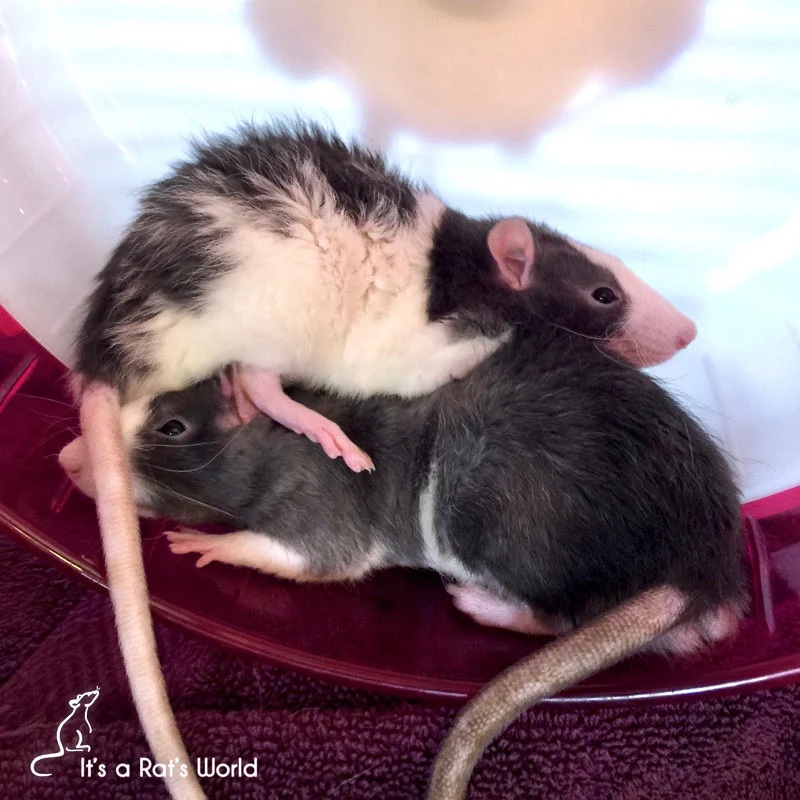
The perception of exercise has evolved significantly over the decades. Once primarily associated with aesthetics, the understanding of physical activity’s profound impact on both physical and mental health has become widely accepted. This principle extends beyond humans to our companion animals, including pet rats. Ensuring adequate exercise for rats is crucial for their overall well-being, preventing health issues, and fostering a vibrant, engaged life. This article delves into the multifaceted benefits of exercise for rats, explores practical methods for incorporating physical activity into their daily routines, and addresses common misconceptions surrounding their weight and activity levels.
The Critical Role of Physical Activity in Rat Health
Regular physical activity is fundamental for maintaining the proper functioning of a rat’s body and bolstering its immune system to combat disease. A sedentary lifestyle can lead to a cascade of health problems, with obesity being a primary concern. Excess body weight places undue stress on a rat’s joints and muscles, significantly increasing the risk of developing serious conditions such as hind leg degeneration, cardiovascular issues, diabetes, and lipomas (fatty tumors).
Studies on rodent physiology consistently highlight the link between physical activity and metabolic health. For instance, research published in journals like "Comparative Medicine" has shown that regular exercise in rodents can improve insulin sensitivity and lipid profiles, mirroring benefits observed in humans. This underscores the importance of proactive measures to prevent weight gain in pet rats, not just for aesthetic reasons, but as a critical component of preventative healthcare.
When a rat begins to show signs of weight gain, it is an opportune moment for owners to reassess their pet’s dietary intake and daily exercise regimen. To assist owners in assessing their rat’s body condition, resources like the article "Is My Rat Fat?" provide guidance on identifying overweight conditions and understanding the contributing factors, including diet and eating habits.

However, the benefits of exercise for rats extend far beyond weight management. Mental health is equally, if not more, important. A lack of physical stimulation can lead to boredom, depression, and a range of behavioral problems. This is particularly relevant for rats, as they spend a significant portion of their lives within the confines of a cage. Providing opportunities for movement and exploration combats these issues, promoting a happier and more balanced emotional state.
It is important to note that this discussion focuses on healthy rats without mobility restrictions. Rats suffering from hind leg degeneration, illness, or injury require specialized care. Owners in such situations should consult with a veterinarian to develop appropriate exercise plans tailored to their rat’s specific needs and limitations.
Facilitating Activity: No Gyms Required for Rats
Unlike their wild counterparts who naturally engage in extensive foraging and exploration, domesticated rats often lead more sedentary lives. This necessitates proactive intervention from their owners to facilitate regular physical activity. The notion of a rat needing a miniature gym or a treadmill is, thankfully, unnecessary. While the visual of a rat in 1980s aerobic gear might be amusing, their exercise needs are far simpler and more innate.
Rats do not possess the same thermoregulatory mechanisms as humans, meaning they do not sweat to cool down. Their physical activity is driven by natural instincts and environmental enrichment. The core requirement is to provide daily opportunities and motivation for them to move their bodies and engage with their surroundings, rather than remaining passively in their hammocks or sleeping areas.
This can be achieved through a variety of engaging activities, including dedicated exploration time, interactive play with toys, engaging with puzzle feeders, setting up simple agility courses, and even employing clever "tricks" that encourage movement. The key is to tap into their natural curiosity and problem-solving abilities.
Enriching the Cage Environment for In-Cage Activity
To combat the tendency for rats to become overly sedentary, especially as they age, their cage environment must offer more than just basic amenities like beds and simple accessories. While multilevel cage designs provide a good foundation, they are insufficient on their own to encourage consistent activity. Owners must strategically introduce items that promote movement and engagement.
Exercise Wheels: A Potential Boon for Rat Fitness
Exercise wheels can be a valuable addition to a rat’s environment, though their effectiveness can vary. Some rats readily embrace running on a wheel, viewing it as an enjoyable activity. Others, however, may repurpose it as a sleeping space. Despite this variability, introducing a wheel is often worthwhile, provided it is safe and appropriately sized. Reputable brands like the Wodent Wheel and Silent Spinner are often recommended, with new models continuously emerging.
When selecting an exercise wheel, ensure it is large enough for adult rats (typically an extra-large size). The wheel should be constructed from solid material, free from bars or gaps that could trap a rat’s tail or feet. Furthermore, it must be securely fastened to the cage side or have a stable stand, with no space between the wheel and the cage bars that could lead to a rat’s head or other body parts becoming entrapped. Introducing a wheel when rats are young increases the likelihood they will adopt it for exercise, as older rats, particularly males, can become resistant and relegate it to a resting spot.
Interactive Cage Decor: Sparking Engagement
Many owners effectively utilize interactive items within their rats’ cages to keep them occupied and active. This often involves a combination of pet-specific enrichment products and everyday objects that can be creatively repurposed into climbing structures, bridges, tunnels, and dig boxes.
For example, a wooden bird perch can be adapted as a holder for toilet paper rolls, allowing rats to engage in "redecorating" by shredding and distributing the paper. Modifying ramps and introducing elements that require more effort to navigate can also encourage increased movement. These modifications are particularly beneficial for younger, mobile rats, while senior rats with mobility issues will require different approaches.

Beyond the Cage: Out-of-Habitat Exploration and Play
A change of environment is often the most potent motivator for stimulating rat activity. Their innate desire to explore, investigate, and interact with novel objects and spaces provides a powerful impetus for staying engaged and physically active.
Free-Ranging: The Ultimate Adventure
The opportunity to roam freely outside their cage is a highly anticipated event for most rats, even those with a more laid-back disposition. This does not necessitate granting them unrestricted access to the entire home. Instead, owners can designate specific times for supervised free-ranging within a rat-proofed room. During these sessions, it is essential to provide a variety of items that encourage continuous activity.
A common practice involves utilizing a bathroom as a free-ranging space, equipped with igloos, tubes, cardboard boxes, and other items that offer opportunities for climbing and exploration. Owners can also actively participate, serving as a "human jungle gym" for their rats.
One particularly engaging activity observed is what has been termed "TPing the bathroom." This occurs when rats, driven by curiosity, ascend a free-standing toilet paper holder and then slide down with the dangling paper, leading to a flurry of activity as they shred and redistribute it throughout the room. Such activities not only provide significant physical exercise but also foster problem-solving skills and cooperative behavior. Allowing rats this form of unsupervised engagement, within safe boundaries, can be a highly beneficial form of enrichment. For owners interested in safe free-ranging practices, comprehensive guides are available.
Playpens and Designated Play Areas: Controlled Environments for Fun
A designated play area for rats serves a similar purpose to recess in a schoolyard, offering a safe, contained space where they can expend energy. These can be commercially available playpens or custom-built structures. While store-bought floor playpens can be effective, rats are often adept at finding ways to escape.

To maximize the exercise potential of a play area, it should be equipped with stimulating items. Puzzle toys and dig boxes are excellent choices, as they not only encourage physical movement but also provide crucial mental stimulation. Items that facilitate climbing or provide in-and-out opportunities, such as igloos, tubes, or a floor-standing wheel, are also highly recommended. Creativity is key, and everyday items or inexpensive dollar store finds can be repurposed into engaging play structures. For instance, a small desktop trash can filled with various paper and cardboard scraps can provide hours of entertainment as rats empty and relocate the contents.
To maintain rats’ interest in the provided enrichment items, it is advisable to offer a variety of options and rotate them regularly, perhaps on a weekly or bi-weekly basis. This prevents monotony and keeps the environment novel and engaging.
For owners considering building a custom play area, the structure itself can be designed to function as a "rat gym." A husband-and-wife team, for example, constructed an extension to their rat cage using two long, shallow storage containers connected by plastic piping. Thinner pipes served as balance beams, while larger internal pipes acted as tunnels between the containers, creating a dynamic and challenging play space.
The Power of Toys and Agility Courses
Interactive play with rats using safe, pet-appropriate toys can significantly boost their activity levels. Rolling cat toys, for instance, can be chased, while wand-style toys with feathers can engage their predatory instincts. Most rats exhibit a strong fascination with feathers.
For owners seeking a more ambitious approach, setting up an agility course can provide an exceptional opportunity for both exercise and mental stimulation. Online resources offer numerous examples of rat agility courses, and observing accomplished rat handlers, such as those found on platforms like Instagram and YouTube under the moniker "Shadow the Rat," can provide inspiration. These courses not only promote rigorous physical activity but also serve as a platform for teaching rats various tricks and commands, further enhancing their cognitive development.
Tricking Them with Treats: Food-Motivated Exercise
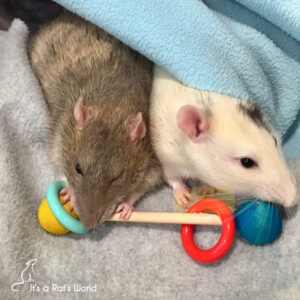
As rats age, their activity levels naturally decline. Male rats, in particular, can become notably more sedentary, especially after neutering. While this relaxed demeanor can be endearing, it also presents a challenge for maintaining their physical health. The key to keeping these "hammock addicts" active often lies in using food as a motivator.
Making Them Work for Their Meals
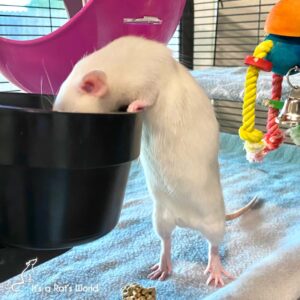
Rats can be encouraged to exercise by making them work for their food. This can be achieved through specialized food crocks, foraging wheels, or treat dispensers that require more effort to access their sustenance. If a food dish is placed directly on the cage floor, a rat may simply sit beside it and eat until satisfied. However, if the food dish is elevated a few inches from the floor, the rat must stand and stretch to reach each bite. Similarly, foraging wheels and dispensers necessitate more time and physical exertion to extract food.
The Joy of "Pea Fishing"
A simple yet highly effective activity is "pea fishing." This requires a heavy, non-tippable food container, water, and frozen peas. Rats exhibit an almost universal enthusiasm for "fishing" for peas, often becoming quite animated in their pursuit. When multiple rats are engaged in this activity, the competitive element further increases their physical exertion as they vie for the peas, burning calories in the process.
Individual Differences: Understanding Rat Physiology
It is a common misconception that an overweight rat is necessarily receiving inadequate exercise. Personal experience often reveals otherwise; some of the author’s plumpest rats were consistently allowed free-range throughout the house for most of the day, yet still maintained a considerable girth. This was not attributed to overfeeding, suggesting that genetics can play a significant role in a rat’s weight and metabolism.
If a rat exhibits significant weight issues, it is highly recommended to consult with a veterinarian. They can help determine whether the weight gain is due to an underlying health condition, dietary imbalance, or if a more structured exercise plan is required.
In our increasingly busy lives, meeting our rats’ daily exercise needs can be challenging. However, by incorporating a variety of engaging activities and environmental enrichments, owners can significantly contribute to their rats’ physical health, mental well-being, and overall quality of life. A multifaceted approach, combining in-cage stimulation with out-of-cage exploration and strategically utilizing food motivation, is key to ensuring a happy, healthy, and active life for these intelligent and social creatures.

