


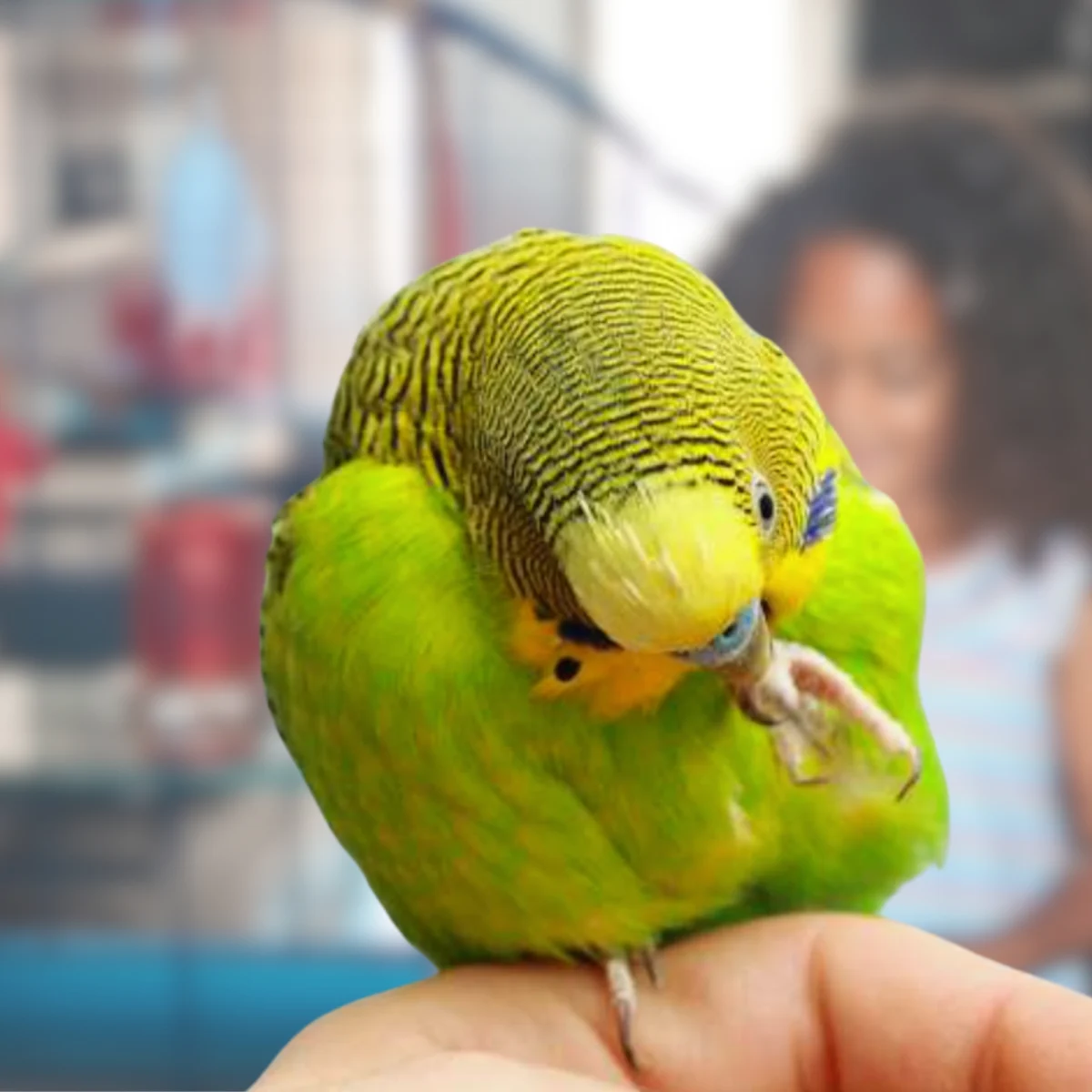
The sight of a pet bird relentlessly biting or chewing its own feet is one of the most alarming indicators of severe distress an avian owner can witness, signaling that a fundamental issue is profoundly affecting the animal’s well-being. Unlike the more commonly observed feather plucking, which can stem from a variety of chronic or acute stressors, self-mutilation of the feet often escalates rapidly, posing an immediate threat of significant injury, infection, and chronic pain. This behavior is considered an urgent behavioral emergency in avian medicine, demanding prompt and informed intervention to prevent irreversible damage and alleviate suffering.
The Gravity of Avian Foot Mutilation
Birds, by their very nature as prey animals, are masters at concealing signs of pain or illness. This evolutionary adaptation, designed to avoid appearing vulnerable to predators, means that by the time a bird exhibits overt symptoms such as self-mutilating foot chewing, the underlying problem is often severe and requires immediate attention. The feet are crucial for a bird’s daily functions, including perching, climbing, foraging, and maintaining balance. Even a minor injury can quickly become exacerbated by constant pressure, dirt, and the bird’s own destructive behavior, leading to a cascade of painful complications.
While specific epidemiological data on the exact prevalence of foot chewing versus feather plucking across all avian species is not extensively documented, avian experts consistently identify foot chewing as a far less common but significantly more critical presentation of self-harm. Behavioral studies and clinical observations suggest that when it does occur, it is a stark "red flag" that necessitates a comprehensive investigation into potential physiological, psychological, or environmental stressors. The urgency associated with this behavior stems from its potential to swiftly transition from superficial irritation to deep tissue wounds, secondary bacterial or fungal infections, and, in severe cases, the necessity of amputation or even euthanasia due to intractable pain and declining quality of life.
Underlying Causes: A Complex Diagnostic Puzzle
Identifying the root cause of foot chewing is akin to solving a complex detective case, often requiring a multi-faceted approach involving veterinary diagnostics, behavioral observation, and environmental assessment. Avian experts, including those specializing in behavioral science like Diane Burroughs, LCSW, emphasize that birds rarely engage in such destructive behavior without a significant underlying reason. The primary categories of causation typically fall into pain, stress, or illness.
-
Pain-Related Issues:
- Physical Injury: Splinters, cuts, punctures, or burns to the foot can initiate chewing as a response to acute pain or discomfort. These injuries may be subtle and easily overlooked.
- Pododermatitis (Bumblefoot): This common inflammatory condition of the footpad, often seen in captive birds, can range from mild redness to severe ulceration and infection. It is frequently caused by improper perching surfaces (too smooth, rough, or unvaried), poor hygiene, obesity, or vitamin A deficiency. The pain and irritation from bumblefoot can be a significant driver for chewing.
- Arthritis or Joint Pain: Older birds or those with nutritional deficiencies may develop arthritis, causing chronic pain in their joints, including those in their feet.
- Neurological Conditions: Nerve damage or neurological disorders can lead to abnormal sensations (paresthesia) or pain, prompting the bird to chew its feet in an attempt to alleviate the discomfort.
- Systemic Illness: Certain systemic diseases can manifest with pain or discomfort in the extremities, including the feet, leading to self-mutilation.
-
Stress and Psychological Factors:
- Environmental Stressors: Loud noises, sudden changes in routine, new pets, household conflict, or an unstable environment can induce severe anxiety in sensitive avian species.
- Boredom and Lack of Enrichment: Highly intelligent birds, especially parrots, require significant mental and physical stimulation. A barren cage, lack of appropriate toys, or insufficient social interaction can lead to profound boredom and frustration, which may manifest as self-harm.
- Social Isolation or Inappropriate Socialization: Birds are social creatures. Lack of interaction with their human flock or other compatible birds, or conversely, being housed with an aggressive cage mate, can cause immense psychological stress.
- Changes in Light Cycles or Sleep Deprivation: Birds require consistent, adequate sleep. Disrupted sleep patterns due to artificial light or noise can lead to chronic stress and behavioral abnormalities.
- Species Predisposition: Certain species, such as Cockatoos, African Greys, and Eclectus parrots, are anecdotally and clinically known to be more prone to self-mutilatory behaviors, including foot chewing, due to their high intelligence, complex emotional needs, and sensitivity to environmental factors.
-
Illness and Nutritional Deficiencies:
- Fungal or Bacterial Infections: Localized infections on the feet, or systemic infections that affect the extremities, can cause intense itching, pain, or discomfort.
- Nutritional Deficiencies: Deficiencies, particularly of B vitamins or vitamin A, can impact skin and nerve health, potentially contributing to foot problems and abnormal sensations.
- Allergies: While less common, some birds may develop environmental or food allergies that manifest as skin irritation, leading to itching and chewing.
- Heavy Metal Toxicity: Exposure to heavy metals (e.g., lead, zinc) can cause neurological symptoms and pain, which might include discomfort in the feet.
Immediate Response: A Chronology of Critical Care
When a bird is observed chewing its feet, immediate action is paramount. The initial steps focus on stabilizing the bird, providing first aid, and preparing for professional veterinary consultation.
Phase 1: Emergency First Aid and Stabilization
The primary goal is to stop the immediate self-harm and manage any active bleeding.
- Gentle Restraint and Inspection: Carefully and calmly approach the bird. Wrap it gently but securely in a soft towel to prevent further injury during examination. This also helps to calm the bird by providing a sense of security and limiting visual stimuli. With gentle handling, thoroughly inspect both feet, comparing the affected foot to the unaffected one if possible. Look for any visible injuries: cuts, punctures, swelling, redness, missing nails, or scabby areas.
- Bleeding Control: If there is active bleeding, apply direct pressure with a clean gauze pad. Cornstarch or styptic powder can be applied to the bleeding site to help coagulate the blood. These agents are generally safe for avian use, but care should be taken to apply only to the wound and not allow the bird to ingest large quantities.
- Initial Cleaning: Once bleeding is controlled, gently rinse the affected foot with warm, filtered water or a bird-safe saline solution. This helps remove debris and allows for a clearer view of the injury. Speak softly and reassuringly throughout this process to minimize stress, as heightened anxiety can exacerbate chewing behaviors.
Phase 2: Symptomatic Relief and Protection
After initial first aid, the focus shifts to soothing irritation and preventing further self-trauma.
- Therapeutic Salt Soak: A simple, homemade salt solution can provide immediate relief from irritation and offer mild antiseptic properties. Combine 1 cup of warm water with 1/8 teaspoon of plain, non-iodized sea salt in a clean, shallow bowl. If available, adding 2 tablespoons of pure aloe vera juice (ensure it’s pure, without additives or sugars) can enhance its soothing and antiseptic qualities. Gently dip the affected foot into the solution for 30-60 seconds. If the bird becomes excessively distressed, soak a soft cloth or cotton ball in the solution and dab the foot instead. Pat the foot dry with a soft cloth; avoid rubbing, which can irritate the skin further. This soak should be performed only once or twice daily, and it is crucial to prevent the bird from ingesting the solution.
- Bird-Safe Topical Treatments: Apply a thin layer of a bird-safe topical agent to the cleaned and dried wound. Recommended options include:
- Pure Aloe Vera Gel: Known for its soothing, anti-inflammatory, and healing properties. Ensure it is 100% pure, without any additives, colors, or fragrances.
- Vetericyn Spray: A hypochlorous acid-based solution that is non-toxic, non-irritating, and effective against bacteria and fungi, promoting wound healing.
- Manuka Honey: A medical-grade honey known for its potent antibacterial and wound-healing properties. Apply a small dab directly to the wound.
It is vital to avoid common human first-aid products like Neosporin (contains antibiotics not always safe for birds if ingested), hydrogen peroxide (can damage healthy tissue), rubbing alcohol (painful and drying), or scented lotions, as these can be toxic or counterproductive for avian physiology.
- Creating a Healing Environment and Protection:
- Recovery Cage: Move the bird to a smaller, quiet "recovery cage" if possible. This limits movement, reduces the risk of further injury, and makes monitoring easier.
- Soft Perching Surfaces: Replace hard, abrasive perches with soft-surfaced options. Flat perches, towel-wrapped dowels, or even soft rope perches can distribute weight more evenly and reduce pressure points.
- Warmth and Low Lighting: Maintain a consistent, comfortable temperature and keep lighting dim to reduce stress and encourage rest.
- Bird-Safe Soft Collar: If the bird continues to self-mutilate despite other interventions, a soft, veterinary-approved collar may be necessary to physically block access to the feet. This is a temporary measure and should be used under veterinary guidance.
Phase 3: Diagnostic Investigation and Environmental Modification
Once immediate stability is achieved, the focus broadens to identifying and mitigating the underlying causes. This requires careful observation and proactive changes.
- Detailed Observation and Record Keeping: Begin a meticulous log of the bird’s behavior.
- When did the chewing start? Is it constant or intermittent?
- What other behaviors are present (e.g., lethargy, changes in appetite, aggression, feather plucking)?
- Have there been any recent changes in the environment, diet, or routine?
- What kind of perches does the bird use? Are they varied?
- What is the cage hygiene like?
- Is the bird interacting with toys? How much human interaction does it receive?
- Is there any limping, favoring of a foot, or difficulty perching?
This information will be invaluable for the avian veterinarian.
- Habitat Tweaks to Support Healing:
- Cleanliness and Disinfection: Thoroughly clean and disinfect the bird’s main cage, all perches, food, and water dishes. Poor hygiene is a common cause of foot infections.
- Enrichment: Introduce a variety of new, safe enrichment toys that encourage natural foraging and chewing behaviors, diverting attention from the feet. Rotate toys regularly to maintain novelty. Consider foraging toys that require mental effort.
- Humidity: If the environment is very dry, slightly raising the humidity can help soothe dry, irritated skin. A bird-safe humidifier or regular misting can be beneficial.
- Noise and Stress Reduction: Minimize loud noises, sudden movements, and any potential stressors in the bird’s environment. Ensure the bird has a quiet, dark place for uninterrupted sleep (10-12 hours per night).
- Dietary Review: Ensure the bird is on a balanced, high-quality avian diet, ideally with a significant portion of pellets supplemented with fresh vegetables, fruits, and small amounts of healthy seeds. Nutritional deficiencies can significantly impact skin and overall health.
Phase 4: Professional Avian Veterinary Care
The preceding steps are crucial for immediate management, but they are not a substitute for professional veterinary care. An avian veterinarian is essential for accurate diagnosis and long-term treatment.
- Booking an Avian Vet Appointment: Even if the chewing appears to subside, a bird still needs a thorough examination by a veterinarian experienced with avian species. General practice vets may not have the specialized knowledge required for exotic birds. Resources like aav.org (Association of Avian Veterinarians) can help locate certified avian vets.
- Veterinary Examination and Diagnostics: The avian vet will conduct a comprehensive physical examination, paying close attention to the feet, joints, and overall body condition. They may recommend diagnostic tests, which could include:
- Blood Work: To check for systemic infections, nutritional deficiencies, or organ dysfunction.
- Radiographs (X-rays): To detect fractures, arthritis, bone infections, or foreign bodies.
- Fecal Analysis: To rule out internal parasites.
- Cultures and Sensitivity Tests: If an infection is suspected on the foot, a swab may be taken to identify the specific pathogen (bacteria or fungi) and determine the most effective antibiotic or antifungal treatment.
- Biopsy: In rare cases of unusual skin lesions, a biopsy may be performed.
- Heavy Metal Screening: If exposure is suspected.
- Treatment Plan: Based on the diagnosis, the vet will formulate a treatment plan, which may include:
- Pain Management: Prescription pain relievers (e.g., NSAIDs) to alleviate discomfort and reduce the urge to chew.
- Antibiotics or Antifungals: For diagnosed infections.
- Dietary Adjustments: Supplementation or changes to address nutritional deficiencies.
- Behavioral Therapy: Working with the owner to implement environmental enrichment strategies, modify negative behaviors, and reduce stress.
- Surgery: In severe cases of deep wounds, chronic infections, or tumors, surgical intervention may be necessary.
Broader Implications and Preventative Strategies
The occurrence of self-mutilating foot chewing in a pet bird highlights a critical need for comprehensive avian welfare and preventative care. Untreated, this behavior can lead to severe, chronic conditions, including irreversible tissue damage, systemic infections, and a significant reduction in the bird’s quality of life. The emotional toll on dedicated bird owners, coupled with potentially substantial veterinary costs, underscores the importance of proactive measures.
Preventative strategies are centered on providing an optimal environment and attentive husbandry:
- Proper Caging: Ensure the cage is appropriately sized for the species, allowing for full wing extension and exercise.
- Varied Perching: Offer a diverse range of perch types, sizes, and textures (natural branches, rope perches, concrete perches for nail conditioning) to prevent pressure sores and promote foot health. Avoid dowel perches as the sole option.
- Balanced Nutrition: Feed a high-quality, species-appropriate diet, with pellets forming the base and supplemented with fresh, diverse produce.
- Mental and Physical Enrichment: Provide a stimulating environment with a variety of safe toys, foraging opportunities, and regular out-of-cage time for interaction and exercise. Rotate toys frequently.
- Consistent Routine: Maintain predictable schedules for feeding, sleeping, and interaction to minimize stress.
- Hygiene: Regular and thorough cleaning of the cage and accessories is essential to prevent bacterial and fungal growth.
- Social Interaction: Ensure adequate social interaction with human companions or compatible avian partners, appropriate for the species.
- Regular Avian Vet Check-ups: Annual wellness exams with an avian veterinarian can help detect subtle issues before they escalate into emergencies.
In conclusion, while the sight of a bird chewing its feet is deeply concerning, prompt and informed action, coupled with the indispensable guidance of an avian veterinarian, offers the best chance for recovery. Understanding the potential underlying causes, providing immediate first aid, and implementing long-term environmental and behavioral modifications are critical steps in helping feathered companions heal and thrive. This challenging situation serves as a powerful reminder of the complex needs of pet birds and the profound responsibility of their caregivers to ensure their physical and psychological well-being.

