


A groundbreaking scientific study has shattered the long-held assumption that returning rescued wildlife to their natural habitats is always a successful conservation outcome. Researchers have revealed a stark and sobering truth: in numerous instances, animals released after periods of rehabilitation face severe and often fatal risks, transforming the wild into what scientists are now describing as a "death trap." This vital research, published in the esteemed journal Global Ecology and Conservation, casts a critical light on the complexities of wildlife rescue and release programs, particularly for highly territorial species.
The comprehensive investigation was spearheaded by Professor Anna Nekaris OBE, a distinguished primatologist from Anglia Ruskin University, in collaboration with researchers from the conservation organization Plumploris e.V. and the University of Western Australia. Their meticulous work focused on the fate of Bengal slow lorises (Nycticebus bengalensis) that were reintroduced into their native habitat in Bangladesh, providing unprecedented insights into the challenges faced by these unique primates.
The Perilous Path of the Slow Loris: A Victim of Their Charm
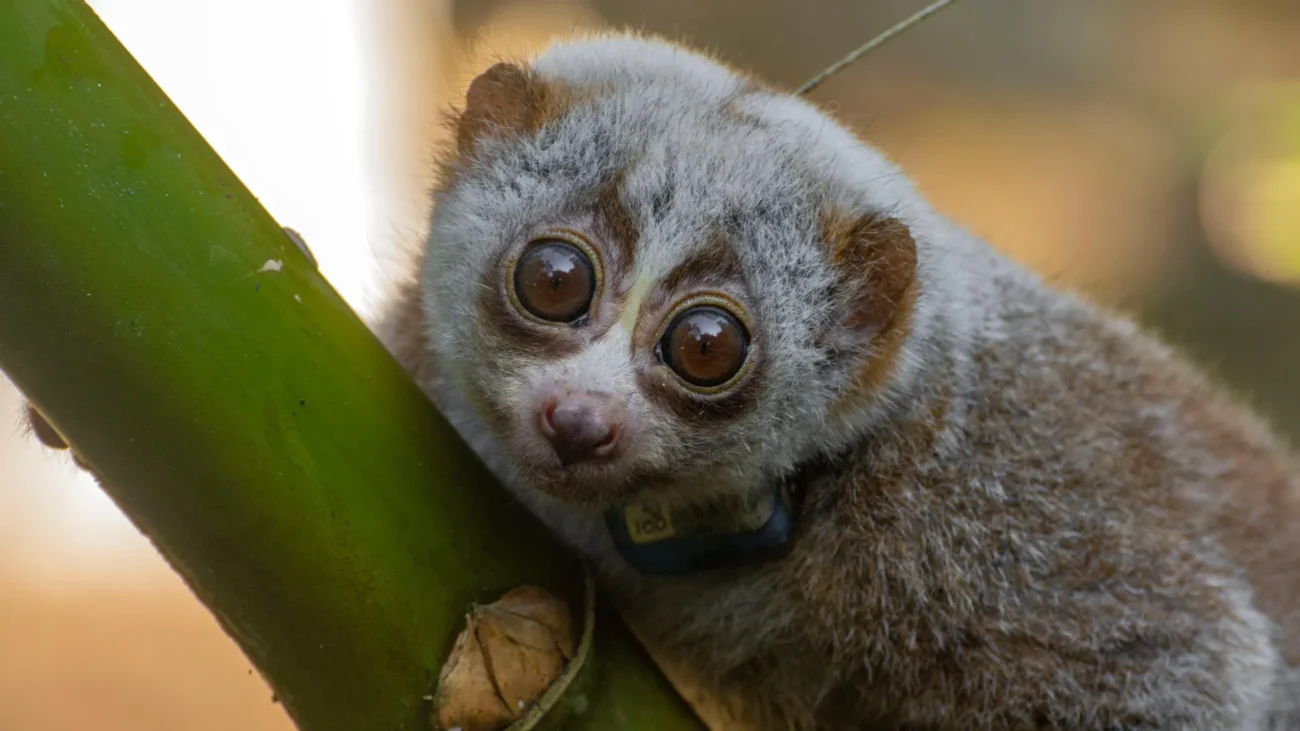
The Bengal slow loris, with its large, captivating eyes and seemingly gentle demeanor, has become an unfortunate icon of the illegal wildlife trade. These enchanting features, while endearing to many, have fueled a demand that places them among the most heavily trafficked primates globally. Their allure has tragically translated into widespread exploitation, pushing all species of slow loris to the brink of extinction. The International Union for Conservation of Nature (IUCN) classifies them as Critically Endangered, Endangered, or Vulnerable, underscoring the urgent need for effective conservation interventions.
In response to their threatened status, rescue and release programs have become a common, albeit often unexamined, component of conservation efforts aimed at bolstering dwindling wild populations. The intention is to return these animals to their natural ecosystems, hoping they can contribute to the regeneration of their species. However, the new research compellingly demonstrates that these well-intentioned efforts can, in fact, lead to tragic outcomes, challenging the efficacy and ethical considerations of current reintroduction protocols.
A Study in Survival: Tracking Lorises in the Bangladeshi Forests
The research team implemented a rigorous tracking methodology, fitting nine Bengal slow lorises with advanced radio collars before their release into a national park in northeastern Bangladesh. This particular park had previously been utilized for other wildlife reintroduction initiatives, making it a relevant and established site for the study. The scientists meticulously monitored the movements and well-being of these individuals, aiming to provide a definitive account of their post-release survival rates.
The results of this intensive tracking were profoundly disheartening. Of the nine lorises released, a mere two managed to survive in the forest. The grim reality unfolded swiftly: three animals succumbed to their fate within a mere 10 days of their release. An additional four animals died within the subsequent six months, painting a bleak picture of their reintegration. Upon recovery, researchers were able to examine seven of the deceased lorises. Tragically, all four recovered specimens exhibited clear and definitive evidence of having been killed by other slow lorises.
Territorial Strife and the Lethal Bite: Unraveling the Cause of Death
The primary driver of these fatalities, as revealed by the study, lies in the inherent nature of the Bengal slow loris. These primates are characterized by their intensely territorial behavior. Furthermore, they possess a unique and formidable defense mechanism: they are the only known venomous primates in the world. Their specialized dentition allows them to deliver a potent, toxic bite, a trait that likely plays a significant role in their social dynamics and survival strategies.
The recovered lorises bore evident bite wounds on their heads, faces, and digits. These injuries are stark indicators that deadly territorial confrontations were the direct cause of their demise. The study’s findings suggest that these re-released animals, having spent time in captivity, were ill-equipped to navigate the complex and often aggressive social hierarchies of established wild populations.
An additional layer of complexity emerged from the data: lorises that had spent longer periods in captivity tended to have significantly shorter survival rates after release. This correlation suggests that prolonged confinement may have exacerbated their vulnerability in the wild. Furthermore, the researchers observed that released lorises exhibited more erratic movements and appeared to be in a heightened state of alertness compared to their wild counterparts, behaviors not typically associated with healthy, established individuals.
The two surviving lorises, in contrast to those that perished, demonstrated a pattern of traversing larger territories. This spatial behavior suggests that their survival hinged on their ability to actively avoid confrontations with resident lorises, effectively pushing them to the fringes of established territories. This pattern implies that successful reintegration may necessitate an ability to establish new, or find unoccupied, territories, a feat that may be challenging for animals accustomed to the controlled environment of captivity.
Rethinking Conservation: The Imperative for Strategic Release
The study highlights a critical disparity in conservation efforts. While large and charismatic species, such as big cats, often benefit from extensive post-release monitoring, smaller species frequently lack this crucial oversight. Consequently, the true outcomes of their reintroduction programs often remain unknown, perpetuating potentially ineffective or even harmful practices.
Professor Nekaris emphatically stated, "It’s assumed that returning confiscated or rescued animals to the wild is always a positive conservation story. Our research shows that for highly territorial species like slow lorises, releasing them into areas that are already densely populated can be a death trap." She further elaborated on the public perception versus scientific reality: "Many rescued endangered species are often released because the public expects it, but for animals such as the Bengal slow loris, this is not always the best course of action. Without fully understanding the animal’s behaviour, its time spent in captivity and the density of resident populations at the release site, reintroductions may do more harm than good."
The researchers underscore the necessity of a paradigm shift in how wildlife rescue and release programs are conceptualized and implemented. Successful reintroductions, they argue, demand meticulous planning and a deep understanding of both the animal and its environment. Essential elements include:
- Suitability Assessment: Rigorous evaluation of the chosen release site to ensure it can adequately support the reintroduced animals, considering factors like food availability, predator presence, and existing population densities.
- Individual Animal Condition: Thorough assessment of each animal’s physical and psychological health, ensuring they are fit for survival in the wild and have not developed detrimental behaviors during their time in captivity.
- Habitat Evaluation: Comprehensive analysis of the ecological characteristics of the release site, including the presence of suitable shelter, breeding grounds, and the absence of overwhelming threats.
- Long-Term Monitoring: Continued observation of released animals to track their progress, identify challenges, and adapt conservation strategies as needed.
- Species-Specific Rehabilitation: Development of tailored rehabilitation guidelines that address the unique behavioral and physiological needs of each species, preparing them for the rigors of the wild.
Hassan Al-Razi, the lead author and team leader of Plumploris e.V. Bangladesh, provided further context from the ground: "Rescue and release have become an increasingly common practice in Bangladesh. Many wild animals, including slow lorises, are rescued and subsequently released back into the wild. However, in many cases, these releases are conducted inappropriately. For forest-dwelling species, release sites are often selected based on logistical convenience rather than ecological suitability. As a result, certain forests have effectively become dumping grounds for rescued animals and are no longer appropriate release sites."
Al-Razi’s statement highlights a systemic issue where practical considerations often override ecological imperatives. The convenience of accessing a location for release can lead to the selection of sites that are already saturated with conspecifics or lack the necessary resources for survival, inadvertently creating environments where rescued animals are destined to fail. He concluded with a sobering observation: "Although our research has focused on the Bengal slow loris and demonstrated the consequences of such practices, we believe similar patterns likely affect many other species." This suggests that the findings from this study are not isolated but may represent a widespread problem impacting numerous threatened wildlife populations globally.
Broader Implications: A Call for Evidence-Based Conservation
The implications of this research extend far beyond the plight of the Bengal slow loris. It serves as a crucial wake-up call for conservation organizations, policymakers, and the public alike. The inherent desire to "do something" for rescued animals, while commendable, must be tempered by scientific evidence and a pragmatic understanding of ecological principles.
The study compels a re-evaluation of the ethical framework surrounding wildlife rescue. While the impulse to save individual animals is strong, the ultimate goal of conservation is the preservation of species and ecosystems. If release programs, without proper planning and execution, lead to increased mortality and do not contribute to the long-term survival of a population, they may, in fact, be detrimental to conservation goals.
Future efforts must prioritize evidence-based approaches. This includes investing in research to understand the specific needs and behaviors of species being considered for release, conducting thorough ecological assessments of potential release sites, and implementing robust monitoring programs to evaluate the success of these interventions. The use of technology, such as GPS tracking and genetic analysis, can provide invaluable data to inform and refine release strategies.
Furthermore, the study emphasizes the importance of managing public expectations. The public often associates rescue with a guaranteed happy ending in the wild. Transparent communication about the challenges and uncertainties of wildlife reintroduction is crucial. Educating the public about the complexities of conservation, including the potential for failure in release programs, can foster a more informed and supportive approach to genuine conservation efforts.
The findings from Professor Nekaris and her colleagues represent a vital step in advancing the science of wildlife conservation. By shedding light on the unintended consequences of well-meaning actions, this research provides a critical foundation for developing more effective, humane, and ultimately, successful strategies for protecting endangered species and their habitats. The transition from an assumption of success to an evidence-based understanding of the risks and requirements for successful wildlife reintroduction is paramount for the future of global biodiversity.

