


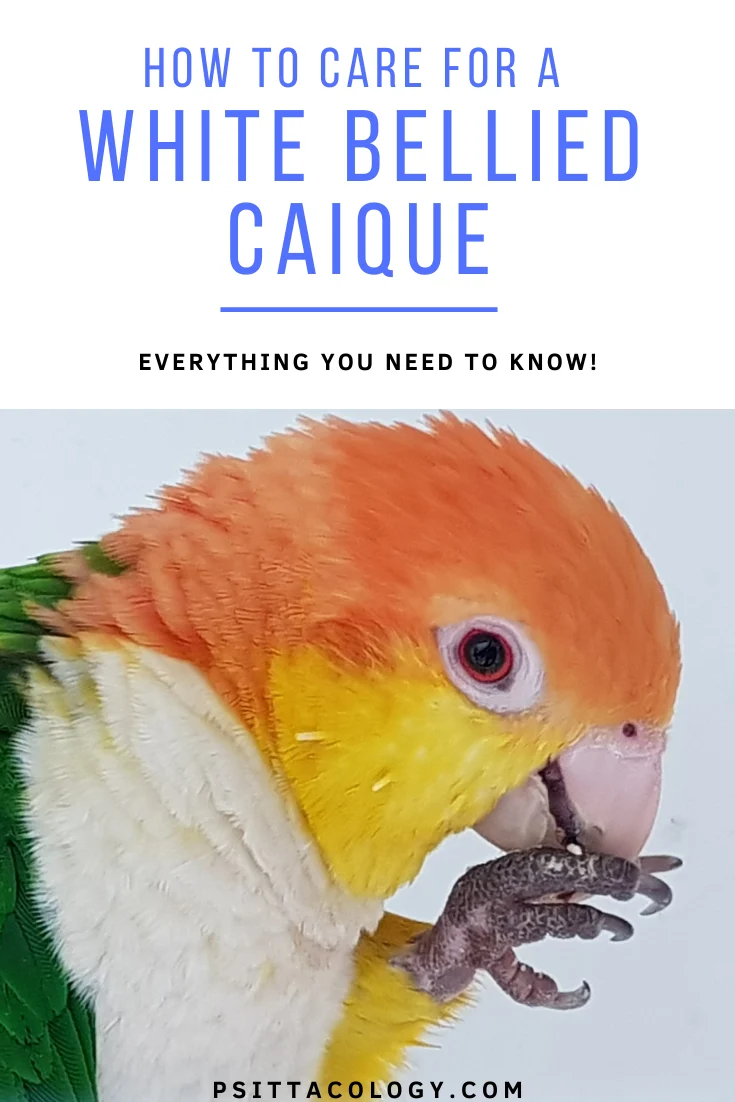
The decision to welcome a white-bellied caique, a vibrant and charismatic South American parrot, into one’s home is a significant commitment. These birds, renowned for their exuberant personalities and boundless energy, demand a thorough understanding of their specific needs before prospective owners take the plunge. Their distinctive character, often likened to that of a "clown of the parrot world," comes with a requirement for dedicated care, extensive socialization, and an environment tailored to their intelligence and activity levels. This comprehensive guide delves into the essential aspects of white-bellied caique ownership, from their natural history and physical attributes to their dietary requirements, behavioral traits, housing needs, and critical conservation status.
Defining the White-Bellied Caique: Appearance and Taxonomy
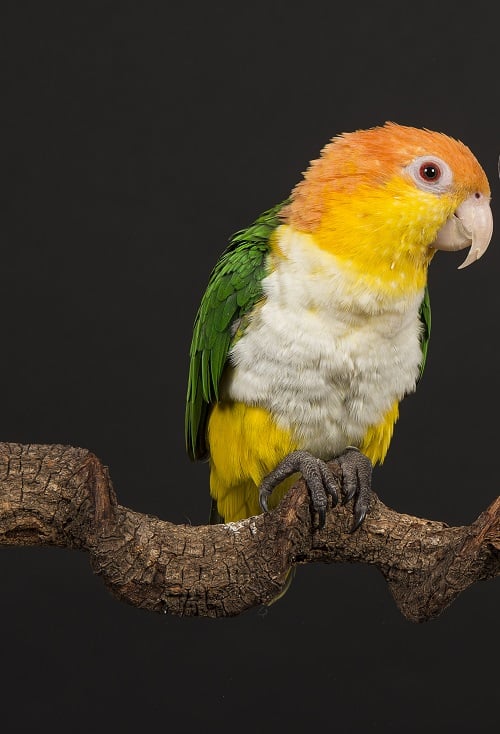
The white-bellied caique (scientific genus Pionites) is a small yet remarkably stocky parrot, typically reaching an adult length of about 23 cm (9 inches) and weighing up to 170 grams. Their compact build is accentuated by a short, somewhat stumpy tail, contributing to their distinctive silhouette. As their common name suggests, these parrots are characterized by entirely white to cream-colored chests and bellies. Their vibrant plumage extends to yellow cheeks, an orange head, and striking green wings and back, complemented by a beige beak. A unique feature across all subspecies is their unusual reddish eyes, encircled by a bare eye-ring.
Visual differentiation between male and female white-bellied caiques is not reliably possible, necessitating DNA testing for accurate sex determination. This can be performed through feather or blood samples, providing definitive identification for breeding purposes or simply for owner curiosity.
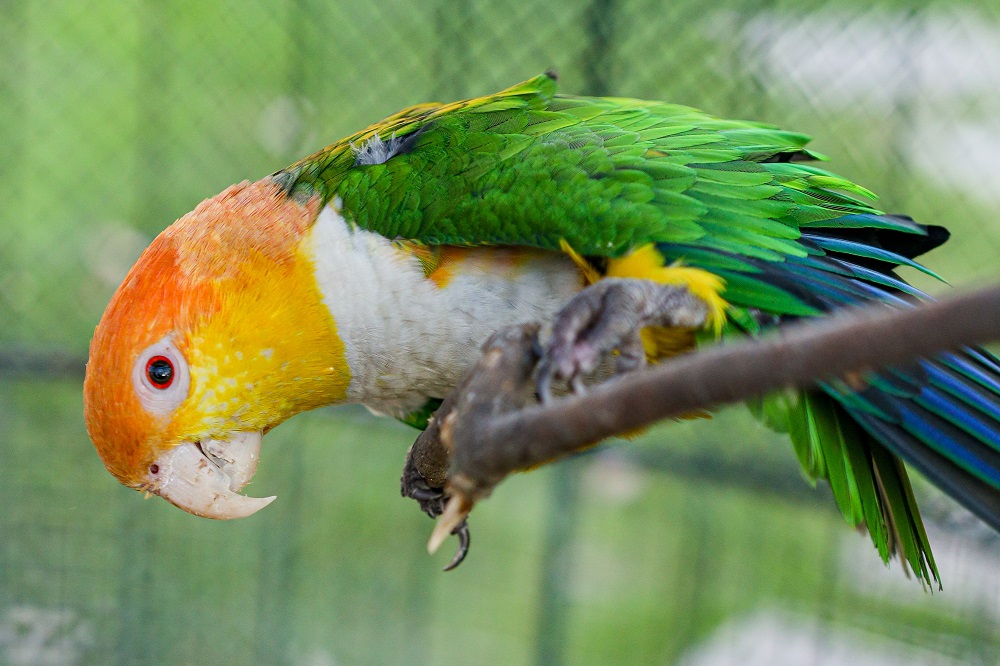
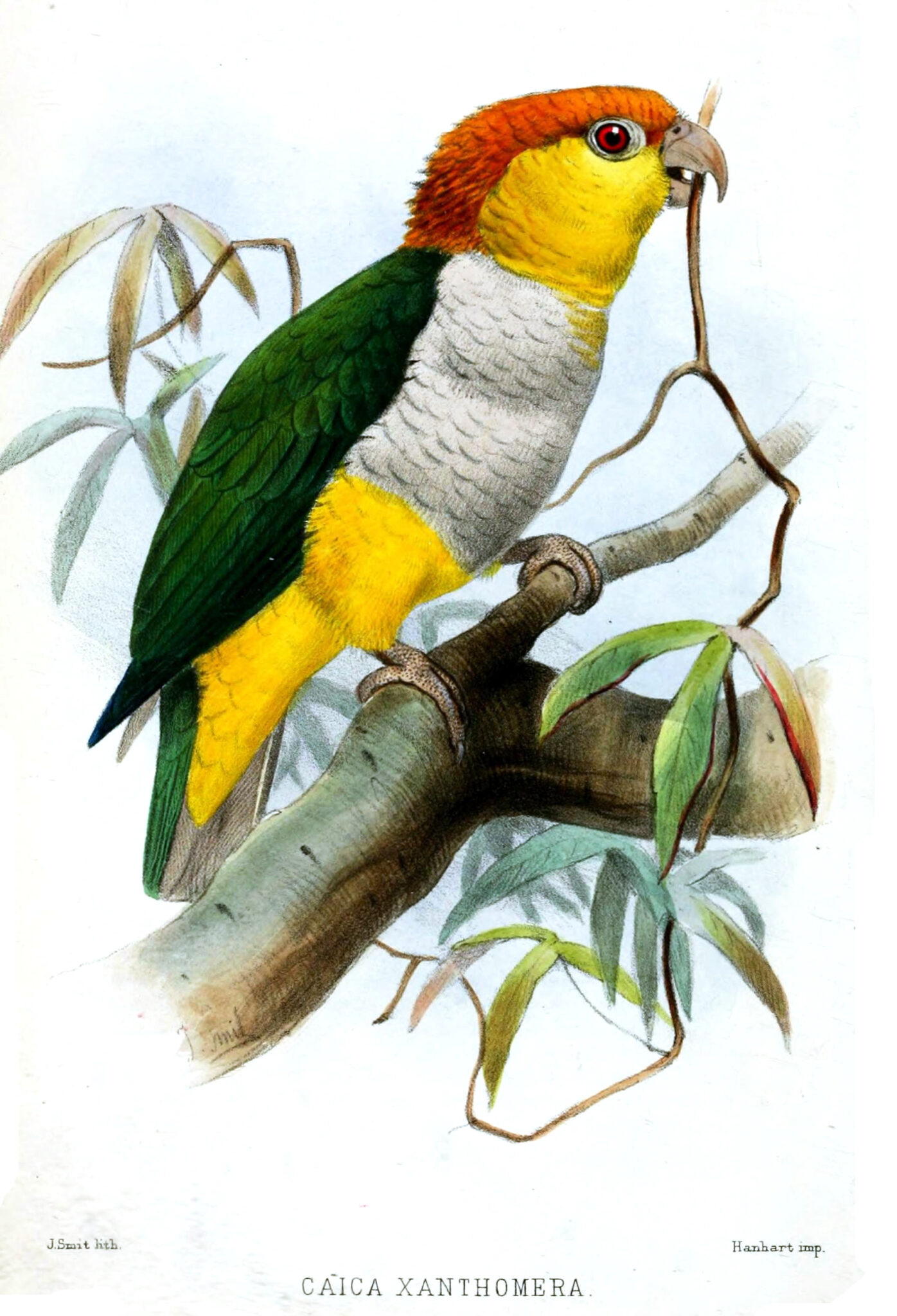
The taxonomy of the Pionites genus has been a subject of ongoing scientific discussion. Traditionally, the genus was understood to comprise two species: the white-bellied caiques (P. leucogaster) and the black-capped caiques (P. melanocephalus). Under this conventional framework, three subspecies of white-bellied caique were recognized: Pionites leucogaster leucogaster (green-thighed caique), Pionites leucogaster xanthomeria (yellow-thighed caique), and Pionites leucogaster xanthura (yellow-tailed caique). These subspecies were primarily distinguished by subtle color variations on their legs and tail feathers.
However, contemporary ornithological sources, such as the Birds of the World online encyclopedia, increasingly advocate for the elevation of P. l. xanthurus and P. l. xanthomeria to full species status. This reclassification is based on discernible morphological differences, particularly in plumage coloration, and is further supported by genetic studies that reveal significant divergences between these groups. While a definitive scientific consensus may still be evolving, this ongoing debate underscores the complexity of avian classification and the dynamic nature of biological understanding.
Natural Habitat and Urgent Conservation Concerns
White-bellied caiques are endemic to the lush rainforest canopies of South America, primarily inhabiting the vast Brazilian Amazon basin. Their range extends to other South American nations including Bolivia, Peru, and Ecuador, where they thrive in tropical forest ecosystems. In their natural environment, these social parrots typically forage and nest within the hollows of trees, often observed in cohesive groups of up to ten individuals. Their social structure is a key aspect of their survival, facilitating collective foraging, predator vigilance, and communal roosting.
Alarmingly, the majority of white-bellied caique populations are currently classified as endangered by the International Union for Conservation of Nature (IUCN). This critical status is predominantly a direct consequence of rampant habitat loss driven by the relentless deforestation of the Amazon rainforest. Vast swathes of their natural home are being cleared for agricultural expansion (particularly cattle ranching and soy cultivation), illegal logging, mining operations, and infrastructure development. The fragmentation of their habitat isolates populations, reduces genetic diversity, and limits access to vital food resources and nesting sites.

Beyond habitat destruction, the illegal pet trade also poses a threat, though it is often secondary to the overarching impact of deforestation. Conservation efforts for white-bellied caiques are intrinsically linked to broader initiatives aimed at protecting the Amazon. These include the establishment and enforcement of protected areas, reforestation projects, and efforts to combat illegal logging and wildlife trafficking. The long-term survival of these captivating parrots relies heavily on concerted international efforts to preserve their rapidly diminishing rainforest sanctuary.
Dietary Regimen: Bridging the Wild and Domestic Divide
Understanding the natural diet of white-bellied caiques is paramount to providing appropriate nutrition in captivity. A significant 2014 study by Lee et al., which observed 190 wild white-bellied caiques, revealed an astonishing dietary diversity, with birds feeding on no less than 44 different plant species. Their wild diet varied seasonally but consistently featured seeds from a wide array of plants, including various fruit seeds. Fruits, many consumed unripe, constituted another major component. Flowers and flower buds were also frequently consumed, and other research has highlighted their role as important pollinators, feeding on pollen and nectar. Occasionally, they were observed consuming leaves, bark, and even ants, demonstrating an opportunistic omnivorous tendency. Furthermore, wild caiques often visit clay licks, a behavior known as geophagy, to ingest soil, likely to obtain essential micronutrients and potentially to detoxify plant compounds.
Translating this complex wild diet to a domestic setting requires careful consideration to avoid common pitfalls. A seed-only diet, still prevalent among inexperienced parrot owners, is highly detrimental. Seeds are often high in fat and deficient in critical vitamins and minerals, leading to obesity, liver disease, and other serious health issues. Similarly, a diet overly reliant on cultivated fruits, while seemingly natural for a fruit-eating species, is problematic. Domestic fruits are typically bred for human palatability, resulting in significantly higher sugar content compared to their wild counterparts, many of which are consumed unripe and thus lower in sugar.
Instead, a balanced domestic diet for a white-bellied caique should primarily consist of high-quality, formulated pellets (60-70% of the diet), which provide a comprehensive nutritional foundation. The remaining 30-40% should be a diverse array of fresh, bird-safe vegetables, such as leafy greens (kale, spinach, romaine lettuce), bell peppers, carrots, broccoli, and squash. Fruits should be offered in strict moderation, prioritizing low-sugar options like berries, melons, and apples. Sprouted seeds and grains (e.g., quinoa, brown rice, lentils) can also be offered cooked, providing additional nutrients and texture. Cooked lean protein sources, such as chicken or hard-boiled egg, can be given very sparingly as an occasional treat.

Foods to strictly avoid include avocado, chocolate, caffeine, alcohol, fruit pits (which contain cyanide), onions, garlic, mushrooms, and any human foods high in salt, sugar, or unhealthy fats. Fresh, clean water must always be available from multiple sources, and a calcium block or cuttlebone is crucial for bone health and beak conditioning.
Temperament: The Energetic Clowns of the Avian World
The temperament of white-bellied caiques is arguably their most defining characteristic, setting them apart even within the diverse parrot family. They have rightfully earned the moniker "clowns of the parrot world" due to their seemingly endless energy, playful antics, and acrobatic displays. Caiques are highly intelligent, inquisitive, and incredibly social birds capable of forming exceptionally strong bonds with their human companions.
However, this deep bond can also present challenges. Caiques, like many parrots, often tend to bond intensely with one primary person within a household, viewing them as their main "flock mate." This strong attachment can lead to protective or even aggressive behavior towards other family members or strangers, especially during their hormonal phases after puberty. Owners must be prepared for potential nipping or territorial displays, requiring consistent training, socialization, and patience to manage these behaviors effectively. Early and ongoing socialization with various people is crucial to foster a more well-adjusted bird.
Caiques possess seemingly unlimited energy, manifesting in constant dancing, playing, and exploring. They are notorious for their destructive tendencies, enjoying chewing on virtually anything they can get their beaks on and gleefully throwing items around their environment. This necessitates a "caique-proofed" living space and a constant supply of appropriate chew toys to redirect their natural instincts. The consequences of insufficient interaction or enrichment can be severe, leading to behavioral issues such as incessant screaming, feather plucking, or even self-mutilation, stemming from boredom and loneliness.
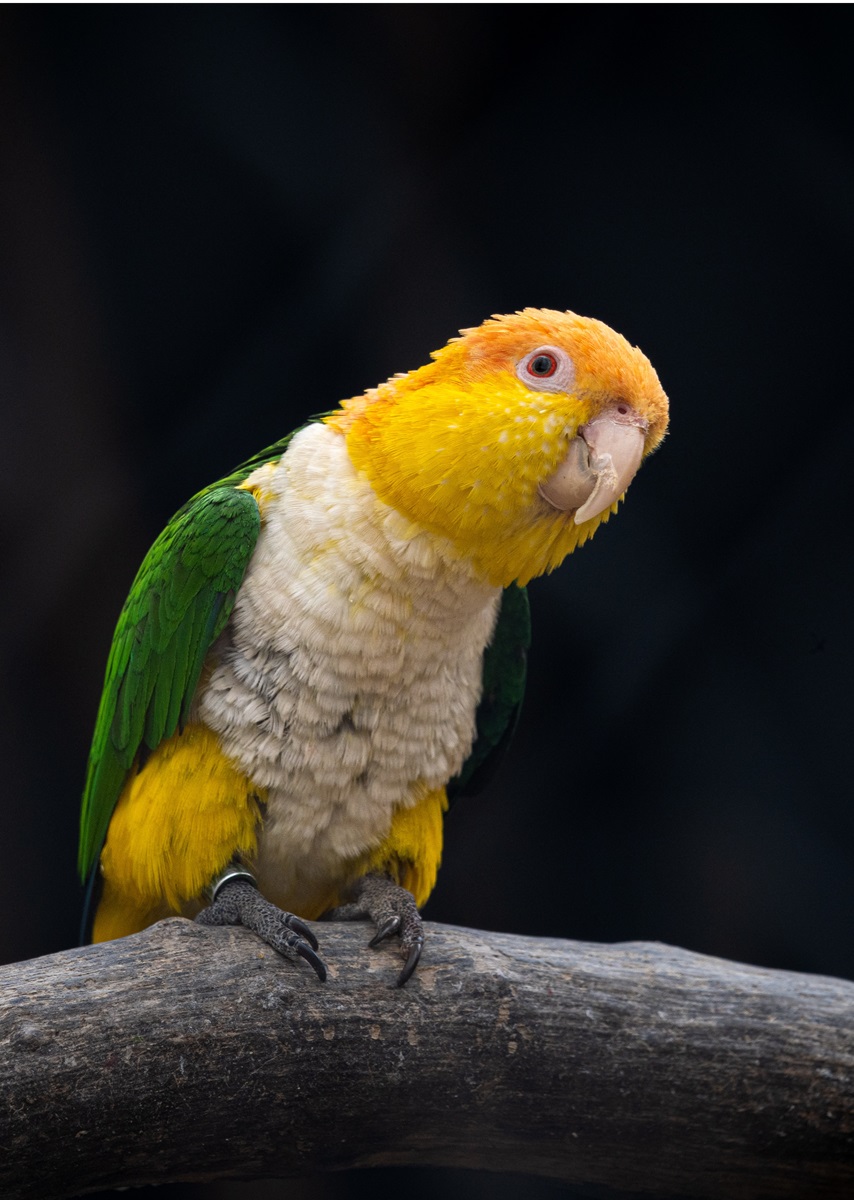
Their territorial nature extends to their living space and resources. It is generally not recommended to house caiques with other bird species, as their assertive and sometimes aggressive demeanor can lead to serious disputes over cages, food, or perches. While they can coexist peacefully with other caiques if introduced carefully and provided with ample space, a single caique still demands significant daily interaction from its human family. Owners must be prepared to dedicate several hours each day to supervised out-of-cage time, training, and play to keep these vibrant birds mentally and physically stimulated.
Optimal Housing and Environmental Design
Given their explosive energy and intelligence, white-bellied caiques require a substantial and stimulating living environment. Even with ample out-of-cage time, a spacious cage is fundamental to their well-being. A minimum cage size of 24x24x36 inches is often recommended, but larger is always preferable to accommodate their active lifestyle. The cage should be constructed from sturdy, non-toxic materials such as powder-coated wrought iron or stainless steel, with bar spacing of ¾ to 1 inch to prevent escapes or injuries. Caiques are exceptionally clever and adept at escaping, so secure locking mechanisms are essential.
The cage interior should be thoughtfully furnished to promote physical and mental health. A variety of natural perches of different diameters and textures (e.g., manzanita, java wood, natural branches) is crucial for foot health, preventing pressure sores and promoting exercise. Avoid uniform dowel perches. Stainless steel food and water bowls are recommended for hygiene and durability. A bird bath or regular misting is important for feather health and hydration.
Beyond the cage, a dedicated "play gym" or activity center outside the cage is highly beneficial. Constructed from natural wood, this area should be laden with a rotating selection of toys to encourage chewing, climbing, and problem-solving. Any room accessible to a caique must be thoroughly parrot-proofed. This involves securing windows, covering electrical cords, removing toxic plants (e.g., philodendron, azalea), ensuring household cleaners are inaccessible, and eliminating potential sources of fumes (e.g., Teflon cookware, scented candles, air fresheners). Caiques are insatiably curious and their destructive capabilities can quickly lead to dangerous situations for both bird and owner.

Optimal environmental conditions also include appropriate lighting. Full-spectrum UV lighting, mimicking natural sunlight, is vital for Vitamin D3 synthesis, which is essential for calcium absorption and overall health. Maintaining a comfortable ambient temperature and moderate humidity level also contributes to their well-being.
Enrichment: Fueling the Caique’s Intelligent Mind
Enrichment is not merely an optional extra but a cornerstone of white-bellied caique care. Without sufficient mental and physical stimulation, these intelligent birds can quickly succumb to boredom, leading to serious behavioral problems such as feather plucking, aggression, and incessant screaming. In the wild, caiques spend their days foraging, socializing within their flock, and navigating a complex environment, activities that constantly engage their sharp minds.
Effective enrichment strategies for captive caiques include:
- Foraging Opportunities: Mimicking their natural food-finding behaviors is critical. This can involve using foraging toys that require problem-solving to access treats, hiding food in various locations around the cage or play area, or offering natural browse (safe branches with leaves, e.g., willow, fruit tree branches) for them to strip and explore.
- Physical Stimulation: Caiques are highly acrobatic and require opportunities for vigorous exercise. Provide swings, ladders, ropes, and different levels within their cage and play area. Encouraging supervised flight (if wings are not clipped) or extensive climbing sessions is vital for muscle development and energy expenditure.
- Sensory Engagement: Introducing variety in sounds, textures, and sights stimulates their senses. This can include playing bird-safe music, providing different types of chewable materials (wood, cardboard, leather), and offering supervised access to a secure outdoor aviary to experience natural light, sounds, and smells.
- Social Interaction: As highly social flock animals, daily interaction with their human caregivers is paramount. This includes talking, playing games, training sessions, and simply allowing them to be part of household activities. If an owner cannot provide sufficient social time, considering a compatible pair of caiques (introduced carefully) might be beneficial, though this doubles the commitment.
Regular rotation of toys and enrichment items prevents familiarity and maintains novelty, keeping the caique engaged and preventing boredom.
Vocalizations and Communication Patterns
Compared to some of the louder parrot species like cockatoos or macaws, white-bellied caiques are often described as having a moderate noise level. However, it is crucial to understand that "moderate for a parrot" does not equate to "quiet." All parrots possess the capacity for considerable vocalizations, and caiques are no exception. For much of the day, their vocal repertoire typically consists of pleasant whistles, chirps, beeps, and soft squawking.
However, caiques are also capable of emitting very shrill, piercing screams, particularly when alarmed, excited, or attempting to locate their flock mates (their human family) from a distance. In their natural habitat, these loud calls are essential for communication across vast rainforest canopies. While these loud bursts are not constant, prospective owners must be prepared for them. For apartment dwellers, a caique might be a more manageable choice than some larger, louder species, but the expectation of a completely silent home after welcoming any parrot is unrealistic.
Regarding talking ability, white-bellied caiques are not renowned as champion talkers. While some individuals may pick up a few words or short phrases, their vocabulary typically cannot compete with species like African Greys or Amazon parrots. Instead, caiques excel in mimicking whistles and tunes. Owners can effectively engage in vocalization training by repeatedly whistling a short tune or simple phrase. Positive reinforcement with treats when the bird attempts to mimic the sound can be a rewarding way to build a shared "vocabulary" and strengthen the bond.
Health and Medical Emergency Preparedness
Owning any pet, especially an inquisitive and active one like a caique, necessitates a proactive approach to health and emergency preparedness. Before acquiring a white-bellied caique, potential owners should identify and establish a relationship with a qualified avian veterinarian. Regular annual check-ups are essential for preventative care, early detection of health issues, and maintaining vaccine schedules.
Caiques, like other parrots, are susceptible to specific health concerns. Polyomavirus, a serious viral disease, can cause severe organ damage, particularly in young birds, and can be fatal. Vaccination against polyomavirus is highly recommended and should be discussed with an avian vet. Other common avian ailments that caiques can contract include Psittacosis (Chlamydiosis), a bacterial infection that is zoonotic (transmissible to humans); Psittacine Beak and Feather Disease (PBFD), a devastating and incurable viral disease; and Aspergillosis, a fungal infection often linked to poor environmental hygiene or stress. Nutritional deficiencies, stemming from an improper diet, are also a frequent cause of illness.
Owners must learn to recognize common signs of illness in their bird, which can be subtle. These include changes in appetite or water consumption, alterations in droppings, lethargy, fluffed feathers, changes in posture, discharge from eyes or nares, or difficulty breathing. Any sudden change in behavior or physical appearance warrants immediate consultation with an avian veterinarian. Having a bird-specific first aid kit readily available, containing items like styptic powder for bleeding, antiseptic wipes, and wound dressings, can be crucial in an emergency.
Frequently Asked Questions
- How long do caiques live? White-bellied caiques are a long-term commitment. With proper care, a balanced diet, and regular veterinary attention, they can live for over 40 years, often becoming lifelong companions.
- Are caiques good for beginners? No, white-bellied caiques are generally not recommended for beginning parrot keepers. Their intense personalities, high energy levels, demanding need for interaction, potential for nipping, and complex care requirements make them better suited for experienced bird owners who understand parrot behavior and are prepared for a significant time commitment.
- Are caiques aggressive? Caiques can exhibit aggressive or "nippy" behavior, particularly during hormonal periods or if they are not adequately socialized and trained. Their territorial nature can also manifest as aggression towards other birds or even humans they perceive as a threat to their primary bond or space. Consistent positive reinforcement training and careful management are essential.
- Are caiques cuddly? While caiques can be incredibly affectionate and enjoy close physical contact with their chosen human, their "cuddliness" often manifests as playful wrestling, head scratches, or snuggling into clothing rather than passive petting. They are highly interactive and prefer engaging play over quiet cuddling for extended periods.
- How much does a caique cost? The initial purchase price for a white-bellied caique typically ranges from $1,000 to $2,500, depending on the breeder, location, and whether the bird is hand-fed. Beyond the initial cost, owners must budget for a high-quality cage (several hundred dollars), perches, toys, food, and annual veterinary check-ups, which can amount to hundreds of dollars per year.
In conclusion, the white-bellied caique is an extraordinary parrot, offering unparalleled companionship and endless entertainment for the right owner. Their vibrant personalities and intelligent minds make them incredibly rewarding pets. However, their specific needs for extensive socialization, a rich and stimulating environment, and a dedicated, long-term commitment mean they are not suitable for every household. Prospective owners must conduct thorough research, be prepared for the challenges, and be ready to embrace the energetic, often boisterous, and deeply affectionate nature of these captivating avian clowns.

