


As the international community prepares to observe World Water Day on March 22, 2026, the focus of global environmental policy has shifted from domestic conservation efforts toward the systemic impact of industrial food production. While public awareness campaigns have historically emphasized individual responsibility—such as reducing shower times and repairing household leaks—emerging data suggests that the most significant strain on the planet’s freshwater reserves stems from the global animal agriculture sector. With nearly 2.2 billion people currently lacking access to safely managed drinking water, environmental scientists and policymakers are increasingly identifying the transition toward plant-based food systems as a critical necessity for hydrological stability.
World Water Day, an annual United Nations observance since 1993, serves as a platform to advocate for the sustainable management of freshwater resources. In 2026, the urgency of this mission is underscored by the accelerating effects of climate change, which have disrupted traditional precipitation patterns and depleted subterranean aquifers at rates exceeding natural recharge capacities. While urban centers often bear the brunt of water restrictions during periods of drought, an analysis of global water footprints reveals that approximately 70% of all freshwater withdrawals are diverted to the agricultural sector, with a disproportionate share dedicated to the maintenance of livestock.
The Structural Mechanics of Agricultural Water Consumption
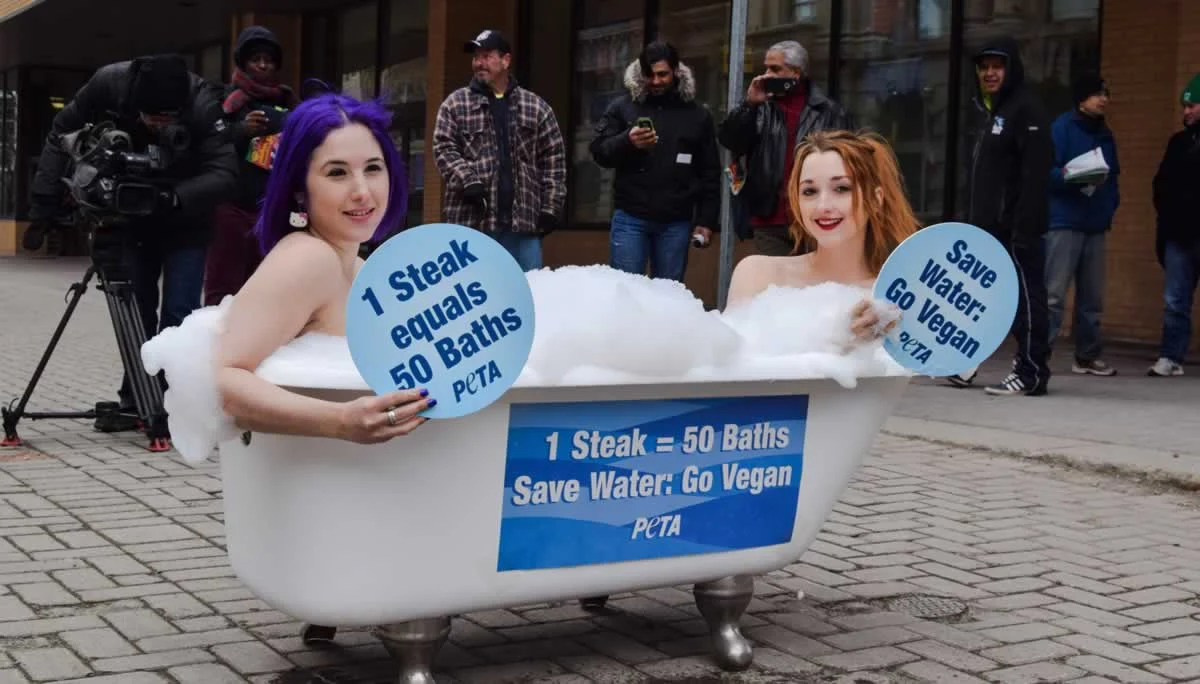
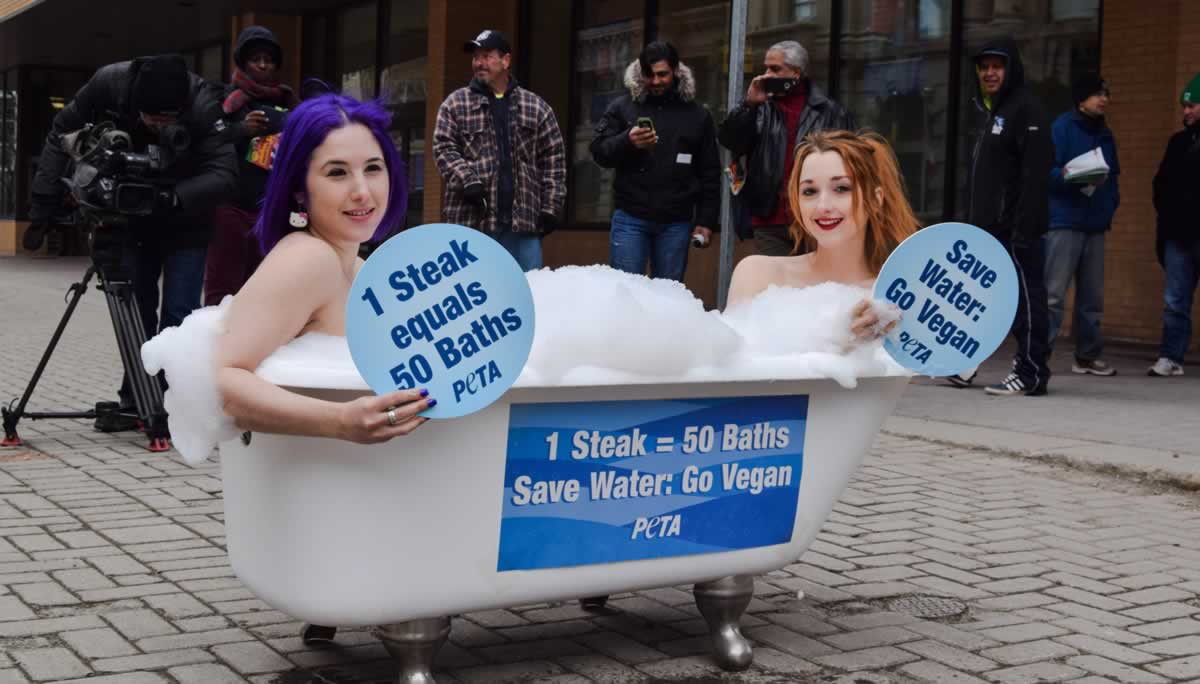
The disparity between domestic and industrial water usage is stark. In the United States, current estimates indicate that 55% of the total freshwater supply is utilized for animal agriculture. This consumption is not merely limited to the hydration of livestock; it encompasses a complex supply chain that includes the irrigation of vast monocultures intended for animal feed, the sanitation of industrial farm facilities, and the intensive processes required within slaughterhouses and processing plants.
Research into "virtual water"—the volume of freshwater used to produce a product, measured at the place where the product was actually made—highlights the hidden costs of animal-derived proteins. To produce a single pound of beef, an estimated 1,500 to 2,500 gallons of water are required, depending on the region and production methods. In contrast, the production of a pound of wheat requires approximately 25 gallons, and a pound of soy requires roughly 200 gallons. These figures suggest that plant-based alternatives, such as veggie burgers, require upwards of 75% less water than their bovine counterparts, offering a scalable solution to resource scarcity.
A Chronology of the Global Water Crisis and World Water Day
The path to the current global focus on agricultural water management has been decades in the making. The timeline of this movement reflects an evolving understanding of resource limits:
- 1992: The United Nations Conference on Environment and Development (UNCED) in Rio de Janeiro recommends an international day to celebrate freshwater.
- 1993: The first World Water Day is observed on March 22, focusing on the basic necessity of clean water access.
- 2003: The UN-Water entity is established to coordinate the efforts of UN agencies and international organizations working on water and sanitation issues.
- 2015: The adoption of the 2030 Agenda for Sustainable Development includes Sustainable Development Goal 6 (SDG 6), which aims to ensure availability and sustainable management of water and sanitation for all.
- 2020-2025: A series of record-breaking droughts across the Western United States, North Africa, and Central Asia forces a re-evaluation of water rights, specifically targeting the high-water-use livestock industry.
- 2026: World Water Day initiatives prioritize dietary shifts as a primary lever for meeting the 2030 sustainability targets.
Marine Ecosystems and the Impact of Commercial Fishing
The water crisis is not confined to terrestrial freshwater sources. The commercial fishing and aquaculture industries exert significant pressure on marine and coastal ecosystems. While often overlooked in discussions regarding freshwater conservation, coastal fish farms contribute to the degradation of water quality through the release of concentrated waste, antibiotics, and parasites into sensitive marine environments.
The introduction of non-native species from aquaculture pens can disrupt local biodiversity, leading to an ecological imbalance that affects the ocean’s ability to regulate climate and support life. Furthermore, the "bycatch" associated with industrial fishing—where non-target species are caught and discarded—destabilizes the intricate food webs that maintain the health of the world’s oceans. Environmentalists argue that the preservation of water quality must extend beyond the tap and into the management of the global commons.
Official Responses and Economic Implications
The shift toward a more water-efficient food system has met with varied responses from industry stakeholders and government bodies. In a statement released ahead of World Water Day 2026, the Global Water Policy Institute noted, "We can no longer afford to treat water as an infinite resource. Our agricultural policies must reflect the reality that animal-based protein production is an increasingly unsustainable luxury in a water-stressed world."
Conversely, representatives from the meat and dairy industries have emphasized the economic importance of their sectors, arguing that sudden shifts in production could disrupt global supply chains. However, economists specializing in environmental impact suggest that the long-term costs of water scarcity—including increased food prices, infrastructure damage from land subsidence, and the high cost of desalination—far outweigh the short-term economic gains of maintaining current livestock production levels.
Many nations have begun implementing "water-labeling" on food products, similar to nutritional labeling, to inform consumers of the water footprint associated with their purchases. This transparency is intended to drive market demand toward more sustainable, plant-based options.
Broader Impact: The Intersection of Health, Climate, and Ethics
The transition toward a vegan or plant-forward diet is increasingly framed not just as an ethical choice, but as a pragmatic response to a multifaceted environmental crisis. Beyond water conservation, the reduction of livestock populations significantly slashes methane and carbon dioxide emissions, which are primary drivers of the greenhouse effect.
From a public health perspective, diets rich in whole grains, legumes, and vegetables have been linked to lower incidences of heart disease, type 2 diabetes, and certain cancers. As healthcare systems globally face the rising costs of chronic lifestyle-related illnesses, the promotion of plant-based diets serves a dual purpose: preserving the planet’s resources and improving the longevity of its inhabitants.
Furthermore, the ethical dimension of animal agriculture is gaining traction in mainstream discourse. As behavioral science continues to demonstrate the cognitive complexity and social structures of farm animals—ranging from the lifelong bonds formed by cattle to the sophisticated communication of avian species—the argument for a more compassionate food system gains moral weight.
Conclusion: Individual Agency in a Global Crisis
While systemic change requires legislative action and corporate accountability, the role of the individual remains pivotal. Data suggests that if a single person adopts a vegan lifestyle, they can effectively save approximately 219,000 gallons of water annually. This individual saving, when scaled across populations, represents a formidable tool in the fight against water depletion.
As World Water Day 2026 approaches, the message from the scientific community is clear: the most effective way to "save every drop" is to examine the contents of the global dinner plate. The "3-week vegan challenge," a popular initiative gaining momentum this year, encourages citizens to experience the transition firsthand, providing a pathway toward long-term behavioral change.
In the final analysis, the water crisis is not merely a problem of supply, but one of management and priorities. By aligning dietary choices with ecological realities, humanity may yet secure a future where clean, abundant water is a reality for all, rather than a privilege for the few. The challenge of 2026 is to recognize that the preservation of our most precious resource begins with the recognition that every meal is an opportunity for conservation.

