


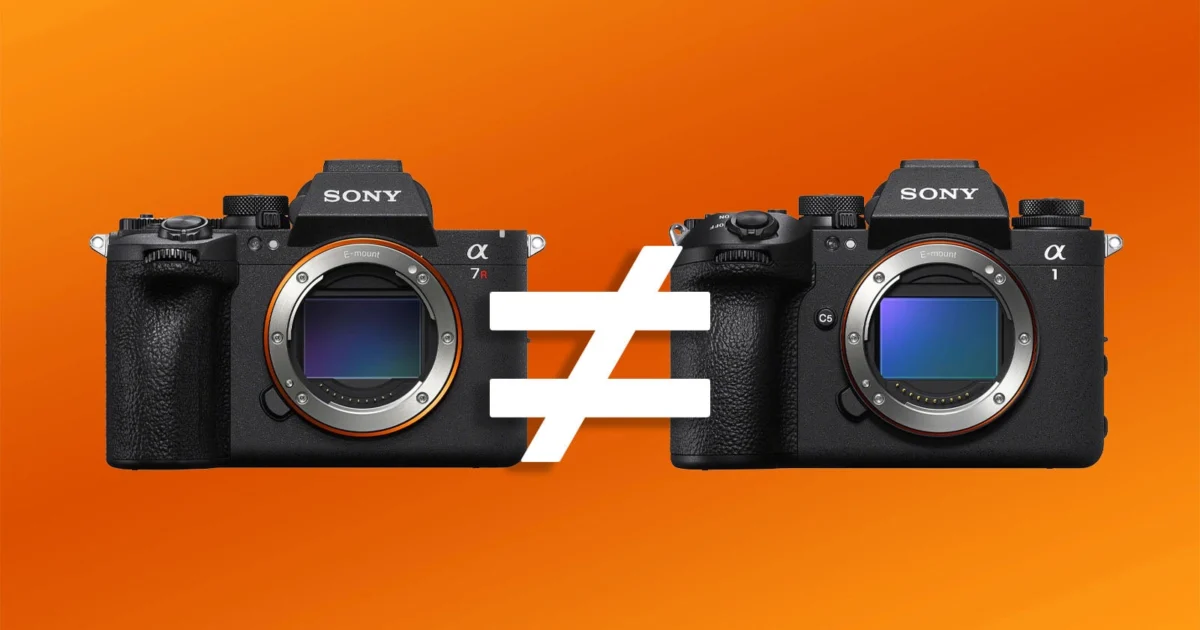
The landscape of professional mirrorless photography has undergone a significant shift with the introduction of the Sony a7R VI, a camera that challenges the traditional boundaries between high-resolution studio tools and high-speed action flagships. For years, the Sony Alpha 1 series sat unchallenged at the pinnacle of the lineup, offering a "no compromises" solution that combined speed, resolution, and professional workflow. However, the debut of the a7R VI, equipped with a new 66.8-megapixel fully-stacked sensor and 30 frames-per-second (FPS) burst capabilities, has sparked an industry-wide debate regarding the continued necessity of the Sony a1 II for the modern professional. While the a7R VI boasts a 33% increase in pixel count over its predecessor and incorporates the latest Bionz XR2 image processor, a technical deep dive reveals that the a1 II retains critical advantages in sensor readout speed, autofocus calculation frequency, and professional connectivity that justify its flagship status.
The Evolution of the Sony Alpha Series: A Brief Chronology
To understand the current tension between the a7R VI and the a1 II, one must look at the trajectory of the Sony Alpha system. The "R" series, standing for "Resolution," was traditionally designed for landscape, architectural, and studio photographers who prioritized fine detail over raw speed. The original a7R launched in 2013 with 36.4 megapixels, and by the time the a7R IV arrived in 2019, the series had reached 61 megapixels. However, these cameras were often hampered by slow sensor readout speeds, resulting in significant rolling shutter distortion and limited burst rates.
The Sony a1, launched in early 2021, changed the paradigm by introducing a stacked CMOS sensor. This technology allowed for a 50.1-megapixel resolution combined with 30 FPS shooting and a nearly silent electronic shutter. It effectively bridged the gap between the speed-oriented a9 series and the resolution-oriented a7R series. The subsequent release of the a1 II refined this formula with improved ergonomics and AI-driven autofocus. The arrival of the a7R VI marks the first time Sony has brought a fully-stacked sensor to the "R" line, significantly narrowing the performance gap and forcing a re-evaluation of the professional hierarchy.
Sensor Architecture and the Critical Metric of Readout Speed
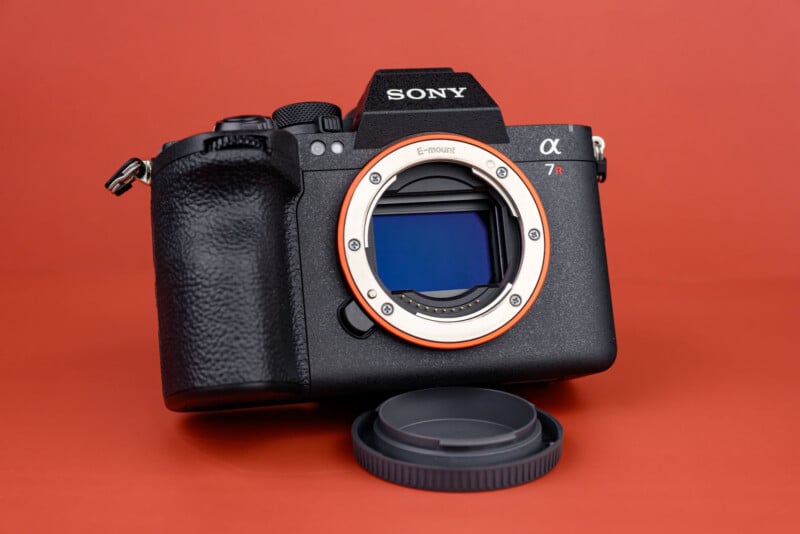
The most significant technological advancement in the Sony a7R VI is its 66.8-megapixel fully-stacked image sensor. This architecture allows for data to be processed much faster than the unstacked 61-megapixel sensor found in the a7R V. In practical terms, the a7R VI achieves an electronic shutter readout speed of approximately 18 milliseconds. This is a monumental improvement over the a7R V, which required over 100 milliseconds to read the full sensor, making its electronic shutter virtually unusable for any moving subject.
Despite this progress, the a1 II maintains a substantial lead in this category. The 50.1-megapixel sensor of the a1 II boasts a readout speed of less than 4 milliseconds. While the a7R VI is roughly 5.6 times faster than its predecessor, the a1 II is nearly five times faster than the a7R VI. This difference is not merely academic; it has profound implications for "rolling shutter" distortion. When photographing high-speed action—such as a golf club mid-swing, a tennis racket at impact, or a bird’s wings in flight—an 18ms readout can still result in "bending" or "leaning" of vertical objects. The a1 II’s sub-4ms readout provides a level of security that approaches the performance of a global shutter, ensuring that fast-moving subjects remain geometrically accurate.
Computational Performance and Autofocus Reliability
Both the a7R VI and the a1 II utilize Sony’s advanced AI processing unit to power their subject-recognition and tracking systems. These systems can identify humans, animals, birds, insects, cars, trains, and airplanes with uncanny precision. However, the underlying hardware influences how these algorithms are executed.
The Sony a1 II performs autofocus (AF) and auto-exposure (AE) calculations at a rate of 120 times per second. In contrast, the a7R VI is rated for 60 AF/AE calculations per second. While 60 calculations per second is more than sufficient for most photography genres, including wedding, portrait, and typical wildlife photography, the 120-calculation threshold of the a1 II is designed for the extreme edge cases of professional sports. In environments where a subject’s movement is erratic and high-speed—such as a basketball player changing direction or a football being caught in a crowd—the higher frequency of the a1 II’s calculations results in a higher "hit rate" of perfectly sharp images.

Furthermore, the a7R VI introduces "Real-Time Tracking+," which leverages the Bionz XR2 processor to handle complex scene depth. While early testers at Sony’s New York launch event noted the a7R VI’s prowess at picking up very small subjects in the frame, the consensus among professional action photographers remains that the a1 II offers a more consistent experience when the buffer is being pushed to its limits.
Workflow, Ergonomics, and Professional Connectivity
For the working professional, the value of a camera is often found in its physical interface and its ability to integrate into a high-pressure workflow. The a1 II was designed with the sports and news photojournalist in mind, featuring several hardware omissions that are present on the a7R VI.

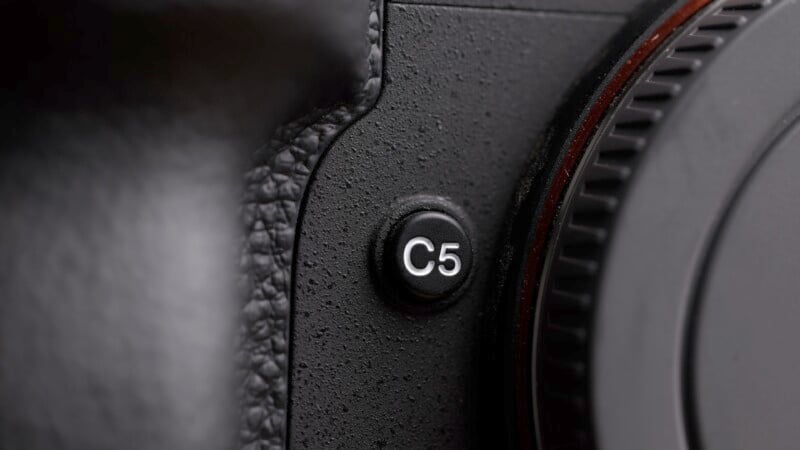
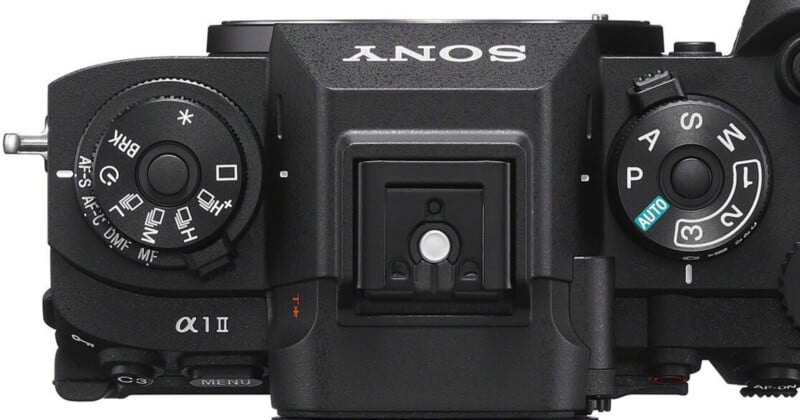
- Physical Dials and Buttons: The a1 II features a dedicated drive mode dial on the top-left of the camera body, allowing photographers to switch between single shot, low, medium, and high burst rates instantly without entering a menu. It also includes a front-mounted C5 custom button, which is frequently mapped to the "Speed Boost" function, allowing a photographer to jump from a lower frame rate to 30 FPS instantly. The a7R VI lacks both the dedicated drive dial and the C5 button.
- Connectivity: The a1 II includes a built-in 2.5G BASE-T Ethernet port, a requirement for many photographers working in stadiums or news bureaus where images must be transmitted via FTP immediately after capture. The a7R VI relies on USB-C and Wi-Fi, which, while fast, do not offer the same level of stability and speed required for wired agency workflows.
- Flash Synchronization: The a1 II offers a class-leading flash sync speed of 1/400s with its mechanical shutter (and up to 1/200s with the electronic shutter), whereas the a7R VI is limited to 1/250s. Additionally, the a1 II’s electronic shutter can reach speeds of 1/32,000s, providing more flexibility in bright light compared to the 1/8000s limit of the a7R VI.
One area where the a7R VI arguably surpasses the a1 II in terms of usability is the inclusion of illuminated buttons. This feature, long requested by night-sky and event photographers, allows for easier operation in low-light environments—a small but significant quality-of-life improvement that the flagship a1 II currently lacks.
Image Quality: Resolution vs. Bit Depth
The most obvious advantage of the a7R VI is its 66.8-megapixel resolution. For landscape and commercial photographers, these extra pixels provide more room for large-format printing and aggressive cropping. In the field, this allows a photographer to use a wider lens and crop in significantly while still maintaining a high-resolution file.

However, there is a nuance in how these cameras handle RAW files at their maximum speeds. The a7R VI is capable of shooting 14-bit RAW files at its full 30 FPS burst rate. The a1 II, when pushed to its maximum 30 FPS speed, typically drops to 12-bit RAW files to manage the massive data throughput. While the difference between 12-bit and 14-bit is negligible for most users, it can become relevant for professionals who perform heavy shadow recovery or color grading in post-processing. The a7R VI’s ability to maintain 14-bit integrity at high speeds is a testament to the efficiency of the Bionz XR2 processor.
Market Implications and Target Demographics
The pricing structure of the two cameras further clarifies their intended audiences. The Sony a1 II carries a significant premium, often retailing for thousands of dollars more than the a7R series. Sony’s marketing strategy suggests that they do not view the a7R VI as a replacement for the a1 II, but rather as an upgrade for the "R" series loyalist who previously felt limited by speed.
The a7R VI is positioned as the "ultimate" all-arounder for the enthusiast and the specialized professional. It is ideal for:
- Landscape Photographers: Who need the 66.8MP resolution and high dynamic range.
- Wildlife Photographers: Who benefit from the 30 FPS and Pre-Capture mode but do not require the ultra-fast readout of the a1 II.
- Wedding and Portrait Photographers: Who value the AI-driven eye-autofocus and the new illuminated buttons for dark receptions.
The a1 II remains the tool of choice for:
- Sports Photojournalists: Who require the Ethernet port and the sub-4ms readout to avoid rolling shutter on fast-moving balls and limbs.
- Commercial Action Photographers: Who need the 1/400s flash sync speed for high-speed sync work.
- Agency Professionals: Who rely on the dedicated drive dials for muscle-memory-based operation in high-stakes environments.
Conclusion: A Specialized Future
The Sony a7R VI is undoubtedly the most capable "R" series camera ever produced, and it represents a milestone in the democratization of stacked sensor technology. By bringing 30 FPS and a fast-readout sensor to a high-resolution body, Sony has satisfied the demands of a large segment of the photographic community.
However, the "death" of the a1 II has been greatly exaggerated. The flagship remains the superior choice for the "bleeding edge" of professional photography where every millisecond of readout speed and every extra autofocus calculation can mean the difference between a career-defining shot and a distorted, out-of-focus frame. The a7R VI is not an "a1 killer"; it is a sophisticated evolution that ensures Sony users no longer have to choose between extreme resolution and functional speed, provided they understand the specific technical boundaries of each system. As the industry moves forward, the coexistence of these two models suggests a future where cameras are increasingly specialized, catering to the distinct needs of different professional niches rather than attempting a one-size-fits-all approach.

