


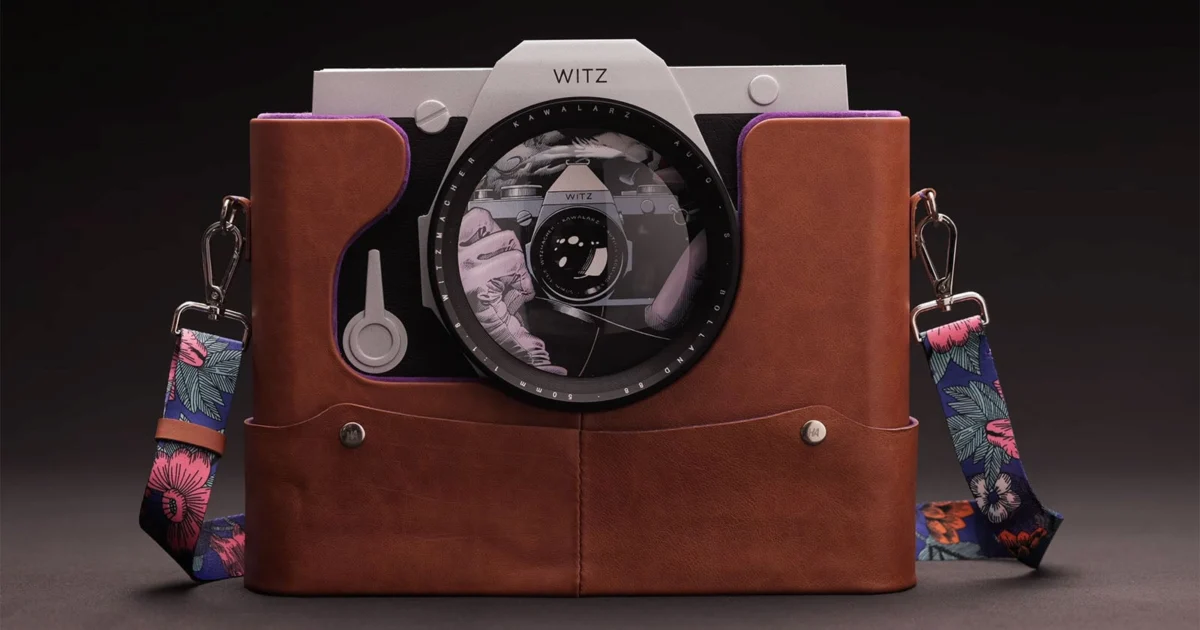
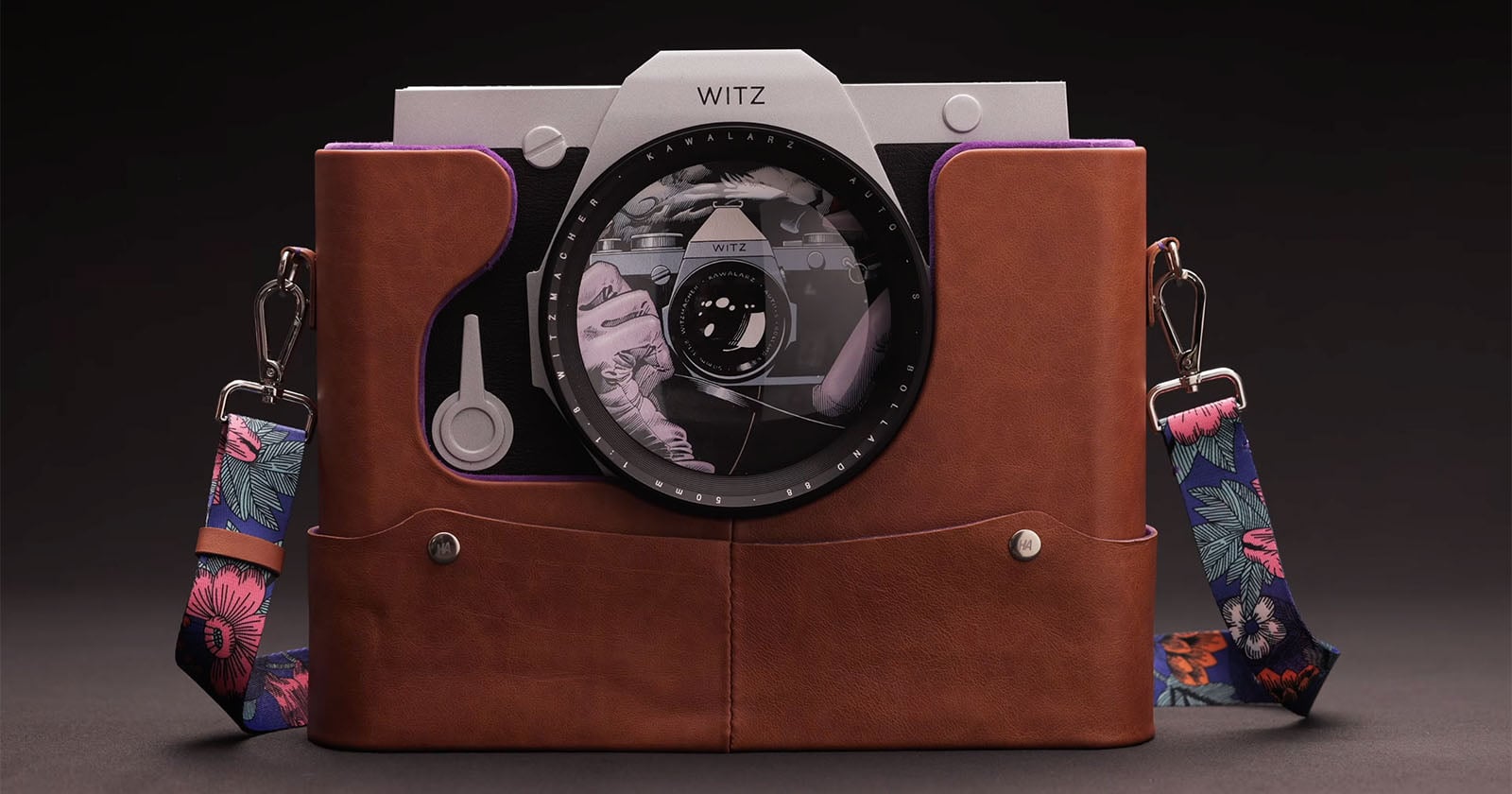
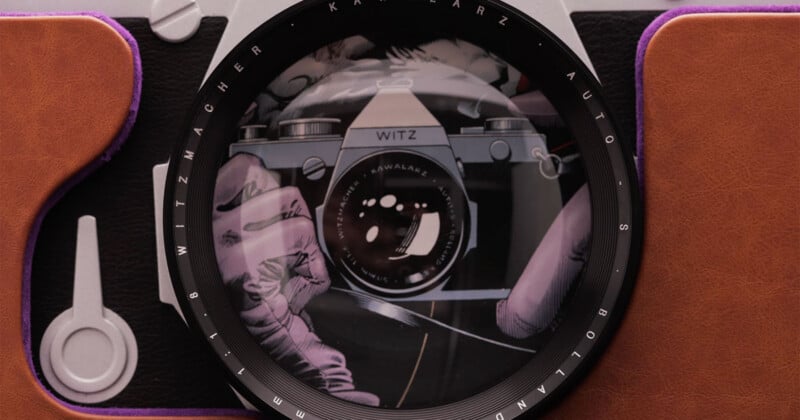
Argent Comics has officially unveiled what is arguably the most ambitious and expensive iteration of a graphic novel ever produced: the Batman: The Killing Joke Avant-Garde Edition. Priced at $17,409.75, this luxury release transforms Alan Moore and Brian Bolland’s seminal 1988 masterpiece into a physical art object designed to resemble an oversized 35mm film camera. The edition is limited to just 47 copies worldwide, targeting the intersection of high-end comic book collectors, bibliophiles, and photography enthusiasts.
This release represents a departure from traditional "prestige" editions of comic books, which typically focus on larger page formats or slipcases. Instead, Argent Comics has opted for a complete physical reconstruction of the reading experience, utilizing materials and printing techniques usually reserved for the world of fine art galleries and luxury watchmaking. The project serves as a literal interpretation of the graphic novel’s most iconic imagery, specifically the "Witz" camera used by the Joker in the story’s prologue and featured prominently on its cover.
The Legacy of The Killing Joke and the "Witz" Camera
To understand the significance of this $17,500 edition, one must look back at the historical impact of the original source material. Published in 1988, Batman: The Killing Joke is widely considered one of the most influential superhero stories ever told. Written by Alan Moore and illustrated by Brian Bolland, the one-shot graphic novel provided a potential origin story for the Joker while exploring the thin line between sanity and madness.
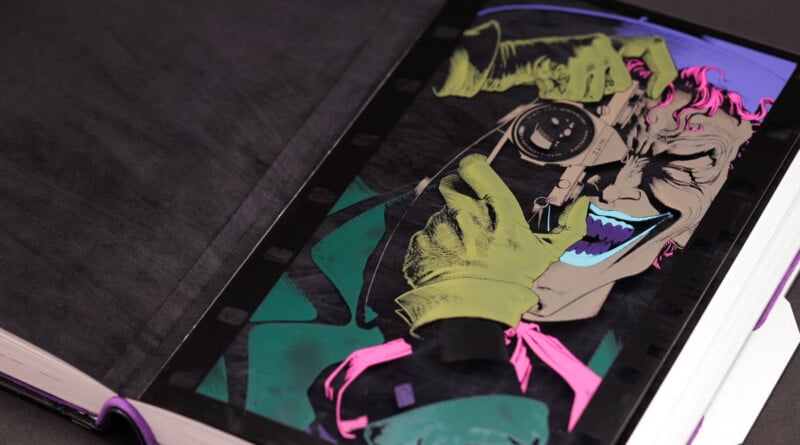
The cover of the book remains one of the most recognizable images in pop culture: a close-up of the Joker, grinning maniacally, aiming a "Witz" brand camera at the reader and uttering the single word, "Smile." The camera is not merely a prop; it is a central tool in the narrative. In the story, the Joker uses the camera to document his torture of Commissioner James Gordon and the shooting of Barbara Gordon, attempting to prove that "one bad day" can turn anyone into a monster.
The "Witz" brand is a fictional creation of Moore and Bolland—"Witz" being the German word for "joke" or "wit"—but its design in the comic was heavily inspired by professional-grade rangefinders and SLRs of the late 1980s. By turning the book itself into a physical replica of this camera, Argent Comics is leaning into the meta-narrative of the story, forcing the collector to hold the very instrument of the Joker’s cruelty.
Unprecedented Craftsmanship and Material Science
The Avant-Garde Edition is defined by its use of industrial and luxury materials. The "book" is not bound in cardboard or cloth but is instead housed within aluminum boards that have been hand-lined with premium goatskin leather. This construction provides a weight and tactile rigidity that mimics the body of a vintage camera.
One of the most striking features is the "lens" on the front of the volume. This component is not a static decoration; it is a detachable magnetic assembly that can be spun, further mimicking the tactile feedback of a manual focus or aperture ring. The volume also includes a functional, albeit miniature, viewfinder, allowing the object to be interacted with as a sculpture rather than just a book.
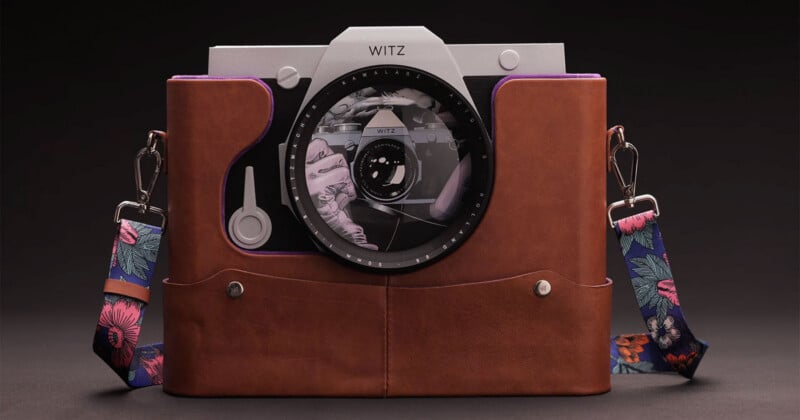
The protection for this volume is equally elaborate. It comes with a "camera case" crafted from cinnamon-colored calf leather, lined with purple and green suede—a direct nod to the Joker’s signature color palette. The case is paired with a tropical-themed camera strap, modeled after the one worn by the Joker during the infamous scenes at the amusement park. Argent Comics describes the case as "equal parts protection and display piece," acknowledging that most of these 47 copies will likely spend their lives in climate-controlled displays.
Technical Innovations in Printing
Beyond the external housing, the interior of the Avant-Garde Edition utilizes printing technologies never before seen in the comic book industry. According to the publisher, this is the first comic book in history to be giclée-printed. Giclée is a high-end inkjet printing process that uses pigment-based inks, providing a much wider color gamut and greater archival stability than standard offset or digital printing used in mass-market books.
To facilitate this, Argent Comics collaborated with the renowned German paper mill Hahnemühle to develop a custom substrate: Photo Rag Metallic paper. This paper features a sophisticated silvery-shimmer finish that enhances the "metallic" look of the illustrations, particularly the highlights and shadows in Brian Bolland’s detailed line work. Each side of every page was individually printed and then hand-fused to create a seamless, heavy-weight leaf.
The edition includes two distinct versions of the story, reflecting a long-standing debate within the fan community. The first is the original 1988 coloring by John Higgins, known for its vibrant, almost psychedelic purples and oranges that reflected the "neon-noir" aesthetic of the era. The second is the 2008 recolored version by Brian Bolland himself, which utilized a more muted, realistic, and cinematic palette. By including both, the Avant-Garde Edition serves as a definitive archival record of the work’s visual evolution.
Chronology of The Killing Joke’s Evolution
The path from a $3.50 prestige format comic in 1988 to a $17,500 luxury object in 2024 has been marked by several key milestones:
- March 1988: DC Comics publishes Batman: The Killing Joke. It becomes an instant bestseller and wins the Eisner Award for Best Graphic Album.
- 2008: For the 20th anniversary, DC releases a Deluxe Edition featuring new colors by Brian Bolland. This version becomes the standard for modern reprints, though purists continue to champion Higgins’ original work.
- 2016: An animated film adaptation is released, featuring the voices of Kevin Conroy and Mark Hamill. The film’s marketing leans heavily on the "Joker with a camera" imagery.
- 2023-2024: Argent Comics begins development on the Avant-Garde Edition, seeking to push the boundaries of "book-as-object" design.
- May 2024: Official announcement of the $17,409.75 edition, with a worldwide limit of 47 copies.
Market Analysis and the Rise of "High-Art" Comics
The pricing of the Avant-Garde Edition places it in a rarified category of the collectibles market. While rare vintage comics like Action Comics #1 or Detective Comics #27 fetch millions at auction due to their historical scarcity, the Argent Comics release represents a new trend: the manufactured rarity of high-end artisanal editions.
This market is driven by "whales"—high-net-worth collectors who view iconic pop culture artifacts with the same reverence as classical sculpture or fine watches. By requiring an application process and offering private viewing appointments at their headquarters in Croatia, Argent Comics is adopting the sales model of "haute horlogerie" (high watchmaking) or "haute couture."
Industry analysts suggest that this move reflects the maturing of the comic book generation. The readers who bought The Killing Joke in 1988 are now in their 50s and 60s, with many having reached significant levels of disposable income. For these individuals, a $17,500 investment is not just about owning a story they already know, but about owning the "ultimate" physical manifestation of that story.
Implications for the Publishing Industry
The release of the Avant-Garde Edition raises questions about the future of physical media in a digital age. As standard books become increasingly digitized, luxury publishers are pivoting toward making the physical book an "experience" that cannot be replicated on a screen.
The use of giclée printing and custom Hahnemühle paper suggests a future where high-end graphic novels are treated less like literature and more like limited-edition print portfolios. While the $17,500 price point is inaccessible to the general public, the innovations in binding and paper technology used here may eventually trickle down to more "affordable" luxury editions in the $500 to $1,000 range.
Ultimately, the Batman: The Killing Joke Avant-Garde Edition is a testament to the enduring power of Alan Moore and Brian Bolland’s work. Thirty-six years after its debut, the story continues to provoke and inspire, now serving as the foundation for a piece of craftsmanship that blurs the lines between a comic book, a camera replica, and a museum-grade artifact. For the 47 individuals who eventually secure a copy, it will stand as the definitive—and most expensive—tribute to the Joker’s "one bad day."

