


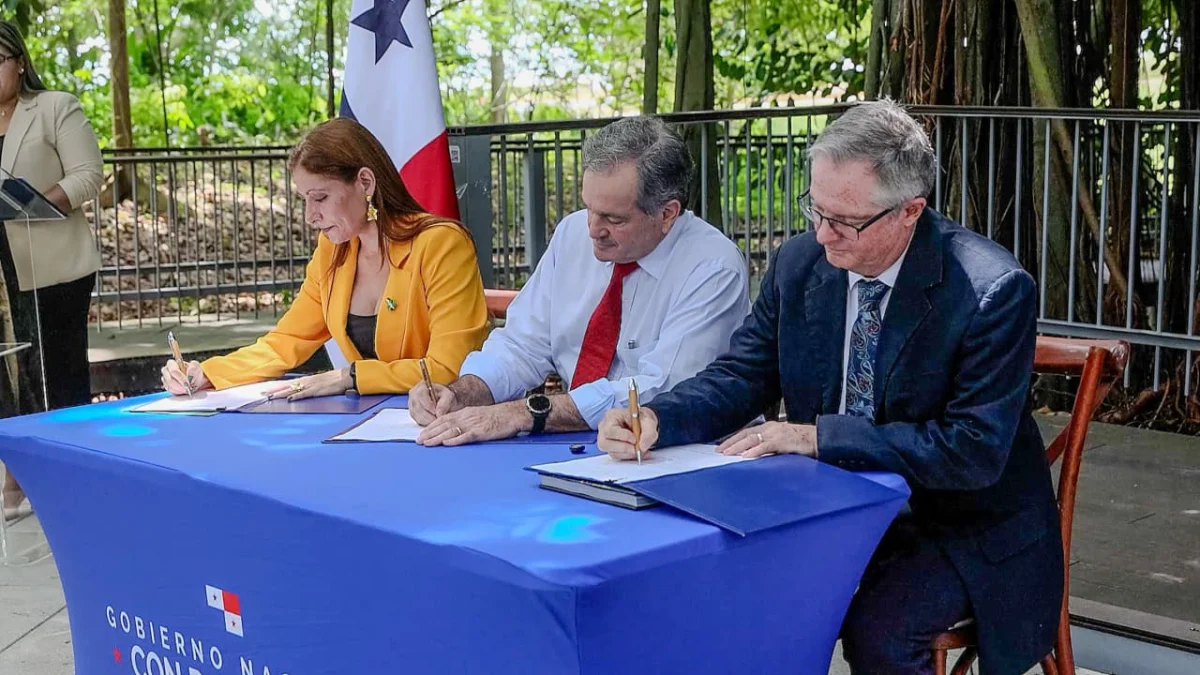
Panama, May 20, 2026 – Panama has officially embarked on a significant undertaking to evaluate and update its network of Key Biodiversity Areas (KBAs), a move that underscores the nation’s commitment to safeguarding its rich natural heritage and fulfilling international conservation targets. This initiative was formalized on May 18, 2026, with the signing of a Memorandum of Understanding between the Ministry of Environment of Panama, the KBA Association, and the Amphibian Survival Alliance (ASA). The agreement solidifies governmental backing for the comprehensive assessment and refinement of these ecologically vital sites.
The ambitious project is designed to align Panama with its obligations under the Kunming-Montreal Global Biodiversity Framework (KMGBF), a landmark international agreement aimed at halting and reversing biodiversity loss by 2030. Specifically, the KBA update will directly contribute to achieving several key KMGBF goals, including those related to biodiversity conservation, spatial planning, ecosystem restoration, and the effective protection of areas of high ecological significance.
Identifying and Mapping Panama’s Biodiversity Hotspots
The national KBA evaluation process will systematically identify, map, and document the most critical sites for the persistence of biodiversity across Panama. This involves a rigorous scientific approach to pinpointing areas that harbor threatened species, intact ecosystems, or unique ecological processes. The outcomes of this assessment will serve as a foundational element for the implementation of Panama’s National Biodiversity Strategy and Action Plan (NBSAP). Furthermore, the updated KBA network will be instrumental in achieving national conservation priorities, including the ambitious 30×30 target – the global commitment to protect and conserve at least 30% of terrestrial and marine areas by 2030.
This systematic approach to identifying KBAs is not entirely new to Panama. The nation’s conservation efforts have a history rooted in the recognition of Important Bird and Biodiversity Areas (IBAs). The groundwork for this current endeavor was laid by the Audubon Society of Panama, a partner of BirdLife International. In 1995, the IBA program was initiated in Panama with funding from the Natura Foundation, fostering collaboration with BirdLife International. A significant milestone was reached in 2009 with the publication of "IBAs of the Americas," a comprehensive document that brought global attention to these crucial avian habitats. Within this publication, 53 global IBAs were identified in Panama, collectively covering an area of 2,501,046 hectares, which represented nearly 29% of the country’s terrestrial surface at the time.

The evolution of conservation frameworks led to the publication of the Global Standard for the Identification of Key Biodiversity Areas in 2016. This standard formalized the KBA criteria, providing an umbrella framework that encompasses sites important for a broader range of species beyond birds, including amphibians, mammals, plants, and other taxonomic groups. Following the adoption of these criteria, all of Panama’s existing IBAs were officially recognized as KBAs. These established sites will now serve as the crucial starting point for the new, expanded KBA evaluation process.
Formalizing Collaboration and Expertise
The signing of the Memorandum of Understanding on May 18th marks a pivotal moment, signifying a unified commitment from government and conservation organizations. The event brought together key stakeholders, including His Excellency Juan Carlos Navarro, Minister of Environment of Panama; Dr. Gina Della Togna, Executive Director of the Amphibian Survival Alliance; and Dr. Andrew Plumptre, Head of the KBA Secretariat. This collaboration is expected to leverage the expertise and resources of each entity to ensure the success of the KBA update.
The Ministry of Environment’s proactive engagement in this process highlights Panama’s strategic approach to biodiversity conservation, recognizing that robust data and clearly defined conservation areas are essential for effective policy-making and resource allocation. The KMGBF emphasizes the need for countries to integrate biodiversity considerations into national planning and decision-making, and the KBA update directly addresses this requirement.
Establishing a National Coordination Group
Further solidifying the operational framework for this initiative, a meeting was held on May 19, 2026, to discuss and formalize the establishment of the National KBA Coordination Group (NCG). This NCG is envisioned as a multidisciplinary body composed of experts specializing in various species groups and other facets of biodiversity, alongside public policy professionals. The group’s mandate will be to facilitate the identification and assessment of KBAs, and in a subsequent phase, to guide their effective conservation.
The formation of such a group is critical for ensuring that the KBA identification process is scientifically rigorous and inclusive. It allows for the aggregation of diverse knowledge and perspectives, leading to more comprehensive and accurate designations. The NCG will play a vital role in translating scientific data into actionable conservation strategies that can be integrated into national development plans.

Gabriela Toscano, Biodiversity Conservation Manager for BirdLife Americas, participated in the NCG formation meeting and shared valuable insights into the technical aspects and functions of the group. Her participation underscores the international support and collaboration that this initiative is attracting.
Reflecting on the commencement of this process in Panama, Ms. Toscano expressed optimism: "We are witnessing a historic milestone for nature in Panama! The initiation of this process fills us with joy and optimism, as it represents a significant opportunity to unite science and action in favor of the country’s incredible biodiversity." Her statement highlights the profound impact such an initiative can have on both ecological conservation and the broader scientific and policy landscape.
Broader Implications for Conservation and Development
The implications of a robust and up-to-date KBA network for Panama are far-reaching. By clearly delineating areas of critical biodiversity importance, the nation can:
- Enhance Protected Area Network Planning: The updated KBAs will inform the expansion and strengthening of Panama’s existing protected areas system, ensuring that the most ecologically significant sites are adequately protected. This aligns with the 30×30 goal, which requires strategic expansion and improved management of protected areas.
- Improve Spatial Planning: Integrating KBA data into national spatial planning processes will help to avoid or mitigate development impacts on critical habitats. This is crucial for balancing economic development with environmental sustainability.
- Facilitate Ecosystem Restoration Efforts: Identifying degraded areas within or adjacent to KBAs can help prioritize and guide ecosystem restoration initiatives, aiming to recover biodiversity and ecological functions.
- Strengthen Biodiversity Monitoring: The KBA framework provides a basis for ongoing monitoring of biodiversity trends within these key sites, allowing for adaptive management and timely interventions.
- Attract Conservation Funding: Clearly defined and scientifically supported KBAs can enhance Panama’s ability to attract national and international funding for conservation projects, as they provide a concrete basis for investment.
- Contribute to Global Conservation Goals: By updating its KBAs, Panama is actively contributing to the global effort to monitor and conserve biodiversity, aligning with international agreements and scientific consensus.
The success of this KBA update will depend on sustained political will, adequate financial resources, and the continued engagement of scientific institutions, non-governmental organizations, and local communities. As Panama moves forward with this critical undertaking, it sets a precedent for other nations seeking to bolster their biodiversity conservation efforts in an increasingly complex and challenging global environment. The updated KBA network will undoubtedly serve as a cornerstone for Panama’s long-term commitment to environmental stewardship and sustainable development.

