


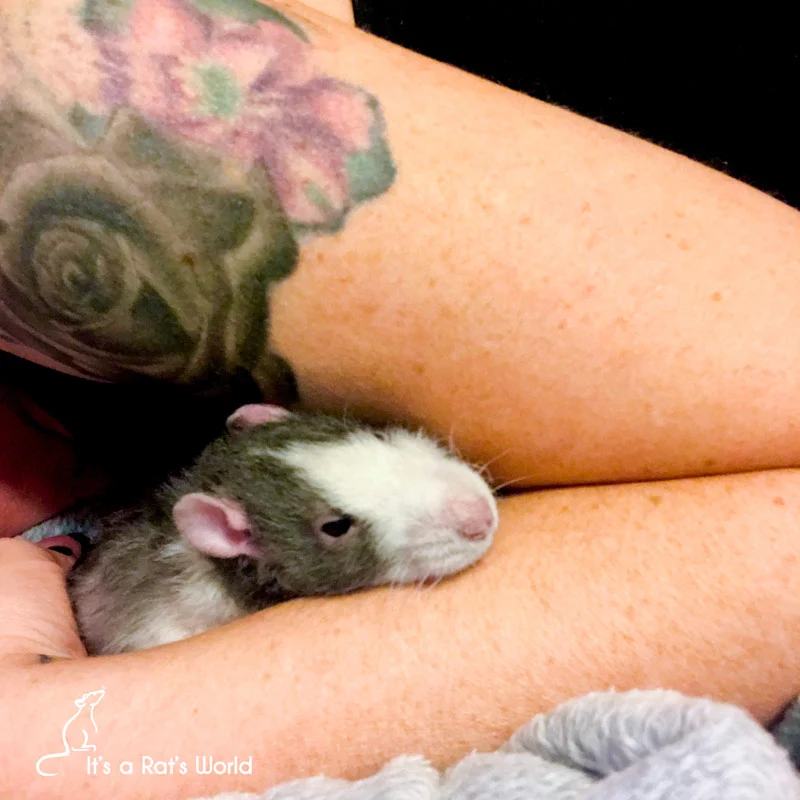
The absence of a devoted animal companion can leave a void, a sentiment deeply felt by many, including Brandi Saxton, a prominent figure in the rat enthusiast community and owner of "It’s A Rat’s World." Saxton articulates a profound yearning for the unique companionship offered by rats, a feeling that transcends the presence of other household pets like dogs and cats. This article delves into the intricacies of forming deep bonds with pet rats, exploring the journey from initial trust to enduring companionship, and offering practical insights for both novice and experienced rat owners.
The Unique Allure of Rat Companionship
For Brandi Saxton, the experience of sharing her life with rats has been unparalleled. While acknowledging a past affinity for other animals, including ferrets, it was rats who carved a special place in her heart. The cherished memories are not grand events, but rather the tapestry of everyday moments: shared couch time during movie marathons, the gentle nuzzles of "rattie kisses," and the intimate grooming sessions on her hands. She recalls the electrifying excitement of rats rushing to their cage doors, their joyful dances upon her arrival, and the endearing, albeit competitive, displays of affection, such as one rat nudging another aside for coveted head scratches. These seemingly small interactions, where she was unequivocally their favorite human, underscore the profound emotional connection that can develop between humans and rats.

This deep connection, however, is not always instantaneous. For new rat owners or those considering adopting, the aspiration is to achieve a similar level of intimacy. Yet, the reality can sometimes be a challenging one, particularly when rats exhibit skittishness or aloofness. Saxton addresses the common concern: "What if you find it isn’t happening? What if your rats are skittish or aloof, and show little interest in interacting with you? Does this mean that forming a bond with them is hopeless?" Her emphatic answer is a resounding "Definitely not! You just need a new approach."
Navigating the Early Stages: Trust as the Foundation
A significant hurdle for many new owners is understanding the initial behavior of their rats. Saxton explains that timidity or jumpiness in rats can often trigger a fear of being bitten. This apprehension, she notes, is frequently rooted in a rat’s need to acclimate to a new environment. For rats that have experienced trauma, the adjustment period can be even more extended, requiring considerable patience and a nuanced understanding of their needs. Without the right guidance, these rats can become increasingly withdrawn and fearful, making the prospect of bonding seem insurmountable.
Saxton emphasizes the critical distinction between trust and a true bond. "Earning your rat’s trust is not quite the same thing as having a bond with them, but it is necessary to form one," she states. For a rat, trust signifies the belief that their human is not a threat. A bond, on the other hand, is characterized by a mutual desire for companionship and a deeper, reciprocal connection.

The journey to trust is influenced by a rat’s individual personality and past experiences. When a rat feels insecure or is operating in a state of self-preservation, their primary focus is on safety. This inherent drive makes it difficult for them to form affectionate attachments. However, as they begin to feel secure and at ease, they start to recognize the value and comfort that can be derived from spending time with their human caretakers. This gradual shift from survival to comfort is the crucial precursor to a deeper bond.
Understanding Rat Personalities: A Spectrum of Companionship
Rats, much like other animals, exhibit a diverse range of personalities. Saxton categorizes these into broad types, acknowledging that many fall somewhere in between.
- Extroverted and Brave Rats: These rats are typically the easiest to bond with. They readily adapt to new environments and humans, often demonstrating immediate trust and affection. Saxton describes them as rats who, within moments of meeting, are demanding to be held and exploring their surroundings with confidence. They appear to trust their humans almost instinctively.
- Apprehensive and Fearful Rats: At the other end of the spectrum are rats who are intensely frightened or apprehensive, viewing humans, even their owners, as potential predators. Building a connection with these rats requires breaking through this initial barrier of fear. While some may never fully shed their cautious nature, achieving recognition and acceptance as a caregiver is a monumental accomplishment. The depth of the subsequent relationship is then dependent on the rat’s willingness and the owner’s continued investment of time and patience.
- The Majority: Most rats fall into a middle ground, exhibiting some nervousness initially but gradually becoming more comfortable and secure with consistent daily interaction.
This understanding of personality types is vital for owners to set realistic expectations and tailor their approach to each individual rat.

The Pillars of Bond Building: Quality Time, Communication, and Positive Reinforcement
Cultivating a strong bond with a rat is an ongoing process that requires consistent effort and a multifaceted approach. Saxton highlights several key strategies:
Providing Quality Time and Consistent Presence
The cornerstone of any meaningful relationship is dedicated time spent together. Saxton stresses the importance of being a constant presence, talking to rats, petting them, holding them, and engaging in play. This consistent interaction is not merely optional; it is essential for fostering a genuine connection and for understanding each rat’s unique characteristics and preferences.
- Integration into Daily Life: Keeping rats in a room where the owner spends a significant amount of time can be highly beneficial. The mere sound of their owner’s voice and their scent can integrate the owner into the rat’s daily routine and environment.
- Out-of-Cage Enrichment: Allowing rats at least one to two hours out of their cage daily is crucial for their physical and mental well-being. This time provides exercise, exploration, and, most importantly, dedicated quality time with their human. These sessions can take place on a couch, bed, or in a safely rat-proofed room.
- Focused Interaction: Encouraging concentrated cuddling, watching movies together, reading, or listening to music provides opportunities for quiet, intimate bonding. Learning a rat’s preferred methods of being held and petted, and discovering their favorite spots for affection, deepens the connection.
- Utilizing Bonding Aids: Bonding pouches and small blankets can be particularly helpful for skittish rats. The natural burrowing instinct of rats makes these aids appealing, providing a sense of security while allowing them to snuggle close to their owner.
- Verbal Engagement: Regularly talking to rats while they are in their cage helps them become accustomed to their owner’s voice without feeling threatened. This gradual introduction, without constant forceful removal from their safe space, builds trust and reduces apprehension.
The Power of Touch and Stress Relief
The act of petting an animal has a scientifically recognized effect on both the pet and the owner. Research, including studies on animal-assisted interventions, indicates that physical contact can stimulate the release of endorphins – the body’s natural mood elevators and stress relievers. For both humans and rats, gentle stroking and scratching can lead to a cascade of these beneficial neurochemicals, fostering a sense of calm and well-being. This makes the simple act of petting a rat, whether they are in their hammock or being held, a powerful tool for strengthening the bond and promoting mutual relaxation.

Respecting Boundaries: Honoring Personal Space
Not all rats are created equal in their comfort levels with physical interaction. Saxton’s article, "Honoring Your Rat’s Personal Space," underscores the critical importance of recognizing and respecting each rat’s individual boundaries. Forcing interaction or ignoring a rat’s signals of discomfort can be counterproductive, potentially sabotaging bonding efforts. Understanding when a rat needs space is as vital as knowing when they are receptive to affection.
Leveraging Food and Treats for Positive Association
Food is a universally effective motivator and a powerful tool for building trust and positive associations. Saxton humorously notes that the enthusiastic greetings from her rats might have been as much about the anticipation of treats as about her presence. Nevertheless, these enthusiastic displays were always a source of amusement and a clear indicator of a developing bond.
- Establishing a Food Provider Role: Making mealtimes a significant event helps rats quickly associate their owner with the provision of sustenance. This simple act elevates the owner’s status in the rat’s eyes.
- Cueing Treats: Selecting a healthy, favorite snack and consistently announcing its arrival with a distinct phrase or tone can train rats to associate that cue with happiness and reward. Saxton’s personal cue, "Treats, Treats, Treats!" delivered in a rising pitch, was so effective that it could rouse even the deepest sleepers.
- Observing Progress: The willingness of even standoffish rats to readily accept treats from their owner’s hand is a strong indicator of progress in bonding efforts, particularly with nervous or introverted individuals.
Beyond Basic Interaction: Advanced Bonding Techniques
For owners looking to deepen their connection further, Saxton suggests exploring more engaging activities:
- Teaching Tricks and Creating Mazes: While Saxton admits limited personal experience in this area, she acknowledges that teaching rats tricks or creating obstacle courses can be highly effective in engaging their intelligence and personalities in new ways.
- Traveling with Rats: Saxton recounts that road trips with her rats consistently resulted in stronger bonds. She observed that rats, even the more nervous ones, often became more cuddly after being outside their usual environment, demonstrating a heightened sense of trust in their owner’s ability to navigate the unknown.
What to Expect: The Nuances of Rat Relationships
The journey of bonding with rats is as diverse as the rats themselves. Saxton acknowledges that each rat offers a unique relationship experience. Some bonds develop effortlessly, while others may feel like an uphill battle. Regardless of the individual rat’s disposition, maintaining a thriving connection requires continuous effort from the owner.
It is crucial, Saxton advises, to avoid comparing one’s rats to those featured on social media. Discouragement can arise if a rat is less responsive than others, but it’s essential to remember that each rat possesses its own distinct personality and pace of development.
Saxton candidly describes her own experiences, where the bonds ranged from "soulmate status" to a more reserved "you’re the human I dislike the least, so I’m willing to tolerate you." Even the latter, she notes, felt special, given the significant effort required to achieve that level of acceptance from a fearful rat. The moment a frightened rat finally lets its guard down and embraces the owner’s role in its life is a profound and deeply rewarding experience.
Ultimately, Saxton concludes, every rat is worth the endeavor. The true measure of the human-rat relationship lies not in the duration of their lives, but in the enduring memories of the bonds shared and the special moments born from them, which remain etched in the heart forever. This sentiment underscores the profound impact that even the smallest of creatures can have on our lives, provided we invest the time, patience, and understanding to cultivate those precious connections.

