


Pet parrot owners frequently observe behaviors in their birds that can be perplexing, alarming, or simply misunderstood. These displays, ranging from increased vocalizations and territoriality to feather plucking and aggression, are often rooted in a fundamental biological process: hormonal activity. While a natural part of a bird’s life cycle, particularly during breeding seasons, chronic or misdirected hormonal behavior can significantly impact a parrot’s health, well-being, and the owner-pet relationship. Recognizing the difference between normal avian expressions and problematic hormonal states is crucial for effective management and ensuring a healthy, enriched life for companion birds.
Deciphering Parrot "Big Feelings": The Manifestations of Hormonal Behavior
The initial signs of hormonal activity in a parrot are often subtle but can quickly escalate. What an owner might perceive as a bird "acting weird" or being "naughty" is frequently a manifestation of powerful biological urges. Common indicators include:
- Increased Vocalization: Louder, more persistent calls, often directed at a perceived mate (which could be the owner, another pet, or even a toy).
- Regurgitation: A parrot offering regurgitated food is a courtship behavior, typically directed at a mate or a bonded human.
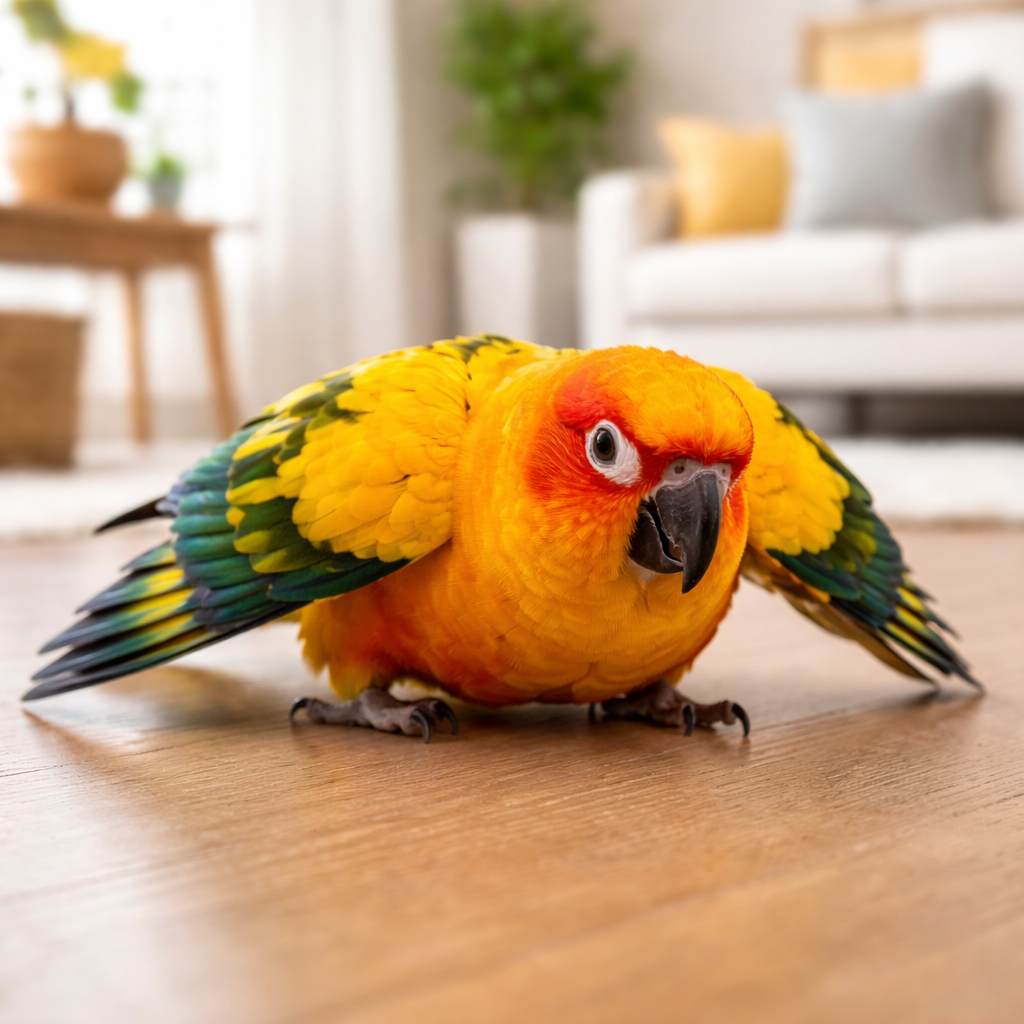
- Wing Flapping and Drooping: While sometimes a sign of excitement, these can also be part of a display to attract a mate or express territoriality.
- Nest-Building Behaviors: Seeking out dark, enclosed spaces (under furniture, in cabinets, inside clothing), shredding paper or other materials, and becoming possessive of these areas.
- Territorial Aggression: Increased biting, lunging, or squawking when an owner approaches the cage or a favored perch, especially if the bird perceives the owner as a rival for a "mate."
- Cloacal Rubbing: A bird rubbing its vent against objects, perches, or even a human’s body, indicative of sexual frustration or desire.
- Physical Changes (especially in females): Visible swelling of the cloaca, changes in droppings (larger, more frequent), and potentially egg-laying.
While these behaviors are fundamentally normal for a bird in the wild, their persistence or intensity in a captive environment can signal an underlying issue. As observed by Diane Burroughs on February 4, 2026, for BirdSupplies.com, these are "big feelings" that, particularly in an adult bird like an eight-year-old Sun Conure, are not a phase but a normal biological response requiring redirection. The good news for worried owners is that panic is unnecessary; the key lies in understanding and strategically redirecting this natural energy to prevent fixation, frustration, and long-term behavioral problems.
The Biological Imperative: Why Parrots Go Hormonal
At the core of these behaviors lies the avian endocrine system, driven by hormones such as estrogen, testosterone, and prolactin. These chemical messengers regulate a complex cascade of physiological and behavioral changes essential for reproduction. In their natural habitats, parrots experience distinct breeding seasons triggered by environmental cues like photoperiod (daylight length), temperature, rainfall, and food availability. These cues signal optimal conditions for raising offspring.
However, in a captive environment, these natural rhythms can be disrupted or even exaggerated. Pet birds often live in environments where artificial lighting extends the "daylight" hours year-round, diets are consistently rich, and perceived "mates" (owners, mirrors, specific toys) are constantly present. This can lead to a state of chronic hormonal activation, where the bird’s body and mind are perpetually in "breeding mode."
Smaller parrot species, such as cockatiels, budgies, and conures, are particularly susceptible to this chronic state. Evolutionary biology dictates that species lower on the food chain mature more quickly and reproduce more frequently to ensure species survival. Consequently, their bodies are often closer to a breeding-ready state for a larger portion of the year compared to long-lived, larger parrots like macaws or cockatoos, which may not reach sexual maturity until 7-8 years of age. This physiological predisposition means that small birds might appear "hormonal" for much of the year, a reality that is not merely an owner’s imagination.
Distinguishing Normal from Concerning: When Hormones Become a Problem
Occasional displays of hormonal behavior during certain seasons or situations are expected in adult parrots. These transient periods are part of a healthy bird’s life. The concern arises when a bird remains hormonally "switched on" for extended periods, leading to a state of chronic reproductive hyperactivity. This perpetual state takes a significant toll on a bird’s physical and mental health.
For female birds, chronic hormonal activity can lead to:
- Repeated Egg-Laying: This depletes essential calcium and other nutrients, risking egg binding (a life-threatening condition), prolapsed cloaca, and chronic inflammation of the reproductive tract.
- Ovarian Cysts or Tumors: Prolonged hormonal stimulation can increase the risk of these serious health issues.
For male birds, chronic hormonal states often result in:
- Persistent Sexual Frustration: This can manifest as heightened aggression, territoriality, and destructive behaviors.
- Self-Mutilation: Some birds may resort to feather plucking or skin picking as an outlet for extreme stress and frustration.
In both sexes, the bird’s nervous system never fully settles, leading to chronic stress, irritability, fixation on perceived mates or nesting sites, and a decline in overall well-being. This can severely impact their quality of life, leading to a bird that is constantly keyed up, easily frustrated, and unable to relax. This chronic stress can also compromise the immune system, making the bird more susceptible to illness.
Identifying the "Risk Threshold": A 5-Point Protocol for Owners
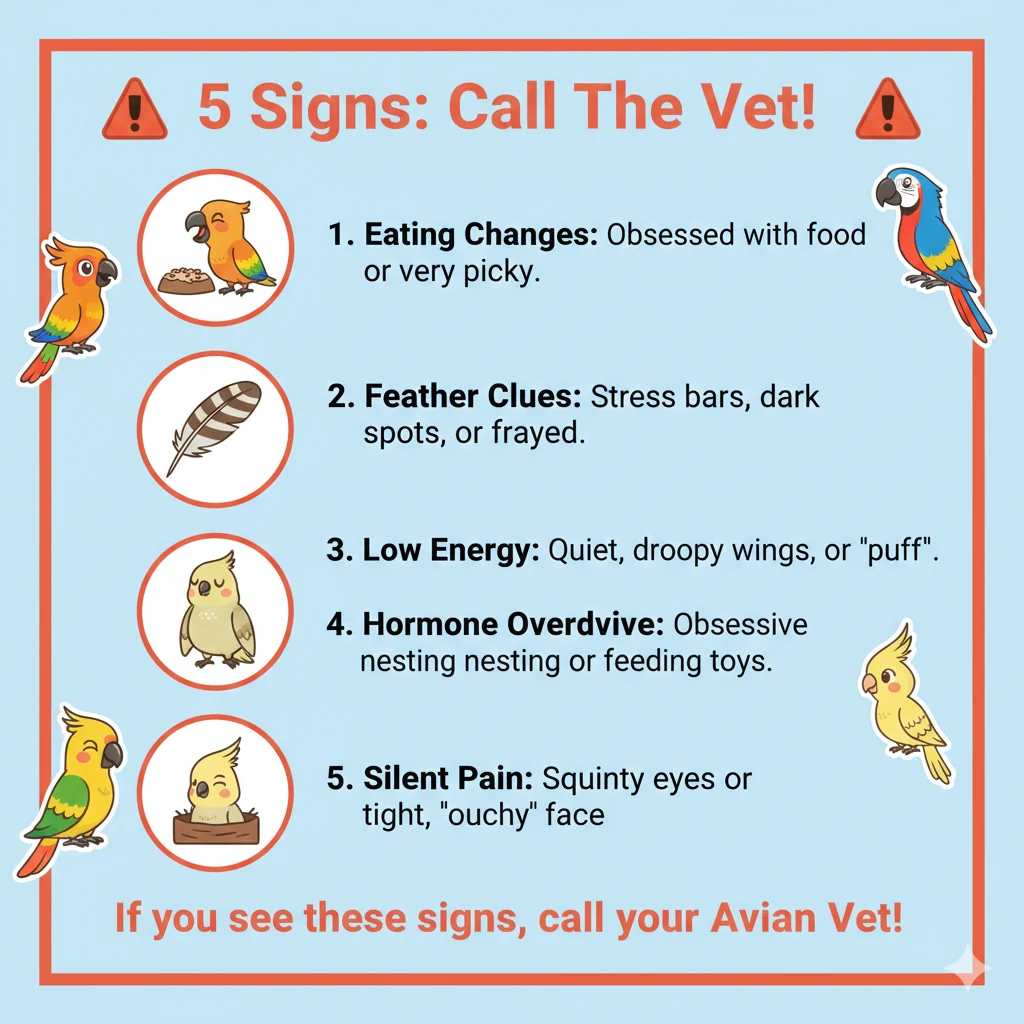
As clinical findings from experts like Dr. Rob Marshall and Tailai O’Brien in 2026 underscore, reproductive hyperactivity is a primary cause of many health complaints in pet birds. Therefore, it is essential for owners to recognize when their bird’s behavior crosses from "normal parrot antics" to a medical priority. A useful 5-point protocol to determine this "Risk Threshold" includes:
- Persistent Aggression or Biting: If aggression becomes constant, unmanageable, or directed indiscriminately, especially outside typical breeding seasons, it warrants concern.
- Changes in Appetite, Weight, or Droppings: Any significant deviation from normal eating habits, unexplained weight loss or gain, or consistently abnormal droppings (e.g., extremely large, discolored, or watery) can indicate an underlying health issue exacerbated by hormonal stress.
- Lethargy or Uncharacteristic Silence: While hormonal birds can be hyperactive, some may become withdrawn, lethargic, or unusually quiet if their body is under severe stress.
- Physical Signs of Reproductive Distress: This includes visible cloacal swelling, straining, persistent nesting behavior without egg production, or in females, the presence of soft-shelled eggs or signs of egg binding (fluffed feathers, tail bobbing, straining).
- Self-Mutilation or Chronic Feather Plucking: While plucking can have multiple causes, if it coincides with other hormonal signs and escalates, it strongly suggests a stress response related to chronic hormonal activity.
If any of these signs are observed, it is imperative to consult an avian veterinarian immediately. Early intervention can prevent serious health complications and improve the bird’s prognosis.
Proactive Management: Redirecting Hormonal Energy
The good news is that owners can implement various strategies to manage and redirect hormonal energy, fostering a healthier, calmer environment for their birds. These strategies focus on manipulating environmental triggers and reinforcing desirable behaviors.
-
Environmental Adjustments:
- Photoperiod Control: Mimic natural seasonal changes by ensuring the bird receives 10-12 hours of uninterrupted darkness nightly, year-round. This can be achieved by covering the cage or moving it to a dark room. Consistent, long dark periods can signal to the bird’s body that it is not breeding season.
- Dietary Adjustments: While a balanced diet is always essential, during periods of heightened hormonal activity, temporarily reduce high-fat and high-protein foods (like nuts, seeds, and certain pellets) and increase fresh vegetables. These nutrient-dense foods, while healthy in moderation, can sometimes signal an abundance of resources, encouraging breeding behavior.
- Eliminate Nesting Sites: Remove any dark, enclosed spaces that a bird might perceive as a potential nest box. This includes cardboard boxes, blankets, specific toys, or even the space under furniture. Avoid providing shredded paper or other nesting materials.
- Rethink Petting and Interaction: Avoid petting your bird anywhere below the neck or on its back. For parrots, this type of physical contact can be interpreted as foreplay and can stimulate hormonal responses, especially if the bird perceives the owner as a mate. Focus on head scratches and beak rubs.
- Limit Mirror Access: Mirrors and other reflective surfaces can lead to birds perceiving their reflection as a mate, fostering obsessive and hormonally driven behaviors. Removing mirrors can significantly reduce this trigger.
-
Give Their Pent-Up Energy a Natural Parrot "Job":
- Foraging and Enrichment: In the wild, parrots spend significant time foraging for food and engaging in complex social behaviors. Captive birds need outlets for this innate drive. Provide a variety of foraging toys, puzzle feeders, and shreddable toys. Encourage independent play by rotating toys regularly to maintain novelty.
- Training and Mental Stimulation: Positive reinforcement training can be incredibly powerful. Teaching new tricks or behaviors (like target training, stepping up, or recall) not only provides mental stimulation but also redirects focus away from hormonal urges. It also strengthens the bond between owner and bird in a non-sexual way.
- Opportunities for Exercise: Ensure the bird has ample opportunities for flight (if appropriate and safe) or climbing outside the cage. Physical activity helps burn off excess energy and reduces frustration.
-
Actively Reward Independent Behavior:
- Focus on Calm: Instead of reacting to hormonal displays, actively observe and reward your bird when it is engaging in calm, independent activities – chewing on a toy, quietly preening, or simply resting. This teaches the bird that calm behaviors lead to positive outcomes (treats, praise).
- Start Where They Can Succeed: If a bird becomes overstimulated outside the cage, begin these activities inside the cage first. Once calmer there, gradually introduce them to a play stand or training perch in a controlled environment.
The Power of Positive Reinforcement: Shaping Calm Behavior
Hormonal energy does not simply burn itself out. If a parrot doesn’t learn where to channel this powerful drive, it will often manifest in increasingly louder, more persistent, and potentially destructive ways. Birds can get stuck in a cycle of being constantly keyed up, easily frustrated, and unable to settle – which is exhausting for them and challenging for owners.
This is where positive reinforcement is incredibly powerful. Owners are not merely "training tricks"; they are teaching their bird which behaviors help their body calm down. Every time an owner rewards chewing on an appropriate toy, foraging, quiet independent play, or relaxed preening, they are helping their bird’s nervous system learn a new default. The bird learns that these calm behaviors lead to desirable outcomes, making them more likely to repeat them.
What makes this tricky is that birds do not respond to human intention – they respond to outcomes. If a behavior, even an unwanted one like screaming or biting, reliably leads to attention, closeness, or emotional engagement (even negative attention), the bird’s brain labels it as successful. The bird will then repeat that behavior, even if the human didn’t intend to reinforce it. Therefore, consistency in rewarding desired behaviors and ignoring (when safe to do so) unwanted hormonal displays is paramount.
Using Treats Without Making It Worse
Treats are powerful motivators in positive reinforcement but must be used judiciously. Get into the habit of having a supply of preferred treats readily available (in a pocket, a treat pouch). Then, intentionally observe for natural, calm parrot behaviors.
- Immediate Reinforcement: Treats should immediately follow the desired calm behavior. This creates a clear association for the bird: "When I do X, I get Y." Delaying the treat can confuse the bird about what behavior is being rewarded.
- Small, High-Value Rewards: Use small pieces of high-value treats to avoid overfeeding and maintain the bird’s interest.
- Reinforce Absence of Problem Behavior: Reward your bird for being quiet when it normally screams, or for playing with a toy instead of attempting to nest. This teaches alternative, acceptable behaviors.
This careful application of treats keeps learning clear and helps the bird understand what is expected, ultimately contributing to a more balanced and calmer state.
When to Consult an Avian Veterinarian
While behavioral modifications are crucial, there are times when professional medical intervention is necessary. In the world of bird behavior, "acting out" is rarely just a mood; it is a data point indicating something deeper. If a bird’s behavior crosses the "Risk Threshold" as outlined above, or if any of the following occur, immediate veterinary consultation is warranted:
- Persistent Egg-Laying: More than two clutches per year, or a single clutch that seems excessively large, or any signs of egg binding.
- Significant Weight Loss or Gain: Unexplained changes can indicate metabolic issues related to hormonal stress.
- Changes in Activity Level: Lethargy, weakness, or sudden hyperactivity.
- Chronic Self-Mutilation: Feather plucking that leads to skin damage, or active skin picking.
- Uncontrollable Aggression: If behavioral modification attempts are unsuccessful and the bird poses a danger to itself or others.
- Visible Swelling or Discharge: Around the cloaca or any other part of the body.
An avian veterinarian can perform a thorough examination, including blood tests, to assess the bird’s overall health and hormone levels. Depending on the diagnosis, they may recommend dietary changes, environmental adjustments, medication (such as hormone-suppressing drugs), or, in severe cases of chronic egg-laying, even surgical options like hysterectomy or hormone implants.
Broader Implications for Bird Welfare and Owner Responsibility
The issue of hormonal behavior in pet parrots extends beyond individual birds and owners, touching upon broader implications for animal welfare and responsible pet ownership. Many birds are surrendered to rescues or abandoned due to "behavioral problems" that are, in fact, unmanaged hormonal issues. Owners, often through lack of information, inadvertently reinforce these behaviors, leading to frustration for both parties.
Understanding and managing these natural urges is a critical component of responsible parrot ownership. It requires patience, education, and a commitment to providing an environment that supports a bird’s natural instincts while mitigating the challenges of captivity. By consistently rewarding calm, independent behavior and proactively removing the triggers that "feed" the hormonal display, owners help their birds settle into a lifestyle that is healthier for their bodies and much more livable for the entire household. This approach not only improves the bird’s physical and psychological well-being but also strengthens the bond between human and avian companion, ensuring a more harmonious and fulfilling relationship for years to come.

