


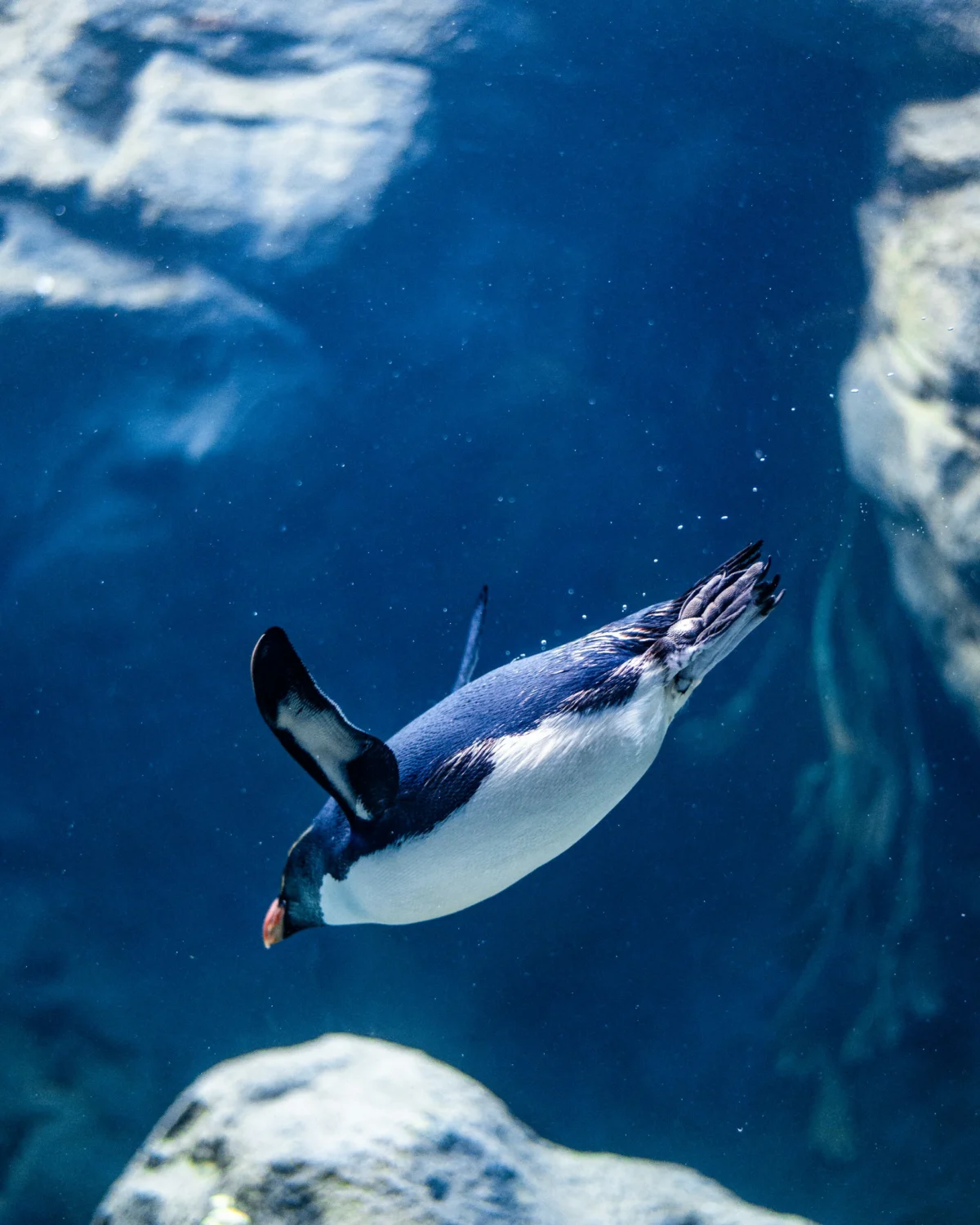
The endearing waddle of penguins has captivated observers for centuries, creating an optical illusion that makes their legs appear to sprout directly from their bodies. This characteristic gait, however, often sparks a fundamental question: do penguins possess knees, and if so, how do they facilitate their unique locomotion? Far from being legless wonders, penguins are indeed equipped with knees, a crucial yet hidden aspect of their remarkable anatomy that contributes significantly to their survival in some of the planet’s harshest environments. These knees, along with other skeletal adaptations, are key to their prowess both on land and in the water.
Unveiling the Hidden Anatomy: The Penguin’s Knee
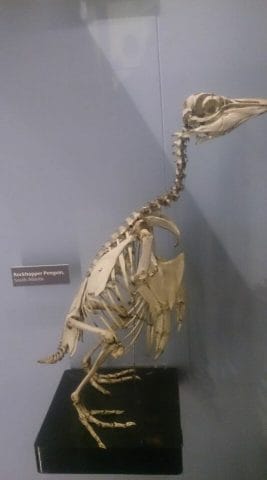
Yes, penguins unequivocally have knees. The common perception of their short legs is a misinterpretation of their skeletal structure, which is largely concealed beneath a dense layer of waterproof feathers. These feathers serve a dual purpose: insulation against extreme cold and streamlining for aquatic locomotion. Internally, a penguin’s leg anatomy mirrors that of other terrestrial vertebrates, including the presence of a femur (thigh bone), fibula, and tibia (lower leg bones), all connected by a knee joint.
Furthermore, penguins possess kneecaps, scientifically known as patellae. While not all bird species have distinct kneecaps, penguins do. Their patellae, however, are distinctively shaped – more cubical than the human triangular kneecap. This unique form allows the kneecap to fit snugly within the surrounding tendons, enabling efficient flexion of the knee joint during locomotion. This adaptation is critical for their bipedal movement on land and their powerful propulsion through water.
A Skeletal Blueprint for Survival
To understand the penguin’s gait, one must delve into its skeletal structure. When examining a penguin’s skeleton, it becomes evident that their legs are, in fact, relatively long compared to their torso. The visual effect of short legs is achieved because the majority of these bones, including the upper leg and knee, are positioned high up within the bird’s body and are covered by thick plumage. This arrangement creates the characteristic upright posture and the illusion of extremely short limbs.
The penguin’s femur, or thigh bone, is notably shorter than that of humans and connects to the pelvis, forming a hip joint. This joint is crucial for supporting their body weight and enabling movement. The bones of penguins are also significantly denser and heavier than those of flying birds. This is a direct evolutionary consequence of their flightless nature and aquatic lifestyle. Unlike flying birds, which require lightweight, hollow bones for aerial maneuverability, penguins benefit from solid, heavy bones that reduce buoyancy, allowing them to dive deeper and swim with greater efficiency. This heavier bone mass is a testament to the trade-offs driven by adaptation to their specific ecological niche.
The knee joint itself is held in a perpetually bent position to maintain the vertical alignment of the lower legs. While this limits the range of motion at the knee compared to humans, it is perfectly suited for their needs. The presence of a protective kneecap further safeguards this vital joint from injury, especially during strenuous activities like diving or navigating icy terrain. The knee joint can be located just above the tip of a penguin’s flippers when viewed externally, underscoring how high it is positioned within their body.
The Lower Leg and the Mighty Foot
The lower leg bones, comprising the tibiotarsus (analogous to the human tibia), are the longest segments of a penguin’s leg skeleton. Their considerable length, positioned beneath the concealed upper leg and knee, contributes to the appearance of stubby limbs. These long lower legs, coupled with the powerful, webbed feet, are instrumental in their terrestrial and aquatic locomotion.
Penguin feet are a marvel of adaptation. Large and webbed, they provide excellent traction on slippery surfaces and act as powerful paddles in the water. They are equipped with sharp claws that aid in grasping prey and navigating icy terrains. The large surface area of their feet, along with their powerful ankles, allows them to maneuver effectively in both aquatic and terrestrial environments, providing stability on land and propulsion in the water. It is often the powerful ankle joint, located lower down the leg and more visible than the knee, that observers mistakenly identify as the knee.
Functional Adaptations: The Role of Penguin Knees
The penguin’s knees are not merely vestigial structures; they are vital components that facilitate a range of essential functions.
Propulsion and Stability in Water
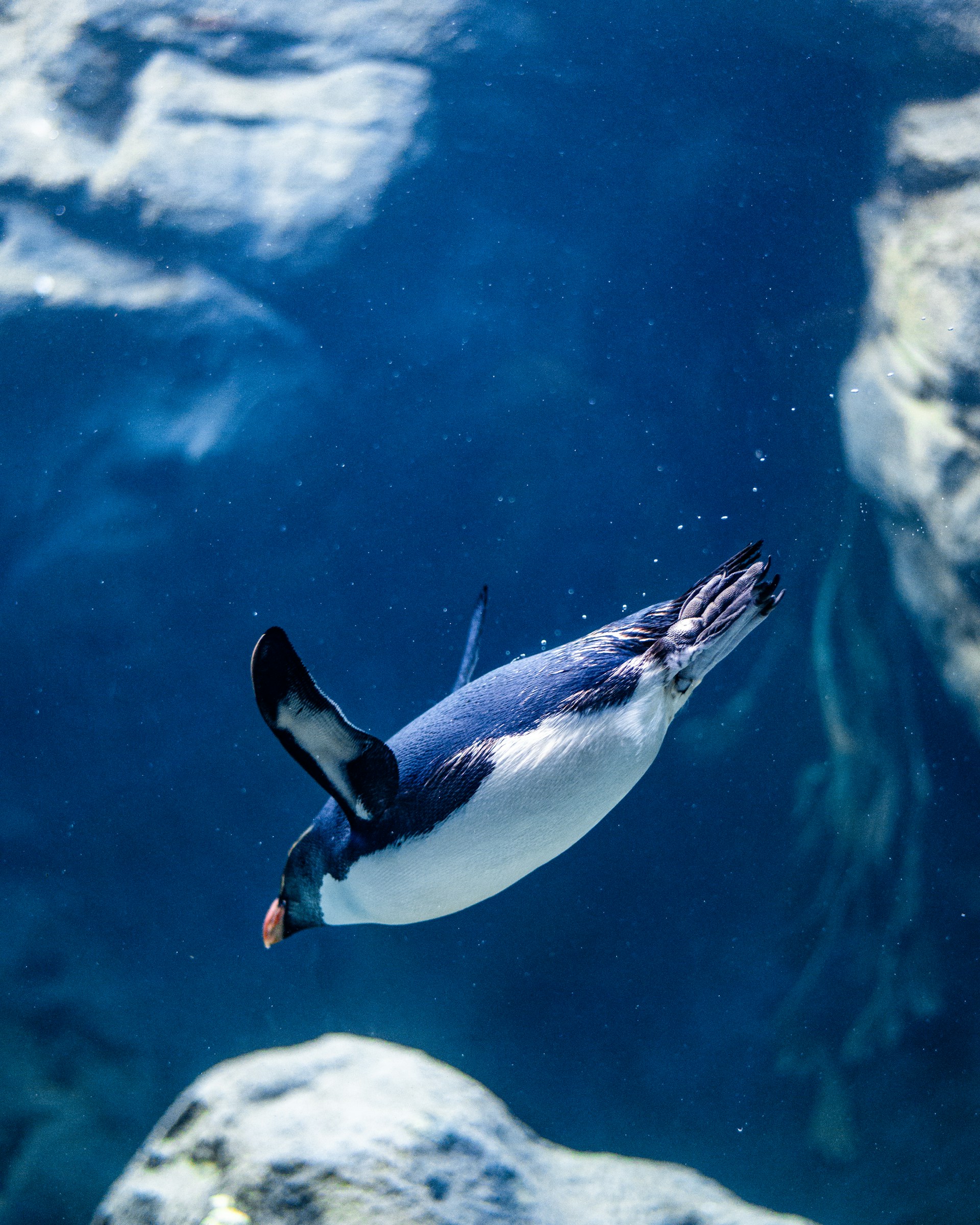
The primary role of the penguin’s knees, particularly their ability to remain bent, is to facilitate powerful forward propulsion through water. By keeping their lower legs vertically aligned, they can generate maximum thrust with each stroke of their feet. This streamlined position, enabled by the high-set knees, is crucial for their hunting efficiency and predator evasion. Their ability to slice through the water with speed and agility is a direct benefit of this specialized leg structure.
Terrestrial Locomotion and Balance
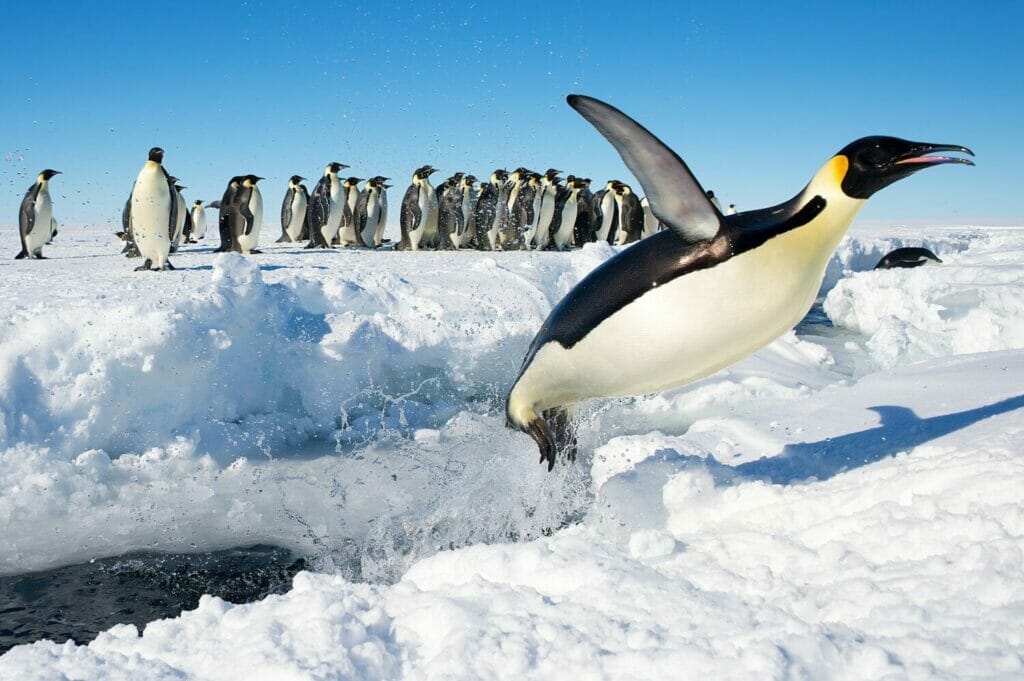
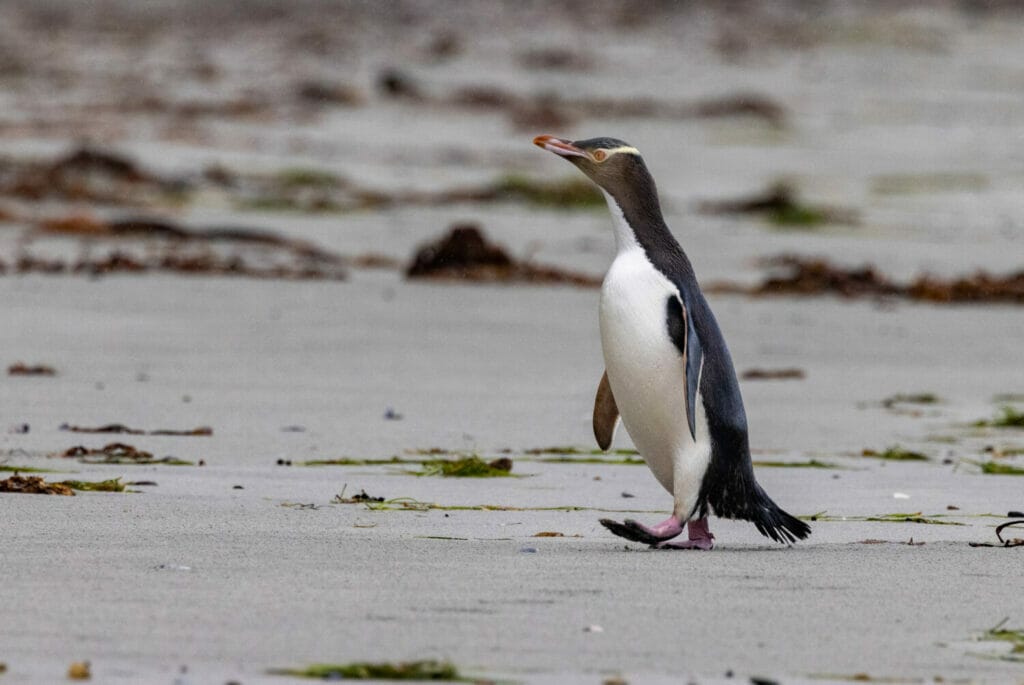
On land, the bent knees allow penguins to maintain a stable upright posture, essential for navigating uneven and often icy surfaces. The flexibility afforded by the knees, combined with their large feet and powerful ankles, enables them to walk with a characteristic waddle, which is an efficient mode of transport for their body shape and mass. This waddle also allows them to "slice" or slide down snowy banks, a common behavior for quick descent.
Resting and Incubation
Even seemingly passive activities like sleeping and incubating eggs are influenced by the penguin’s knee structure. Penguins can stand or even sleep while standing, utilizing their knee joints to maintain balance. More critically, during the breeding season, many penguin species, particularly males in harsh Antarctic conditions, incubate their single egg by carefully balancing it on their feet and tucking it under a brood patch. The knees play a role in supporting the egg and keeping it elevated from the freezing ground, ensuring its warmth and survival. This delicate balancing act is a testament to the intricate coordination of their skeletal and muscular systems.
The Enigma of the Waddling Gait
The penguin’s distinctive waddle, despite the presence of functional knees, is a result of several interconnected factors. It is not an indication of impaired locomotion but rather a highly evolved strategy for energy conservation and efficient movement given their unique physiology.
The Influence of Large Feet and High Knees
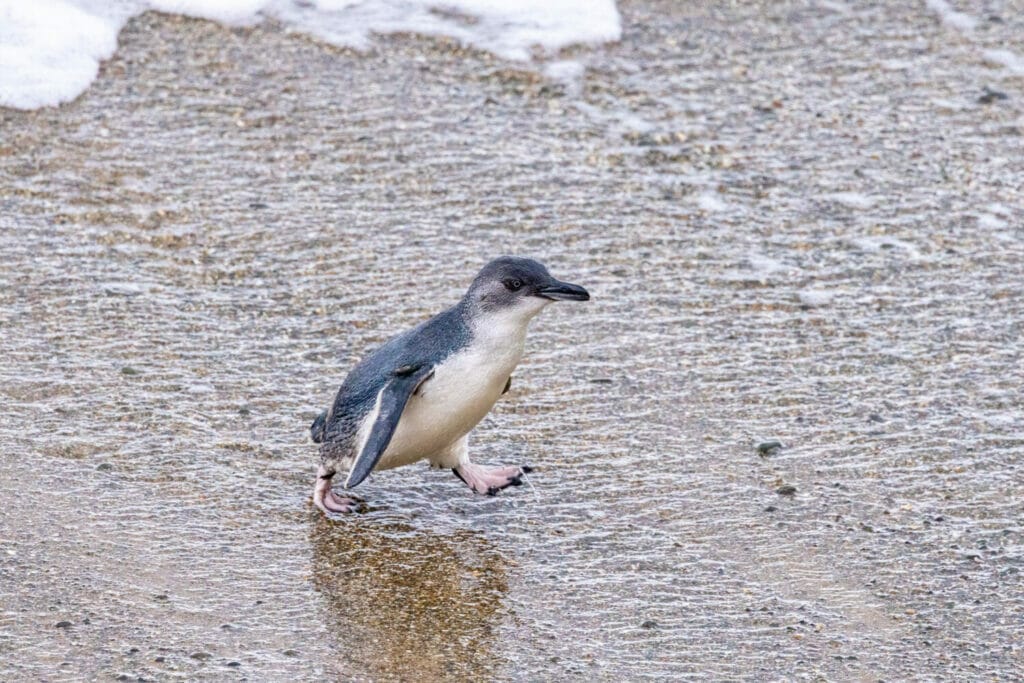
The sheer size of a penguin’s feet, essential for their aquatic and terrestrial capabilities, makes graceful, rapid movement on land challenging. The effort required to swing such large appendages with each step would be energetically costly. Furthermore, the high position of their knees, while beneficial for swimming, creates a relatively short stride length on land. The waddle effectively compensates for these constraints, allowing them to move forward with minimal energy expenditure.
Body Shape and Skeletal Integration
Penguins possess a streamlined, torpedo-like body shape, optimized for hydrodynamics. Their skeletal structure, including the leg bones, occupies a significant portion of this internal volume. The waddling gait is the most practical and efficient way for them to propel this substantial body mass forward on two legs. It minimizes side-to-side swaying and maximizes forward momentum with each step.
Energy Conservation: A Primal Drive
Perhaps the most significant reason for the waddle is energy conservation. As bipedal animals with substantial body mass, walking upright can be energetically demanding for penguins. The Antarctic and sub-Antarctic environments they inhabit are characterized by scarce food resources and extreme temperatures, making energy efficiency paramount for survival. Waddling allows them to conserve precious energy that can be redirected towards essential activities like foraging, breeding, and thermoregulation. Studies on penguin energetics have shown that their waddling gait is remarkably efficient, consuming less oxygen per unit of distance traveled compared to a more upright, human-like walk, especially given their body mass. This evolutionary adaptation ensures their long-term survival in challenging conditions.
Broader Implications and Future Research
The study of penguin anatomy, particularly their skeletal adaptations, offers valuable insights into the principles of biomechanics and evolutionary biology. Understanding how these flightless birds have optimized their bodies for survival in diverse aquatic and terrestrial environments can inform research in fields ranging from robotics to prosthetics.
The dense bone structure, for instance, has implications for understanding bone strength and resilience. The mechanics of their waddling gait can inspire the design of more energy-efficient robotic locomotion systems. Furthermore, the penguin’s ability to thrive in extreme cold environments highlights the intricate interplay between physiology, anatomy, and environmental adaptation.
Ongoing research continues to explore the nuances of penguin locomotion, including the precise mechanics of their knee articulation and the energetic costs associated with different gaits. As climate change impacts polar ecosystems, understanding these adaptations becomes even more critical for assessing the vulnerability and resilience of penguin populations worldwide. For example, changes in sea ice extent and prey availability directly affect the energy reserves available to penguins, making their energy-efficient locomotion even more vital.
Frequently Asked Questions About Penguins
Where do penguins live?
Penguins are exclusively found in the Southern Hemisphere. Their populations are most concentrated in Antarctica, but they also inhabit the coasts of South America, Africa, Australia, and New Zealand, as well as islands in the sub-Antarctic region.

How many penguin species are there?
There are currently 18 recognized species of penguins, each with unique characteristics and habitat preferences.
Are penguins truly birds?
Yes, penguins are unequivocally birds. They possess feathers, lay eggs, and have wings, even though these wings have evolved into flippers for swimming rather than for flight. Their classification as birds is based on these fundamental biological traits.
Besides Antarctica, where can one observe penguins?
Several locations outside of Antarctica offer excellent opportunities to see penguins. These include the Falkland Islands, South Georgia, the Galapagos Islands (Ecuador), the coastlines of South Africa, Australia (particularly Tasmania and Phillip Island), and New Zealand. Many of these locations offer tours and conservation initiatives that allow for responsible wildlife viewing.

