


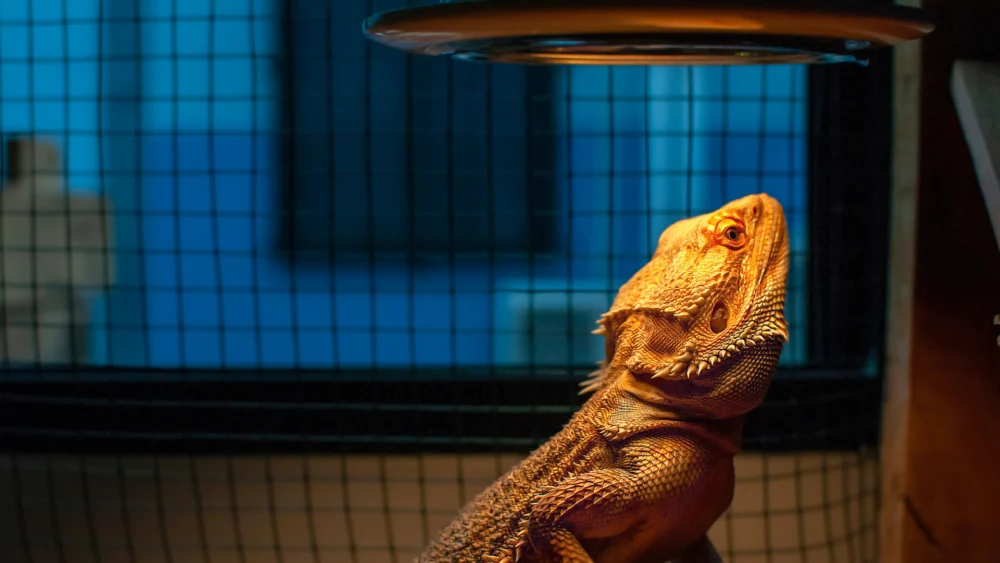
For decades, the exotic pet industry has relied on the vague marketing term “full-spectrum lighting” to describe products intended to mimic natural sunlight. However, as Dr. Mitchell noted in his recent clinical update, the term has been used and manipulated in various ways. The core of the current scientific discussion focuses specifically on UVB radiation (280–315 nanometers), which is the essential catalyst for the synthesis of Vitamin D3, a hormone critical for calcium metabolism and skeletal integrity.
The Biological Mechanism of Vitamin D3 Synthesis
To understand the necessity of UVB lighting, one must examine the complex photosynthetic and metabolic pathways it triggers within the animal’s body. The process begins with the conversion of 7-dehydrocholesterol into pre-vitamin D3 upon exposure to UVB rays. This pre-vitamin is then converted into Vitamin D3 through a temperature-dependent process, highlighting the synergy between lighting and thermal gradients in an enclosure.
Once synthesized, the hormone is transported to the liver, where it undergoes hydroxylation to become 25-hydroxyvitamin D3. The final and most crucial step occurs in the kidneys, where it is converted into 1,25-hydroxyvitamin D3, the active form of the hormone. This active metabolite is responsible for regulating calcium absorption in the gut; without it, many exotic species face metabolic bone disease (MBD), reproductive failure, and secondary nutritional hyperparathyroidism.
Expanding the Scope: Beyond Diurnal Reptiles
Historically, UVB supplementation was considered a requirement only for diurnal reptiles, such as green iguanas and bearded dragons. However, a significant portion of Dr. Mitchell’s research involves proving that a much wider array of species benefits from—and may require—UVB exposure.
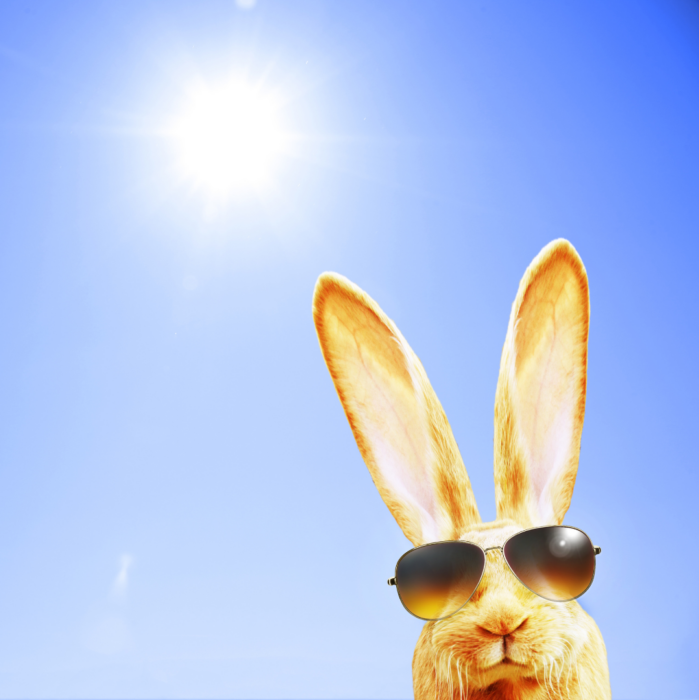
Recent studies have confirmed that carnivorous reptiles, such as corn snakes, and crepuscular species, like leopard geckos, show a marked increase in circulating Vitamin D3 concentrations following UVB exposure. Even more surprising to many in the veterinary community is the data regarding small mammals. Research conducted on rabbits, guinea pigs, and chinchillas—species traditionally kept indoors without supplemental lighting—indicates that they also benefit from UVB radiation. This suggests that the evolutionary need for sunlight-driven Vitamin D3 synthesis is more conserved across vertebrate taxa than previously recognized.
A Chronology of Evidence-Based Milestones
The evolution of UVB research has moved through several distinct phases over the last three decades:
- 1991–1997: Early foundational studies by Bernard and Oftedal established the response of Vitamin D-deficient green iguanas to artificial ultraviolet light, marking the beginning of "full spectrum" awareness.
- 2006–2010: Research expanded into avian species and snakes. Studies on African grey parrots and corn snakes began to suggest that dietary Vitamin D might not be sufficient for all species.
- 2014–2018: A surge in research regarding small mammals and nocturnal reptiles. Studies on domestic rabbits and leopard geckos proved that even species active in low-light conditions utilize UVB for hormone synthesis.
- 2022–2025: The most recent data, including studies on blue-tongued skinks and Blanding’s turtles, has focused on "dosing" and the "decay rate" of Vitamin D3 once UVB is removed.
- 2026: Current findings by Dr. Mitchell emphasize a "less is more" approach, focusing on restricted exposure times to maximize health while minimizing the risk of radiation-induced damage.
The Technical Challenges of Commercial Lighting
One of the primary hurdles for pet owners and veterinarians is the inconsistency of commercial lighting products. Dr. Mitchell emphasizes that not all bulbs are created equal. While many bulbs are marketed as providing UVB, their actual output can vary wildly based on the manufacturing process and the age of the bulb.
To ensure safety and efficacy, Dr. Mitchell recommends the use of radiometers or photometers to measure the actual intensity of radiation reaching the animal. The distance between the bulb and the basking site is a critical variable; a bulb placed too far away provides negligible benefits, while one placed too close can cause severe injury. Furthermore, the common practice of placing lights over glass or plexiglass lids is counterproductive, as these materials effectively block or diffract the majority of UVB wavelengths. While mesh lids are a viable alternative, they still diffract some radiation, meaning the output must be measured from the animal’s perspective within the enclosure.
Clinical Recommendations: The Concept of "Dosing"
Perhaps the most provocative aspect of Dr. Mitchell’s current recommendations is the shift toward restricted "dosing" of UVB. Traditionally, pet owners have kept UVB lights on for the duration of the 12-hour photoperiod. However, Dr. Mitchell’s research on blue-tongued skinks and leopard geckos suggests that shorter, more intense exposure may be safer and equally effective.
In his clinical practice, Dr. Mitchell now recommends no more than two hours of UVB lighting per day for many species. This recommendation stems from a desire to provide the benefits of Vitamin D3 synthesis while drastically reducing the risk of adverse effects. Data from blue-tongued skinks showed that animals exposed to UVB for only two hours daily maintained healthy Vitamin D3 levels for months even after the light was removed, suggesting that the body is highly efficient at storing the hormone.
Risks and Adverse Effects of Overexposure
While the benefits of UVB are clear, the risks of artificial radiation cannot be ignored. Dr. Mitchell has documented cases of photokeratitis—an inflammatory condition of the cornea—in reptiles exposed to certain types of high-output artificial UVB. In most cases, removing the light source allowed the condition to resolve, but it serves as a warning against the "more is better" philosophy.
There is also emerging concern regarding skin cancer in exotic species. Bearded dragons, in particular, have shown a susceptibility to squamous cell carcinoma, which may be linked to prolonged exposure to high-intensity artificial UVB. By limiting exposure to two hours a day, veterinarians hope to provide a "safety buffer" that mimics the natural behavior of animals that move in and out of direct sunlight in the wild.
Broader Implications and Industry Impact
The move toward evidence-based lighting has significant implications for the pet industry and wildlife conservation. For instance, in wildlife rehabilitation settings, providing natural sunlight or metered UVB to nestling birds, such as black-crowned night herons, is now considered essential for preventing developmental deformities before they are released.
The findings also extend to the aquatic realm. Recent research into Atlantic salmon and rainbow trout has shown that UVB exposure stimulates Vitamin D3 production in fish, a group previously thought to rely almost entirely on dietary sources. This could revolutionize how public aquariums and commercial hatcheries manage lighting for aquatic health.
For the average pet owner, these findings underscore the importance of professional guidance. Rather than relying on the instructions on a light bulb box, owners are encouraged to work with exotic animal veterinarians to develop a lighting schedule tailored to their specific animal’s needs and enclosure setup.
Future Directions in Research
As the field of zoological medicine continues to evolve, Dr. Mitchell and his colleagues are calling for more species-specific data. While the "Ferguson Zones"—a system that categorizes reptiles based on their natural sun-basking behavior—provide a useful framework, they do not yet fully account for the physiological differences in endotherms like birds and mammals.
The goal for the next decade of research is to establish clear reference ranges for Vitamin D3 across all commonly kept exotic species. By treating UVB as a "dose-dependent medication" rather than a simple cage accessory, the veterinary community can continue to improve the longevity and quality of life for animals in captivity.
Ultimately, the shift toward evidence-based UVB lighting represents a maturation of exotic pet husbandry. It acknowledges that while we may never perfectly replicate the sun, we can use scientific data to provide a safe, effective, and measured alternative that supports the complex biological needs of the diverse species under our care.

