


Since 2010, the remote and biodiverse region of La Moskitia, Honduras, has been the epicenter of a critical conservation initiative led by One Earth Conservation in steadfast partnership with its indigenous communities, aiming to safeguard native macaw populations and their vital nesting sites from relentless poaching. This collaborative endeavor has yielded significant successes, with over 1,000 nests protected and hundreds of magnificent birds successfully rehabilitated and returned to the wild, yet the battle remains far from over as approximately 20% of these crucial nests continue to fall victim to poachers despite the communities’ enhanced vigilance and constant patrolling efforts.
La Moskitia: A Sanctuary Under Siege
La Moskitia, a sprawling, largely undeveloped forest, stands as the second-largest contiguous forest ecosystem in Mesoamerica, straddling the border between Honduras and Nicaragua. This ecological treasure trove is a mosaic of rainforests, wetlands, and savannas, renowned for its extraordinary biological diversity. It serves as a vital sanctuary for an array of wildlife, including iconic parrot species such as the vibrant Scarlet Macaw ( Ara macao) and the critically endangered Great Green Macaw (Ara ambiguus). Several indigenous groups, including the Miskito, Tawahka, Pech, and Garifuna peoples, have coexisted with this rich environment for centuries, their cultures deeply intertwined with the health of the forest. However, this remote paradise faces an onslaught of persistent conservation challenges that threaten its delicate balance and the survival of its unique inhabitants.
The primary threats mirror those plaguing many other critical ecosystems globally: rampant cattle ranching, which drives extensive deforestation and habitat fragmentation; the pervasive illegal trafficking of flora and fauna, fueled by international demand for exotic pets and timber; and illicit land grabs, which erode indigenous land rights and further accelerate habitat destruction. The economic incentives for these illegal activities often outweigh the risks for impoverished local populations, creating a complex socio-economic dilemma that conservationists must navigate. For instance, reports indicate that the rate of deforestation in Honduras, largely driven by agricultural expansion and cattle ranching, remains alarmingly high, contributing to the loss of critical forest cover at an average of 3.8% annually in certain areas, directly impacting macaw nesting habitats.
The Magnificent Macaws of Mesoamerica
The Scarlet Macaw, with its unmistakable brilliant red, yellow, and blue plumage, is not merely a symbol of tropical beauty but also an ecological linchpin. These highly intelligent and social birds play a crucial role in forest regeneration as prolific seed dispersers. They typically form monogamous pairs, nesting in large tree cavities, often in towering old-growth trees that are increasingly scarce due to logging and agricultural expansion. Their long breeding cycles and dependence on specific nesting sites make them particularly vulnerable to poaching, which often targets chicks directly from nests. While still listed as ‘Least Concern’ by the IUCN Red List, local populations, particularly in Central America, face significant declines.
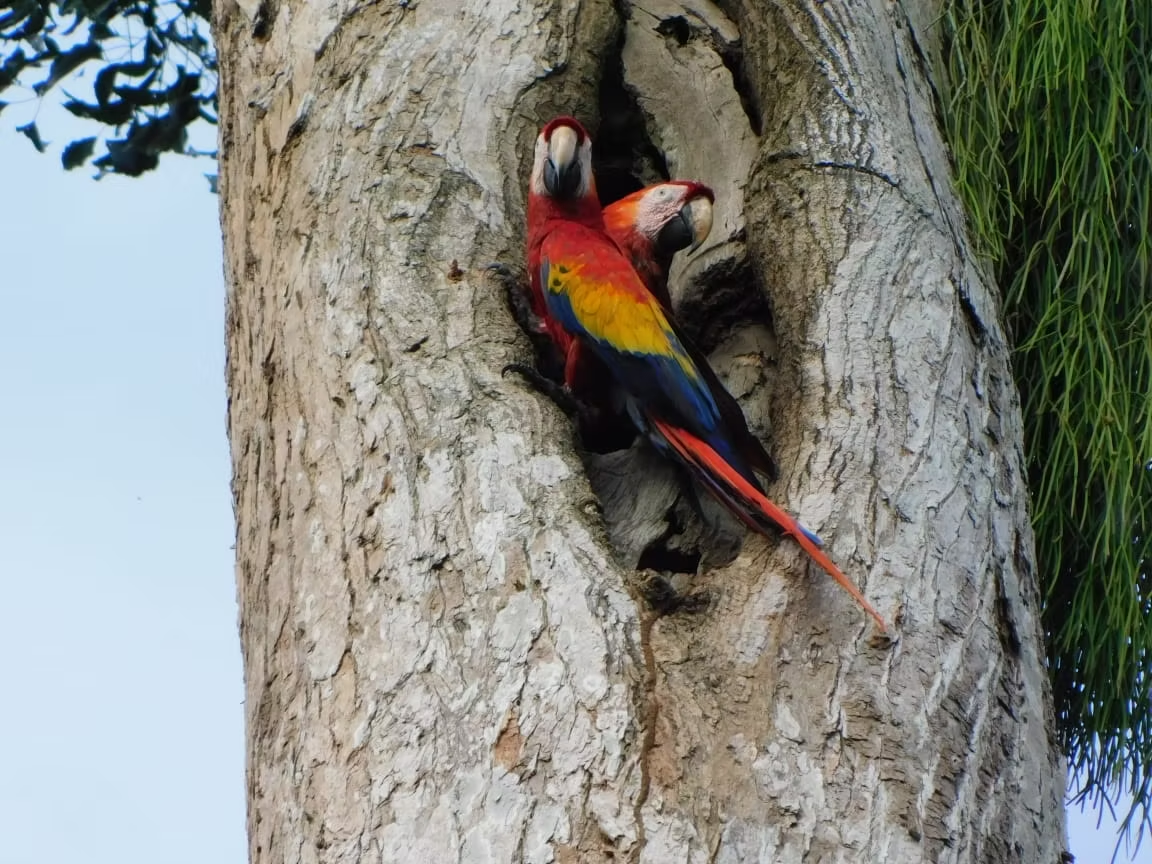
The Great Green Macaw, by contrast, is a far rarer and more elusive species. Distinguished by its striking lime-green plumage, accented with patches of red and blue, it is larger than its scarlet cousin and has more specialized habitat requirements, often relying heavily on the Dipteryx panamensis (almendro) tree for both nesting and food. Classified as ‘Endangered’ by the IUCN, its populations have suffered drastic declines across its range due to habitat loss and the illegal pet trade. Protecting these species is not just about saving individual birds; it is about preserving the intricate ecological processes that sustain the entire La Moskitia ecosystem. The loss of these "umbrella species" would inevitably lead to a cascade of negative impacts on countless other plant and animal species that share their habitat.
A Chronicle of Conservation and Community Empowerment
One Earth Conservation’s engagement in La Moskitia dates back over 15 years, with Dr. LoraKim Joyner, a driving force behind the organization, having been deeply involved with the local villagers for much of that time. The initiative is built upon a philosophy of "Unconditional Solidarity" and "Transformative Conservation," recognizing that lasting success hinges on empowering indigenous communities as the primary stewards of their ancestral lands. This approach diverges from traditional top-down conservation models by centering the needs, knowledge, and leadership of the local people.
Since the formal collaboration began in 2010, the efforts have focused on direct protection of nests during the critical breeding season, establishing local "Parrot Ranger" programs, and fostering a sense of shared responsibility for the macaws. The milestone of over 1,000 nests protected represents a monumental achievement in a region where economic hardship often pushes individuals towards illegal activities. Each protected nest signifies a potential new generation of macaws, contributing to the slow but vital process of population recovery. The return of hundreds of confiscated or rescued birds to the wild further underscores the dedication and effectiveness of the program, requiring meticulous rehabilitation efforts and careful reintroduction protocols to ensure their survival.
However, the persistent poaching of approximately 20% of nests highlights the enduring challenges. Poachers, often well-organized and operating with a degree of impunity, capitalize on the vastness and remoteness of La Moskitia, making comprehensive surveillance incredibly difficult. The black market demand for macaws, driven by the exotic pet trade in both domestic and international markets, ensures that the financial incentives for poaching remain high. A single macaw chick can fetch hundreds, even thousands, of dollars, a sum that can be life-changing in communities with limited economic opportunities. This underscores the need for not just protection, but also sustainable alternative livelihoods and robust law enforcement.
The Indigenous Guardians: Parrot Rangers on the Front Lines
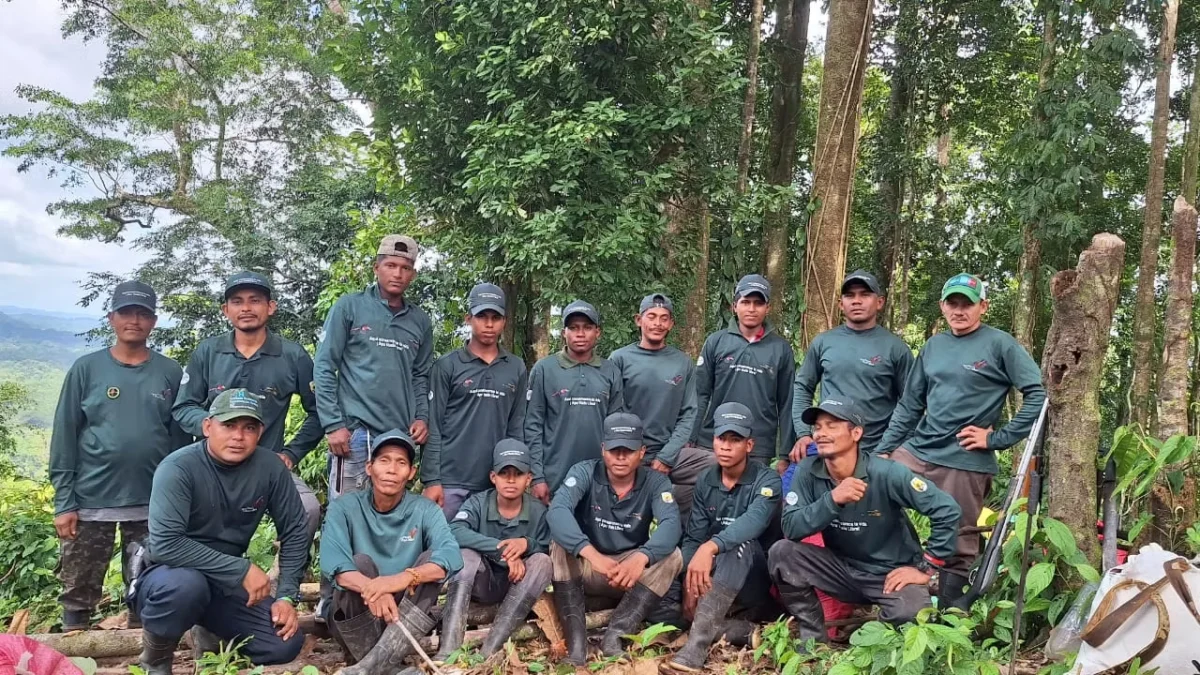
At the heart of One Earth Conservation’s strategy are the indigenous Parrot Rangers. These dedicated men and women, drawn from the local communities, possess unparalleled knowledge of the forest, its intricate pathways, and the habits of its inhabitants. Their daily lives are intertwined with the rhythms of La Moskitia, making them the most effective frontline defense against poachers. Equipped with basic monitoring tools and a profound commitment to their cultural heritage, they patrol vast territories, identify nesting sites, and maintain constant vigilance during the vulnerable breeding season.
The role of the Parrot Rangers extends beyond mere patrolling; they are educators within their communities, raising awareness about the importance of conservation and the long-term consequences of poaching. Their presence acts as a deterrent, but also as a symbol of community resolve. Their efforts are often fraught with danger, as they confront poachers who may be armed or aggressive. This community-led approach not only protects the macaws but also strengthens indigenous governance, reinforces traditional knowledge systems, and provides meaningful employment opportunities in areas where they are scarce. The success of this model is increasingly recognized globally as a vital component of effective biodiversity conservation, demonstrating that indigenous peoples are not just stakeholders, but essential leaders in environmental protection.
A Call to Heightened Vigilance: The 2024 Breeding Season Campaign
The months of March through August mark the critical breeding season for macaws in La Moskitia, a period of heightened vulnerability when nests are most susceptible to poaching. Recognizing this urgency, Dr. LoraKim Joyner plans to once again stand in solidarity with the villagers, personally participating in the vigilance efforts by camping under the forest canopy to help monitor the birds and their nests. This act of direct engagement underscores the severity of the situation and the personal commitment of the conservationists.
Despite the unwavering dedication of the Parrot Rangers and Dr. Joyner, the scale of the challenge necessitates broader support. There is a perpetual need for additional personnel to help patrol the vast forest, supplementing the efforts of the local guardians. Public awareness, both locally and internationally, is also crucial to garner financial and volunteer support, as well as to put pressure on demand for illegal wildlife products.
In response to this pressing need, One Earth Conservation has launched a major campaign from March through August this year, designed to amplify awareness about the plight of La Moskitia and its threatened parrots. This multifaceted campaign includes:
- Public Demonstrations: Local actions to mobilize community support and draw attention to the issue.
- Regular Reports: Updates on nest activity, bird sightings, and conservation progress, providing transparency and engaging stakeholders.
- Online Engagement: Facebook and Zoom meetings offering unique opportunities for the global public to interact directly with indigenous conservationists, hear their stories, and understand the challenges firsthand.
- Exploration of Core Themes: Deeper dives into the concepts of "Unconditional Solidarity" and "Transformative Conservation," explaining how these philosophies guide the work and offer a blueprint for sustainable conservation practices worldwide. Unconditional Solidarity emphasizes supporting communities without preconditions, recognizing their inherent value and capacity, while Transformative Conservation seeks to address the root causes of environmental degradation by fostering systemic change and empowering local leadership.
Global Solidarity: A Shared Responsibility
The monumental task of protecting La Moskitia’s macaws cannot be shouldered by One Earth Conservation and the local villagers alone. It requires a concerted effort from the global community. Individuals can contribute in several impactful ways:
- Spreading the Word: Utilizing social media platforms to disseminate information about "Unconditional Solidarity" and the critical work being done, raising awareness among a wider audience.
- Financial Contributions: Making a donation to One Earth Conservation provides tangible support for essential resources, such as salaries for additional patrollers, equipment, and educational materials. The recent donation from Lafeber, specifically earmarked to fund more patrollers during this year’s breeding season, exemplifies the direct impact such contributions can have.
- Volunteering In-Person: For those able to commit more directly, joining the team in Honduras offers an immersive experience and direct participation in conservation efforts. An "Interest Form" is available for those seeking more information on how to contribute either online or in person.
As Dr. Joyner profoundly states, "Consider taking risks as these people have, because everything is at risk." This powerful sentiment underscores the existential nature of the conservation crisis in La Moskitia. The risks taken by indigenous communities to protect their natural heritage are immense, encompassing personal safety, economic sacrifice, and constant vigilance against formidable adversaries. Their courage serves as a stark reminder that the stakes are incredibly high, not just for the macaws, but for the entire ecosystem and the future of human-nature coexistence.
Broader Implications and the Path Forward
The conservation efforts in La Moskitia hold implications far beyond the survival of two macaw species. They represent a microcosm of the global struggle against biodiversity loss and the imperative of climate action. The success or failure of this initiative will have cascading effects on:
- Global Biodiversity: The Great Green Macaw, in particular, is a critically endangered species whose loss would represent an irreplaceable void in global avian diversity. Protecting these macaws helps preserve the rich genetic heritage of the planet.
- Ecosystem Health: Macaws are crucial seed dispersers. Their decline impacts forest regeneration and overall ecosystem health. By protecting them, the entire forest ecosystem, including countless other species, benefits.
- Indigenous Rights and Empowerment: The model of community-led conservation strengthens the land rights and cultural sovereignty of indigenous peoples, recognizing their traditional ecological knowledge as indispensable to sustainable resource management. It demonstrates that empowering local communities is often the most effective and equitable path to conservation.
- Combating Illegal Wildlife Trade: Success in La Moskitia can serve as a powerful deterrent to poachers and contribute to broader efforts to dismantle illegal wildlife trafficking networks that operate on a global scale, often intertwined with other criminal enterprises.
- Sustainable Development: By offering alternative, sustainable livelihoods through conservation, the project addresses the root causes of poverty that often drive illegal activities, fostering long-term economic stability and environmental stewardship.
The ongoing struggle in La Moskitia is a testament to the resilience of both nature and humanity. It highlights the urgent need for unwavering support, innovative strategies, and genuine partnership between international organizations and indigenous communities. The future of the Scarlet and Great Green Macaws, and indeed the future of one of Mesoamerica’s most vital forest ecosystems, hinges on the collective commitment to "Unconditional Solidarity" and the belief that every protected nest, every returned bird, and every empowered ranger brings us closer to a world where humanity and nature can thrive in harmony.

