


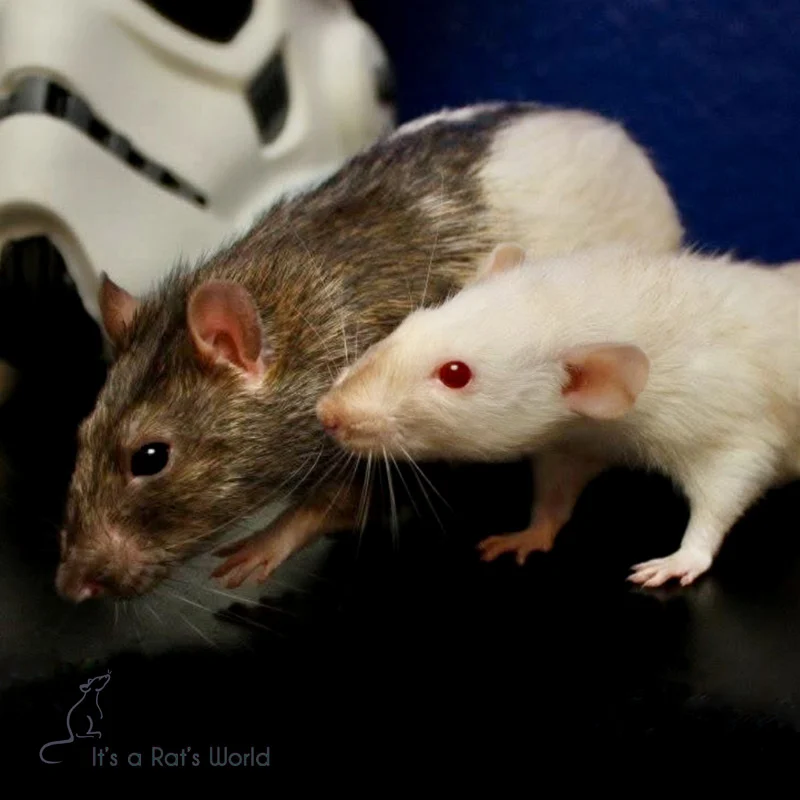
A common question from people considering rats as pets is, "Should I get males or females?" To which I would answer, "Either, they are both great!" The decision of whether to welcome male or female rats into one’s home is often met with curiosity, and understanding the nuances between the sexes can significantly enhance the pet ownership experience. Both male and female rats possess unique characteristics that make them wonderful companions, and the choice ultimately hinges on individual preferences and lifestyle. This comprehensive guide delves into the physical, behavioral, and aromatic differences, as well as the implications of spaying and neutering, to equip prospective owners with the knowledge needed to make an informed decision.
Understanding the Appeal of Rats as Pets
Rats, often misunderstood due to their wild counterparts, are highly intelligent, social, and affectionate creatures when kept as pets. Their capacity for bonding with humans is remarkable, and they can be trained to perform tricks, respond to their names, and even use a litter box. This article, drawing from extensive experience and observed data, aims to provide a balanced perspective on male and female rats, dispelling myths and highlighting the distinct qualities each sex brings to a household.
Physical Characteristics: Size and Coat
One of the most apparent distinctions between male and female rats lies in their physical size. On average, male rats tend to be larger than their female counterparts. Adult males typically measure between 10 to 12 inches in length, excluding their tails, and weigh approximately 450 to 650 grams (about 1 to 1.4 pounds). In contrast, female rats generally range from 9 to 10 inches in length, again excluding the tail, and weigh between 350 to 450 grams (about 12.3 ounces to 1 pound). However, it is crucial to note that these are averages, and individual variations are common. Some male rats may be smaller than larger females, and vice versa, influenced by genetics, diet, and overall health. For instance, exceptionally large male rats like Dover Cliffs have been recorded weighing a full 2 pounds (907 grams), while brothers Gatwick, Camdan, and Regent tipped the scales at around 850 grams (approximately 1.8 pounds). Conversely, some female rats can be quite substantial, matching the size of many males.
Beyond size, a subtle difference can be observed in their fur texture. Adult male rats, particularly those that are intact, tend to produce more oil on their backs. This oily secretion, known as "buck grease," can give their fur a slightly coarser feel and may appear orangish-yellow. In some cases, excessive buck grease can lead to skin irritation for the rat and may necessitate occasional cleaning. Neutering intact males often reduces or eliminates buck grease, leading to softer fur. Female rats typically maintain a softer coat throughout their lives.

Aromatic Distinctions: The Scent of Rats
A fascinating, and often surprising, aspect of rat ownership is the distinct aroma associated with each sex. Intact male and female rats possess unique scents that are easily distinguishable. Female rats often exude a fragrance reminiscent of grape soda, with undertones of fabric softener or floral notes. This pleasant aroma is quite appealing to many owners, who describe it as a delightful and refreshing scent.
Intact male rats, on the other hand, have a scent that is often described as similar to warm corn tortillas or tortilla chips. While this might sound unusual, it is generally considered more pleasant than it might initially appear. This scent is a natural byproduct of their hormonal activity. A significant observation is that when male rats are neutered, their scent often shifts, becoming more akin to the flowery, grape-like aroma typically associated with females. This change in scent can be a welcome benefit for owners who find the male aroma less appealing or who wish to reduce any potential odors.
The practice of "huffing," or deeply inhaling the scent of a rat’s fur, is a common behavior among dedicated rat owners. It highlights the pleasantness of their natural aromas when they are clean and well-maintained. However, it is important to be aware of situations where rats might become less fragrant. "Marinating" is a term used to describe a rat that has been sleeping in its own urine-soaked bedding, which can lead to an unpleasant odor. This behavior is more commonly observed in males but can occur in females as well. Regular cage cleaning and providing clean bedding are essential for maintaining a fresh environment.
Energy Levels and Personality Traits
The perception of energy levels and personality traits between male and female rats often leads to generalizations, but individual experiences can vary widely. A common belief is that males are lazier and more inclined to cuddle, while females are more energetic and less cuddly. However, this is not always the case.
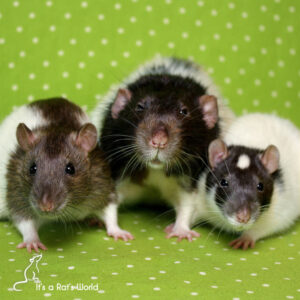
Younger male rats are typically quite active and playful. As they mature, especially if neutered, they may become more sedentary. However, a laid-back disposition does not automatically equate to being cuddly. Some male rats may prefer to rest near their owners rather than on them. Similarly, while some female rats can be exceptionally energetic, many, like their male counterparts, mellow out with age and can be just as affectionate and cuddly. The author’s personal experience indicates that spaying females at a young age might alter some of the hormonal-driven behaviors, such as restlessness and hyperactivity associated with being in heat, which occurs every four to five days in intact females. This suggests that the individual rat’s temperament, upbringing, and hormonal status play a more significant role than sex alone in determining their energy levels and sociability.
Behavioral Differences: Temperament and Marking
More significant behavioral differences emerge in temperament, particularly after social maturity, and in the propensity for urine marking. Rats reach puberty around 6 to 8 weeks of age, but social maturity, when behavioral changes can become more pronounced, typically occurs between 5 to 9 months for males. During this period, some male rats may experience a personality shift, becoming more agitated, easily irritated, or even aggressive towards cagemates or their owners. This is a hormonal phase, and it is relatively rare for it to be severe or permanent. Castration (neutering) can significantly mitigate these hormonal-driven behavioral issues, restoring a more docile temperament.
Introducing new rats, especially males to other males, can be a challenging endeavor. Even usually docile males can exhibit territorial behavior and aggression during introductions. This does not imply that male rats inherently cannot coexist; rather, it means that introducing them requires more patience and careful management. In cases where aggression becomes dangerous, separating groups or considering neutering are viable solutions.
Introductions between females or between males and females are often reported to be less stressful. However, female rats can also exhibit territoriality and resistance to new cagemates, particularly in middle age. Generally, however, female rats tend to be more accommodating during introductions than males.

Another notable behavioral difference is urine marking. Intact male rats are significantly more prone to marking their territory, including their owners and their belongings, with urine. While some males may reduce or cease this behavior once settled, others may continue throughout their lives. Female rats are far less likely to engage in urine marking. In terms of litter box training, females are generally considered easier to train, although neither sex consistently uses the litter box 100% of the time.
The Impact of Spaying and Neutering
Sterilization procedures, spaying for females and neutering for males, have profound impacts on both health and behavior, making them crucial considerations for pet owners.
Preventing Unplanned Litters
The most obvious benefit of spaying and neutering is the prevention of unwanted litters. Rats are prolific breeders, with females capable of having 8 to 18 babies per litter. If both sexes are housed together, even in adjacent cages, intact females can escape or become pregnant through cage bars. Sterilization ensures that such an "oops" litter is avoided, contributing to responsible pet ownership and helping to combat pet overpopulation.
Minimizing Health Risks
Sterilization plays a vital role in mitigating significant health risks for both male and female rats. Females are particularly susceptible to hormone-related health issues, most notably mammary tumors. They are also at risk for ovarian and uterine diseases, conditions that can significantly shorten their lifespan. Spaying female rats between 3 to 4 months of age, as opposed to later in life or not at all, can dramatically reduce their chances of developing these serious health problems. While some sources suggest a broader window of 3 to 7 months for optimal benefits, the consensus among trusted rat health resources favors the younger age.

The spaying procedure is more invasive than neutering and can be costly. However, the long-term health benefits are substantial. The author notes that out of her female rats, only Leeloo, who was spayed after her first birthday, developed mammary tumors, suggesting that early spaying is critical.
For male rats, neutering offers several health advantages. It reduces the risk of testicular cancer, though this is a rarer condition. It can also prevent the formation of a "penis plug" (vesical proteinaceous plug) in elderly or mobility-challenged males. While information on whether neutering reduces the incidence of mammary or pituitary tumors in males is less conclusive, the overall health benefits for both sexes are undeniable.
Improving Behavior and Reducing Aggression
Beyond health, spaying and neutering significantly improve behavior. For males, neutering is highly effective in reducing aggression, territorial urine marking, and the production of buck grease. This can lead to a more harmonious living environment for both the rats and their owners.
As previously mentioned, neutering can also curb behavioral issues that arise during social maturity in males, making them more docile and less prone to conflict with cagemates. For females, spaying can eliminate the hormonal fluctuations associated with being in heat, leading to a more stable and predictable temperament.

Mixing the Sexes: A Harmonious Coexistence
The decision to house male or female rats, or a combination of both, is a personal one, and each choice offers a unique experience. Many owners find immense joy in having both sexes, and it is not uncommon for rats of opposite sexes to form deep bonds. The author shares a touching anecdote about a male rat named Sirius and a female rat named Echo, who developed an inseparable bond. Even after Sirius’s neuter, their connection remained strong, and he stayed by Echo’s side during her final days, demonstrating the profound emotional capacity of these animals.
When housing males and females together, it is imperative that one of the sexes is sterilized to prevent accidental pregnancies. This responsibility ensures that the pet population remains manageable and that the focus can remain on providing excellent care for the existing pets.
Conclusion: A Rewarding Companionship
In conclusion, both male and female rats make exceptional pets, offering a wealth of affection, intelligence, and entertainment. The choice between them is not about superiority but about understanding their distinct characteristics and how they align with an owner’s lifestyle and preferences. While males may be larger and females more prone to certain health risks that can be mitigated by early spaying, and while intact males exhibit distinct scents and marking behaviors, these differences are manageable and often endearing aspects of rat ownership.
Ultimately, the decision to welcome rats into your home, whether male, female, or a mixed-sex group, is a commitment to providing a loving and enriching environment. By being informed about their physical traits, behaviors, and the benefits of sterilization, prospective owners can confidently select the companion that best suits their needs, ensuring a rewarding and fulfilling experience with these remarkable creatures. The journey of rat ownership is a testament to the diverse and captivating world of companion animals, where every individual, regardless of sex, has the potential to bring immense joy and a unique personality into our lives.

