


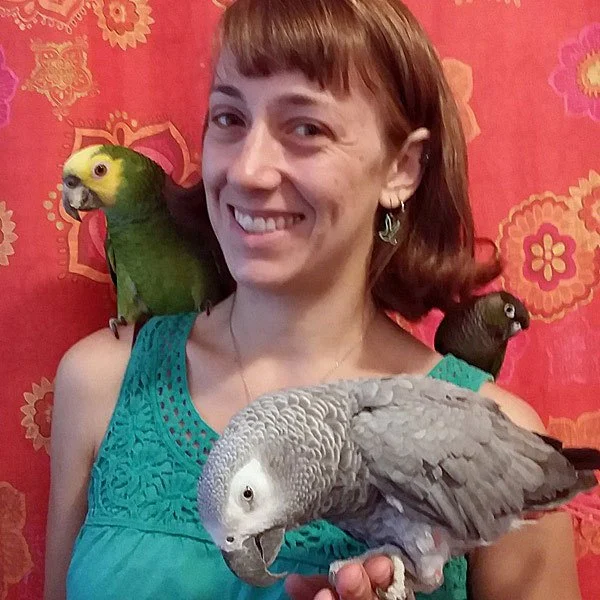
A pivotal educational event for avian enthusiasts and veterinary professionals alike is set to take place on Friday, April 10, 2026, with the "Avian Vet Insider – Avian Neoplasia, Part 1" webinar. Scheduled for 12:00 p.m. PST, this online session promises a comprehensive exploration into the complex and often distressing topic of cancer in pet birds, led by the distinguished avian veterinarian, Dr. Stephanie Lamb. Attendees are encouraged to utilize a reliable time zone converter to ensure timely participation from their respective locations. This webinar marks the first installment of a two-part series dedicated to unraveling the nuances of avian neoplasia, a broad disorder encompassing a wide array of pathological issues, from benign skin masses to aggressively incurable diseases.
Expert Guidance on a Sensitive Topic
Dr. Stephanie Lamb, a highly respected figure in avian medicine, will guide participants through this sensitive subject. Her extensive experience and dedication to avian health make her an ideal speaker to address the intricate nature of neoplasia in companion birds. While specific biographical details for Dr. Lamb are often highlighted in promotional materials for such events, her role in this webinar underscores her commitment to advancing the understanding and treatment of avian diseases. She is expected to draw upon a wealth of clinical knowledge and research to present a clear, yet thorough, overview of how cancer manifests in various avian species. The decision to dedicate a two-part series to this "heavy topic" reflects the depth and breadth of information required to adequately cover the subject, acknowledging the emotional and medical challenges it poses for both veterinarians and bird owners.
Understanding Avian Neoplasia: A Growing Concern
Avian neoplasia, or cancer in birds, is a multifaceted disease category that has garnered increasing attention within the veterinary community. Historically, cancer in birds was often underdiagnosed or considered rare, partly due to the challenges in early detection in species known for masking illness. However, with advancements in diagnostic techniques, increased longevity of pet birds due to improved care, and a greater understanding of avian pathology, neoplasia is now recognized as a significant health concern. Neoplasia refers to the uncontrolled, abnormal growth of cells, which can lead to the formation of tumors. These tumors can be benign (non-cancerous and typically localized) or malignant (cancerous, capable of invading surrounding tissues and metastasizing to distant sites).
The prevalence of specific types of cancer varies among avian species, influenced by genetic predispositions, environmental factors, diet, and age. For instance, certain species like budgerigars (melopsittacus undulatus) are known to have a higher incidence of kidney tumors, gonadal tumors, and lipomas, while cockatiels (nymphicus hollandicus) may be more prone to reproductive tract tumors. African grey parrots (psittacus erithacus) have been observed with a higher rate of thyroid carcinomas and fibrosarcomas. The webinar will delve into these common types, providing attendees with crucial information regarding their presentation, diagnosis, and potential management strategies.
Common Manifestations of Avian Cancer
The webinar’s first part is designed to illuminate both the more frequently encountered and some of the rarer forms of avian cancer. Among the common types Dr. Lamb is expected to cover are:
- Lipomas: These are benign fatty tumors, frequently observed in older, overweight birds, especially budgerigars, cockatiels, and Amazon parrots. While typically harmless, large lipomas can impede movement or rupture, necessitating surgical removal.
- Papillomas: Often viral in origin (avian polyomavirus or herpesvirus), these wart-like growths can occur internally (e.g., cloacal papillomas) or externally. Internal papillomas, particularly in the cloaca, can cause significant discomfort, bleeding, and predispose birds to secondary infections or even malignant transformation.
- Reproductive Tumors: Highly prevalent in female birds, especially those that are chronic egg layers or are older. These can include ovarian adenocarcinomas, oviductal carcinomas, and leiomyomas of the uterus. Symptoms often relate to egg-binding, abdominal distension, or changes in droppings.
- Renal Tumors: Kidney tumors are particularly common in budgerigars. They can cause lameness due to nerve compression, changes in urination, or general malaise. Diagnosis can be challenging due to their internal location.
- Pituitary Adenomas: These brain tumors, often seen in budgerigars, can lead to neurological signs such as seizures, head tilt, blindness, or behavioral changes.
- Squamous Cell Carcinomas: Malignant skin cancers that can appear as ulcerative or proliferative lesions, particularly on the beak, eyelids, or feet. They are aggressive and often locally invasive.
- Fibrosarcomas: Malignant tumors arising from fibrous connective tissue, which can occur almost anywhere in the body, often presenting as rapidly growing masses.
The discussion will also likely touch upon less common but equally devastating forms of cancer, such as lymphomas (cancers of the lymphatic system), leukemias (cancers of blood-forming cells), and various types of sarcomas and carcinomas affecting different organ systems. Understanding the diverse presentation of these diseases is critical for early detection and intervention.
Diagnostic Challenges and Advancements
Diagnosing neoplasia in birds presents unique challenges. Birds are prey animals by nature, often instinctively hiding signs of illness until a disease is significantly advanced. This innate behavior can delay diagnosis, impacting prognosis. The small size of many avian patients also makes diagnostic procedures more delicate.
Dr. Lamb’s presentation will likely address the various diagnostic modalities employed by avian veterinarians. These include:
- Physical Examination: A thorough palpation, visual inspection, and auscultation can reveal external masses, abdominal distension, or changes in body condition.
- Hematology and Biochemistry: Blood tests can indicate systemic inflammation, anemia, or organ dysfunction, though they are rarely definitive for cancer on their own.
- Diagnostic Imaging:
- Radiography (X-rays): Can identify bone lesions, organomegaly, or large masses within the coelomic cavity.
- Ultrasonography: Useful for evaluating soft tissue masses, abdominal organs, and identifying fluid accumulation.
- Computed Tomography (CT) and Magnetic Resonance Imaging (MRI): Offer highly detailed cross-sectional images, crucial for localizing tumors, assessing their extent, and planning surgical removal or radiation therapy. These advanced techniques are becoming more accessible in specialized avian practices.
- Cytology and Biopsy: The gold standard for definitive diagnosis. Cytology involves aspirating cells from a mass, while a biopsy involves surgically removing a tissue sample for histopathological examination. These procedures allow pathologists to determine whether a tumor is benign or malignant and to identify its specific cell type.
- Endoscopy: Minimally invasive procedure allowing direct visualization and biopsy of internal organs and masses.
The webinar will likely emphasize the importance of a multi-modal approach to diagnosis, combining clinical signs with advanced imaging and histopathology for the most accurate assessment.

Treatment Landscape and Prognosis
The treatment of avian neoplasia is as varied as its manifestations and often mirrors approaches used in human and mammalian veterinary oncology. Dr. Lamb is expected to discuss current therapeutic options, including:
- Surgery: Often the primary treatment for localized tumors, especially benign ones or early-stage malignant tumors. The feasibility depends on the tumor’s location, size, and invasiveness.
- Chemotherapy: The use of anti-cancer drugs, administered orally or by injection. While less commonly used in birds than in mammals due to concerns about side effects and efficacy in some avian species, it is a viable option for certain systemic cancers (e.g., lymphoma) or as an adjunct to surgery.
- Radiation Therapy: Targeted high-energy radiation to destroy cancer cells. This advanced treatment requires specialized equipment and expertise but can be highly effective for specific types of localized tumors, particularly those that are inoperable or only partially resectable.
- Supportive Care: Crucial for managing symptoms, improving quality of life, and supporting the bird’s overall health during treatment. This can include pain management, nutritional support, fluid therapy, and antibiotics for secondary infections.
- Palliative Care: For incurable or advanced cancers, the focus shifts to alleviating pain and discomfort, ensuring the bird’s comfort in its remaining time.
Prognosis for avian cancer varies widely depending on the type of cancer, its stage at diagnosis, the bird’s overall health, and the availability of appropriate treatment. Early detection significantly improves the chances of successful treatment and prolongs the bird’s life.
The Crucial Role of Education for Avian Welfare
This "Avian Vet Insider" webinar series underscores the critical role of ongoing education in enhancing avian welfare. For pet bird owners, understanding the signs of neoplasia, the diagnostic process, and treatment options can empower them to advocate effectively for their birds’ health. It can also help alleviate the distress and uncertainty often associated with a cancer diagnosis. For veterinary professionals, the webinar offers an opportunity to refine their knowledge, learn about the latest advancements, and improve their diagnostic and therapeutic skills in avian oncology.
The necessity of a two-part series for "Avian Neoplasia" highlights the complexity and sheer volume of information that needs to be covered. While Part 1 will likely lay the foundational understanding of common and rare types, diagnosis, and initial treatment approaches, Part 2 could potentially delve into more advanced topics. These might include emerging therapies, specific case studies, the psychological impact on owners, nutritional support strategies for cancer patients, or the ethical considerations surrounding end-of-life care. The comprehensive nature of this series is designed to provide a holistic view of the disease, from its cellular origins to its profound impact on avian patients and their human companions.
Logistical Details and Accessibility
The webinar’s online format ensures accessibility for a global audience of bird owners, breeders, aviculturists, and veterinary professionals. The specified time of 12:00 p.m. PST on April 10, 2026, necessitates careful time zone conversion for international participants to avoid missing this valuable session. Details regarding registration, including any associated fees and technical requirements, would typically be provided through the event organizer’s website or promotional channels. The interactive nature of such webinars often includes opportunities for live Q&A sessions with the expert, allowing attendees to address specific concerns and deepen their understanding.
Lafeber Company’s Commitment to Avian Health
While not explicitly stated in the provided snippet, the context of the image source (lafeber.com) strongly suggests that this webinar is organized or sponsored by Lafeber Company. Lafeber Company has long been a cornerstone in the avian community, renowned for its commitment to avian nutrition, research, and education. Founded by Dr. T.J. Lafeber, a pioneer in avian medicine, the company has consistently supported initiatives that promote the health and well-being of pet birds. Their sponsorship of educational webinars like "Avian Vet Insider" aligns perfectly with their mission to provide valuable resources and foster a knowledgeable community dedicated to avian care. Such partnerships are vital in disseminating cutting-edge information from leading experts to a broad audience, thereby elevating the standard of care for companion birds worldwide.
Broader Implications for Avian Medicine
The increasing focus on specific diseases like avian neoplasia reflects a broader trend in veterinary medicine: the specialization and advancement of care for exotic and non-traditional pets. As birds become more integrated into family life, the demand for sophisticated diagnostic and treatment options for their ailments grows. Webinars such as this one contribute significantly to this evolution by:
- Empowering Owners: Providing bird owners with the knowledge to recognize early signs, understand diagnostic processes, and make informed decisions about their bird’s care.
- Professional Development: Offering continuing education for veterinarians, ensuring they remain updated on the latest research and best practices in avian oncology.
- Raising Awareness: Normalizing discussions around challenging topics like cancer in pets, reducing stigma, and encouraging proactive health management.
- Fostering Research: Increased awareness and demand for better treatments can stimulate further research into the etiology, prevention, and therapy of avian cancers.
This "Avian Vet Insider" webinar on neoplasia represents a critical step forward in addressing one of the most challenging health issues facing pet birds today. By bringing together expert knowledge and a dedicated community, it aims to foster better understanding, promote earlier detection, and ultimately improve the quality of life for countless avian companions. Attendance at this first part is highly recommended for anyone seeking to deepen their understanding of this complex and vital area of avian medicine.

