


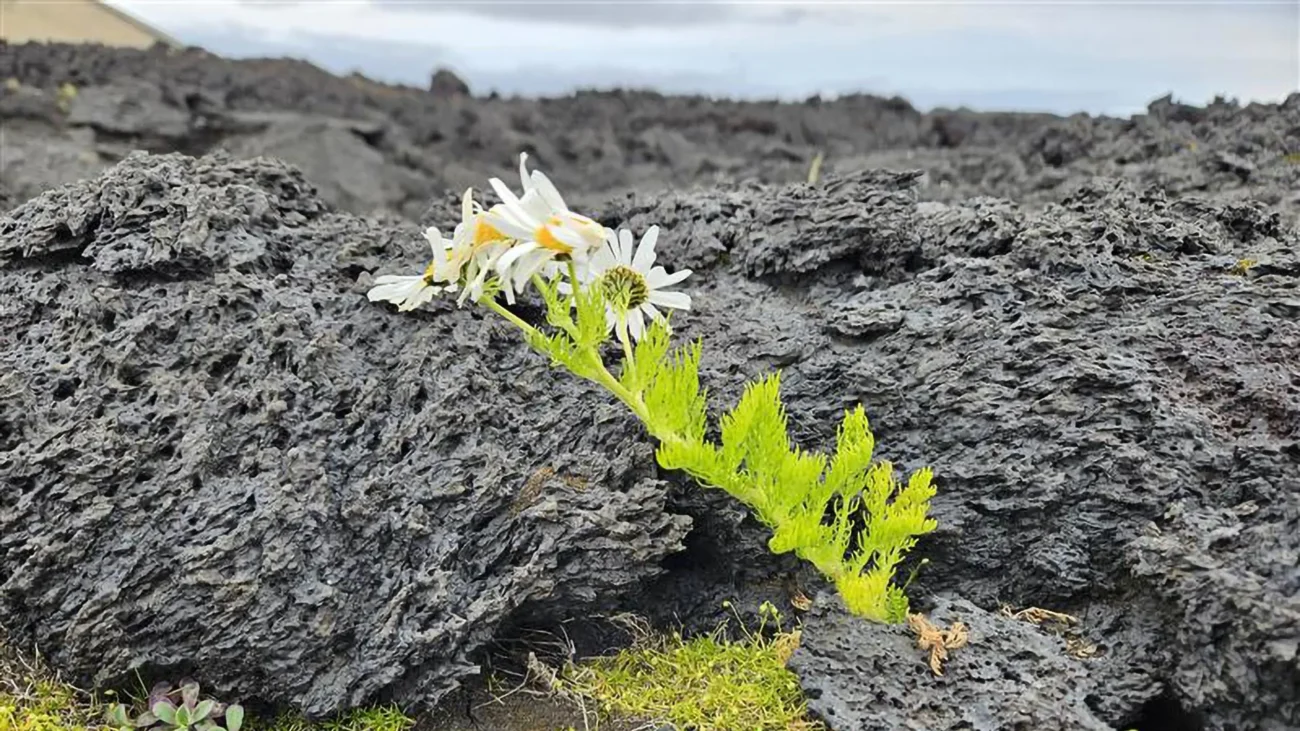
The dramatic emergence of Surtsey, a volcanic island in the North Atlantic, in 1963, offered humanity an unprecedented window into the fundamental processes of life’s genesis and proliferation. For decades, the scientific community largely operated under the assumption that the establishment of flora on remote landmasses was primarily orchestrated by plants possessing intrinsic adaptations for long-distance dispersal. These adaptations were thought to include fruits designed to attract avian consumers, thereby facilitating seed transport, and other specialized mechanisms for enduring vast oceanic journeys. Species exhibiting these "travel-friendly" traits were widely considered to possess a distinct evolutionary advantage in conquering novel and isolated environments. However, recent groundbreaking research, published in the esteemed journal Ecology Letters, has profoundly challenged this long-held paradigm, revealing a more complex and dynamic narrative of ecological succession.
A New Understanding of Island Colonization: The Avian Architects of Surtsey
A collaborative effort involving researchers from Iceland, Hungary, and Spain has unearthed compelling evidence suggesting that the primary agents responsible for the colonization of Surtsey’s nascent landscape are not the plants themselves, but rather the avian inhabitants that have found their way to its shores. Over many years of meticulous observation and data collection, beginning in 1965, scientists have identified 78 vascular plant species that have successfully established themselves on the island. The analysis of these species revealed a striking absence of the very traits that were historically believed to be crucial for long-distance seed dispersal. Instead, the study points towards birds, specifically gulls, geese, and shorebirds, as the principal vectors of plant life. These birds, through their migratory patterns and feeding habits, have inadvertently, yet effectively, transported a remarkable diversity of plant seeds, either ingested and passed through their digestive tracts or carried externally in their plumage and droppings. This avian-driven dissemination has laid the crucial foundation for the island’s burgeoning and evolving ecosystem.
Birds as the Unforeseen Pioneers of a Young Ecosystem
Dr. Pawel Wasowicz of the Natural Science Institute of Iceland, a key author of the study, articulated the paradigm shift with considerable emphasis. "Birds have emerged as the true pioneers of Surtsey," he stated. "They have carried seeds of plants that, based on conventional ecological theories, should not have been able to reach such a remote location. These findings fundamentally overturn our traditional assumptions about plant colonization and underscore the critical importance of examining the intricate interactions between plants and animals. Life does not propagate in isolation; it inherently follows other forms of life."
The implications of this discovery extend far beyond the shores of Surtsey. Dr. Andy Green of the Estación Biológica de Doñana (CSIC, Spain), who co-led the research, highlighted the broader significance for ecological understanding and conservation strategies. "Animals, and particularly birds, are pivotal drivers of plant dispersal and colonization," Dr. Green explained. "As global climate patterns shift and migration routes are altered, birds will undoubtedly play an increasingly vital role in facilitating the movement and adaptation of plant species to new and changing environments."
Surtsey: A Living Laboratory for Evolutionary and Ecological Processes
The island of Surtsey serves as an extraordinary natural laboratory, providing scientists with a unique opportunity to observe in real-time the nascent stages of ecosystem development and adaptation. Its ongoing evolution offers invaluable insights into the fundamental mechanisms by which life establishes itself, diversifies, and responds to the dynamic pressures of a changing world. The researchers advocate for a recalibration of future ecological models, urging them to place a greater emphasis on the actual biological interactions that drive these processes, rather than solely on the physical characteristics of seeds or the taxonomic classifications of plant species.
"Long-term research endeavors, such as the extensive studies conducted on Surtsey, are of immense value to the field of biology," Dr. Wasowicz emphasized. "They grant us the privilege of witnessing ecological processes that would otherwise remain imperceptible – the intricate pathways of colonization, the gradual unfolding of evolution, and the remarkable capacity for adaptation. Such sustained scientific inquiry is indispensable for comprehending the future trajectory of ecosystems in an era of rapid global change."
The Genesis of Surtsey: A Chronology of Creation and Colonization
The story of Surtsey is a dramatic testament to the Earth’s geological dynamism. Its birth was the result of a powerful underwater volcanic eruption that commenced on November 14, 1963, southwest of Iceland. The eruption, part of a fissure eruption that lasted for several years, dramatically reshaped the seafloor, eventually pushing molten rock and ash above the surface of the North Atlantic Ocean.
November 14, 1963: The eruption begins, creating a small island that is initially washed away by waves.
1963-1967: Continuous volcanic activity builds the island, reaching its maximum size in 1966. The island is named Surtsey, after Surtr, a fire giant from Norse mythology.
Post-1967: Volcanic activity subsides, and the island begins to experience erosion by the powerful Atlantic waves. Despite this, a significant landmass remains.
1965: The first scientific expeditions begin to document the island’s geology and initial attempts at life.
1970s-1980s: Early botanical surveys identify the first vascular plant species, often found near seabird colonies.
1990s-Present: Intensive, long-term ecological monitoring reveals the accelerating rate of plant colonization and the diversification of the island’s flora and fauna. The current study in Ecology Letters represents a significant synthesis of these long-term observations.
Supporting Data: The Scale of Avian Dispersal
The findings of the Ecology Letters study are supported by extensive data collected over decades. The researchers meticulously documented the plant species present on Surtsey and correlated their appearance with the known presence and habits of bird populations. For instance, many of the early colonizing species, such as sea campion (Silene maritima) and various grasses, are known to be food sources for migratory birds, and their seeds are readily dispersed through avian digestive systems.
Further supporting data comes from the sheer number of bird species that frequent Surtsey. The island has become a vital resting and breeding ground for numerous seabird colonies, including puffins, guillemots, and fulmars. These birds, undertaking vast migrations across the Atlantic, are natural conduits for transporting seeds over considerable distances. Analysis of bird droppings and guano deposits on the island has also revealed the presence of a diverse array of undigested seeds, providing direct evidence of their role as seed vectors. The study highlights that approximately 60% of the vascular plant species found on Surtsey were likely dispersed by birds, a figure significantly higher than previously estimated for such isolated environments.
Broader Impact and Implications: Conservation in a Changing World
The implications of this research are profound and far-reaching, particularly in the context of global environmental change and biodiversity conservation. As Dr. Green rightly points out, shifting migration routes due to climate change will necessitate a reassessment of how we understand and manage plant dispersal. Birds, often acting as unintentional gardeners, may become even more critical in helping plant communities adapt to rapidly altering climatic conditions.
This study challenges conservationists to think beyond traditional methods focused on static habitats and consider the dynamic role of mobile species in shaping future ecosystems. It underscores the importance of protecting migratory bird populations and their habitats, recognizing them not only as indicators of environmental health but as active agents in ecological resilience. Furthermore, the findings suggest that efforts to restore degraded ecosystems or create new ones might benefit from considering the role of introduced or managed bird populations to facilitate the dispersal of key plant species.
The long-term monitoring of Surtsey, a UNESCO World Heritage site, is a testament to the value of sustained scientific observation. It provides a unique empirical basis for understanding fundamental ecological principles that are applicable globally. The insights gained from this "living laboratory" are invaluable for predicting how ecosystems will respond to future environmental pressures, from climate change to habitat fragmentation. By shifting the focus from plant-centric dispersal to a more holistic view that incorporates animal-plant interactions, scientists are better equipped to understand and potentially mitigate the ecological challenges of the 21st century. The story of Surtsey, from its fiery birth to its verdant transformation, serves as a powerful reminder of nature’s ingenuity and the interconnectedness of life on Earth.

