


The landscape of veterinary medicine has undergone a profound transformation over the past two decades, characterized by a burgeoning interest in non-traditional species and a sophisticated integration of industry expertise with academic rigor. Since at least 2007, Lafeber Company has served as a pivotal catalyst in this evolution, sponsoring and facilitating hundreds of educational events across the world’s most prestigious veterinary colleges. From the foundational lectures of the late 2000s to the highly specialized virtual symposia projected into 2026, the trajectory of these programs reflects a global commitment to elevating the standard of care for avian, exotic, and wildlife patients. This sustained educational initiative has bridged the gap between general practice and high-level specialization, ensuring that the next generation of veterinarians is equipped with the latest diagnostic, surgical, and nutritional protocols.
The Modern Era: Virtual Integration and Specialized Outreach (2024–2026)
As the veterinary profession looks toward the mid-2020s, the emphasis on accessibility and specialized expertise has never been more apparent. The upcoming schedule for 2026 highlights a sophisticated mix of virtual learning and club-led initiatives. On April 20, 2026, Dr. Rebecca Duerr is slated to present "Oiled Wild Bird Care" to the Exotic Animal Medicine Club at Kansas State University. This presentation underscores the ongoing necessity for specialized wildlife emergency response training. Earlier that month, the University of Arizona’s ZEWA Club hosted Dr. Amanda Fisher of the University of Pittsburgh for a virtual session on laboratory animal medicine, demonstrating the cross-institutional collaboration that defines modern veterinary education.
The spring of 2026 will also see Cornell University hosting its traditional Wildlife Conservation Day on April 4, while Purdue University welcomes Kara Burns, a multi-certified veterinary technician specialist, to discuss avian nutrition fundamentals on March 26. These events represent the culmination of a decade-long shift toward "distance-learning" formats, which allow students to engage with global experts without the constraints of geography. For instance, the Atlantic Veterinary College has consistently utilized virtual platforms to bring in specialists like Dr. Andrea Henrik for reproductive surgery lectures and Dr. Josie Thal for aquatic animal medicine, ensuring that students in Prince Edward Island have access to the same expertise as those in major metropolitan hubs.
The Evolution of Clinical Training: Wet Labs and Practical Skills
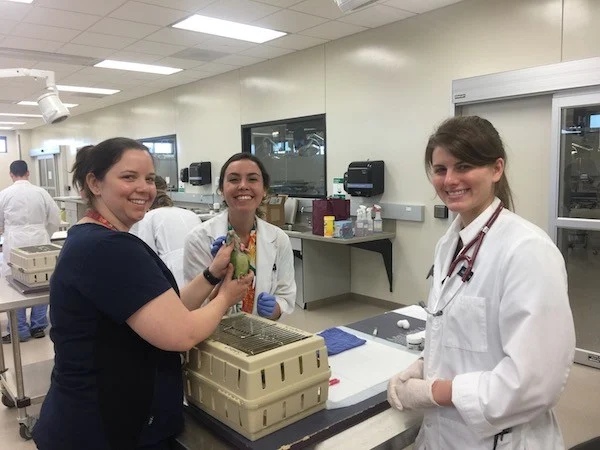
While virtual lectures provide the theoretical framework, the "wet lab"—a hands-on instructional session—remains the cornerstone of veterinary proficiency. The records of the past several years reveal an intensive focus on procedural excellence. At Louisiana State University, Dr. Javier Nevarez has led critical rabbit dentistry labs, a vital skill given the prevalence of dental disease in companion herbivores. Similarly, the University of Georgia and Texas A&M University have frequently hosted labs focused on avian hematology and reproductive surgery.
In February 2024, Texas A&M’s Zoo, Exotics, & Wildlife (ZEW) Club held its 8th Annual Wet Lab, an event that has historically included tracks for avian emergencies and fish anesthesia. These sessions are often co-sponsored by organizations like the Association of Avian Veterinarians (AAV), reflecting a unified front in professional development. The hands-on approach extends beyond the classroom; for example, Michigan State University students participated in a physical examination skills lab at "Birds and Beaks," a local rescue, under the guidance of Dr. Jack Kottwitz. This model of "service-learning" allows students to hone their clinical skills while providing essential medical care to rescued animals.
Nutritional Science as Preventative Medicine
A recurring theme throughout the Lafeber-sponsored era is the critical role of nutrition in the health of exotic species. Kara Burns, MS, MEd, LVT, VTS (Nutrition), has been a frequent contributor, presenting "Avian Nutrition Fundamentals" and "Rabbit Nutrition & Critical Care Feeding" at institutions ranging from the University of Florida to the University of Minnesota. The focus on nutrition addresses a significant gap in traditional veterinary curricula, where exotic animal dietetics is often overshadowed by canine and feline requirements.
The integration of nutrition into medical discourse reached a high point in late 2025 at the University of Tennessee, where Dr. Liandrie Swanepoel discussed avian atherosclerosis—a condition heavily influenced by diet—in a meeting co-hosted by the Avian, Wildlife, and Exotics (AWE) and Nutrition clubs. By linking dietary management to chronic disease prevention, these lectures empower future veterinarians to provide holistic care that extends beyond acute symptom management.
Addressing the Intersection of Behavior and Medicine
One of the most significant advancements in the last decade has been the formal recognition of animal behavior as a diagnostic tool and a medical necessity. On January 22, 2025, a landmark joint session was held involving Kansas State University, the European Association of Avian Veterinarians Student Group, and the Archaeopteryx group of Utrecht, Netherlands. Dr. Yvonne van Zeeland presented "Behavior & Medical Issues in Birds: Separate Concerns or One and the Same?" This session challenged the traditional dichotomy between physical health and behavioral expression, suggesting that many medical issues in companion parrots are rooted in or exacerbated by behavioral stress.
This holistic view is supported by the work of experts like Dr. Irene Pepperberg and Dr. Jan Hooiemeijer, who presented a Parrot Cognition and Behavior Symposium at North Carolina State University in October 2024. Furthermore, organizations like Phoenix Landing have collaborated with universities such as the University of Missouri and NC State to provide "Parrot’s Point of View" courses, which teach students how to handle and interpret exotic patients with minimal stress, thereby improving both welfare and clinical outcomes.
Diversity, Equity, and the Changing Face of the Profession
The educational initiatives captured in this timeline also reflect the broader social evolution within the veterinary profession. In March 2023, Dr. Kemba Marshall discussed diversity in zoological medicine at Tufts University, an event sponsored by the Tufts Veterinary Council on Diversity. This followed a 2018 meeting at Oklahoma State University led by Kara Burns, which focused on LGBTQ+ and diversity in the veterinary profession. These sessions highlight an industry-wide recognition that a diverse and inclusive professional body is essential for fostering innovation and meeting the needs of a global clientele.
Historical Foundations and Long-Term Impact
To understand the current state of exotic animal medicine, one must look back at the foundational events of the early 2010s and late 2000s. Early contributors like Dr. M. Scott Echols, Dr. Susan Orosz, and Dr. Brian Speer set the stage by introducing advanced concepts such as avian neurologic exams, orthopedics, and diagnostic imaging. In 2012, Dr. LoraKim Joyner began presenting on conservation medicine, bringing a "One Health" perspective that linked the health of wild parrot populations to the stability of their ecosystems and the well-being of local human communities.
The consistency of these programs has created a robust network of "Special Species Symposia" at universities like Cornell and the University of Pennsylvania. These symposia, often supported by Lafeber at Gold or Silver sponsorship levels, serve as annual focal points for the exotic medicine community, drawing students and professionals from across the country.
Chronological Highlights of Specialized Veterinary Education
- 2007–2010: Focus on foundational expertise, with lectures on falconry (Tufts), elephant health (Tennessee), and emergency medicine (Texas A&M).
- 2011–2015: Expansion into specialized surgery and conservation, featuring Dr. Natalie Antinoff on avian practice and Dr. Samuel Rivera on zoo medicine.
- 2016–2019: Rise of behavioral science and nutrition, with frequent contributions from Phoenix Landing and Kara Burns.
- 2020–2023: Adaptation to the global pandemic through the mastery of distance learning, featuring complex topics like "Hedgehog Anesthesia" and "Ultrasound in Birds."
- 2024–2026: Projected focus on advanced diagnostics, oiled bird rehabilitation, and the continued integration of behavioral and medical sciences.
Broader Implications for the Veterinary Field
The two-decade partnership between Lafeber Company and these academic institutions has had a measurable impact on the veterinary profession. By providing funding, experts, and resources, these initiatives have helped elevate "exotic" medicine from a peripheral elective to a core competency for many graduates. The emphasis on distance learning has democratized access to specialized knowledge, ensuring that a student in a rural college can learn from a world-renowned expert in laboratory animal medicine or avian surgery.
Furthermore, the focus on non-traditional species—rabbits, reptiles, birds, and aquatic animals—reflects the changing demographics of pet ownership. As more households embrace exotic pets, the demand for veterinarians who are proficient in their unique physiological and behavioral needs continues to grow. The events documented from 2007 through 2026 represent a proactive response to this demand, ensuring that the veterinary community remains at the forefront of animal welfare and medical innovation.
In conclusion, the sustained commitment to veterinary education evidenced by this extensive timeline of events underscores a vital truth: the health of our planet’s most diverse species depends on a continuous cycle of learning, sharing, and clinical application. As Dr. Rebecca Duerr prepares her 2026 presentation on oiled bird care, she stands on a foundation built by twenty years of dedicated educators and sponsors who believed that every species, no matter how small or "non-traditional," deserves the highest standard of medical care.

