


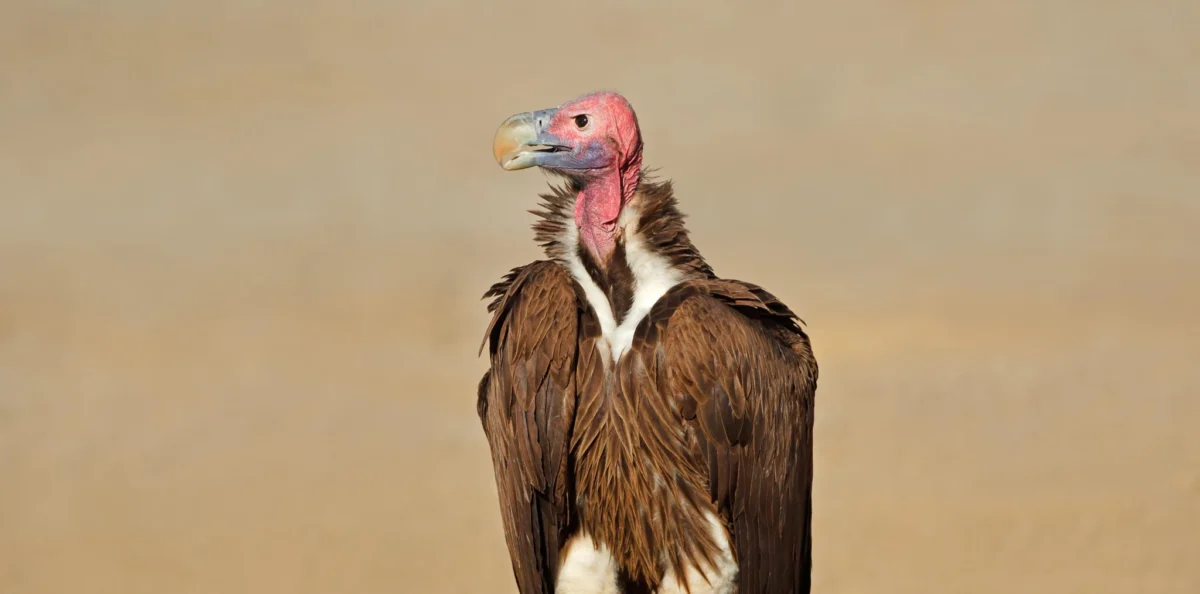
Lovelater Sebele, a Senior Vulture Conservation Officer at BirdLife International, is at the forefront of a critical movement advocating for inclusive conservation practices, particularly concerning the often-misunderstood vulture populations of southern Africa. Her work emphasizes the necessity of integrating cultural perspectives and community engagement to ensure the long-term survival of these vital avian scavengers, challenging the efficacy of standardized, top-down conservation strategies. Sebele, based in Zimbabwe and collaborating with BirdLife Partners and stakeholders across the region, argues that effective conservation must acknowledge and respect the diverse social, cultural, and economic realities of the communities it aims to serve.
The Undervalued Ecosystem Engineers
Vultures, despite their ecological significance, often face public perception challenges. Sebele candidly notes, "First of all, they are not good-looking birds. They are big with bald heads. They spend a lot of time on smelly carcasses. So people do wonder why you would actually want to work with vultures!" This aesthetic bias, coupled with a general lack of awareness about their crucial role, can lead to their marginalization even within the conservation sector.

However, the ecological services provided by vultures are substantial. In southern Africa alone, their role in cleaning carrion and preventing the spread of disease contributes natural services valued at an estimated US$1.8 billion annually. This vital function is frequently overlooked, placing these birds at the center of a conservation paradox: indispensable yet underappreciated. Beyond their ecological roles, vultures are deeply interwoven with the cultural fabric of many African societies, often linked to traditional beliefs, totems, and seasonal indicators.
Bridging Cultural Divides and Traditional Knowledge
Sebele highlights the long-standing cultural connections Africans have with nature, often expressed through totems that frequently depict animals and birds. These totemic relationships foster a sense of familiarity and affection, creating a foundation for conservation engagement. Furthermore, birds have historically served as natural calendars for many African communities, with the presence or behavior of certain species signaling impending weather patterns or agricultural seasons. "Birds have been used by African people to tell seasons," Sebele explains. "They see certain birds and they know the rain is about to come or that it’s going to be a dry year." This deep-seated observational knowledge demonstrates how birds are intrinsically linked to people’s livelihoods and understanding of their environment.
However, these connections can also present unique conservation challenges. Some bird species are associated with specific beliefs, including links to witchcraft or omens of death, which can lead to persecution. Sebele elaborates on the complex relationship: "Sometimes they’re persecuted because of that, but sometimes people are generally also just scared of them and leave them be." Vultures are among the species affected by these belief-based practices, as their parts are utilized in traditional medicine for both physical and spiritual healing across the African continent. This practice, driven by demand for traditional remedies, contributes to the significant threats facing many vulture species, several of which are classified as Endangered or Critically Endangered by the IUCN.

Sebele suggests a fascinating duality of knowledge at play here, drawing a parallel to previous discussions on indigenous knowledge systems. "Over generations, Africans have been people that are very observant of their surroundings," she notes. "Generally, they understand that vultures move long distances – they’ve seen it." The local interpretation of this extensive range, she explains, is that vultures "dream of where carcasses will be found," leading to their heads becoming a body part utilized in spiritual practices. This demand has fueled poaching and illegal trade, posing a severe threat to vulture populations.
Rethinking Conservation Strategies: From Eradication to Collaboration
Early conservation efforts sometimes aimed at completely eradicating the use of vultures in traditional medicine. However, Sebele emphasizes the futility and counterproductiveness of such an approach. "You do not get rid of a culture like that," she asserts. The focus has shifted towards working collaboratively with the custodians of these cultural practices, particularly traditional healers, to explore alternatives and reduce the rate of harvesting.
The strategy is not to impose external solutions but to facilitate dialogue and promote a nuanced understanding of the issues. Sebele cautions against a heavy-handed approach, stating that "forcing it down their throats" can drive traditional medicine practices underground, making it harder to monitor and address conservation concerns. This echoes historical parallels with colonial powers that demonized and suppressed traditional African religions, leading to a loss of clear insight into the prevalence and practices of traditional medicine. Evidence of the scale of these practices can be inferred from associations like one in Zimbabwe with 45,000 members, each likely serving a significant client base.

BirdLife International and its partners are actively raising awareness and establishing platforms for traditional healers to discuss their practices and conservation implications. The goal is not necessarily to achieve zero use of vultures in medicine, an often unattainable objective, but to work "in cognizance of the culture" and identify alternative materials that can fulfill traditional needs without compromising vulture populations. This collaborative approach seeks to balance cultural continuity with ecological preservation.
Community Empowerment and Localized Solutions
The success of these initiatives hinges on empowering local communities. Sebele recounts how communities are actively contributing to vulture conservation by identifying and mitigating threats in their landscapes and diligently mapping nesting sites to provide crucial data. This localized engagement is proving effective in building community stewardship for these birds.
A compelling example of community-driven conservation is their role in locating carcasses. Lovelater Sebele shares a personal learning experience: "For local communities, vultures are valuable because when they lose livestock they have to spend days searching for it. If they are not seeing soaring vultures, they still hope the animal is alive. If they see vultures circling an area, the plan is to investigate what they are looking at – it saves them time they would otherwise spend searching for an already dead [animal]." This practical benefit underscores the tangible value communities derive from healthy vulture populations, fostering a shared interest in their survival.

Furthermore, communities are becoming increasingly aware of the criminal nature of killing and harvesting vultures. In areas where BirdLife Partners have been active, a heightened sense of vigilance has led to the reporting of suspicious activities. This collaborative effort has resulted in arrests and prosecutions, a positive development after periods where incidents involving vultures were often overshadowed by larger wildlife crimes like elephant ivory poaching. "Yes, we are making inroads," Sebele affirms, highlighting the progress in integrating vulture conservation into broader anti-poaching efforts.
The underlying principle driving this progress is the recognition of common ground. Both conservationists and local communities share a vested interest in the survival of vultures, not only for their intrinsic value and ecosystem services but also for the perpetuation of traditional culture. A shared understanding prevails: without thriving vulture populations, ecosystems face collapse, jeopardizing the very cultural heritage that relies on them. This realization solidifies the importance of local-level engagement and identifying these crucial interconnections that sustain both bird populations and the natural world.
Addressing Systemic Inequalities in Conservation
Beyond the specific challenges of vulture conservation, Sebele raises critical concerns about broader systemic issues within the conservation sector, particularly regarding gender and race. While she acknowledges her personal good fortune in receiving strong family support and not experiencing individual oppression, she points to the pervasive nature of these challenges within the broader field. "Those kinds of challenges in conservation genuinely exist, and they are mostly systematic. They generally work against women and work against people of different ethnic backgrounds."

In the African context, Sebele observes that behavior-change strategies are often developed without adequate consideration for the continent’s diverse peoples, their unique ways of life, and their specific beliefs and social structures. These strategies are frequently conceived as "universal" and applied globally, leading to a disconnect and a lack of effectiveness when implemented in varied cultural settings. "If you try and produce a one-size-fits-all solution, the reality is that it fits no one perfectly," she states.
A Call for Inclusive, Culturally Sensitive Conservation
Sebele’s overarching message is a powerful plea for a more inclusive and culturally sensitive approach to conservation. She emphasizes that "Conservation is not just the plants and animals in the space; it has a social and cultural aspect to it." As conservationists, she urges openness to these vital dimensions. This involves a commitment to integrating diverse forms of knowledge, whether it pertains to the complex ‘belief-based’ uses of species or broader ecological conservation efforts. "At the end of the day, our work contributes to the conservation of other species and to the conservation of landscapes," she concludes, underscoring the interconnectedness of all conservation endeavors.
Sebele sees immense hope in the growing interest in conservation among more people, particularly in Africa. She views herself as an advocate for the voiceless: "I’m standing in for the voiceless, for organisms that have every right to be here but unfortunately cannot speak for themselves." Each new voice and perspective added to the conservation dialogue strengthens the collective effort to protect nature.

The BirdLife International partnership, characterized by its diverse "mixed flock" of individuals and organizations globally, embodies this inclusive ethos. By sharing knowledge, fostering connections, and channeling passion, they collectively strive to conserve birds and all life on Earth. Lovelater Sebele’s work exemplifies the profound impact that comes from recognizing the value of local knowledge, respecting cultural practices, and building collaborative relationships to achieve shared conservation goals. Her advocacy serves as a crucial reminder that true conservation success lies in embracing diversity and ensuring that all voices, especially those historically marginalized, are heard and integrated into the vital mission of protecting our planet.

