


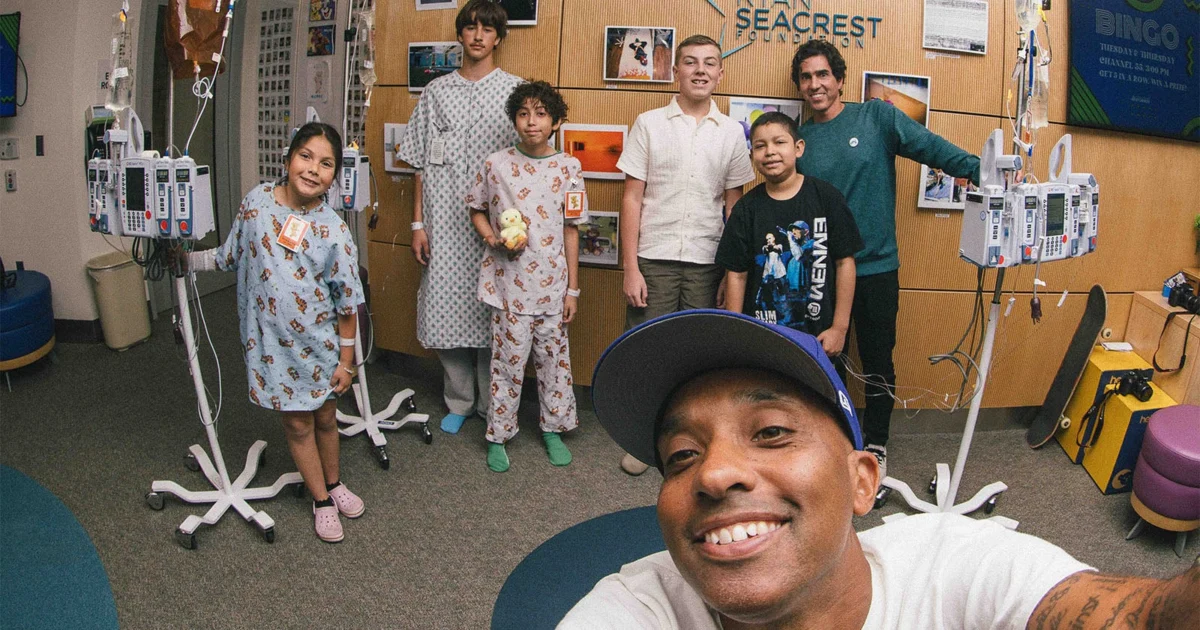
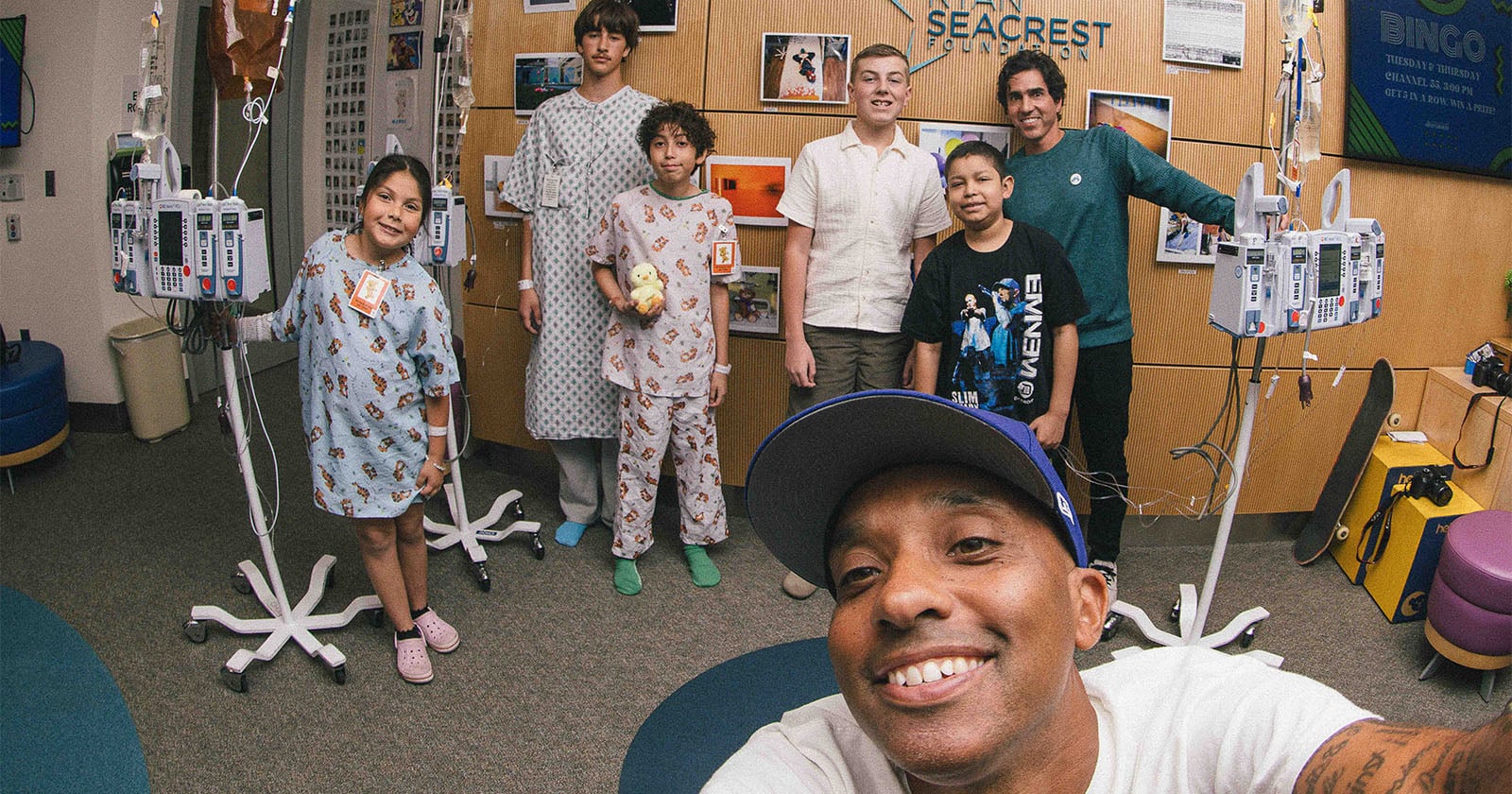
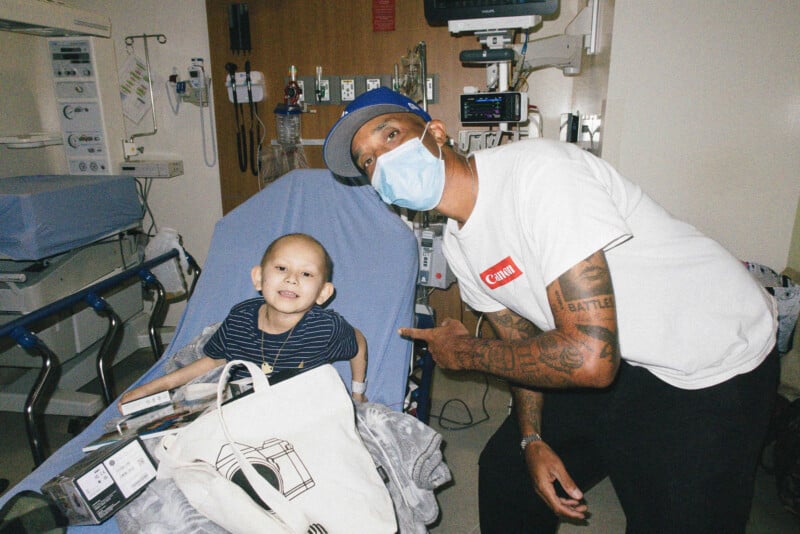
In a collaborative effort to merge the worlds of professional digital imaging and pediatric patient care, world-renowned photographer Atiba Jefferson recently partnered with the Ryan Seacrest Foundation to host a specialized photography workshop at Rady Children’s Health in Orange County. The event, which centered on the theme of "Photos in Motion," provided young patients facing serious medical challenges with the opportunity to learn high-speed action photography techniques from one of the industry’s most respected figures. As a Canon Explorer of Light, Jefferson utilized his extensive background in skateboarding and commercial photography to mentor children, offering them a creative outlet designed to foster confidence and provide a temporary reprieve from the rigors of hospital life.
The initiative is part of a broader, ongoing partnership between Canon U.S.A., Inc. and the Ryan Seacrest Foundation (RSF), a non-profit organization dedicated to enhancing the quality of life for patients and their families through interactive media. Since 2024, Canon has served as a key technology provider for the foundation, equipping its Seacrest Studios with professional-grade cameras, printers, and imaging solutions. The event at Rady Children’s Health serves as a milestone in this partnership, demonstrating the tangible impact of providing high-end creative tools to youth in healthcare settings.
The Ryan Seacrest Foundation and the Evolution of Seacrest Studios
The Ryan Seacrest Foundation was established in 2009 by the media personality and his family with the primary goal of bringing the "magic of media" to pediatric hospitals. The foundation’s flagship project is the Seacrest Studio, a state-of-the-art broadcast media center located within leading pediatric facilities across the United States. Currently, there are 14 such studios operating nationwide. These spaces are designed to be interactive hubs where patients can engage in a variety of activities, including hosting radio shows, producing music videos, interviewing celebrity guests, and participating in live broadcasts that are streamed to patient rooms throughout the hospital.
The scale of the foundation’s impact is significant. In the previous calendar year, RSF facilitated 8,406 hours of live programming and collaborated with patients to produce 265 original shows. These efforts reached an estimated 3 million patients and family members, providing vital distraction therapy and creative engagement. Beyond patient care, the foundation also operates an extensive internship program, supporting nearly 50 students annually. These interns, often pursuing degrees in communications or broadcast journalism, gain hands-on experience in a live production environment while contributing to the hospital community.
Chronology of the "Photos in Motion" Event
The workshop at Rady Children’s Health was structured as a multi-phase educational experience, beginning long before Jefferson arrived on-site. In the weeks leading up to the visit, patients at the facility were invited to participate in a "Photos in Motion" contest. Utilizing Canon digital cameras provided to the studio, children were tasked with capturing a single frame that embodied the "essence of action." This pre-event phase encouraged patients to explore their hospital environment through a new lens, focusing on movement and timing.
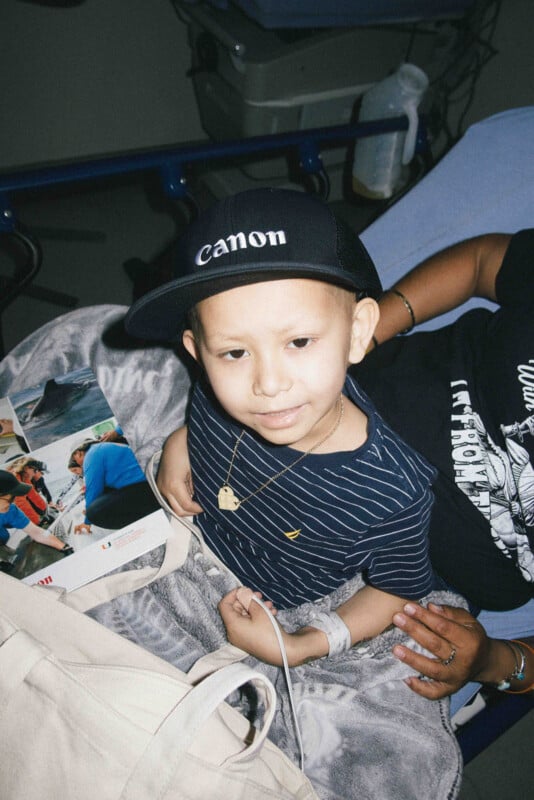
Upon his arrival, Atiba Jefferson took on the role of guest judge for the contest. He reviewed the submissions, providing professional feedback on composition, lighting, and the technical execution of capturing motion. The winning photographer was awarded a Canon "creator essentials" swag bag, which featured the Canon SELPHY QX20, a portable photo printer that allows users to instantly turn digital captures into physical prints.
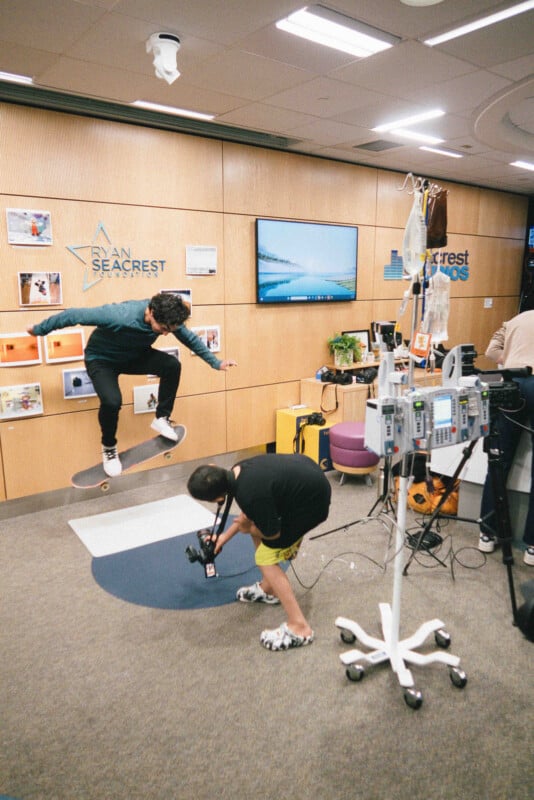
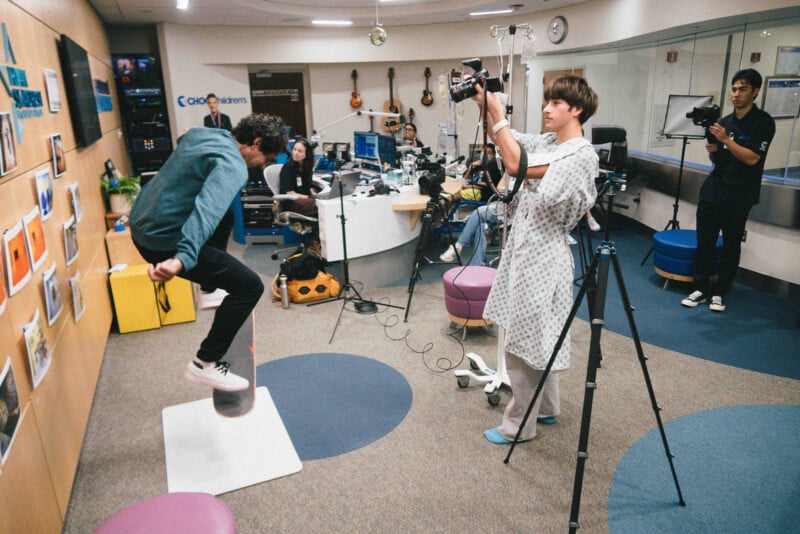
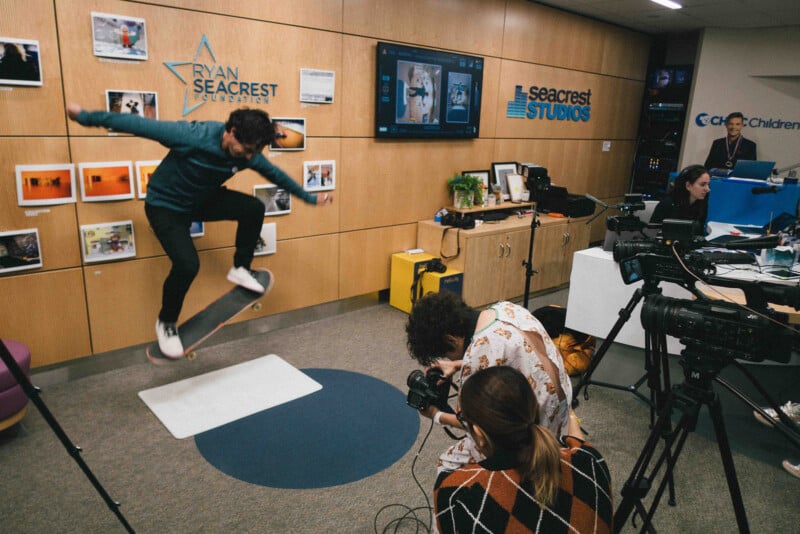
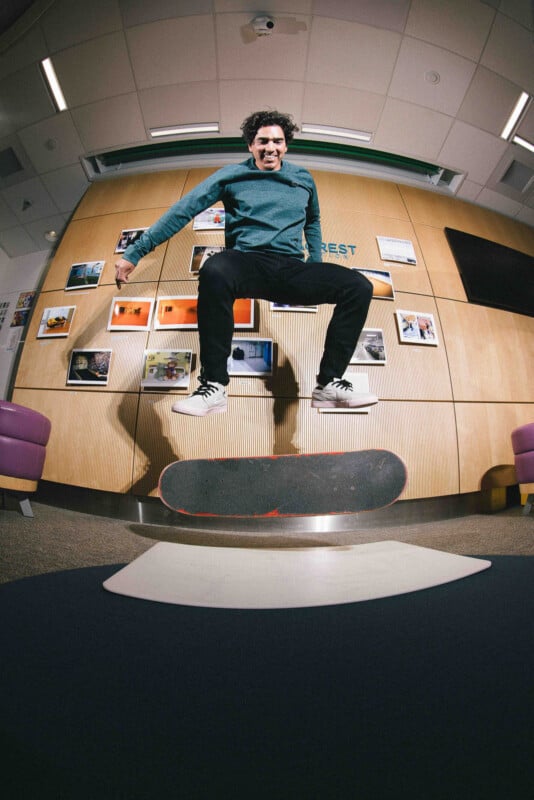
Following the awards ceremony, the event transitioned into a live, closed-set photoshoot. Jefferson, whose career was built on capturing the high-energy, unpredictable world of professional skateboarding, conducted a live demonstration. Working alongside Seacrest Studio staff member Josh Castaneda, Jefferson showed the patients how to utilize fast shutter speeds and precise timing to "freeze" action in a photograph. This demonstration was particularly engaging as it brought the outdoor energy of skateboarding into the controlled environment of the hospital.
The final phase of the workshop allowed the children to step behind the lens themselves. Under Jefferson’s direct mentorship, the patients practiced shooting live action, learning how to track moving subjects and adjust camera settings in real-time. The day concluded with an intimate Q&A session, where Jefferson shared anecdotes from his decades-long career, which has included photographing legendary athletes, musicians, and cultural icons.
The Technical Mentorship of Atiba Jefferson
Atiba Jefferson’s involvement as a Canon Explorer of Light adds a layer of professional prestige to the RSF initiative. The Explorer of Light program is an elite group of some of the world’s most influential photographers and cinematographers who collaborate with Canon to educate and inspire the next generation of creators. Jefferson’s specific expertise in skateboarding photography—a genre that demands technical mastery of motion, lighting, and environmental challenges—made him an ideal mentor for the "Photos in Motion" theme.
During the workshop, Jefferson emphasized that photography is about more than just equipment; it is about the unique perspective of the individual behind the camera. "Seeing the creativity and the unique perspectives these kids brought to the theme of ‘Photos in Motion’ was incredible," Jefferson noted. He highlighted the ephemeral nature of the medium, explaining that photography allows a creator to capture a moment that will never occur in the exact same way again. For children whose lives are often dictated by medical schedules and clinical routines, the agency found in photography offers a powerful form of self-expression.
Institutional and Corporate Perspectives
The success of the event was echoed by leadership from all involved organizations. Sammy Kobayashi, President and CEO of Canon U.S.A., Inc., underscored the company’s commitment to the transformative power of imaging. He stated that the partnership with the Ryan Seacrest Foundation is rooted in the belief that technology can be a catalyst for inspiration. By providing the tools for resilient young creators to share their stories, Canon aims to help patients build confidence and explore their potential outside of their medical diagnoses.
Kathryn Burton, Director of Patient & Family Experience and Child Life at Rady Children’s Health, highlighted the therapeutic value of the Seacrest Studios. She noted that the mission of the studio is to provide a space where kids can "simply be kids." Burton observed that watching patients step behind the camera and learn from a world-class professional was a powerful experience that created lasting memories for both the children and their families.
From a clinical perspective, programs like those offered by the Ryan Seacrest Foundation are increasingly recognized for their role in "distraction therapy." Engaging in creative arts and media production can help reduce stress, anxiety, and the perception of pain in pediatric patients. By focusing on a technical skill like photography, patients are given a sense of mastery and accomplishment that is often stripped away by the limitations of illness.
Analysis of Impact and Future Implications
The collaboration between a major technology corporation like Canon, a celebrity-led foundation like RSF, and a healthcare provider like Rady Children’s Health represents a sophisticated model of Corporate Social Responsibility (CSR). It moves beyond simple financial donations, instead focusing on "skills-based volunteering" and "resource integration." By placing professional tools in the hands of patients and bringing in industry experts to teach them, the program provides a high-quality educational experience that rivals traditional art school workshops.
Furthermore, the integration of these studios into the hospital infrastructure ensures that the impact is not limited to a single day. The 14 Seacrest Studios across the country serve as permanent creative labs. The inclusion of internship programs for college students creates a sustainable ecosystem where the next generation of media professionals is trained while simultaneously serving a vulnerable population.
As digital media continues to evolve, the tools provided by Canon—such as the SELPHY printers and high-resolution mirrorless cameras—allow patients to participate in the modern "creator economy." This is particularly relevant for adolescents and young adults in long-term care, for whom digital literacy and creative output are essential components of social connection and future career aspirations.
The "Photos in Motion" workshop at Rady Children’s Health stands as a testament to the idea that the arts and technology are not merely "extras" in a healthcare setting, but are essential components of holistic patient care. Through the lens of a camera, these young creators were able to look past their hospital walls and capture the world in motion, proving that even in the face of significant adversity, the drive to create remains undiminished. Atiba Jefferson summarized the sentiment following the event, describing the opportunity to teach and judge the contest as a profoundly inspiring experience, reinforcing the notion that the most impactful images are often those that capture the resilience of the human spirit.

