


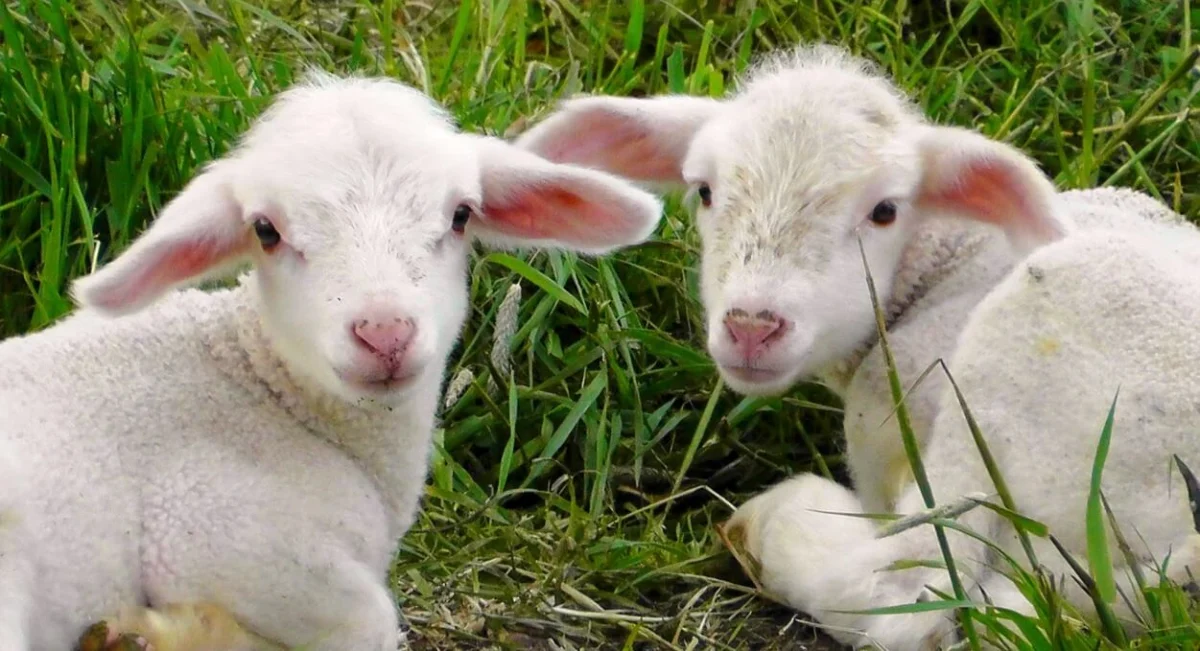
Easter Sunday serves as the foundational pillar of the Christian liturgical year, representing the resurrection of Jesus Christ and the promise of eternal life. For millions of practitioners globally, the holiday is a celebration of the triumph of life over death and the manifestation of divine mercy. However, a growing discourse among theologians, animal welfare advocates, and secular ethicists suggests a profound disconnect between the themes of the holiday and the traditional centerpiece of the Easter meal. As April 2026 approaches, the conversation regarding "Christian Veganism" has intensified, urging the faithful to extend the mercy they celebrate to all of God’s creatures by opting for plant-based celebrations.
The central argument posited by organizations such as People for the Ethical Treatment of Animals (PETA) and various "Creation Care" ministries is that the slaughter of millions of sentient beings for a single day of celebration contradicts the core message of Christ. This movement seeks to realign modern dietary habits with the biblical vision of a "Peaceable Kingdom," arguing that the current industrial food system is incompatible with the stewardship of creation mandated in sacred texts.
The Theological Framework for Animal Compassion
The biblical justification for a meat-free Easter often begins with the Book of Genesis. According to Genesis 1:29-30, the original diet intended for humanity in the Garden of Eden was strictly plant-based: "I give you every seed-bearing plant on the face of the whole earth and every tree that has fruit with seed in it. They will be yours for food." Theologians note that in this primordial state, there was no violence, no shedding of blood, and no fear between humans and animals. It was only after the "Fall of Man" that death and consumption entered the world.
Furthermore, the prophetic vision of the future, as described in Isaiah 11:6–9, depicts a return to this non-violent state, where "the wolf will live with the lamb" and "they will neither harm nor destroy on all my holy mountain." Proponents of veganism argue that if the beginning of the world was vegan and the end of the world is prophesied to be peaceful, the Christian life in the present should strive to mirror that divine ideal.
The New Testament provides additional layers to this ethical stance. The command to "love one another" and the parable of the Good Samaritan are frequently cited as mandates for a compassion that transcends species boundaries. When Jesus declared that "blessed are the merciful," he did not explicitly exclude the animal kingdom. On the contrary, various scriptures suggest that God’s covenant is with "every living creature" (Genesis 9:12) and that not a single sparrow falls to the ground without the Father’s knowledge (Matthew 10:29).
The Lenten Tradition and the Evolution of Fasting
The transition toward a plant-based Easter is not a modern invention but rather an extension of ancient Christian disciplines. The season of Lent, a 40-day period of penance and preparation, has historically involved significant dietary restrictions. In the early church, and continuing today in Eastern Orthodox traditions, fasting often meant a complete abstention from animal products, including meat, dairy, and eggs.
This "Great Lent" serves as a spiritual purification, intended to help the believer focus on prayer rather than physical indulgence. For many, the irony lies in the conclusion of this period. After 40 days of practicing a diet that minimizes harm and mirrors the Edenic state, the celebration of the Resurrection often involves a sudden return to the consumption of lambs, pigs, and chickens—animals that have been subjected to the very death that Christ is said to have conquered.
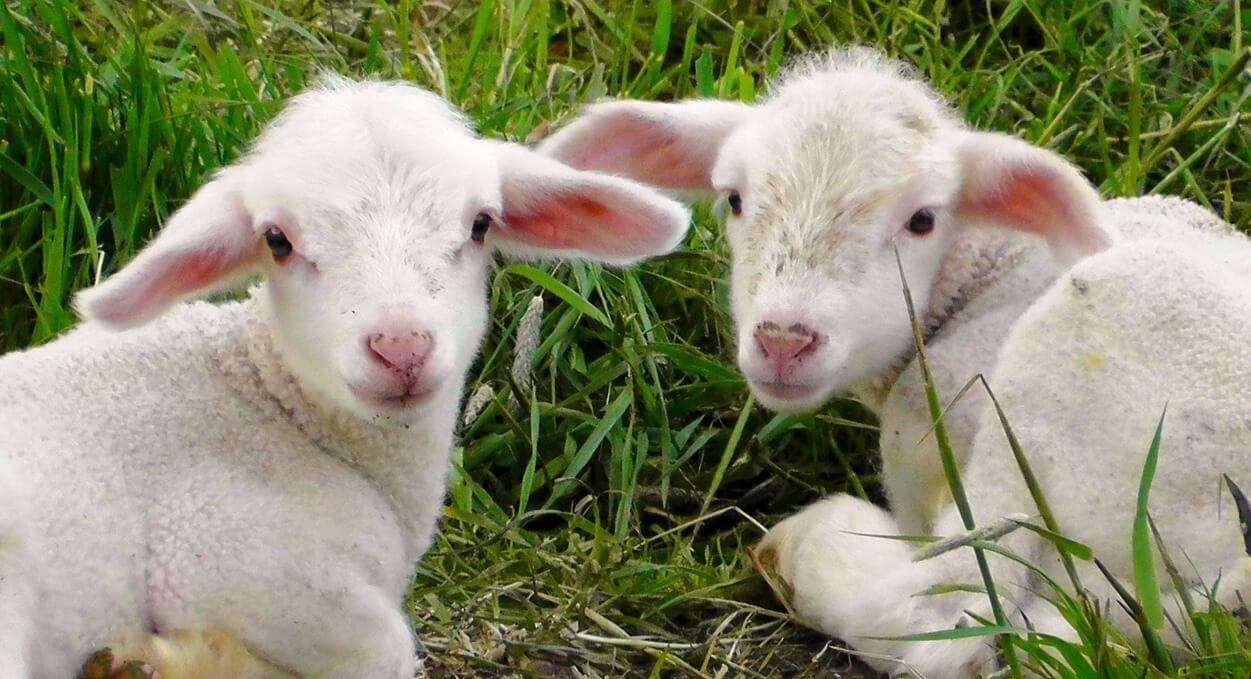
In recent years, the "Veganuary" movement has bled into the Lenten season, with an increasing number of Western Christians adopting a "Vegan Lent." This trend is supported by data showing that the plant-based food market experiences a significant uptick during the spring months, as consumers seek alternatives that align with their spiritual goals of self-discipline and compassion.
Scientific Perspectives on Animal Sentience
The ethical push for a vegan Easter is bolstered by a burgeoning body of scientific research regarding the cognitive and emotional lives of farm animals. While traditional views often relegated animals to the status of "automata" or unthinking resources, modern ethology paints a different picture.
Sheep and Social Intelligence
Sheep, the most common victims of Easter dinners, are frequently dismissed as simple-minded. However, studies conducted at the Babraham Institute in Cambridge have demonstrated that sheep possess sophisticated facial recognition abilities. They can distinguish between the faces of at least 50 other sheep and can recognize human faces. More importantly, they respond to the emotional expressions of their peers, showing signs of distress when they see a fellow sheep in pain or fear.
The Cognitive Complexity of Pigs
Pigs are widely recognized by animal behaviorists as being among the most intelligent domesticated animals, often outperforming dogs in cognitive tasks. They are known to exhibit empathy, engage in complex social play, and even demonstrate "altruistic" behavior, such as attempting to rescue others from perceived danger.
Chickens and Future-Orientation
Research published in Animal Cognition indicates that chickens are not "bird-brained" but are instead capable of self-control and anticipating the future. They can navigate complex environments and show a clear preference for social bonds, often mourning the loss of flock mates.
The Sensitivity of Fish
Even fish, often the last animal product people give up, have been shown to possess long-term memories and the ability to use tools. Crucially, the consensus among veterinary scientists is that fish possess the neurological hardware to experience pain and fear, challenging the "pescatarian" compromise often made during religious fasting periods.
The Reality of Modern Animal Agriculture
The disconnect between the "pastoral" imagery of Easter and the reality of food production is a focal point for activists. While religious iconography often depicts a gentle shepherd and a playful lamb, the industrial reality is characterized by extreme confinement and standardized violence.
According to data from the Food and Agriculture Organization (FAO) of the United Nations, hundreds of millions of animals are slaughtered globally to meet the demand for holiday feasts. In the United States alone, the USDA reports that tens of millions of "Easter hams" and hundreds of thousands of lambs are processed in the weeks leading up to the holiday.
Most of these animals spend their short lives in factory farms, where they are denied the ability to engage in natural behaviors. Lambs are often subjected to painful procedures like tail-docking and castration without anesthesia, while pigs are confined to gestation crates so small they cannot turn around. The "violent slaughter" mentioned by PETA is the final stage of a system designed for efficiency and profit rather than the "stewardship" described in biblical mandates.
Economic and Social Implications of the Plant-Based Shift
The movement toward a vegan Easter is not occurring in a vacuum. It is part of a broader global shift in consumer behavior. Market research firms project that the global plant-based meat market will reach approximately $160 billion by 2030, representing a significant portion of the total protein market.
This shift is driven by a "triple threat" of concerns: ethics, environment, and health. From an environmental perspective, animal agriculture is a leading contributor to greenhouse gas emissions, deforestation, and water pollution. For many Christians, the "Creation Care" movement argues that protecting the environment is a religious duty, making a plant-based diet a form of environmental stewardship.
In response to this demand, the food industry has seen a surge in high-quality plant-based alternatives. "Vegan hams" made from seitan or soy, "lamb" alternatives crafted from mushroom proteins, and sophisticated egg replacers are now widely available in mainstream supermarkets. This accessibility has removed the "sacrifice" from the meat-free holiday, allowing families to maintain their culinary traditions without the associated cruelty.
Reactions and Broader Impact
The call for a vegan Easter has met with a variety of responses within the religious community. Conservative factions argue that the Bible explicitly permits the eating of meat, citing Peter’s vision in Acts 10. However, progressive theologians counter that while meat-eating may be "permitted," it is not the "divine ideal." They argue that in an era of global food security and high-quality alternatives, the "necessity" that once justified animal consumption no longer exists.
Dr. Andrew Linzey, a prominent theologian and director of the Oxford Centre for Animal Ethics, has long argued that because animals belong to God, not to humans, our "dominion" over them should be modeled on the servant-leadership of Christ. In this view, the "higher" (humans) should sacrifice for the "lower" (animals), rather than the other way around.
As society continues to evolve its understanding of animal consciousness and environmental limits, the traditional Easter meal is likely to face continued scrutiny. The integration of faith and animal rights suggests a future where the celebration of life is truly inclusive, reflecting a mercy that extends from the church pew to the slaughterhouse floor.
By choosing a plant-based meal, proponents argue that Christians can transform Easter from a day of selective mercy into a day of universal compassion. This shift represents more than just a change in diet; it is a re-imagining of what it means to live in accordance with the message of a teacher who was called the "Prince of Peace." As the 2026 Easter season begins, the growing presence of vegan options on holiday tables serves as a testament to a changing moral landscape—one where the victory over death is celebrated without the requirement of further sacrifice.

