


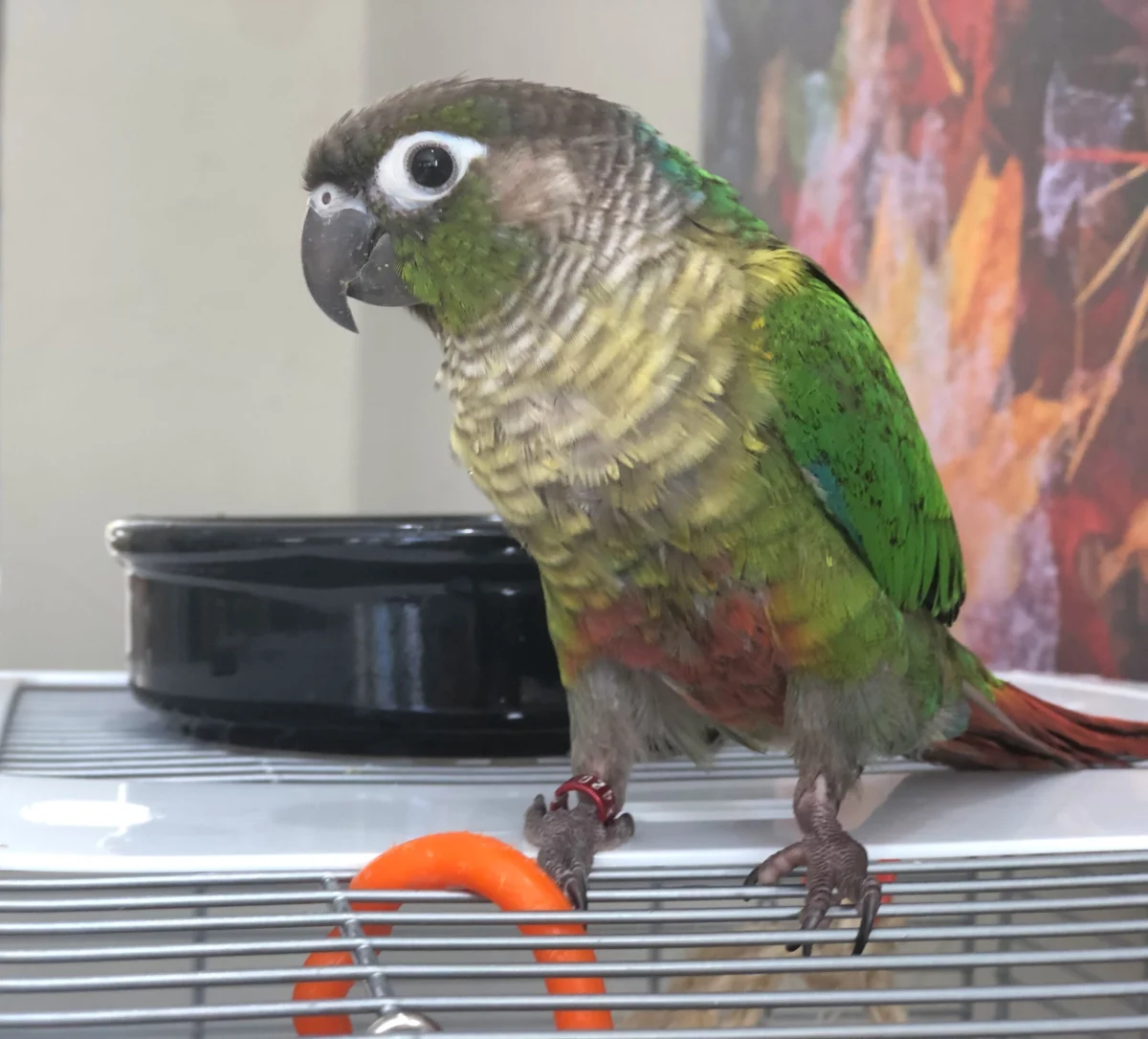
Indoor birds, cherished companions in countless homes, often face unique environmental challenges, particularly during colder months or periods of natural physiological change. Among the most common concerns reported by owners are symptoms like increased itchiness, excessive feather dust, frequent scratching, and general discomfort, especially during winter heating cycles or a bird’s natural molt. While these signs can be distressing to witness, understanding their underlying causes and implementing appropriate interventions can significantly improve a bird’s welfare. This comprehensive guide aims to illuminate the factors contributing to these issues, distinguish between normal and abnormal signs, and provide actionable, evidence-based strategies for prevention and management, emphasizing when professional veterinary care becomes imperative.
Understanding the Environmental Triggers: Dry Indoor Air
The primary catalyst often bringing these symptoms to the surface is dry indoor air. Modern heating systems, while providing warmth, significantly deplete indoor humidity levels, frequently dropping them below the optimal range for most avian species, which typically thrive in environments with relative humidity (RH) between 50% and 70%. In stark contrast, heated indoor environments can see RH levels plummet to 20% or even lower. This dramatic reduction in atmospheric moisture directly impacts a bird’s integumentary system – their skin and feathers.
Feathers, composed largely of keratin, require a certain level of hydration to maintain their flexibility, integrity, and insulating properties. When the air is excessively dry, feathers can become brittle, leading to increased breakage and the generation of more feather dust, which is essentially desiccated keratin particles. The underlying skin also suffers, becoming dry, tight, and prone to irritation, mirroring the effects of dry skin in humans. This physiological response often manifests as increased scratching and preening, as the bird attempts to alleviate the discomfort.
While nutrition plays an undeniable role in overall avian health, including skin and feather quality, a sudden onset of these symptoms coinciding with the activation of winter heating usually points towards air moisture as the immediate culprit. It is crucial to rule out environmental factors before delving deeper into dietary adjustments, especially if the bird’s diet has remained consistent.
Distinguishing Normal Discomfort from Veterinary Concerns
Recognizing the difference between typical seasonal discomfort and signs requiring professional intervention is paramount for bird owners. Many common behaviors, when mild and transient, can be managed at home with environmental adjustments. However, certain red flags necessitate immediate veterinary consultation.
Usually Normal Signs (when mild and without other concerning symptoms):
- Increased preening and scratching: Birds preen to maintain feather condition and remove debris. During dry periods or molting, this behavior may intensify as they try to soothe irritated skin or remove bothersome pin feather sheaths.
- More feather dust: A noticeable increase in fine, powdery dust around the cage, particularly from species known for producing powder down (e.g., cockatoos, cockatiels), can indicate dry feathers.
- Flaky skin: Fine, dry flakes on the skin, often visible when parting feathers, can be a sign of dehydration or dryness.
- Mild discomfort during molt: Molting is an energy-intensive and sometimes uncomfortable process as new feathers push through the skin. Dry air can exacerbate this, making birds more irritable or itchy.
Signs That Are Not Normal (requiring immediate veterinary attention):
These symptoms are not caused by dry air alone and should not be managed at home. They indicate a potentially serious underlying issue:
- Open wounds or bleeding feathers: Any break in the skin or active bleeding is a medical emergency.
- Bald patches or significant feather loss (non-molt related): While molting causes feather loss, distinct bald spots or rapid, unexplained feather loss outside of a typical molt cycle suggests disease, parasites, or severe self-mutilation.
- Sudden behavioral changes: Lethargy, loss of appetite, changes in droppings, or unusual vocalizations are general signs of illness.
- Feather chewing or plucking: This goes beyond normal preening and indicates significant distress, pain, or an underlying medical condition.
- Foul odor from skin or feathers: Suggests bacterial or fungal infection.
- Visible parasites (mites, lice): Requires specific medical treatment.
- Lumps, bumps, or swelling on the skin: Could indicate tumors, cysts, or infections.
- Persistent discomfort or pain: If a bird appears genuinely distressed, hunched, or reluctant to move.
If any of these severe signs are observed, contacting an avian or exotics veterinarian without delay is critical. Early diagnosis and intervention can significantly improve prognosis.
The Art of Avian Bathing: Encouragement vs. Enforcement
A common dilemma for bird owners is discerning whether their bird’s discomfort stems from a lack of bathing opportunities or a broader dry air problem. The distinction is crucial for effective intervention.
Dry Air Problem:
When dry air is the primary issue, baths may offer brief relief, but the itchiness and discomfort return quickly, sometimes within hours. Birds might still appear dusty, flaky, or uncomfortable even with regular bathing, indicating that the ambient environment is rapidly counteracting the benefits of a bath.
When the Bathing Method is the Problem:
If a bird actively avoids bathing, backing off, fluffing up defensively, or squawking when bath time begins, it’s rarely due to an aversion to cleanliness itself. More often, the method of bathing is the source of distress. Birds, like humans, have individual preferences, and forcing an unwanted bathing experience can create a negative association, leading to avoidance.
Avian veterinarians widely recommend offering the opportunity to bathe daily, especially in dry indoor conditions, allowing the bird to decide when and how to engage. This approach respects their autonomy and natural instincts.
Effective Bathing Opportunities Include:
- Shallow water dishes: Many birds prefer a wide, shallow dish (ceramic or stainless steel) placed at the bottom of the cage or on a safe surface. The water should be comfortably warm, not cold.
- Gentle misting: Using a clean, new spray bottle (never used for chemicals) with lukewarm water. The mist should be fine, mimicking light rain, and directed from above, not directly at the bird’s face. The bird should be allowed to approach or retreat as it wishes.
- Wet leafy greens: Offering thoroughly washed, wet leafy greens (e.g., romaine lettuce, kale) can encourage birds to rub against them, transferring moisture to their feathers.
- Shower perches/steam: Some birds enjoy perching in the bathroom during a warm shower, benefiting from the steam and humidity. Specialized shower perches allow them to participate directly under a gentle stream if they choose.
- "Birdie puddles": For larger birds, a clean, shallow plastic container (like a litter pan or storage bin lid) filled with an inch or two of water can be placed on a protected floor surface.
The key principle is choice. Daily access to bathing options is beneficial; forcing a bath is counterproductive. When birds have control, bathing typically becomes a calm, natural activity rather than a struggle.
Beyond Water: Nutritional Support for Feather and Skin Health
While environmental adjustments are often the first line of defense, persistent discomfort or poor feather quality, even after optimizing humidity and bathing, often points to nutritional deficiencies. This is particularly prevalent in birds maintained on seed-heavy diets.
Common Nutritional Deficiencies:
- Vitamin A (Retinol): Essential for healthy epithelial tissues, including skin and the lining of mucous membranes. A deficiency can lead to dry, flaky skin, poor feather quality, and compromised immune function. Many seeds are poor sources of Vitamin A.
- Vitamin E: A powerful antioxidant that supports skin health and immune function.
- Omega Fatty Acids (Omega-3 and Omega-6): Crucial for maintaining skin barrier function, reducing inflammation, and promoting healthy feather growth. Seed-heavy diets often have an imbalanced omega ratio, with excessive Omega-6 and insufficient Omega-3.
Implementing Nutritional Support:
For owners seeking a conservative, supportive approach, small, consistent additions of these nutrients can enhance skin comfort and feather quality over time. The emphasis should be on sparing use and consistency, avoiding the simultaneous introduction of multiple new products, which can complicate monitoring a bird’s response.
- Dietary Conversion: Gradually transitioning a bird from an all-seed diet to a high-quality pelleted diet supplemented with fresh vegetables, fruits, and lean protein sources is the most effective long-term solution.
- Specific Supplements: Products designed to provide balanced feather and skin nutrition, such as specialized liquid vitamins or fortified treats, can be beneficial. These are formulated to offer targeted support without overdoing any single nutrient, acting as an adjunct to good husbandry and not a replacement for veterinary care. For instance, supplements containing balanced ratios of Vitamins A, E, and omega fatty acids can support the body during feather growth.
When incorporating any supplements, adherence to package instructions and careful observation of the bird’s response over several weeks are crucial. Gradual adjustments are always recommended.
Addressing Molt-Related Discomfort and Preventing Escalation
Molting is a natural, cyclical process where birds replace old, worn feathers with new ones. This process can make existing dry skin issues feel significantly worse. During a molt, new feathers emerge as "pin feathers," encased in a protective keratin sheath. These pins are rich in blood supply and nerve endings, making them sensitive. If the skin is dry or irritated, the process of these new feathers pushing through can be intensely uncomfortable, even painful.
Dry indoor air exacerbates this by making the skin feel tighter and the keratin sheaths more rigid and difficult to shed. Consequently, birds often intensify their scratching and preening during a rough molt, seeking relief. It’s not misbehavior; it’s a desperate attempt to alleviate discomfort.
Why Early Support Matters:
Providing adequate skin comfort and environmental humidity early in the molting process can significantly reduce the urge to scratch and over-preen. Comfortable skin facilitates easier feather growth and shedding of the pin feather sheaths, thereby lowering the likelihood that normal grooming escalates into a habit or fixation that could lead to feather destruction. Small, proactive changes tend to yield better results than larger interventions after a problem has become entrenched.
It is critical to understand that dry air alone does not typically cause severe feather destruction or plucking. When damage escalates, or feathers are actively being broken or pulled out, there are usually more complex factors at play beyond simple humidity or bathing deficiencies, potentially including medical conditions, severe stress, or behavioral disorders.
Early Signs Worth Paying Attention To (as indicators to adjust support):
- Prolonged, intense scratching during molt: Beyond typical preening.
- Increased "ruffling" and shaking: As if trying to dislodge something.
- Visible irritation or redness around emerging pin feathers.
- Minor feather damage at the tips of new feathers: Suggesting over-preening.
These are not reasons to panic but rather signals to enhance comfort measures promptly.
What Actually Helps—and What Often Backfires
When a bird avoids bathing, the natural human instinct might be to try harder or force the issue. However, this approach almost invariably worsens the situation, creating stress and further aversion. The most effective strategies focus on reducing irritation and empowering the bird with control over its comfort.
Effective Strategies When a Bird Avoids Baths:
- Calm, consistent offerings: Present bathing options daily in a relaxed manner, allowing the bird to initiate contact.
- Variety of options: Experiment with different bathing methods (misting, dishes, wet greens, shower steam) to discover the bird’s preference.
- Comfortable water temperature: Always use comfortably warm water, never cold.
- Gentle application: If misting, use a fine mist directed from above, mimicking light rain, rather than a strong spray directly at the bird.
- Positive association: Associate bath time with positive experiences, such as quiet presence or soft vocalizations from the owner.
Strategies That Often Backfire:
- Forcing baths: Grabbing the bird and spraying it, or repeatedly directing water at a reluctant bird.
- Using baths as punishment: Spraying water to interrupt unwanted behaviors.
- Cold water or strong sprays: These are uncomfortable and startling.
- Inconsistent offerings: Only providing baths sporadically.
- Assuming resistance means "hates baths": This overlooks the possibility that the method is the issue.
A Quick Note on Safety:
Any humidification or bathing setup must be meticulously clean, unscented, and well-maintained. Dirty humidifiers can harbor bacteria and mold, introducing respiratory risks. Added fragrances (e.g., essential oils, air fresheners) are highly toxic to birds. Cold drafts after bathing can lead to chilling and illness. Environmental factors, if neglected, can create new problems that mimic skin or feather issues.
When to Seek Professional Avian Veterinary Care
While environmental and nutritional adjustments can significantly alleviate mild, seasonal discomfort, there are clear thresholds beyond which professional veterinary intervention is non-negotiable. Environmental fixes are most effective early on, when skin and feathers are largely intact.
Call a Vet Immediately If You See:
- Any open wounds, bleeding, or raw skin.
- Rapidly progressing feather loss or distinct bald patches.
- Evidence of self-mutilation (chewing or pulling out feathers, causing skin damage).
- Lethargy, changes in appetite, or abnormal droppings accompanying feather issues.
- Visible parasites on the bird or in the cage.
- Lumps, swelling, or unusual growths.
- If the bird appears to be in pain or severe distress.
Do Not Wait If:
- The bird is actively bleeding.
- There’s a sudden, severe onset of feather loss or self-mmutilation.
- The bird shows signs of systemic illness (e.g., refusal to eat, extreme weakness).
Why Timing Matters:
Early veterinary intervention for conditions like feather plucking or self-mutilation is crucial. These behaviors, if allowed to become habitual, are significantly harder to resolve. Underlying medical conditions, if left untreated, can rapidly worsen. A prompt diagnosis can prevent prolonged suffering, reduce the complexity and cost of treatment, and improve the long-term prognosis for the bird. Avian veterinarians possess specialized knowledge to differentiate between behavioral, environmental, and medical causes of feather and skin problems, offering tailored diagnostic tests and treatment plans.
What Should Happen Next? Expected Outcomes and Follow-up
Understanding the typical timeline for improvement helps manage expectations and determine when further action is needed.
If this is mild and seasonal:
With consistent application of improved humidity and gentle bathing opportunities, owners should observe a reduction in scratching and calmer, more deliberate preening within one to two weeks. The bird should appear generally more comfortable.
If this is related to molt:
Feather comfort improves gradually over several weeks as new feathers grow in, sheaths are shed, and the bird’s system stabilizes after the energy demands of molting. Patience is key, as feather regrowth is not an overnight process.
If nothing improves:
If, after a week or two of dedicated effort to enhance humidity, bathing opportunities, and potentially gentle nutritional support, there are no noticeable improvements, or if symptoms worsen, it is time to consult an avian veterinarian. This indicates that the underlying issue may be more complex than simple dry air or bathing preferences.
The Ultimate Goal:
The overarching goal is to support the bird’s comfort, reduce irritation, and empower owners with the knowledge to discern when home adjustments are sufficient and when professional medical intervention is required. Proactive, informed care significantly contributes to the long-term health and well-being of indoor avian companions.
Related Posts Bird Owners Often Find Helpful:
- Why Is My Bird Molting and Itching? Complete Feather & Skin Care Guide
- How to Help a Molting Bird Without Making Things Worse
- Why Seed Diets Fail Birds During Molt (and What to Do Instead)
- Pin Feathers Explained: When Molting Gets Itchy
- Is My Bird Plucking or Just Having a Rough Molt?
References:
- Chen et al., Frontiers in Physiology (2020)
- Cooper & Harrison, Avian Medicine: Principles and Application
- Lightfoot, Merck Veterinary Manual (2024)
Meet Diane Burroughs, LCSW – licensed psychotherapist, ABA-trained behavior specialist, and avian wellness educator. With 30+ years of hands-on experience, Diane focuses on nutrition and behavior-first, science-backed care for pet birds.

