


The global amphibian crisis, a silent extinction event threatening countless species of frogs, toads, and salamanders, has a formidable culprit in the chytrid fungus Batrachochytrium dendrobatidis (Bd). This devastating pathogen, responsible for population collapses in at least 500 species worldwide, exhibits significant genetic diversity across different regions, with each variant contributing to the escalating biodiversity loss. For years, a particular strain, initially identified and named Bd-Brazil, became the subject of intense scientific debate regarding its geographical origins. While a 2018 study published in the prestigious journal Science proposed an emergence on the Korean Peninsula, renaming it Bd-Asia-2/Bd-Brazil, new and robust evidence presented in the journal Biological Conservation strongly refutes this assertion, firmly re-establishing Brazil as the ancestral home of this highly impactful fungal lineage. This reevaluation, supported by the São Paulo Research Foundation (FAPESP), not only revises our understanding of Bd’s historical spread but also underscores the profound impact of international trade on the dissemination of infectious diseases with catastrophic ecological consequences.
The new findings, spearheaded by researchers from the State University of Campinas (UNICAMP) in São Paulo, Brazil, meticulously weave together a compelling narrative of origin and dissemination. Their comprehensive investigation analyzed multiple critical data streams, including a thorough review of existing scientific literature, examination of thousands of preserved amphibian specimens housed in natural history museums worldwide, in-depth analysis of fungal genetics from Brazilian bullfrog farms, and a detailed study of bullfrogs traded internationally. The cumulative weight of this evidence points unequivocally towards Brazil as the source of the Bd-Brazil strain, with the global frog meat trade identified as the primary vector for its widespread transmission. This research challenges previous assumptions and provides a crucial update in the ongoing effort to understand and mitigate the impact of Bd on vulnerable amphibian populations.
Tracing the Fungus: A Deep Dive into Historical Records and Museum Collections
The scientific journey to pinpoint the origin of Bd-Brazil has been a complex one, marked by evolving data and scientific discourse. Early research, published in Molecular Ecology in 2014, had already suggested an earlier presence of Bd-Brazil in Brazil than previously acknowledged. This study, by analyzing ancient fungal strains preserved within museum specimens dating back to the 19th century, hinted at a much longer history for the pathogen in the region. The new study by the UNICAMP team significantly expands upon this foundation, incorporating a vast array of evidence to solidify the Brazilian origin.
Luisa P. Ribeiro, the lead author of the Biological Conservation study and a doctoral candidate at UNICAMP’s Institute of Biology, emphasized the pervasive presence of the strain within Brazil. "This genotype is highly prevalent in different native Brazilian species, with very old records," Ribeiro stated. "When we look elsewhere, the records are much more recent and occur only in bullfrogs and other exotic species. Here, however, the strain is present both in frog farms and in the wild, including some native species that do not develop the disease." This observation is critical, as it suggests that the fungus has co-existed with Brazilian amphibians for a considerable period, potentially allowing for some degree of adaptation or resistance in certain native populations, while its introduction to novel environments, particularly those with susceptible introduced species, has led to devastating outbreaks.
The collaborative effort extended internationally, with colleagues examining an impressive 2,280 amphibian specimens collected between 1815 and 2014 from zoological museums across the globe. This extensive historical sampling aimed to reconstruct the fungus’s distribution through time. Professor Luís Felipe Toledo, a senior researcher at IB-UNICAMP and Ribeiro’s doctoral advisor, acknowledged the limitations of relying solely on museum specimens for precise strain identification. "We were unable to identify the exact strain in a large sample of amphibians deposited in museums, since conservation isn’t always ideal for maintaining this information," Toledo explained. "Therefore, we only identified the presence or absence of the fungus in these individuals and sought other evidence that could indicate whether or not Bd-Brazil originated in Brazil." Despite these challenges, the analysis of these preserved specimens provided invaluable chronological data.
Out of the 2,280 specimens analyzed, 40 tested positive for Bd. The oldest confirmed cases unearthed were from five frogs of the species Alytes obstetricans collected in 1915 in the Pyrenees region of France. These represent the oldest known infected specimens from France, offering a significant temporal marker. The second oldest record identified was a frog of the species Megophrys goeldii, currently found in Rio de Janeiro, collected in 1964. While these findings from museum collections provided crucial historical context and indicated the presence of Bd in Europe and South America prior to the commonly cited introduction dates of bullfrogs, they did not definitively pinpoint the origin of the Bd-Brazil strain. The true breakthrough came from integrating these historical findings with genetic analysis of contemporary samples and trade data.
The Role of Bullfrogs and Global Trade in Disease Dissemination
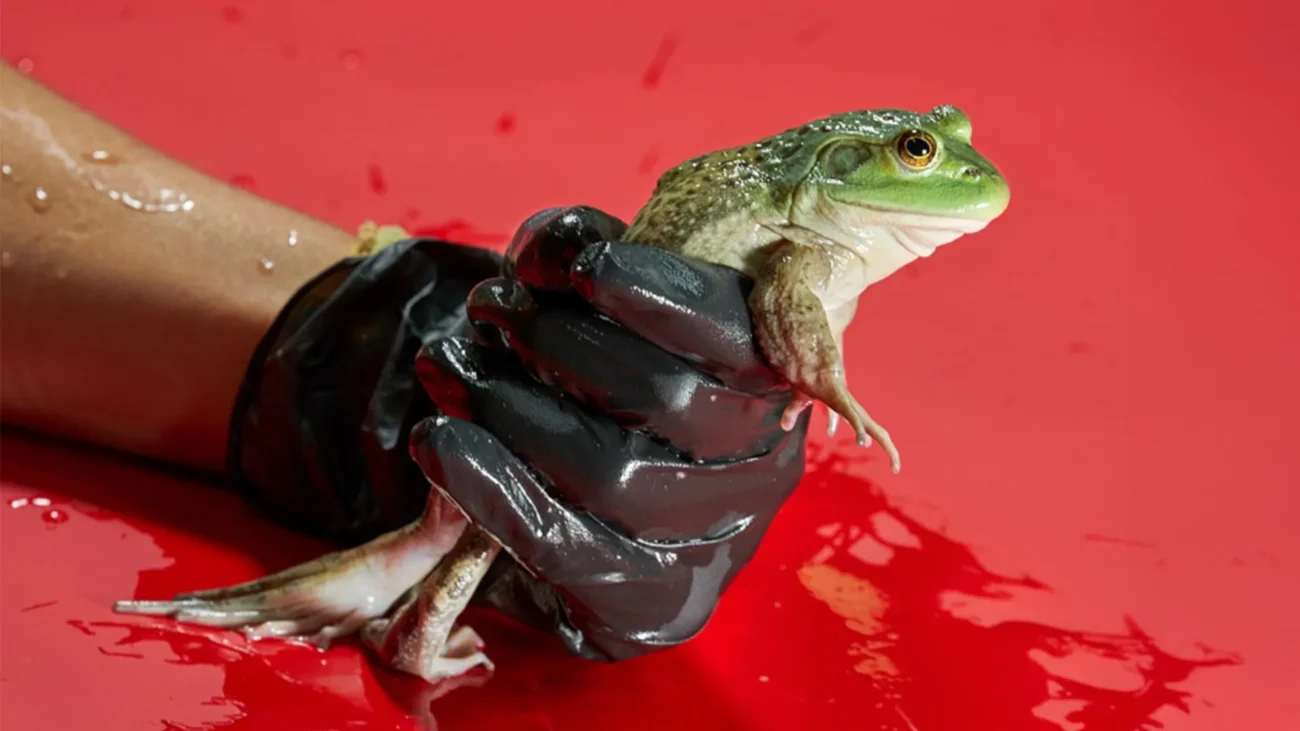
The commercial trade of bullfrogs (Aquarana catesbeiana), a species native to North America, has long been suspected as a major conduit for the international spread of Bd. Widely farmed for consumption, bullfrogs have been transported across continents, inadvertently carrying the fungal pathogen with them. Historical records indicate that bullfrogs were first introduced to Brazil in 1935, with a subsequent introduction occurring in the 1970s. These movements are understood to have opened new pathways for Bd to traverse international borders.
The recent UNICAMP-led study meticulously investigated the link between the global frog meat trade and the dissemination of Bd-Brazil. Researchers analyzed historical trade records, scrutinized the genetic profiles of fungal samples from Brazilian frog farms, and examined genetic data from bullfrogs that had been sold in international markets. This multi-pronged approach aimed to map the most probable routes of transmission.
The findings revealed that Bd-Brazil is widespread within Brazil, with over half of recorded cases linked to frog farming operations. Interestingly, Bd-Brazil is considered less aggressive than Bd-GPL, another prevalent Bd variant with a likely Asian origin. The study delved into 3,617 frog meat trade routes involving 48 countries. The analysis categorized countries into exporters (12), importers (21), and those serving both roles (15). By cross-referencing trade data with genetic evidence and the temporal distribution of Bd-Brazil detections, the researchers were able to identify the most likely pathways of spread.
Eight primary dissemination routes were identified. Crucially, Brazil directly exported bullfrogs to the United States between 1991 and 2009. Subsequently, the United States exported to South Korea in 2004 and 2008. The absence of any recorded exports from South Korea to other affected countries, coupled with the earlier and more widespread presence of the strain in Brazil, strongly supports Brazil as the original source of Bd-Brazil. This detailed mapping of trade routes provides a concrete mechanism by which the fungus achieved its global reach.
Scientific Consensus and Implications for Conservation
The implications of this revised understanding of Bd-Brazil’s origin are far-reaching, particularly for amphibian conservation efforts. The scientific community has largely embraced the new findings, recognizing the critical need to update our understanding of the pathogen’s history. Dr. Wendy V. Boomsma, a leading chytrid fungus researcher not involved in the current study, commented, "This research provides compelling evidence that shifts the perceived origin of Bd-Brazil. Re-establishing the Brazilian origin is crucial for understanding the initial evolutionary pressures and ecological interactions that shaped this strain. It also highlights the ongoing challenges in accurately tracing the history of invasive pathogens, especially when international trade is involved."
The study’s authors underscore the urgent need for enhanced preventive measures to safeguard amphibian populations from future outbreaks. They advocate for a multi-faceted approach that includes:
- Stricter Import Regulations: Implementing more rigorous controls on the import of amphibians and amphibian products to prevent the introduction of novel pathogens.
- Routine Pathogen Screening: Establishing mandatory and comprehensive screening protocols for Bd and other amphibian pathogens in trade.
- Quarantine Measures: Enforcing effective quarantine periods for imported amphibians to detect and contain any potential infections before they can spread.
- Coordinated Global Monitoring: Developing and strengthening international collaborations for the real-time monitoring of Bd outbreaks and the genetic tracking of fungal strains.
The research team’s work is part of a larger FAPESP-supported project titled "From Natural History to the Conservation of Brazilian Amphibians," coordinated by Professor Toledo. This project underscores the commitment of Brazilian scientists to not only understand the threats facing their nation’s rich biodiversity but also to develop effective strategies for its protection.
The reattribution of Bd-Brazil’s origin to Brazil serves as a stark reminder of the unintended consequences of globalized trade. While economic activities like the international frog meat trade provide livelihoods and culinary diversity, they also carry significant ecological risks. The movement of species across biogeographical boundaries can introduce novel pathogens to naive populations, leading to devastating epidemics. The Bd crisis has already decimated amphibian populations globally, pushing many species to the brink of extinction. Understanding the precise origins and pathways of these devastating pathogens is not merely an academic exercise; it is a critical step towards developing targeted and effective conservation strategies. As scientists continue to unravel the complex history of Bd and its impact, the call for more robust global safeguards to protect our planet’s invaluable amphibian heritage grows ever more urgent. The saga of Bd-Brazil’s origin is a potent case study, demonstrating how meticulous scientific investigation, coupled with an understanding of global trade dynamics, can illuminate past events and inform crucial actions for future conservation.

