


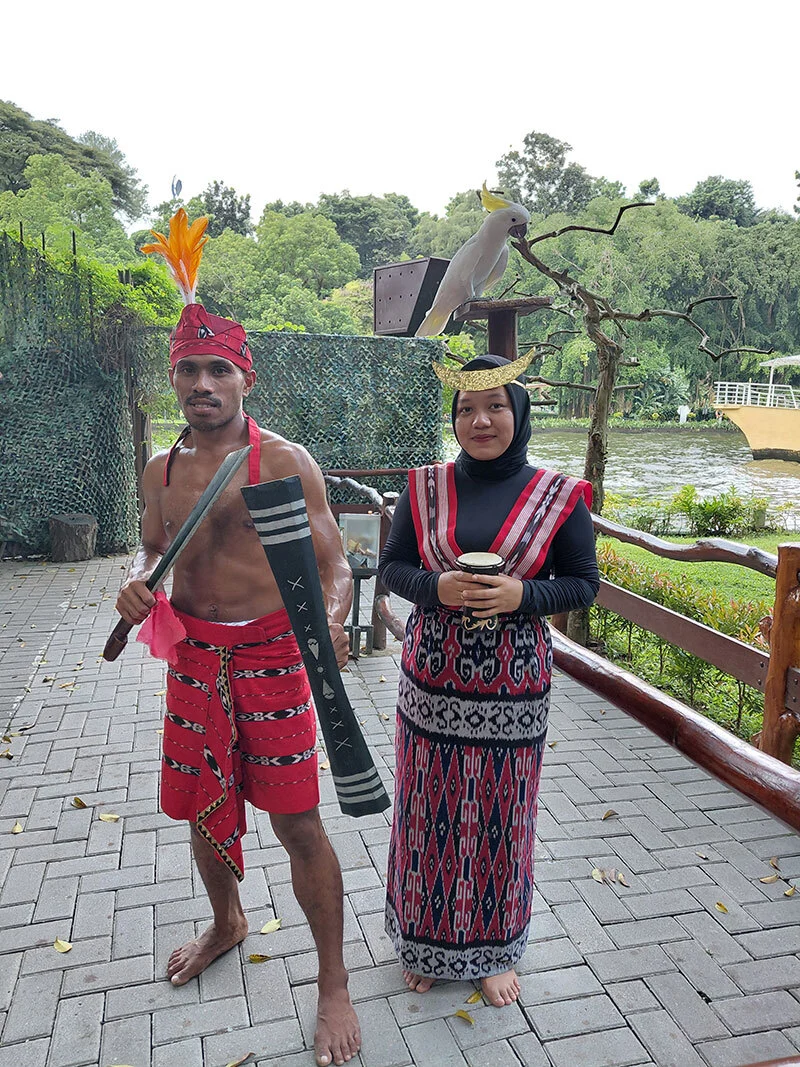
The vibrant salmon-crested cockatoo, scientifically known as Cacatua moluccensis and locally revered as the Moluccan cockatoo, faces a precarious future in its native Indonesian habitat. Endemic to Seram, the largest island within the Maluku province in eastern Indonesia, this magnificent bird is renowned for its soulful dark eyes, glorious peachy crest feathers, and an astonishing vocal capacity, capable of reaching up to 135 decibels – a sound level comparable to a jet engine at takeoff. Despite its striking beauty and ecological importance, the species is critically endangered, battling threats that have pushed it to the brink of extinction. However, a groundbreaking initiative by Perkumpulan Konservasi Kakatua Indonesia (KKI), an Indonesian NGO, in collaboration with the indigenous Huaulu tribe, offers a beacon of hope, demonstrating how traditional cultural practices can be harmonized with urgent conservation imperatives.
The Plight of the Moluccan Cockatoo: A Species Under Siege
The decline of the Moluccan cockatoo population is a stark illustration of the broader biodiversity crisis affecting many parts of the globe. Since 1989, the species has been listed on Appendix I of the Convention on International Trade in Endangered Species of Wild Fauna and Flora (CITES), a designation that strictly prohibits all international commercial trade in wild-caught birds. This critical listing underscores the severe pressure exerted by the illegal wildlife trade, which historically saw vast numbers of these birds captured for the pet market. Furthermore, the International Union for Conservation of Nature (IUCN) Red List categorizes the Moluccan cockatoo as endangered, reflecting a dramatic reduction in its wild numbers. Its historical distribution, which once included several satellite islands of Seram, has contracted significantly, with the species now declared extinct from Haruku, Saparua, and Nusa Laut islands.
The primary drivers of this precipitous decline are dual threats: rampant trapping for the pet trade and widespread habitat loss. While CITES Appendix I status has curtailed international commercial trade, illicit domestic trapping persists, fueled by demand and the birds’ high market value. Trappers often employ cruel and indiscriminate methods, leading to high mortality rates even before birds reach market. Simultaneously, the rich lowland rainforests that constitute the cockatoo’s natural habitat are vanishing at an alarming rate. Deforestation, driven by illegal logging, agricultural expansion (including palm oil plantations), and infrastructure development, fragments and diminishes the crucial breeding and feeding grounds necessary for the species’ survival. The loss of old-growth trees, which provide essential nesting hollows, is particularly detrimental to long-lived birds like the Moluccan cockatoo.
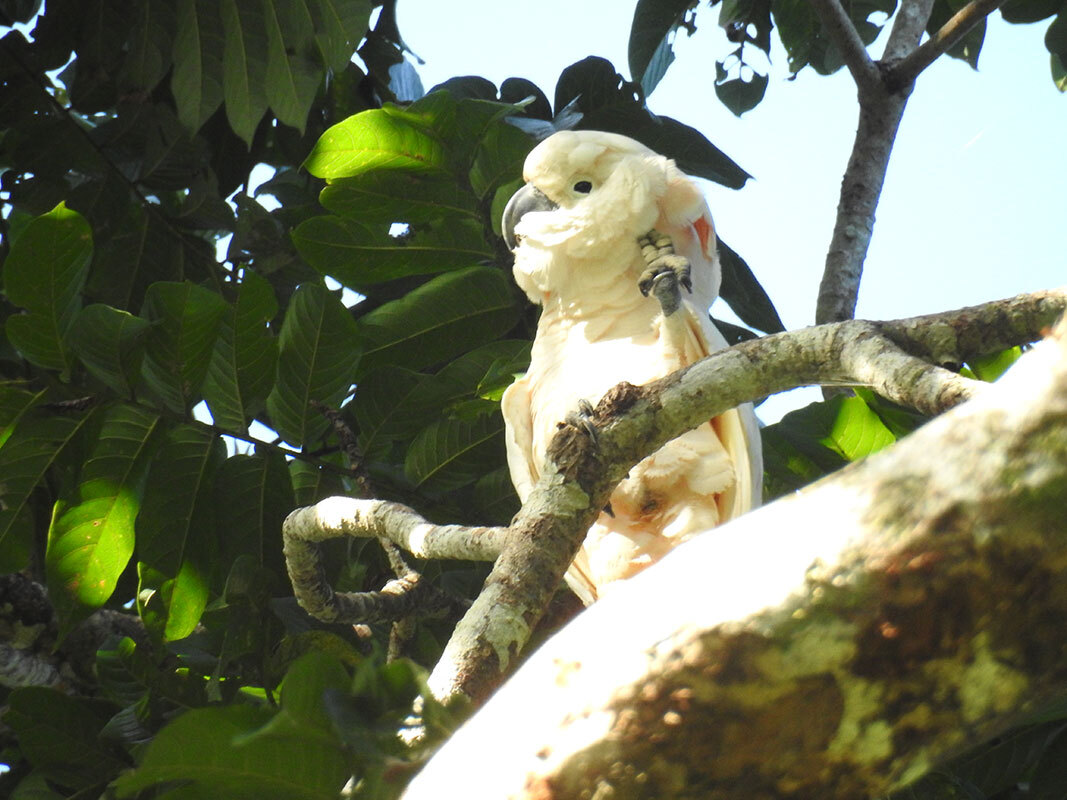
Moluccan cockatoos are known for their remarkable longevity, with one documented individual living to the extraordinary age of 92 years in a 2012 study. This extended lifespan highlights their biological resilience but also underscores the profound challenges they face in captivity. Their immense intelligence, high energy levels, and formidable vocalizations often make them unsuitable pets for most households, requiring substantial space, constant enrichment, and a meticulously balanced diet. When these complex needs are not met, captive birds can suffer from severe psychological and physical ailments. This reality further amplifies the urgent need to protect and restore their natural environment, ensuring that these intelligent and majestic creatures can thrive in the wild.
The Sacred Bond: The Huaulu Tribe and the "Lakam"
In the remote forests of North Seram, the salmon-crested cockatoo, or "lakam" as it is known locally, holds a profoundly sacred and indispensable place in the cultural fabric of the Huaulu tribe. For generations, the Moluccan cockatoo has been more than just wildlife; it is a spiritual totem, a symbol woven into the very identity and traditions of the Huaulu people. The tribe’s deep animistic beliefs connect them intimately with the natural world, viewing animals as sentient beings imbued with spiritual significance.
Central to Huaulu culture is the sacred Cidaku ceremony, a pivotal rite of passage for young men. Between the ages of 12 and 17, boys are expected to embark on a ritual hunt to acquire the prized salmon-colored crest feathers of the Moluccan cockatoo. These feathers are meticulously crafted into a distinctive headdress called a puheliam, an essential component of the Cidaku ceremony, which marks their transition to adulthood. The ceremony is not performed lightly; it follows a strict systematic order, adhering to the birth order of boys within a family, and can only occur once a year per family, emphasizing its solemnity and scarcity.
The pink crest feather is irreplaceable in the Cidaku ritual. Its symbolism runs deep, representing not merely an aesthetic embellishment but the very essence of sacred life, great strength, and unwavering courage. When the cockatoo raises its crest in display, it embodies a stance of dignity and readiness, qualities that the puheliam bestows upon the young man. The crest symbolizes an adult male’s commitment to defending his holiness, upholding self-respect, and maintaining alertness against all threats, both spiritual and physical. For the Huaulu, the absence of these feathers would render the Cidaku ceremony incomplete, disrupting a tradition vital to their cultural continuity and the spiritual development of their youth. This profound cultural dependence on the cockatoo’s feathers presented a significant challenge for conservationists seeking to protect the endangered species.
A Landmark Agreement: Bridging Tradition and Conservation
Recognizing the complex interplay between cultural preservation and species conservation, Perkumpulan Konservasi Kakatua Indonesia (KKI), a dedicated Indonesian NGO, initiated a pioneering solution in 2019. KKI proposed an innovative feather collection agreement: instead of hunting wild Moluccan cockatoos, the Huaulu indigenous community would receive molted salmon-crested cockatoo feathers from KKI’s rehabilitation center. This facility cares for rescued and confiscated cockatoos, many of which naturally shed their feathers.
The negotiation process, while delicate, was driven by mutual respect and a shared understanding of the cockatoo’s importance. KKI engaged extensively with Huaulu village elders and community leaders, explaining the dire conservation status of the "lakam" and offering a sustainable alternative that honored their traditions. The discussions highlighted the long-term benefits of preserving the species for future generations, while simultaneously acknowledging the non-negotiable cultural significance of the feathers.
In October 2019, this historic agreement was formally signed by the Head of Huaulu village, a momentous occasion witnessed by several local government officials. Crucially, the agreement received official acknowledgment and approval from the Ministry of Forestry, signaling its legitimacy and establishing a precedent for similar conservation efforts across Indonesia. This collaboration marked a monumental step forward, offering a tangible pathway to preserving wild Moluccan cockatoos while safeguarding the invaluable cultural heritage of the Huaulu tribe. It demonstrated a pragmatic approach to conservation that moved beyond simple prohibitions, embracing dialogue and partnership with indigenous communities.
Implementation and Ongoing Challenges
While the 2019 feather collection agreement represented a significant breakthrough, its implementation and ongoing management have not been without challenges. Now, seven years on (as of the implied 2026 timeline), monitoring Cidaku traditional ceremonies to ensure strict adherence to the agreement – specifically, that only feathers provided by KKI are used, and no wild cockatoos are hunted – remains a complex task. The vast, often inaccessible terrain of Seram and the deeply ingrained nature of traditional practices necessitate continuous vigilance and trust-building.

Not all segments of the Huaulu community immediately embraced the new feather collection program. Some traditionalists, accustomed to the ancestral practice of hunting, may harbor reservations or face difficulties in fully transitioning to the new system. This highlights the inherent complexities of reconciling ancient customs with modern conservation strategies, requiring ongoing communication and cultural sensitivity.
Despite these challenges, KKI has steadfastly honored its commitment, consistently providing crest feathers from its rehabilitation facility for the Cidaku ritual. The NGO understands that sustained engagement is key to the program’s success. They maintain intensive communication channels with the Huaulu tribe, regularly conducting workshops and community meetings. These forums are designed not only to distribute feathers but also to foster a deeper understanding of conservation principles, address concerns, and reinforce the shared goal of protecting the "lakam." The positive attendance at these workshops attests to a growing acceptance and participation from tribe members, indicating a strengthening partnership.
According to a KKI spokesperson, "The agreement with the Huaulu tribe is a living testament to collaborative conservation. It’s not just about providing feathers; it’s about building bridges of understanding and ensuring that the survival of the Moluccan cockatoo becomes a shared responsibility. We acknowledge the difficulties, but the commitment from both sides is unwavering." Similarly, elders from the Huaulu community have expressed a nuanced perspective, with one elder stating, "Our ancestors taught us to respect the forest and its creatures. This new way allows us to continue our sacred traditions while ensuring the ‘lakam’ will always be there for our children’s children."
Beyond Feathers: A Holistic Approach to Survival
KKI’s vision extends beyond the feather collection agreement, aiming to cultivate a more comprehensive and sustainable conservation framework through active participation with the Huaulu community. The NGO is developing additional programs designed to empower the tribe as guardians of their native environment. One such initiative is the formation of a "Parrot Squad," a community-led patrol team composed of Huaulu members. This squad would be trained in monitoring cockatoo populations, identifying threats like illegal trapping or habitat destruction, and reporting suspicious activities to relevant authorities. This not only provides direct protection for the birds but also instills a sense of ownership and responsibility within the community.
Furthermore, KKI is actively collaborating with the tribe to explore and develop alternative income opportunities that are ecologically sustainable. The goal is to reduce reliance on potentially harmful economic activities and instead foster livelihoods that are directly aligned with conservation goals. Ecotourism, for example, is being explored as a viable option. By developing guided tours that showcase Seram’s unique biodiversity, including opportunities for responsible birdwatching, the Huaulu community can generate income from the very presence of the Moluccan cockatoo, thereby transforming the species from a target for hunting into a valuable asset for sustainable economic development. Such initiatives aim to demonstrate how preserving their native "lakam" directly improves the community’s well-being and enhances the species’ conservation status.
The Ministry of Forestry, upon approving the original agreement, released a statement emphasizing the importance of such community-based conservation models. "This collaboration between KKI and the Huaulu tribe sets a vital precedent," a Ministry official noted. "It exemplifies how indigenous knowledge and modern conservation science can converge to protect our nation’s precious biodiversity while respecting cultural heritage."
The Broader Implications for Conservation
The innovative partnership between KKI and the Huaulu tribe carries significant implications for conservation efforts far beyond the shores of Seram. It serves as a powerful model for addressing the complex challenges that arise when endangered species inhabit areas with indigenous communities whose cultural practices may historically involve resource utilization. The agreement demonstrates that outright prohibition is not always the most effective or equitable solution. Instead, solutions forged through dialogue, cultural understanding, and the provision of sustainable alternatives can lead to more robust and enduring conservation outcomes.
This approach acknowledges the crucial role of indigenous communities as custodians of their lands and the invaluable traditional ecological knowledge they possess. By integrating their perspectives and empowering them in conservation initiatives, NGOs and government bodies can build stronger, more resilient conservation programs. The success of this model could inspire similar partnerships in other regions facing similar dilemmas, offering a blueprint for reconciling human cultural needs with the urgent demands of biodiversity protection.

Ultimately, the long-term success of the Moluccan cockatoo’s survival hinges on the continued commitment of all stakeholders: the dedicated efforts of KKI, the unwavering participation of the Huaulu tribe, and sustained support from both national and international communities. This month’s donation from Lafeber, a company dedicated to avian health and conservation, goes directly to support KKI’s ongoing conservation efforts for the magnificent salmon-crested cockatoo, highlighting the global importance of this local initiative. The story of the "lakam" and the Huaulu tribe is a compelling narrative of hope, proving that with mutual respect and innovative solutions, humanity can indeed coexist with and protect the planet’s most vulnerable species.

