


For those seeking a small parrot to integrate into their family, the crimson-bellied conure, known for its clownish yet friendly disposition, presents a compelling option, provided one is prepared for its vibrant personality and specific care requirements. Understanding this species necessitates thorough research into its origins, natural behaviors, and the intricacies of its captive care.
Species Overview: Pyrrhura perlata
The crimson-bellied conure, also referred to as the crimson-bellied parakeet, bears the scientific name Pyrrhura perlata. These small parrots typically reach an adult size of up to 10 inches (25 cm) in length and weigh approximately 90 grams. Their natural habitat is primarily the Brazilian Amazon basin, with extensions into northern Bolivia. With proper care, these resilient birds boast a considerable lifespan, often exceeding 20 years. While not the loudest of parrot species, their noise level is generally categorized as low to medium, capable of producing distinct vocalizations when excited or distressed.
Distinctive Appearance of the Crimson-Bellied Conure
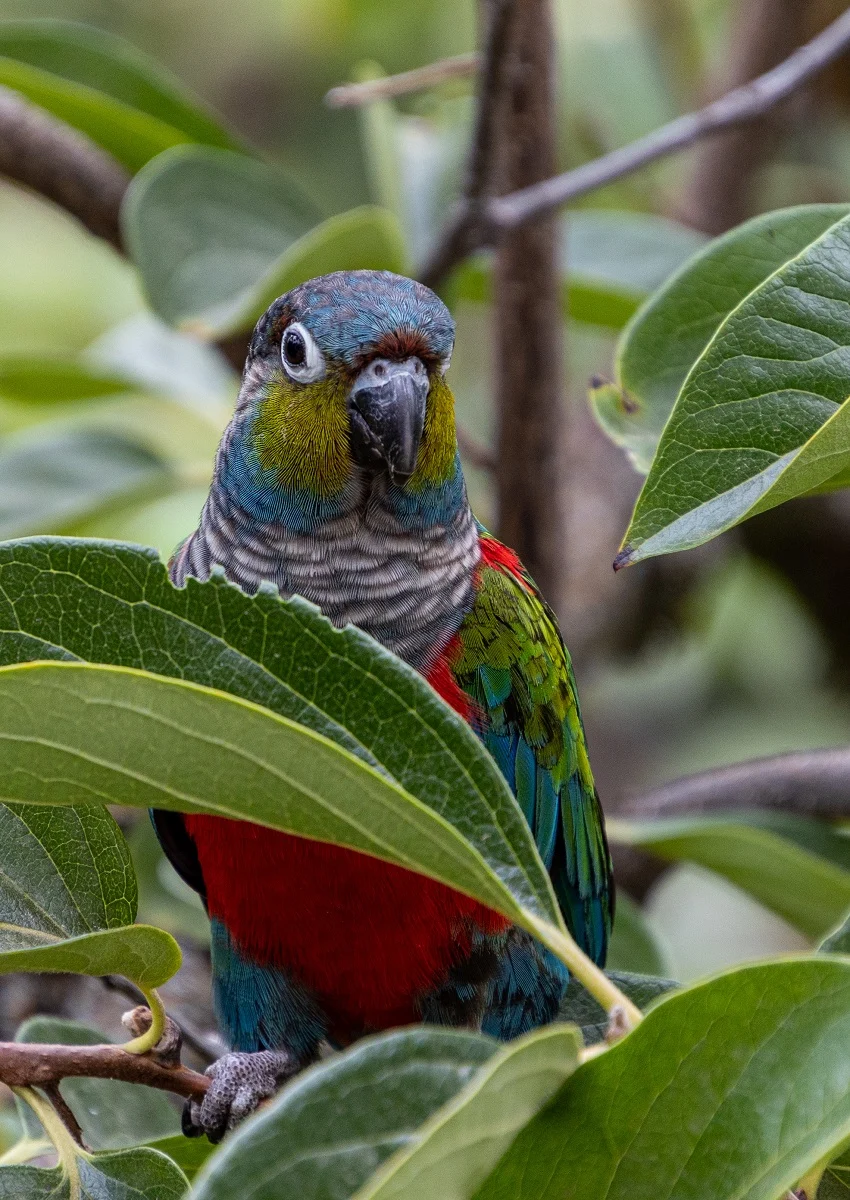
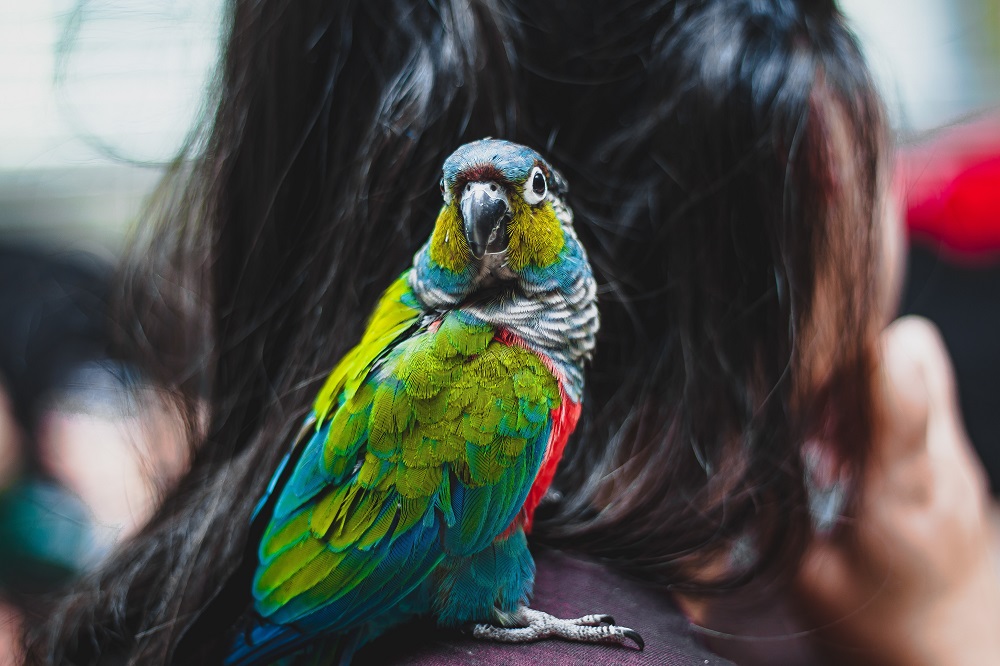
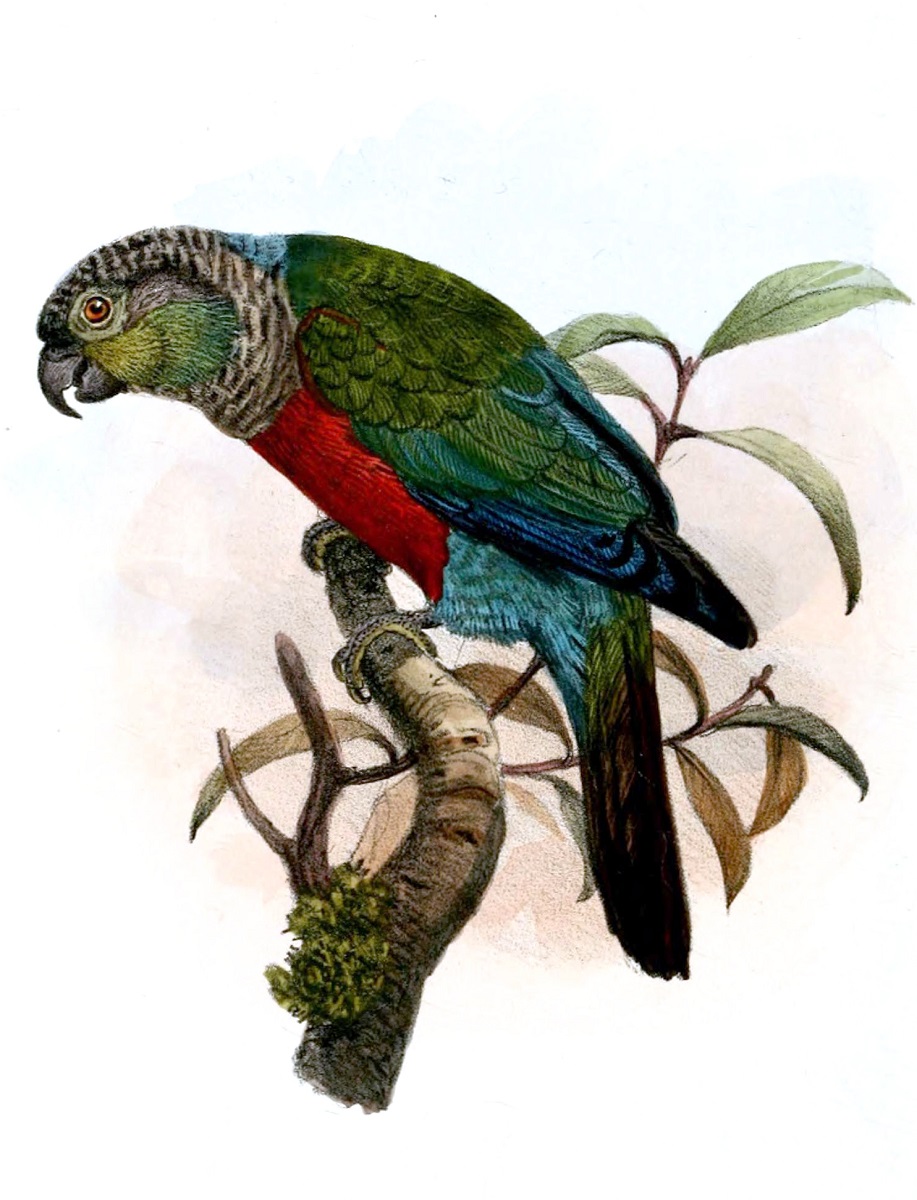
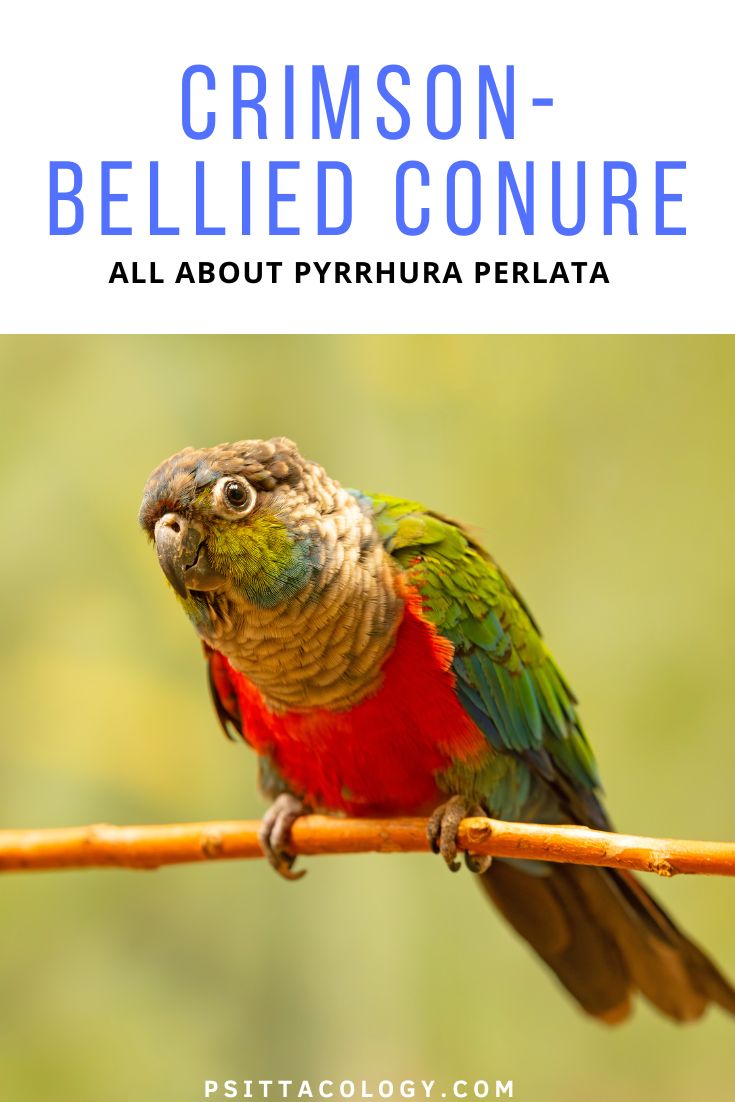
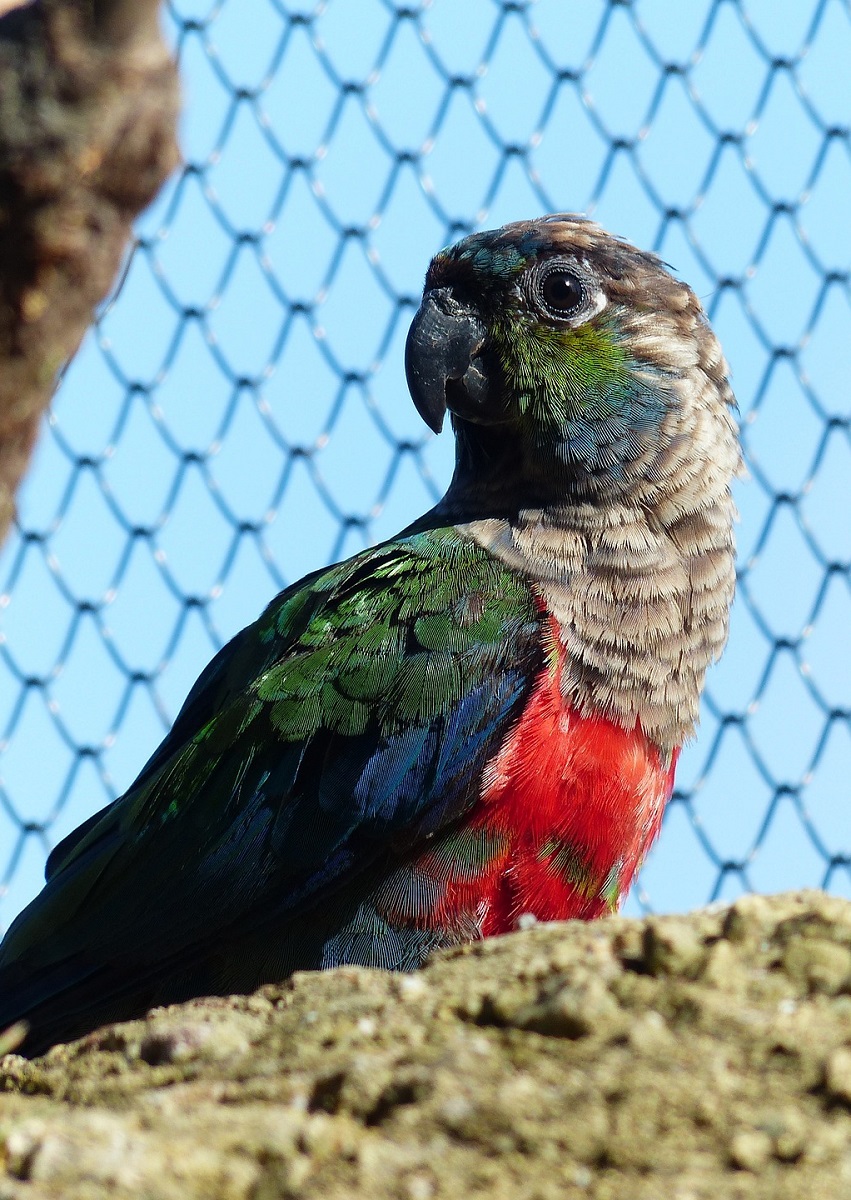
The Pyrrhura perlata stands out even among the diverse array of parrots due to its exceptionally colorful plumage. As its common name suggests, the most striking feature is its belly, which displays a remarkably vibrant shade of red. However, the chromatic display extends far beyond this central hue. The species exhibits a complex palette that includes rich green on its back and wings, often interspersed with hints of blue, particularly on the primary flight feathers. The head is typically adorned with a dark cap, transitioning into a scalloped pattern on the neck and chest, where feathers often exhibit a brownish-black border creating a scale-like effect. The tail feathers are long and tapered, showcasing a deep maroon or reddish-brown hue, particularly on the underside. White eye-rings provide a stark contrast to its dark, intelligent eyes, framed by a robust black beak perfectly adapted for cracking seeds and manipulating food.
It is noteworthy that the full brilliance of the crimson belly may not be apparent immediately. Young crimson-bellied conures can take up to a year to develop their characteristic bright red abdominal feathers, gradually transitioning from a duller tone. Sexual dimorphism is not observed in this species, meaning that males and females are visually indistinguishable, often requiring genetic testing or endoscopic examination for definitive sex determination.
Geographical Range and Natural Habitat
The crimson-bellied conure is indigenous to central South America, with its primary distribution concentrated within the vast expanse of the Brazilian Amazon Basin. A significant population density is found in the state of Rondônia, an area renowned for its dense rainforests. The species’ range extends northwestward into the tropical lowlands of northern Bolivia. These conures exhibit a preference for non-seasonally flooded rainforests, commonly known as terra firme forests, which are characterized by stable ground and a rich, diverse canopy. They demonstrate adaptability, inhabiting both the deep interior of dense primary forests and the more fragmented forest edges, as well as secondary growth forests that have undergone regeneration after disturbance.
Within their natural environment, wild crimson-bellied conures are typically observed traveling in small, cohesive groups, a common social behavior among many parrot species. These groups occasionally intermingle with other conure species, such as the painted conure (Pyrrhura picta), forming mixed-species flocks. Their nesting habits involve utilizing hollow trees, providing a secure location for breeding and raising their young.
Conservation Status and Threats
The International Union for Conservation of Nature (IUCN) Red List currently classifies Pyrrhura perlata as a species of "Least Concern" in its natural habitat. However, this designation is accompanied by a cautionary note: the population trend for the crimson-bellied conure is reported as decreasing. The primary threats to the species stem from human activities, specifically widespread deforestation across the Amazon basin and, to a lesser extent, hunting pressures.
Deforestation, driven by agricultural expansion (particularly cattle ranching and soy cultivation), logging, and infrastructure development, leads to significant habitat loss and fragmentation. This not only reduces the available foraging and nesting grounds but also isolates populations, diminishing genetic diversity and making them more vulnerable to localized extinctions. While not currently critically endangered, the ongoing decline underscores the necessity for continued monitoring and conservation efforts to ensure the long-term viability of wild crimson-bellied conure populations. Conservation organizations and local governments are increasingly focused on protected areas and sustainable land-use practices to mitigate these threats, acknowledging the critical role these parrots play in their ecosystem as seed dispersers.
Dietary Habits: Wild and Captive
Wild Diet
The highly biodiverse rainforests of the Amazon provide a rich and varied food source for wild crimson-bellied conures. They have evolved to exploit a wide array of plant materials. Like many other rainforest-dwelling parrots, a significant portion of their diet consists of wild figs (Ficus species) and other native fruits, which provide essential sugars, vitamins, and hydration. Beyond fruits, observations have documented them feeding on flowers, extracting nectar and pollen, and consuming catkins, which are clusters of small, apetalous flowers found on various trees.
A particularly interesting aspect of their wild diet is their regular visitation to clay licks. These natural formations, rich in vital micronutrients and minerals such as sodium, calcium, and magnesium, are crucial for parrot health. The ingestion of clay is thought to neutralize toxins found in some of the fruits and seeds consumed, aiding digestion and ensuring optimal nutrient absorption. This behavior highlights the complex nutritional strategies employed by parrots in their natural environment.
Captive Diet
In a domestic setting, a captive crimson-bellied conure requires a meticulously varied and nutritionally balanced diet to ensure its long-term health and well-being. Avian veterinarians universally recommend a diet where high-quality, formulated pellets serve as the staple. These pellets are engineered to provide a comprehensive range of nutrients, vitamins, and minerals in each bite, mitigating the risk of selective feeding often observed with seed-based diets. Seed-heavy diets, while palatable to parrots, are notoriously high in fat and deficient in many essential nutrients, leading to common health issues such as obesity, liver disease, and various vitamin deficiencies (e.g., Vitamin A deficiency).
In addition to pellets, daily offerings of fresh vegetables are paramount. A diverse selection of leafy greens (kale, spinach, romaine), cruciferous vegetables (broccoli, cauliflower), root vegetables (carrots, sweet potatoes), and bell peppers should be provided. Fresh fruits, such as apples, berries, melon, and citrus, can be offered regularly but in smaller quantities due to their higher sugar content. Other suitable additions include cooked whole grains like brown rice and quinoa, and pesticide-free foraged grasses, branches, and edible flowers. Occasional treats, such as a small amount of sunflower seeds or nuts, should be given sparingly, used primarily for training or positive reinforcement.
Constant access to fresh, clean water from multiple sources is non-negotiable. Water dishes should be cleaned daily to prevent bacterial growth. A healthy diet is the cornerstone of a happy and long-lived parrot, emphasizing the importance of ongoing education for owners regarding avian nutrition.
Housing Requirements for Optimal Well-being
Despite their relatively small size among parrots, crimson-bellied conures are highly active and energetic birds that require ample space to thrive. The overarching principle for housing is to provide the largest cage possible, especially if the bird will not have the opportunity to spend a significant portion of its day flying freely outside the enclosure. A minimum cage width of 36 inches (90 cm) is generally recommended, though larger dimensions are always preferable. For birds that cannot be let out of their cage daily, an indoor aviary, providing considerably more space for flight and exploration, becomes the ideal setup.

The cage environment must be enriched with a variety of natural wood perches of varying diameters and textures. Perches made from natural branches (e.g., java wood, manzanita, fruitwood) help to exercise foot muscles and prevent pressure sores, unlike uniform plastic or dowel sticks which can lead to foot ailments over time. Multiple perches at different heights encourage movement and provide diverse resting spots. The cage should also be equipped with stainless steel food and water bowls, strategically placed to avoid contamination from dro droppings. Proper ventilation is crucial, and the cage should be located in a well-lit area, away from drafts and direct sunlight, with access to natural light or full-spectrum avian lighting.
Enrichment and Mental Stimulation
All parrots, including the intelligent crimson-bellied conure, possess complex cognitive abilities and a profound need for mental and physical stimulation to maintain their psychological and physical health. Enrichment is not merely a luxury but a fundamental requirement for these birds. A lack of adequate stimulation can lead to severe stress, manifesting in problematic behaviors such as excessive screaming, feather plucking, aggression, and obesity due to inactivity. Keeping these birds engaged and busy is paramount.
Effective enrichment strategies include:
- A Diverse Toy Collection: Provide a rotating selection of toys made from bird-safe materials. This should include chew toys (natural wood blocks, destructible materials like paper and cardboard), foraging toys (puzzles that require manipulation to extract treats), shreddable toys (natural fibers, palm fronds), and puzzle toys that challenge their intellect. Toys should be changed regularly to prevent boredom and maintain interest.
- Daily Out-of-Cage Time: Allow the conure daily opportunities for supervised flight and exploration in a bird-proofed room. This not only provides essential exercise but also allows them to interact with their environment in a more natural way.
- Interactive Play: Dedicate time each day for direct interaction with the bird. This can involve gentle petting (if the bird enjoys it), teaching simple tricks through positive reinforcement (e.g., stepping up, waving), or engaging in games.
- Foraging Opportunities: Mimic natural foraging behaviors by hiding food in various locations around the cage or house, using foraging toys, or scattering food among safe substrates. This encourages problem-solving and reduces the likelihood of boredom.
- Social Interaction: While crimson-bellied conures can form strong bonds with their human companions, some may benefit from the companionship of another conure, provided they are properly introduced and monitored. A compatible pair can provide mutual grooming, social play, and reduce feelings of loneliness.
- Environmental Variety: Introduce novel items to their environment (safe branches, different sounds, new textures) to keep their minds active.
- Bathing Opportunities: Provide a shallow dish of water for bathing or mist them gently with a spray bottle, as bathing is important for feather health and enjoyment.
Any room accessible to the conure must be thoroughly bird-proofed, meaning potential hazards such as open windows, toxic plants, chemicals, hot surfaces, and exposed electrical wires must be removed or secured to ensure the bird’s safety.
Temperament and Social Behavior
Conures belonging to the Pyrrhura genus, including the crimson-bellied conure, are among the most popular parrots kept as companion animals. While green-cheeked conures (Pyrrhura molinae) are perhaps more widely known, crimson-bellies offer a unique blend of charm and vivacity that makes them an excellent choice for the right owner.
These birds are often described as "lovable rogues" due to their spirited, often cheeky personalities combined with a deep capacity for affection. A well-socialized crimson-bellied conure will readily bond with its human caregivers, often seeking out opportunities for physical contact such as perching on a shoulder or enjoying head scratches. They are playful and curious, traits that contribute to their "clownish" reputation, as they are often observed engaging in amusing antics.
Prospective owners should be prepared for their inquisitive nature, which often manifests as a desire to chew and explore objects. While this can lead to some belongings being damaged, it is a natural parrot behavior that can be managed through providing appropriate chew toys and supervision. With consistent positive reinforcement training and ample social interaction, crimson-bellied conures can develop into incredibly friendly, outgoing, and loyal companions, forming strong bonds that can last for decades. It is crucial for owners to be aware of common parrot emergencies and to have a plan for immediate veterinary care, given the species’ curious and sometimes mischievous nature.
Vocalization and Mimicry
When considering a parrot as a companion, understanding its vocalization habits is essential. Among conures, crimson-bellies are generally not considered to be among the loudest species, distinguishing them from some of their more vociferous cousins. However, no parrot is truly silent. Owners can expect a range of vocalizations, including squawks, chirps, and chatters. They will typically vocalize more intensely when excited, seeking attention, or when distressed or startled.
It is highly recommended for potential owners to listen to recordings of crimson-bellied conure calls, such as those available on platforms like xeno-canto, and, if possible, visit an owner of the species to experience their typical noise levels firsthand. This allows for a realistic assessment of whether their vocalizations are compatible with one’s living environment and tolerance levels.
Regarding speech capabilities, most parrots possess an innate ability for imitation. However, Pyrrhura conures are generally not renowned for their exceptional talking prowess. While some individuals may pick up a few words or phrases, many never learn to speak human language. They are more likely to mimic household sounds, such as telephone rings, microwave beeps, or specific whistles, which can be quite amusing. Owners seeking a highly verbal parrot may find other species more suitable, but for those who appreciate their natural vocalizations and occasional imitations, the crimson-bellied conure offers a delightful auditory experience.
Lifespan and Long-Term Commitment
One of the most significant considerations when contemplating the adoption of a crimson-bellied conure is their impressive lifespan. With diligent care, a balanced diet, a stimulating environment, and regular veterinary check-ups, these birds can live for 20 years or more, with some individuals exceeding 30 years. This longevity represents a profound, decades-long commitment on the part of the owner. Adopting a crimson-bellied conure is not a short-term endeavor; it requires a willingness to provide consistent care, financial resources for food, housing, toys, and veterinary expenses, and a dedication to daily interaction and enrichment for the bird’s entire life. Prospective owners must carefully consider their capacity to fulfill such a long-term responsibility before welcoming one of these colorful parrots into their home.
Health and Wellness Considerations
Maintaining the health of a crimson-bellied conure requires proactive care. Regular veterinary check-ups with an avian veterinarian are crucial, ideally on an annual basis. These visits allow for early detection of potential health issues, vaccinations (if recommended for specific regions or lifestyles), and general health assessments. Common health concerns in captive parrots can include nutritional deficiencies (often linked to improper diets), respiratory infections, psittacosis (parrot fever), and behavioral issues stemming from stress or lack of enrichment.
Owners should be vigilant for signs of illness, which can be subtle in parrots as they often mask symptoms as a survival instinct. Indicators such as changes in appetite or water consumption, lethargy, fluffed feathers, discharge from eyes or nares, changes in droppings, feather plucking, or any unusual lumps or swellings warrant immediate veterinary attention. Providing a clean living environment, fresh food and water, appropriate temperature and humidity, and opportunities for exercise are foundational to preventing many common ailments.
Ethical Ownership and Sourcing
Responsible ownership extends to the ethical sourcing of a crimson-bellied conure. Prospective owners should seek out reputable breeders or adoption centers that prioritize the welfare of their birds. This includes ensuring birds are hand-reared (for better socialization), raised in clean conditions, and come with a health guarantee. Avoiding unethical sources that may engage in wild-caught bird trade or neglectful breeding practices is paramount. Understanding the bird’s background and ensuring it comes from a healthy, well-socialized environment sets the foundation for a successful and rewarding companionship.
In conclusion, the crimson-bellied conure is a remarkably vibrant, intelligent, and affectionate parrot that can bring immense joy to a committed owner. Their stunning appearance, lively temperament, and long lifespan make them a truly unique companion. However, their specific needs for space, diet, enrichment, and lifelong care demand a thoughtful and dedicated approach to ownership. For those prepared to meet these demands, the "lovable rogue" of the Amazon offers a profound and colorful partnership.

