


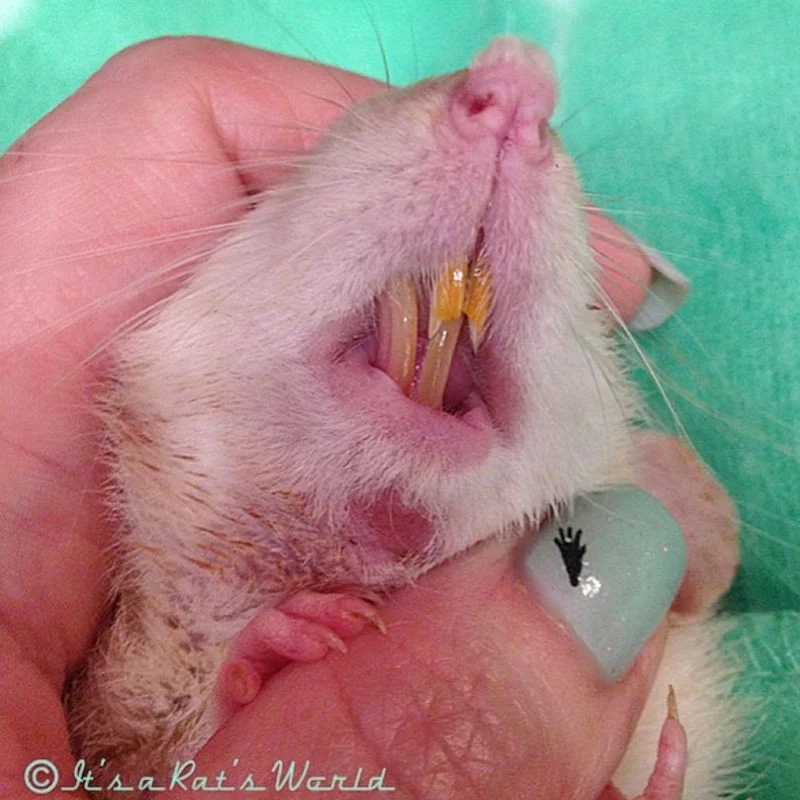
The distinctive characteristic that sets rats, and indeed all rodents, apart from the broader animal kingdom lies within their remarkable dentition, specifically their continuously growing incisors. This lifelong growth, a defining feature of rodents, while facilitating their survival by enabling gnawing through various materials, also presents unique challenges and potential health concerns for pet owners. Understanding the intricacies of rat teeth is paramount for ensuring the well-being of these fascinating creatures.
The Unceasing Grind: Understanding Rodent Incisors
At the forefront of a rat’s dental anatomy are its incisors, the prominent front teeth responsible for gnawing, cutting, and manipulating food. Unlike the deciduous ("baby") teeth seen in many mammals, a rat’s incisors, along with its molars, are open-rooted, meaning they erupt and grow continuously throughout the animal’s entire life. This perpetual growth is a fundamental adaptation that allows rodents to thrive in diverse environments, from foraging for sustenance to gnawing through obstacles.
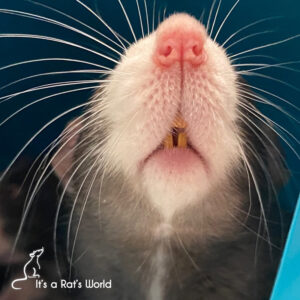
A typical rat possesses 16 teeth in total, comprising four incisors and twelve molars. The incisors emerge first, typically around 8-9 days after birth, serving as the primary tools for initial food processing. The molars, located at the back of the mouth, erupt later, with the first set appearing around day 19 and the final set by day 35-40. These molars are crucial for grinding food into a digestible consistency before swallowing.
Fascinating Facts About Rat Dentition
The unique nature of rat teeth lends itself to a number of intriguing facts that highlight their evolutionary design and functional adaptations:
- Lifelong Dentition: Rats do not experience a transition from baby teeth to adult teeth. The set of incisors and molars they develop early in life are the only ones they will possess throughout their lifespan.
- Coloration and Health Indicators: Healthy adult rat incisors are not white. The upper incisors typically exhibit a dark orangey-yellow hue, while the lower incisors are a lighter yellow. A sudden lightening or whitening of these teeth can be a significant indicator of an underlying health issue, prompting a veterinary consultation.
- Cheek Folds for Protection: Positioned behind the incisors are specialized flaps of cheek skin. These folds serve a vital protective function, preventing unwanted materials or debris from entering the back of the mouth and potentially being swallowed. This natural defense mechanism also poses a challenge for veterinary examinations of the molars, often requiring anesthesia for proper visualization.
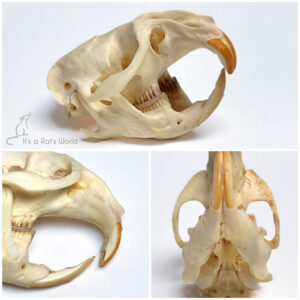
- Bruxing and Self-Maintenance: Rats possess a natural behavior known as bruxing, a form of gnawing or grinding that effectively wears down their incisors to maintain an optimal length and sharpness. The differential hardness between the enamel on the front and the dentin on the back of the incisors facilitates this self-sharpening process, resulting in a precise, beveled edge. Without this constant wear, incisors could grow unchecked, potentially curling and even penetrating the roof of the mouth.
- Immunity to Cavities: The rapid and continuous growth of rat incisors provides an inherent defense against cavities. By the time a cavity could develop, the affected portion of the tooth has already been worn away.
- Independent Lower Jaw Functionality: A particularly remarkable feature of rat anatomy is the presence of two independent lower jaw bones connected by a flexible joint. This allows the bottom incisors to separate and move at a slight angle, a movement that aids in sharpening the teeth and significantly enhances their gnawing capabilities. The upper incisors, however, lack this independent articulation.
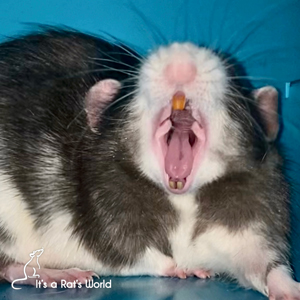
- The Origin of "Eye Boggling": The powerful jaw muscles used for gnawing and bruxing are so robust that they cause a vibration that can lead to the characteristic "eye boggling" in rats. This involuntary movement, often observed during periods of contentment or intense chewing, is a direct consequence of their exceptional dental mechanics and jaw strength.
Dispelling Common Misconceptions About Rat Teeth
Despite the extensive knowledge available about rodent dental health, several persistent myths continue to circulate among pet owners.
Myth: Rats require hard foods or chew toys to keep their teeth worn down.
Fact: This long-standing misconception is inaccurate. Rats possess an innate ability to wear down their teeth through natural gnawing and bruxing behaviors, facilitated by their specialized jaw structure. As long as their teeth are healthy and properly aligned, external interventions for tooth wear are generally unnecessary.
Myth: Rats can chew through virtually any material, including steel.
Fact: While rat incisors are remarkably strong and capable of gnawing through tough substances such as concrete, aluminum, and drywall, they are not capable of chewing through steel. Their dental strength, though formidable, has its limits.
The Dangers of Malocclusion: When Dental Alignment Fails
While rats are adept at self-maintaining their dental health, a critical issue that can arise is malocclusion, a condition where the upper and lower teeth become misaligned. This misalignment can have severe consequences for a rat’s health and well-being.
Causes of Malocclusion:

- Trauma and Injury: Falls, accidents, or being stepped on can lead to jaw misalignment or even fractured incisors. A broken incisor disrupts the balanced wear pattern of the remaining teeth, causing them to grow at uneven lengths.
- Oral Health Issues: Abscesses, cysts, or tumors near the jaw can impact tooth alignment. Conversely, malocclusion itself can predispose a rat to developing these oral health problems, as teeth may rub incorrectly against gum tissue.
- Genetic Predisposition: Some rats are genetically predisposed to developing malocclusion, meaning there is an inherent tendency for their teeth to become misaligned, regardless of external factors.
Consequences of Untreated Malocclusion:
The primary danger of malocclusion lies in the uncontrolled growth of misaligned teeth. Overgrown incisors can:
- Curl and Pierce: Teeth can grow to extreme lengths, curling around and eventually puncturing the roof of the rat’s mouth.
- Cause Infection and Pain: Such perforations create open wounds susceptible to severe infection, leading to significant pain and suffering.
- Result in Starvation: As teeth become excessively long and unmanageable, a rat may find it increasingly difficult or impossible to eat, leading to malnutrition and starvation.
- Damage Opposing Teeth: Misaligned lower incisors can wear down the upper incisors to mere stumps, compromising the rat’s ability to eat and also hindering the natural wear of the lower teeth.
Proactive Measures for Minimizing Malocclusion Risks
While malocclusion cannot always be entirely prevented, several proactive steps can be taken to reduce the likelihood of its occurrence or to facilitate early detection and intervention.
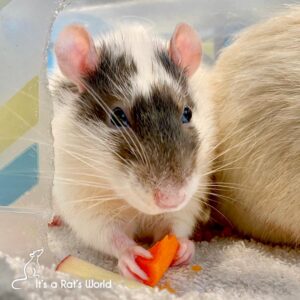
Preventative Strategies:
- Safe Housing and Handling: Minimize opportunities for falls or injuries by ensuring rats are housed in secure enclosures and are not allowed to roam freely in areas where they could be stepped on or fall from heights. Avoid placing rats unattended on elevated surfaces like tables or beds.
- Dietary Considerations: While specialized chew toys are not essential for routine dental wear, providing a varied diet that includes some harder, palatable foods can be beneficial. However, the primary focus should be on ensuring a balanced and nutritious diet.
- Regular Monitoring of Eating Habits: A sudden decrease in appetite or refusal to eat favored foods can be an early indicator of dental discomfort or pain. Owners should be attentive to changes in their rat’s eating patterns.
- Observation for Signs of Discomfort: Watch for behavioral cues such as excessive rubbing of the face against objects or drooling, which can signal oral pain.
- Routine Visual Dental Exams: Conducting weekly or biweekly visual inspections of a rat’s mouth can help identify potential problems. Look for any sores, signs of infection, gum irritation, redness, or abnormalities in the incisors, such as cracks, chips, or uneven wear. Any indication of teeth growing into a point or at an abnormal angle warrants veterinary attention.
Veterinary Intervention: Teeth Trimming and Ongoing Care
When malocclusion is diagnosed, veterinary intervention becomes necessary. Teeth trimming, typically performed by a veterinarian using specialized tools like a Dremel or clippers, is the standard treatment. Due to the stress and potential for injury involved, light anesthesia is often required for uncooperative rats.
In some instances, a veterinarian may demonstrate at-home trimming techniques. However, this is a challenging procedure, as most rats are highly resistant, and improper handling can lead to injury. The need for assistance from another person is often crucial for safely restraining the rat.
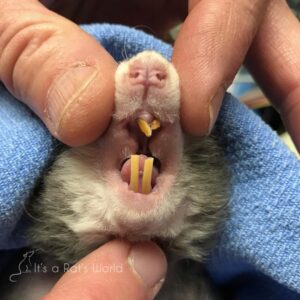
The effectiveness of teeth trimming varies. Some rats may only require a few trimming sessions to regain proper alignment and resume natural tooth wear. However, for many rats with malocclusion, continuous, lifelong trimming is necessary. It is important to note that trimming teeth can paradoxically accelerate their growth rate over time. This means that the frequency of trimming may need to increase as the condition progresses. For example, a rat initially requiring monthly trims might eventually need them every two weeks or even weekly.
Preparing for the Realities of Rat Dental Care
Understanding the unique dental biology of rats is crucial for responsible pet ownership. While the continuously growing incisors are a testament to their evolutionary adaptability, they also necessitate vigilance from owners. Malocclusion, though not always preventable, can be managed with prompt veterinary care. By recognizing the signs, understanding the risks, and working closely with a veterinarian, owners can help ensure their beloved rats maintain healthy and comfortable lives, free from the debilitating effects of dental problems. The commitment to regular observation and timely intervention can make a significant difference in the overall health and longevity of these intelligent and engaging pets.

