


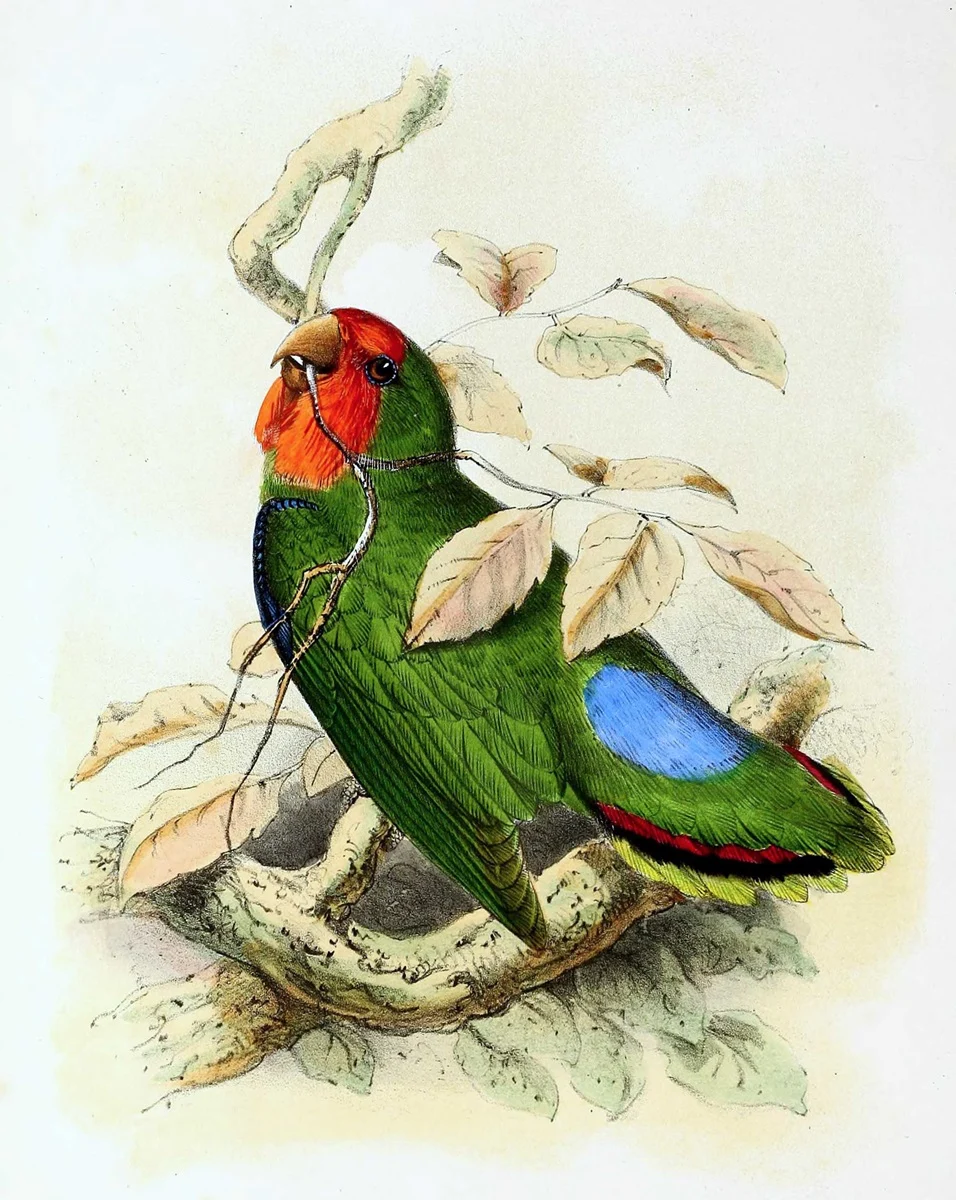
The Agapornis pullarius, commonly known as the red-headed lovebird or red-faced lovebird, stands as a captivating yet largely unkept species within the popular parrot family. Unlike its more ubiquitous relatives, such as the peach-faced or Fischer’s lovebirds, which have cemented their status as beloved companions in households worldwide, this particular species remains a rare sight in aviculture. Its distinct aversion to stress and highly specialized needs make it a challenging subject for captivity, reserved almost exclusively for dedicated parrot enthusiasts and conservation-focused institutions. This article delves into the fascinating world of the red-headed lovebird, exploring its natural history, unique characteristics, conservation status, and the complex considerations involved in its care.
Natural Habitat and Geographic Distribution
The red-headed lovebird is an avian native to the vast and diverse landscapes of Africa, a continent that serves as the ancestral home for all members of the Agapornis genus. Its natural range spans a distinctive, albeit patchy, band stretching from western sub-Saharan Africa eastward through Central Africa. This distribution extends as far west as Guinea and reaches as far east as Ethiopia, covering a significant swath of the continent’s tropical belt.
Within this expansive territory, Agapornis pullarius predominantly inhabits tropical lowland savannahs. These environments are characterized by open grasslands interspersed with scattered trees, a habitat preference that distinguishes them from species favoring dense primary forests. The presence of trees, particularly those suitable for nesting and roosting, is crucial for their survival, yet they actively avoid the impenetrable canopy of rainforests. This species is largely sedentary within its range, meaning it does not undertake extensive nomadic migrations, though local abundances can fluctuate. Red-headed lovebirds are typically observed traveling in pairs or small, cohesive flocks that can number up to a few dozen individuals. They can be found at altitudes reaching approximately 2,000 meters (around 6,550 feet), though they are more commonly encountered at lower elevations. The specific climate of these regions, marked by distinct rainy and dry seasons, plays a vital role in their life cycle, particularly influencing breeding patterns and food availability.
Conservation Status and Mounting Threats
Despite its relatively broad distribution, the conservation status of Agapornis pullarius presents a nuanced picture. The International Union for Conservation of Nature (IUCN) Red List currently classifies the red-headed lovebird as a species of "Least Concern." This designation, however, is often misleading and does not fully capture the localized challenges faced by the species. The IUCN itself acknowledges that A. pullarius is "locally uncommon" across much of its natural habitat, indicating a fragmented and potentially fragile population structure.
Evidence suggests that the global population size of the red-headed lovebird is, regrettably, on a declining trajectory. This decline is attributed to a confluence of anthropogenic pressures, primarily habitat destruction, persecution by farmers, and unsustainable capture for the international pet trade.
-
Habitat Destruction: The conversion of tropical savannahs for agricultural expansion, logging operations, and increasing urbanization directly erodes the crucial habitats that these lovebirds depend upon. The selective felling of specific tree species, which may provide essential nesting or foraging sites, further exacerbates the problem. As their preferred open woodland and savannah environments shrink and become more fragmented, the lovebirds’ ability to find food, shelter, and suitable breeding grounds is severely compromised. This leads to reduced reproductive success and increased vulnerability to predators and environmental changes.

-
Persecution by Farmers: Red-headed lovebirds are primarily granivorous, favoring grass seeds as a staple of their diet. This dietary preference unfortunately extends to agricultural crops like millet, which are widely cultivated in their native range. Consequently, farmers often perceive these birds as pests that threaten their livelihoods, leading to retaliatory measures such as trapping, poisoning, or culling. This human-wildlife conflict adds significant pressure to local populations, particularly in areas where agriculture encroaches heavily on natural habitats.
-
Unsustainable Pet Trade: Perhaps one of the most significant and distressing threats to the red-headed lovebird is its capture for the exotic pet trade. A sobering 2018 study highlighted that nearly 40,000 red-headed lovebirds were exported from their native regions since 1975. This substantial figure underscores the severe impact of commercial exploitation. The inherent stress-prone nature of Agapornis pullarius means that wild-caught individuals often suffer extremely high mortality rates during capture, transport, and acclimatization to captivity. Many birds succumb to stress-induced shock, disease, or starvation even before reaching their intended destinations. Conservation organizations and avian experts consistently express concern over the ethical implications and sustainability of such trade, advocating for stricter regulations and the promotion of captive breeding programs to mitigate pressure on wild populations. The quote from Parr & Juniper (2010) in "Parrots: a guide to parrots of the world" succinctly captures this dilemma: "Abundance also varies owing to nomadic habits, but a genuine overall decline appears to have occurred in many areas this century. Trapped for live bird trade with large numbers in captivity outside range." This historical perspective reinforces the long-standing nature of this threat.
Physical Characteristics and Subspecies
The red-headed lovebird is a visually striking species, characterized by a vibrant plumage that sets it apart. It typically measures up to 15 cm (6 inches) in length and weighs approximately 45 grams, making it a small yet robust parrot. Its body is predominantly a brilliant emerald green, providing excellent camouflage amidst the foliage of its savannah habitat. The most distinguishing feature, from which it derives its common name, is its bright scarlet red face and a similarly colored beak. A subtle dash of blue can often be observed on its lower back, and a small band of red adorns its tail feathers, adding further intricate detail to its coloration.
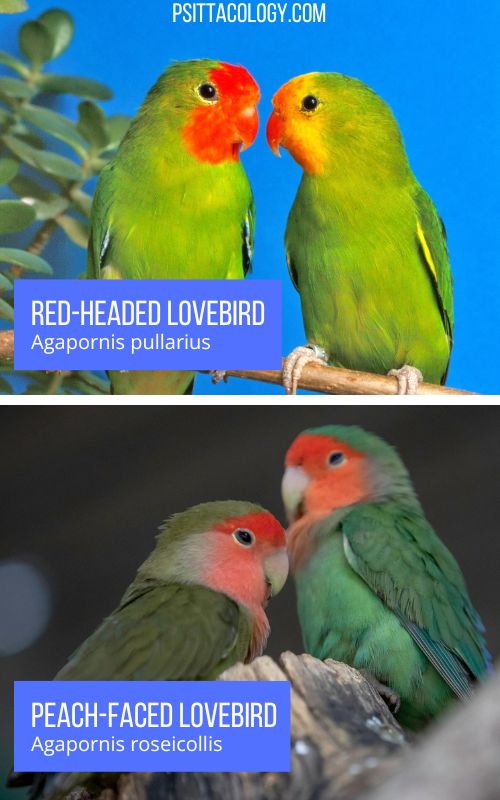
While sharing the general "lovebird" appearance, Agapornis pullarius can be differentiated from other species, notably the widely popular peach-faced lovebird (Agapornis roseicollis). The key identifier lies in the beak: the red-headed lovebird possesses a distinctly red beak, contrasting sharply with the beige or horn-colored beak of the peach-faced lovebird. Beyond this, subtle differences in facial mask shape and body proportions can also be observed by a discerning eye.
Sexual dimorphism is present in Agapornis pullarius, allowing for visual distinction between males and females. The male typically exhibits a more intensely colored, scarlet face and a brighter red beak. In contrast, the female’s facial coloration tends to be duller, leaning more towards an orange hue than a vibrant scarlet, and her beak color is also less intense. This subtle difference in plumage likely plays a role in mate selection and potentially provides better camouflage for females during nesting periods.
Two recognized subspecies of the red-headed lovebird exist, each with slightly varying geographic distributions and minor phenotypic differences:
- Agapornis pullarius pullarius: The nominate subspecies, found across the western and central parts of the species’ range.
- Agapornis pullarius ugandae: Found in the eastern part of the range, particularly around Uganda, often exhibiting slight variations in plumage shade or size.
Dietary Habits: From Wild Foraging to Captive Nutrition
In their natural environment, red-headed lovebirds are primarily granivores, meaning their diet largely consists of seeds. They show a particular preference for various grass seeds, which are abundant in their savannah habitats, especially during the rainy season. As mentioned, this dietary habit extends to agricultural crops like millet, leading to their classification as a pest in some farming communities. Beyond seeds, they supplement their diet with wild fruits such as figs and guava when available, providing essential vitamins, minerals, and moisture. Their foraging behavior typically involves moving through grasslands and trees in pairs or small flocks, expertly extracting seeds and fruits with their strong beaks.

In captivity, providing a nutritionally complete and varied diet is paramount, particularly given the species’ delicate nature. While many traditional lovebird keepers historically relied heavily on dry or sprouted seed mixes, modern avian veterinary science strongly advocates for a high-quality pelleted diet as the cornerstone of captive nutrition. Pellets are formulated to provide a balanced array of essential nutrients, vitamins, and minerals, mitigating the common deficiencies associated with an exclusively seed-based diet.
Beyond pellets, a diverse range of supplementary foods should be offered daily:
- Seed Mixes: A high-quality seed mix can be offered in moderation as a treat or supplemental food, but should not constitute the primary diet. Sprouted seeds are excellent for their nutritional value and digestibility.
- Fresh Vegetables: An abundance of fresh vegetables should be provided daily. Examples include leafy greens (kale, spinach, romaine lettuce), bell peppers, carrots, broccoli, zucchini, and various squashes. These offer crucial vitamins, fiber, and hydration.
- Fresh Fruits: Fruits like berries, apples (without seeds), melons, kiwi, and grapes can be offered in smaller quantities due to their higher sugar content.
- Other Foods: Cooked whole grains such as quinoa or brown rice, and select foraged weeds like dandelion greens (ensure they are pesticide-free and correctly identified), can add variety and enrichment.
- Protein: During breeding periods, molting, or periods of high activity, supplementary protein sources like boiled egg or mealworms can be beneficial for their energy and nutrient requirements.
- Water: Access to fresh, clean drinking water must be available at all times, changed daily.
Aviculture: The Challenges and Dedicated Efforts
The red-headed lovebird’s reputation as a "stress-prone" and "picky" species precedes it in avicultural circles. This innate nervousness is the primary reason it remains an uncommon species in captivity, especially when compared to its more robust and adaptable cousins. Wild-caught Agapornis pullarius are particularly susceptible to stress, with instances reported of birds succumbing to simple loud noises or changes in their environment. Their reluctance to adapt to new surroundings, diets, and social structures makes them extremely difficult to acclimatize.
For prospective keepers, the crucial takeaway is that the red-headed lovebird is not a suitable pet for the casual enthusiast seeking a cuddly companion. These are observational birds that thrive in environments of stability and minimal disturbance. Any interaction should be gentle and from a respectful distance.
Housing:
For those experienced parrot enthusiasts who manage to acquire captive-bred red-headed lovebirds (which are far more adaptable than their wild-caught counterparts), appropriate housing is critical.
- Aviaries: The ideal setup is a spacious, heated aviary, preferably allowing for flight. Given their nervous disposition, they are best kept as single pairs or, if space allows, in separate enclosures to prevent inter-species stress. The aviary should offer ample shelter from the elements and visual barriers to reduce external stimuli.
- Indoor Cages: For indoor housing, a generously sized cage is essential. A minimum width of 80 cm (30 inches) is recommended, with bar spacing no wider than 1.25 cm (0.5 inches) to prevent escapes or injury. The cage should be furnished with a variety of natural wood perches of varying diameters, promoting foot health and exercise. Chew toys, foraging opportunities, and bathing dishes are also vital components.
Enrichment:
Like all parrots, Agapornis pullarius is intelligent and requires significant mental and physical stimulation to prevent boredom and stress-related behaviors. However, due to their sensitive nature, enrichment items must be introduced gradually to avoid startling them.
- Chew Toys: Provide a constant supply of natural wood, paper, and cardboard toys to satisfy their natural urge to chew and keep their beaks conditioned.
- Foraging Toys: These are crucial for mental stimulation, mimicking their natural foraging behaviors. Toys that require problem-solving to access treats can significantly reduce boredom.
- Natural Branches: Untreated, bird-safe branches from trees like willow, apple, or eucalyptus offer climbing opportunities and additional chewing material.
- Bathing: Offer a shallow water dish or mist them gently with a fine spray bottle to encourage bathing, which is vital for feather health.
- Social Interaction: While not typically interactive with humans, a pair will engage in social preening and interaction, which is a form of enrichment. If kept singly (though generally not recommended for lovebirds), consistent, calm human presence can provide a degree of comfort.
Noise Level:
Compared to many other parrot species, the red-headed lovebird is considered relatively quiet. However, "quiet for a parrot" is a subjective measure, and like all psittacines, they are capable of producing loud calls, particularly when alarmed or excited. Their calls are typically described as shrill and high-pitched. Resources like Xeno-Canto offer recordings of Agapornis pullarius calls, allowing prospective keepers to familiarize themselves with their vocalizations.
Reproduction: A Notoriously Difficult Endeavor
Reproduction in wild red-headed lovebirds is closely tied to the availability of resources, primarily occurring during the rainy season when food is abundant. A truly unique aspect of their breeding biology is their nesting preference: they primarily utilize arboreal termite or ant nests. The female burrows into these hard structures, creating a chamber that she then reinforces with plant material like grass leaves. This ingenious adaptation provides a well-insulated and relatively secure nesting site. Occasionally, they may also nest in ground-level termite mounds or tree hollows excavated by woodpeckers. A typical clutch consists of up to six eggs.
In captivity, the specific nesting requirements and the species’ inherent nervousness make Agapornis pullarius notoriously difficult to breed successfully. Replicating the precise microclimate and structural integrity of a termite nest is a significant challenge for aviculturists. The stress associated with breeding, combined with unsuitable nesting options, often leads to failed attempts. However, dedicated enthusiasts, such as Dominique Veeckmans, have achieved success through innovative methods. These pioneers have discovered that nest boxes constructed from cork can effectively mimic the insulating and burrowing properties of natural termite nests, providing an environment conducive to successful breeding. Such breakthroughs are vital not only for propagating the species in captivity but also for potentially reducing reliance on wild-caught birds and contributing to long-term conservation efforts.
Broader Implications: The Ethos of Responsible Aviculture and Conservation
The story of the red-headed lovebird is a compelling illustration of the intricate balance between human interest in exotic animals and the imperative of wildlife conservation. Its delicate nature and specific habitat requirements underscore the ethical responsibilities of aviculturists and the broader implications of the pet trade. While the species is classified as "Least Concern," the evidence of declining populations due to habitat loss and unsustainable capture for trade highlights a critical need for vigilance and concerted action.
Responsible aviculture plays a dual role: first, by fostering successful captive breeding programs, it can reduce the demand for wild-caught birds, thereby alleviating pressure on natural populations. Second, by sharing knowledge and promoting best practices for the care of challenging species like Agapornis pullarius, it contributes to a greater understanding of avian welfare and natural history. The experiences of dedicated keepers who have overcome the difficulties of breeding this species offer invaluable insights into its unique needs and sensitivities.
Ultimately, the red-headed lovebird serves as a poignant reminder that not all species are suited for general pet ownership. Its existence calls for a deeper appreciation of biodiversity, a commitment to protecting natural habitats, and a conscious choice to support ethical and sustainable practices in the world of aviculture. Further research into its ecological needs, population dynamics, and successful captive breeding protocols remains essential for securing the future of this unique and beautiful African parrot.

