


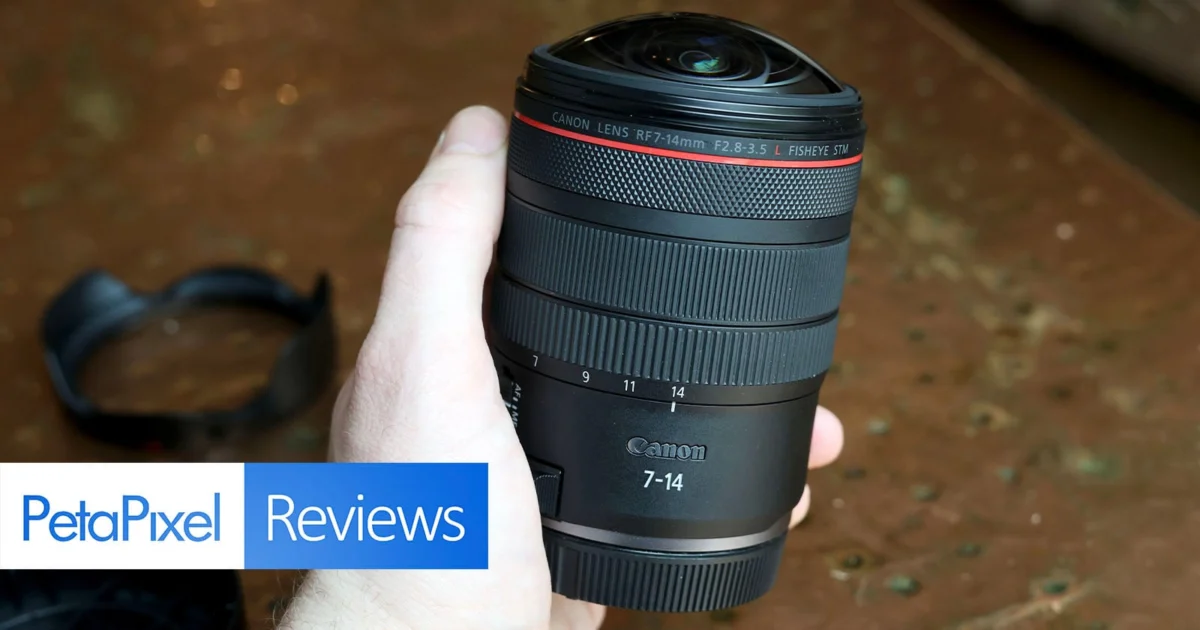
The Canon RF 7-14mm f/2.8-3.5L STM marks a significant milestone in the evolution of the RF mount ecosystem, establishing itself as the world’s widest-angle zoom lens. With a staggering 190-degree field of view at its widest setting, the lens offers a perspective that transcends traditional ultra-wide photography, venturing into the realm of extreme fisheye optics. This professional-grade L-series lens is designed to provide photographers and videographers with a versatile tool capable of capturing everything from immersive 180-degree circular images to sharp, frame-filling diagonal fisheye shots. As the mirrorless market continues to mature, Canon’s decision to prioritize such a specialized focal range underscores the company’s commitment to providing unique optical solutions that cannot be replicated by standard wide-angle glass.
Technical Specifications and Design Philosophy
The Canon RF 7-14mm f/2.8-3.5L STM is engineered to balance extreme optical performance with the portability required by modern mirrorless users. Weighing in at 476 grams (approximately 16.8 ounces), the lens is remarkably lightweight given its complex internal construction. This portability allows it to remain attached to a camera body like the Canon EOS R6 Mark III or R5 Series without causing significant fatigue during extended shoots.
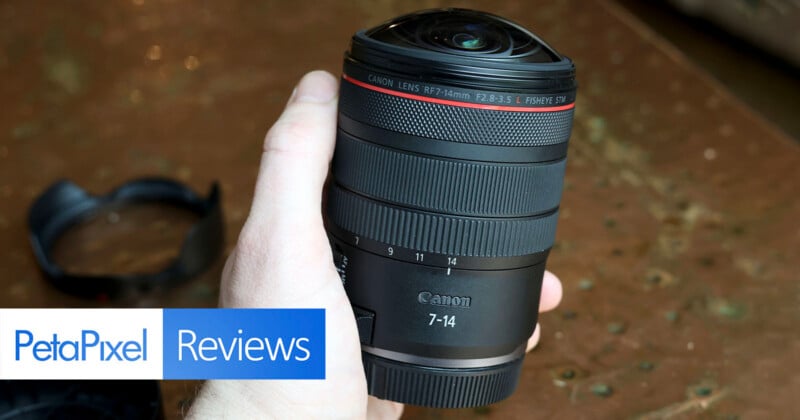
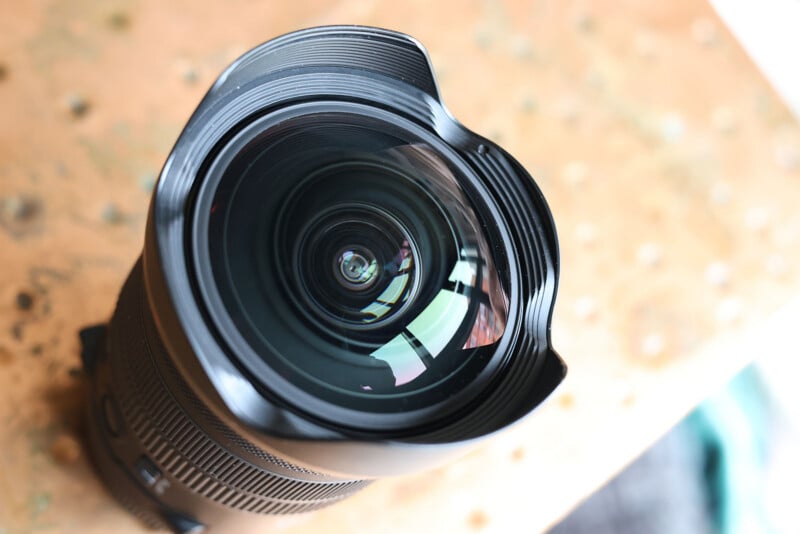
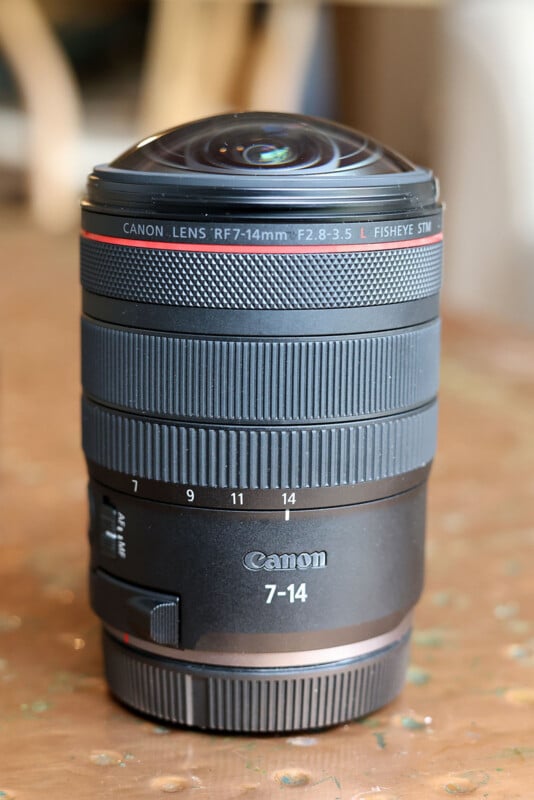
As an L-series lens, the build quality adheres to professional standards, featuring robust dust and weather resistance. The most prominent physical feature is the bulbous front element—a large, protruding glass dome essential for achieving the 190-degree field of view. Due to this curvature, traditional screw-on filters cannot be used. Instead, Canon has implemented a specialized drop-in filter system located at the rear of the lens, near the mount. This system allows professionals to utilize variable neutral density (VND) filters or circular polarizers, which are often essential for high-end videography and landscape work.
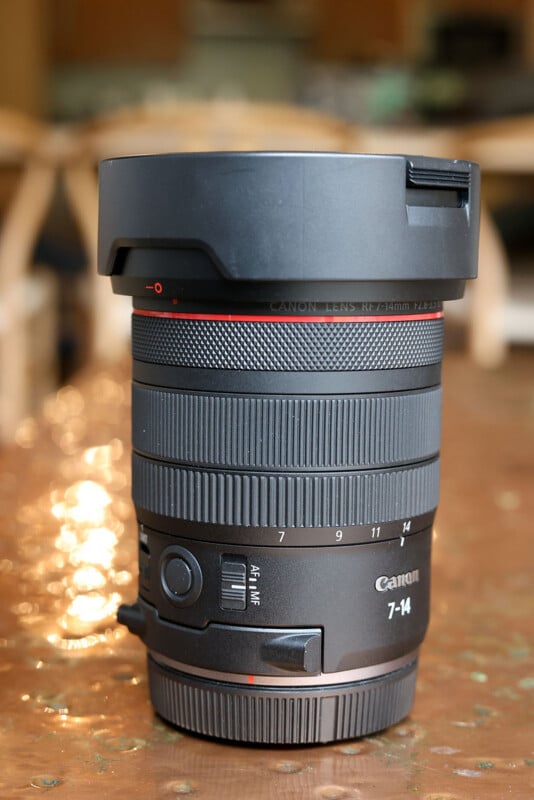
The lens barrel includes a programmable control ring, a hallmark of the RF lens lineup, which can be assigned to adjust aperture, shutter speed, or ISO. Additionally, a lens function button is present, defaulting to an autofocus pause but customizable to various other shortcuts. A zoom limiter switch is also included, which serves a dual purpose: locking the lens to 7mm for full-frame circular shots or limiting the range to a diagonal fisheye perspective when using APS-C sensor cameras.
Optical Performance: From Circular to Diagonal Perspectives
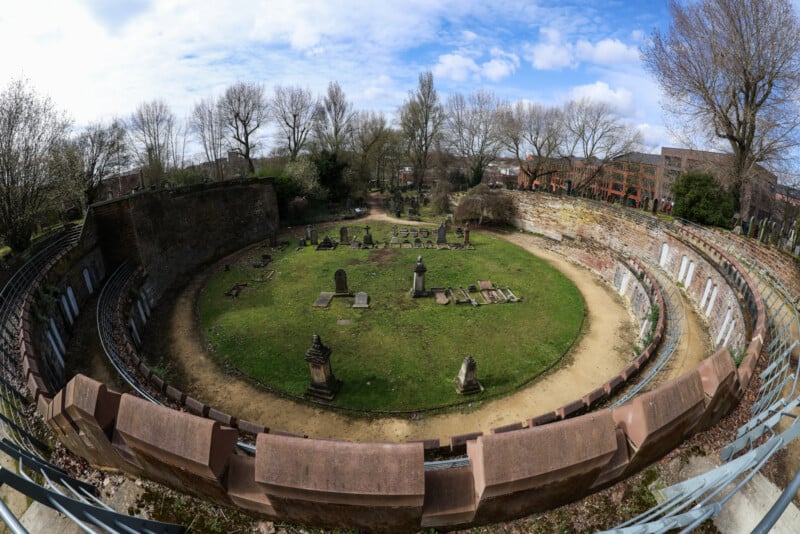
The RF 7-14mm f/2.8-3.5L STM offers two distinct visual styles within a single zoom range. At the 14mm end, the lens functions as a diagonal fisheye, covering the entire rectangular frame with impressive corner-to-corner sharpness. This setting is particularly useful for action sports and architectural photography where the "fisheye look" is desired without the black masking of a circular image.
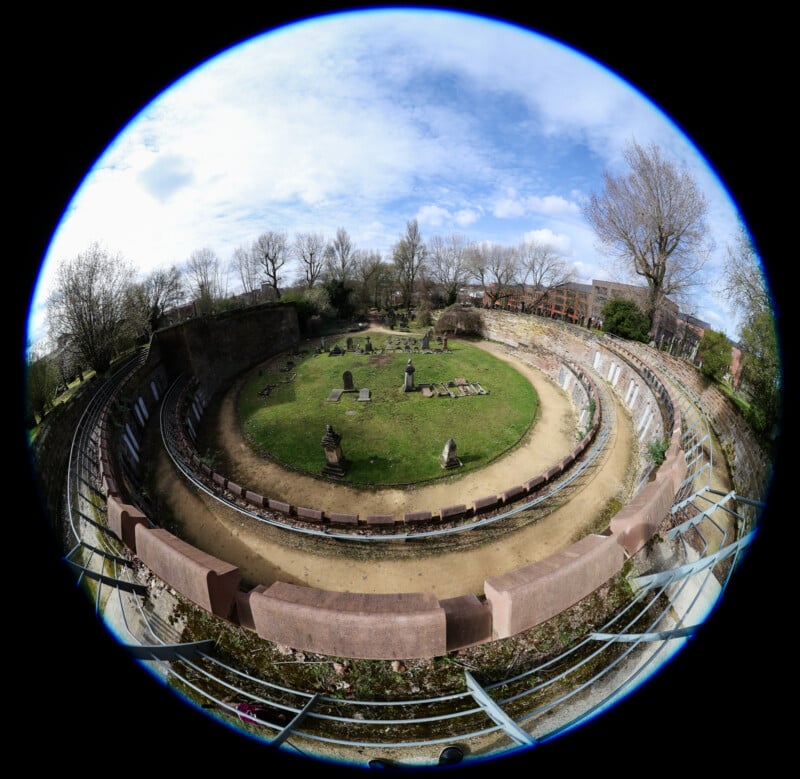
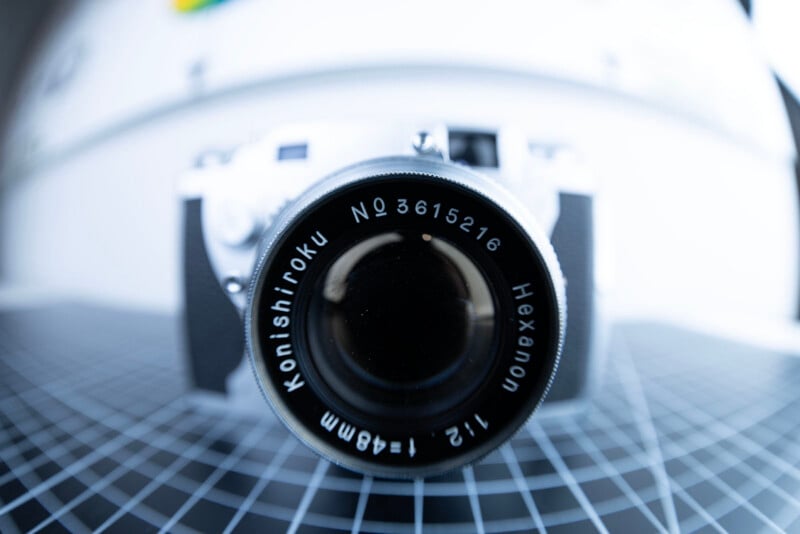
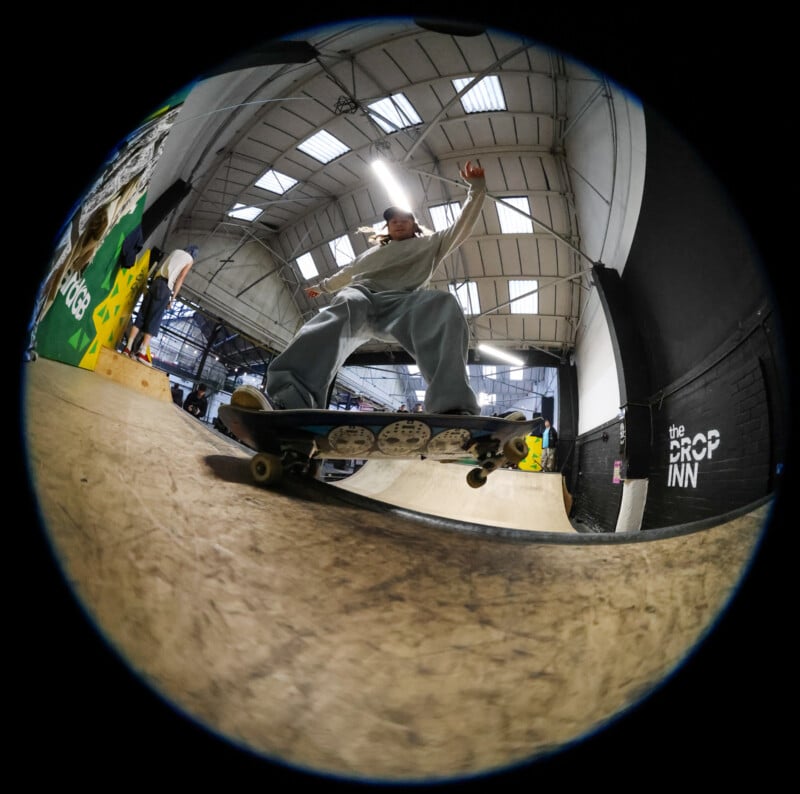
At the 7mm end, the lens transforms into a circular fisheye. This produces a spherical image in the center of the frame surrounded by total blackness. At this focal length, the field of view is so expansive that photographers must be vigilant to ensure their own feet, hands, or tripod legs do not inadvertently enter the frame. The 190-degree coverage effectively sees "behind" the lens plane, creating a surreal, immersive effect.
Despite the inherent distortion of fisheye optics, Canon has ensured that the image quality remains high. The lens displays remarkable sharpness across the frame. While some blue fringing (chromatic aberration) is visible at the 7mm extreme, it is a known characteristic of such wide optics. Canon’s internal processing and modern post-production software like Adobe Lightroom or Digital Photo Professional can easily mitigate these artifacts. Furthermore, the lens features a minimum aperture of f/29, which, combined with the optical coating, allows for the creation of clean, well-defined sunstars—a critical feature for cityscapes and outdoor action photography.
Real-World Application and Specialized Use Cases
The primary market for the RF 7-14mm f/2.8-3.5L STM includes specialized niches where extreme perspectives are not just a stylistic choice but a functional requirement.
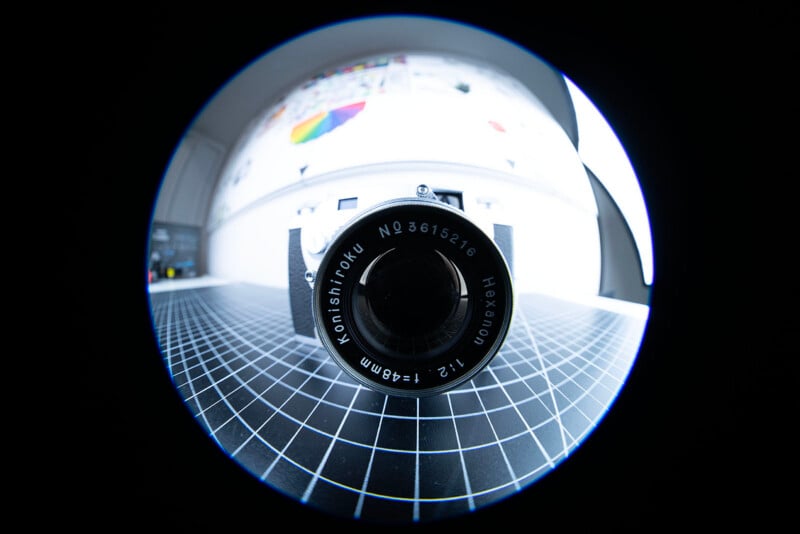
Action Sports and Skateboarding
Historically, fisheye lenses have been synonymous with skateboarding culture. The ability to get inches away from a moving subject while keeping the entire environment in frame is essential for capturing the scale of tricks. In testing at low-light indoor skateparks, the STM (Stepping Motor) autofocus system demonstrated high reliability. Even in challenging lighting conditions, the lens maintained focus on fast-moving skaters, with only rare instances of focus hunting.
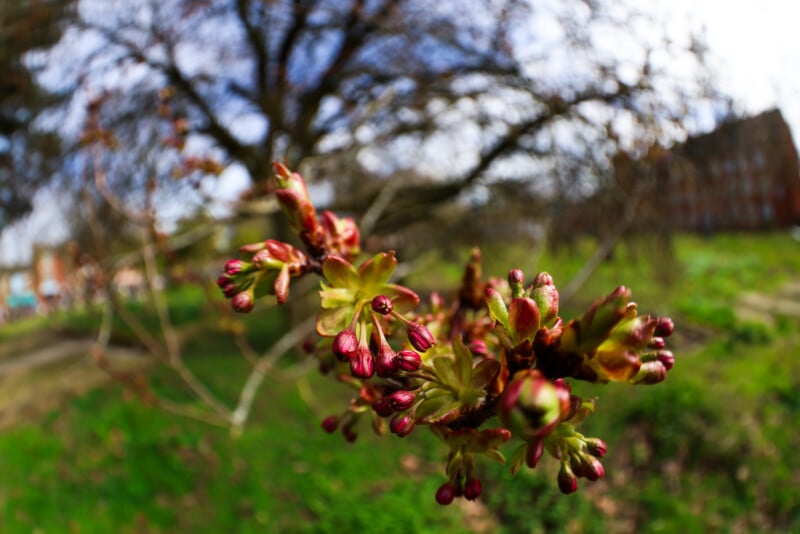
Astrophotography and VR Content
The 190-degree field of view makes this lens an intriguing option for astrophotography, allowing for the capture of the entire Milky Way arc in a single exposure. Additionally, the lens has significant implications for the growing Virtual Reality (VR) and 180-degree immersive content market. By capturing such a wide swath of visual data, it simplifies the stitching process for 360-degree panoramas and VR environments.
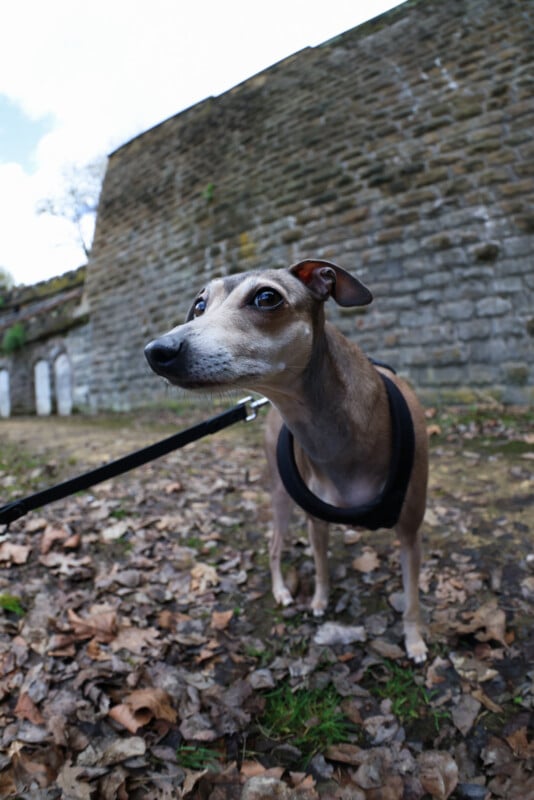
Architecture and Underwater Photography
In tight urban environments, the lens allows for the capture of entire building interiors or narrow streets that standard 15mm or 16mm lenses would struggle to encompass. Canon also suggests that the lens will be a favorite for underwater photographers, as the fisheye perspective compensates for the natural magnification that occurs when shooting through water.
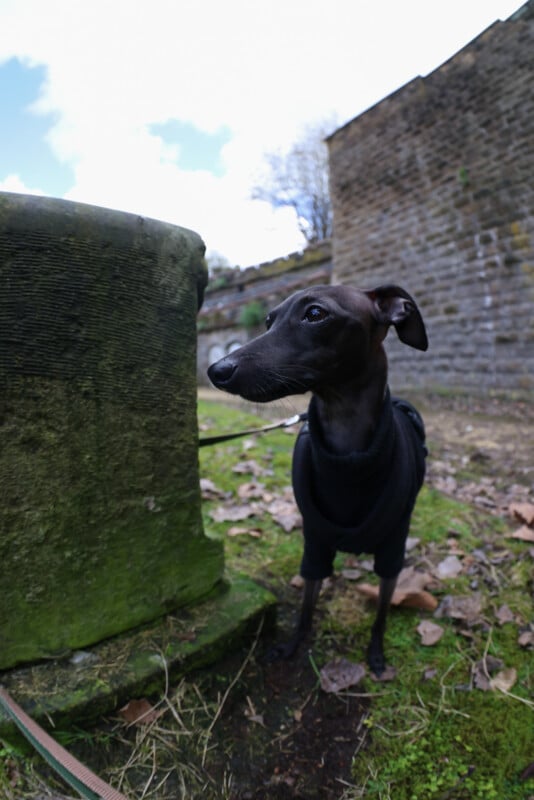
Operational Nuances: The "Butterfly" Effect
One of the unique operational challenges of this lens involves the lens hood. On most lenses, the hood is a "set and forget" accessory used to block stray light. However, at the 7mm setting on the RF 7-14mm, the lens hood creates a "butterfly" vignette—a distracting shadowing at the edges of the circular image. Consequently, photographers must frequently remove the hood and lens cap when shooting at the widest setting and replace them when zooming toward 14mm or when moving between locations to protect the exposed front element.

Market Context and Historical Evolution
The RF 7-14mm f/2.8-3.5L STM is the spiritual successor to the legendary Canon EF 8-15mm f/4L Fisheye USM. While the EF version was a staple for over a decade, the new RF version offers several key improvements:

- Wider Focal Length: Moving from 8mm to 7mm provides a noticeably wider field of view.
- Faster Aperture: The jump from f/4 to f/2.8 at the wide end is a significant advantage for low-light performance.
- Weight Reduction: The mirrorless design allows for a lighter footprint without sacrificing L-series durability.
Currently, the RF 7-14mm sits in a unique position within the Canon lineup. While the RF 14mm f/1.4L VCM offers a fast, ultra-wide prime perspective, it lacks the "unnatural" creative distortion of a true fisheye. For photographers seeking alternatives, the market is limited. The older EF 8-15mm can be adapted, but it is slower and heavier. Third-party manual focus options from brands like 7Artisans, TTArtisan, and AstrHori exist at much lower price points ($235–$299), but they lack autofocus, weather sealing, and the sophisticated electronic integration of the Canon L-series.

Professional Analysis and Industry Implications
The release of the RF 7-14mm f/2.8-3.5L STM highlights a broader trend in the camera industry: the shift toward highly specialized, "prestige" glass. As smartphone cameras continue to improve their standard wide-angle capabilities using computational photography, dedicated camera manufacturers like Canon are focusing on optics that are physically impossible to replicate in a mobile form factor.
From a professional standpoint, the $1,899 price tag reflects the lens’s status as a niche tool. It is unlikely to be the "daily driver" for a wedding or portrait photographer. However, for commercial agencies, architectural firms, and extreme sports media houses, the lens represents a necessary investment. The ability to produce high-resolution, sharp, circular imagery with the reliability of Canon’s autofocus system provides a competitive edge in visual storytelling.

Industry reactions suggest that the lens will also be a boon for the scientific community. Fisheye lenses are frequently used in forest canopy research, meteorology (all-sky cameras), and robotics for wide-area navigation. The improved light-gathering capability of the f/2.8 aperture makes these scientific applications more viable in low-light environments.

Conclusion
The Canon RF 7-14mm f/2.8-3.5L STM is a masterclass in specialized optical engineering. It successfully takes the concept of the fisheye zoom—once a niche novelty—and elevates it to a professional standard with exceptional sharpness, robust build quality, and a versatile aperture range. While its extreme distortion and the "butterfly" vignette at 7mm require a learning curve, the creative possibilities it opens are unparalleled in the RF mount system.

For the professional photographer whose work demands the widest possible perspective, there is currently no substitute. It is a lens that forces the user to rethink composition, encouraging a more immersive and spherical approach to the visual world. As Canon continues to restrict third-party autofocus lenses on the RF mount, the RF 7-14mm stands as a definitive, high-performance solution for those ready to take the "plunge" into extreme wide-angle photography.

