


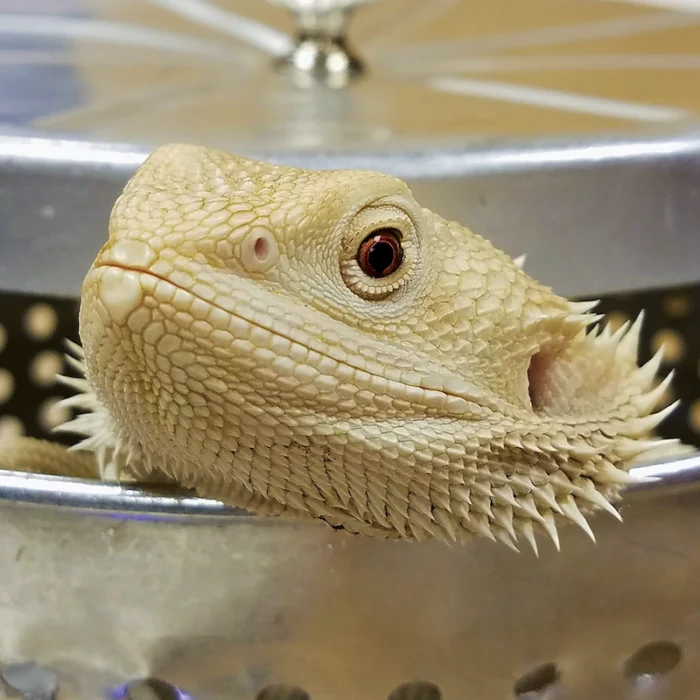
The veterinary community has reached a significant milestone in the advancement of specialized care with the release of the comprehensive webinar titled Palliative and Pain Management Strategies for Exotic Animals. Presented by Jade Kingsley, BA/BSc, BVSc, PgDip, MANZCVS (Avian Health), this educational initiative addresses a critical gap in the clinical treatment of non-traditional pets, including birds, reptiles, and small mammals. Formally approved by the American Association of Veterinary State Boards (AAVSB) Registry of Approved Continuing Education (RACE) program, the session provides one hour of continuing education credit for both veterinarians and veterinary technicians. As exotic pet ownership continues to rise globally, the necessity for standardized, evidence-based protocols in end-of-life care and chronic pain management has become a priority for practitioners seeking to maintain high welfare standards.
The Evolution of Exotic Animal Palliative Care
Historically, exotic animal medicine was often limited by a lack of species-specific pharmacological data and a prevailing cultural perception of these animals as "disposable" or "low-value" pets. However, the last decade has seen a dramatic shift in owner demographics and expectations. According to industry data, the bond between owners and their exotic pets—ranging from parrots and bearded dragons to rabbits and guinea pigs—has deepened, leading to an increased demand for advanced medical interventions that mirror those available for canines and felines.
Palliative care, often referred to as hospice care in a veterinary context, focuses on the quality of life rather than the curative treatment of a terminal illness or the inevitable decline associated with geriatrics. The webinar led by Dr. Kingsley explores the multifaceted nature of this care, emphasizing that "quality of life" is a subjective metric that must be negotiated between the clinician and the pet owner. By providing a structured framework for these difficult conversations, the program aims to reduce the emotional burden on both the veterinary staff and the families involved.
Addressing the Biological Challenges of Prey Species
A central theme of the Palliative and Pain Management Strategies for Exotic Animals webinar is the biological imperative of "prey species" to mask clinical signs of illness and pain. In the wild, displaying vulnerability is a direct threat to survival, as it attracts predators and can lead to social exclusion from a group. This evolutionary trait remains present in domesticated exotic animals, making the detection of chronic pain exceptionally difficult for even the most observant owners.
Dr. Kingsley highlights the "masking phenomenon" as a primary obstacle in geriatric exotic care. Often, by the time an exotic pet shows visible signs of distress—such as lethargy, anorexia, or ruffled feathers—the underlying condition is frequently advanced. The webinar provides practitioners with diagnostic tools and behavioral markers to identify subtle indicators of discomfort. These include changes in social interaction, alterations in grooming habits, and microscopic shifts in posture or facial expressions, often referred to in clinical settings as "grimace scales."
Pharmacological and Integrative Pain Management
The enrichment of the veterinary curriculum through this webinar includes a deep dive into modern analgesic protocols. Managing pain in exotic species requires a nuanced understanding of metabolic rates and anatomical differences. For instance, the renal portal system in reptiles significantly affects how certain medications are processed, while the high metabolic rate of passerine birds necessitates more frequent dosing intervals compared to mammals.
The program outlines a multimodal approach to analgesia, combining traditional pharmaceuticals such as non-steroidal anti-inflammatory drugs (NSAIDs) and opioids with adjunctive therapies. The discussion extends to:
- Environmental Modification: Adjusting enclosure layouts to accommodate animals with limited mobility, such as lowering perches for senior birds or providing specialized bedding for arthritic rabbits.
- Nutritional Support: The role of assisted feeding and specialized diets in maintaining strength during chronic illness.
- Laser Therapy and Acupuncture: The increasing evidence for the efficacy of non-invasive modalities in managing musculoskeletal pain in exotic species.
- Ethics and Communication: Navigating the "gray zone" of palliative care, where the line between maintaining comfort and prolonging suffering becomes blurred.
Professional Accreditation and Educational Timeline
The accreditation of this webinar by the AAVSB RACE program underscores its clinical relevance and academic rigor. To earn the one-hour CE credit, participants must complete a post-test designed to verify the retention of key concepts. The AAVSB allows three attempts to pass the assessment, ensuring that the information is thoroughly understood before a certificate is issued.
The timeline for this educational release follows a period of intensive research and peer review. As of February 24, 2026, the webinar is available through the LafeberVet platform, a leading resource for exotic animal veterinary professionals. The inclusion of French and Spanish translations of the introductory materials reflects the global nature of the veterinary community and the universal need for specialized exotic animal knowledge.
Industry Reactions and Expert Perspectives
While official statements from veterinary associations often emphasize the importance of lifelong learning, the reaction from the field suggests that this specific focus on palliative care is timely. Veterinary technicians, who often serve as the primary point of contact for grieving owners, have expressed a particular need for the communication strategies outlined in the webinar.
"Managing the end-of-life journey for an exotic pet is uniquely challenging because there is often less public understanding of the grief involved," notes a hypothetical summary of industry feedback. "By focusing on ethics and communication alongside clinical pain management, this program treats the patient and the client as a single unit of care."
Dr. Jade Kingsley’s background in avian health and her various certifications (BA/BSc, BVSc, PgDip, MANZCVS) provide a foundation of authority for the program. Her expertise ensures that the strategies discussed are not merely theoretical but are grounded in the realities of daily clinical practice.
Broader Implications for Veterinary Medicine
The release of Palliative and Pain Management Strategies for Exotic Animals has broader implications for the veterinary industry at large. It signals a move toward "specialization within the specialty," where exotic medicine is no longer treated as a monolithic field but as a diverse collection of disciplines requiring specific geriatric and palliative protocols.
Furthermore, the emphasis on ethics and pain management addresses the growing concern regarding "compassion fatigue" among veterinary professionals. Providing clinicians with the tools to successfully manage difficult cases and facilitate peaceful end-of-life transitions can significantly improve job satisfaction and mental health within the profession. When a veterinarian feels empowered to alleviate a patient’s suffering effectively, the sense of helplessness that often leads to burnout is diminished.
Data-Driven Trends in Exotic Pet Geriatrics
Market analysis suggests that the "senior" demographic of exotic pets is larger than ever before. Improvements in husbandry, nutrition, and early-stage veterinary intervention have allowed animals that once had short lifespans in captivity to live well into their senior years. For example, indoor rabbits are now frequently living 10 to 12 years, while certain parrot species are reaching their 50s and 60s in domestic settings.
This longevity brings a host of age-related conditions, including osteoarthritis, neoplasia, and organ failure, which were rarely seen in these species twenty years ago. The data indicates that veterinary clinics seeing a high volume of exotic patients must now dedicate a significant portion of their resources to chronic disease management. The LafeberVet webinar serves as a vital response to this shift, providing the necessary education to meet this growing clinical demand.
Conclusion and Future Outlook
As the veterinary field continues to evolve, the integration of palliative care into the standard of practice for exotic animals represents a major step forward in animal welfare. The Palliative and Pain Management Strategies for Exotic Animals webinar provides a comprehensive, RACE-approved roadmap for practitioners to navigate the complexities of chronic pain and end-of-life care.
By focusing on the unique physiological needs of prey species and the emotional needs of their owners, the program bridges the gap between clinical excellence and compassionate care. As more professionals engage with this continuing education, the standard of care for the world’s most unique and delicate pets is poised to reach new heights of efficacy and empathy. Moving forward, it is expected that such specialized training will become a staple of veterinary curricula, ensuring that every animal, regardless of species, receives a dignified and pain-free life.

