


One of the most surprising discoveries for nascent birdwatchers is the sheer frequency with which common birds are misnamed. This phenomenon extends beyond novices; even individuals with years of casual bird observation often attach incorrect labels to familiar species. This isn’t typically a sign of inattentiveness, but rather a testament to the subtle similarities many birds share, especially when observed fleetingly, at a distance, or under suboptimal lighting conditions. The majority of identification challenges arise from birds that exhibit comparable size, coloration, or behavioral patterns. Understanding these common points of confusion can significantly demystify the process of accurate bird identification.

The United States is home to a rich tapestry of avian life, and with this diversity comes the inherent challenge of distinguishing between similar species. This article delves into some of the most frequently confused birds across the nation, exploring the reasons behind these common mix-ups and providing insights to help observers refine their identification skills.
The "Blackbird" Enigma: More Than Meets the Eye
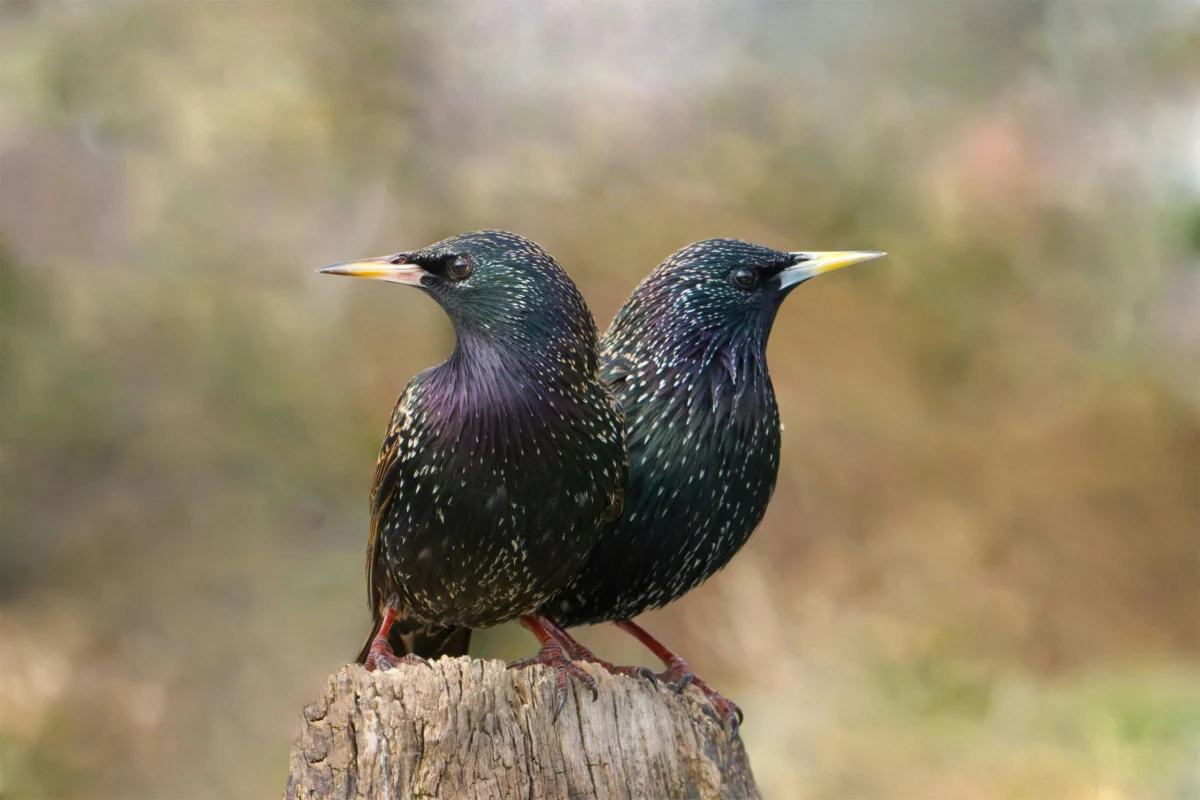
A pervasive misconception in casual bird identification involves the term "blackbird." Many observers employ this descriptor for any medium-sized, dark-plumaged bird they encounter. However, the reality is that this broad categorization often encompasses several distinct species, most notably European Starlings, Common Grackles, and American Crows. European Starlings, in particular, are a frequent source of confusion due to their widespread distribution across the U.S. and their generally dark appearance from afar, which can easily be mistaken for other dark-colored birds.

The key to differentiating these species lies in observing their size, behavior, and vocalizations. European Starlings are relatively small and often seen foraging in active, social flocks. Common Grackles, on the other hand, are larger with a more commanding presence and iridescent plumage that catches the light. American Crows, the largest of the trio, are typically observed flying overhead or heard issuing their distinctive, loud "caw-caw" calls. A seasoned birder can readily distinguish between them based on these cues, transforming a generalized "blackbird" sighting into a specific identification.
Woodpecker Duels: Downy vs. Hairy
The Downy Woodpecker and the Hairy Woodpecker present a classic case of visual mimicry in the avian world, appearing remarkably alike at first glance. This similarity often leads to their misidentification, particularly for those less familiar with the nuances of woodpecker species.
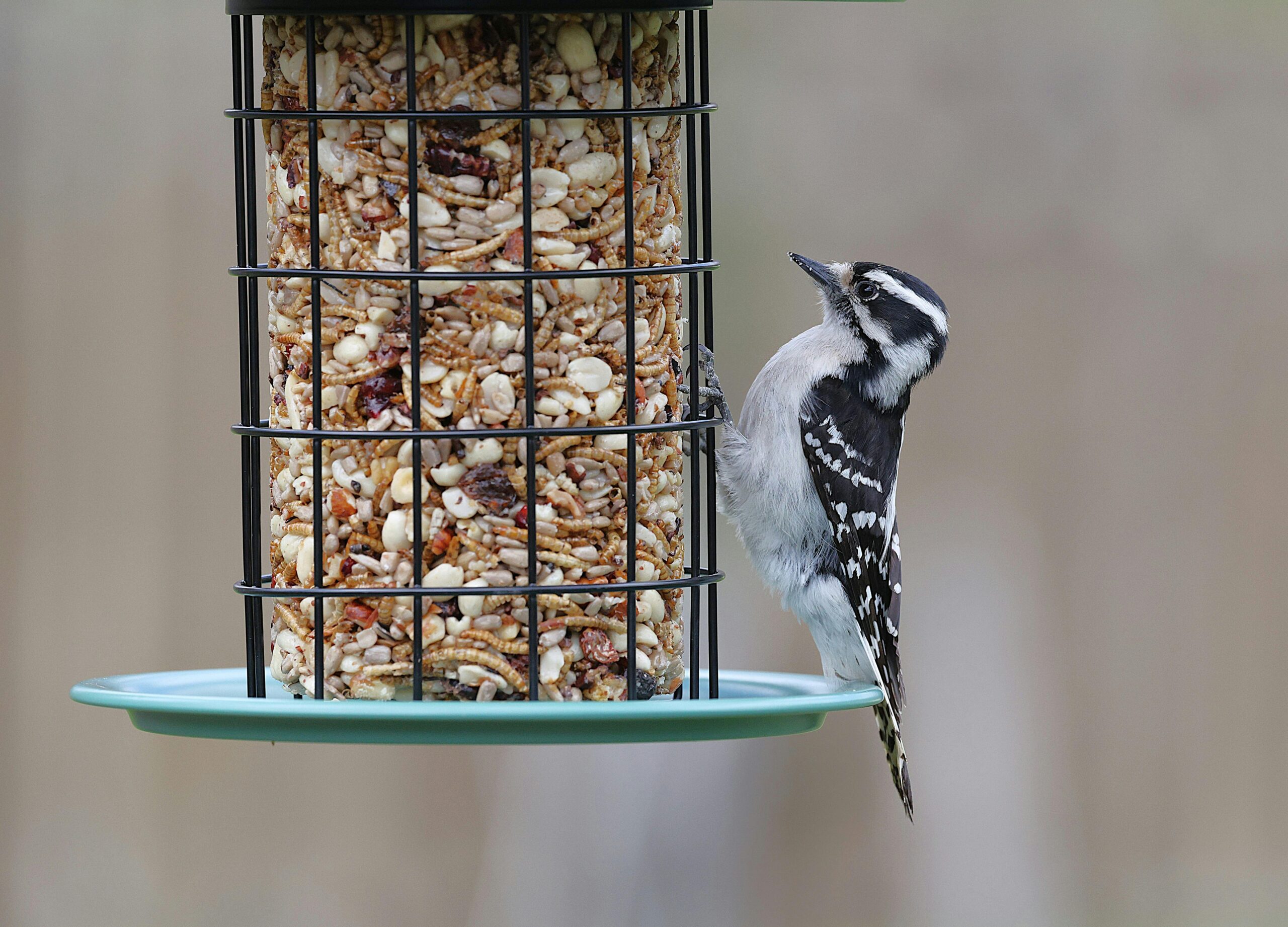
The Downy Woodpecker, the smaller of the two, is a more frequent visitor to suburban backyards and is often seen on smaller trees and shrubs. Its diminutive size and tendency to flit about can make it seem less substantial. In contrast, the Hairy Woodpecker is noticeably larger, possessing a more robust build. The challenge in distinguishing them is exacerbated by the fact that they are rarely observed side-by-side, making it difficult to gauge the subtle size difference. However, with careful observation, attentive birders can note that the Hairy Woodpecker’s bill appears proportionally larger and stouter than the Downy’s more delicate beak. Furthermore, the Downy Woodpecker often exhibits a series of rapid, high-pitched calls, while the Hairy Woodpecker tends to produce a sharper, more piercing call.
Aerial Antagonists: American Crow vs. Common Raven
Large, black birds soaring through the sky often elicit the immediate label of "crow," but in many parts of the United States, the Common Raven shares the airspace and frequently contributes to this misidentification. Both species are imposing black birds, but several key distinctions can aid in their identification.

Common Ravens are significantly larger than American Crows, often appearing almost eagle-like in size. Their bills are noticeably thicker and heavier, and their tail feathers are wedge-shaped in flight, contrasting with the crow’s more fan-shaped tail. Behaviorally, ravens are more prone to soaring and gliding on air currents, whereas crows tend to maintain a more direct, steady flapping flight. Their vocalizations also differ considerably. Crows are known for their iconic "caw," while ravens produce a deeper, more resonant croak, often described as a "gronk." While visual identification can be challenging from a distance, listening for these distinct calls can be a reliable method for differentiation.
Lawn Lurkers: American Robin vs. Northern Mockingbird
The American Robin and the Northern Mockingbird, both common inhabitants of lawns, fences, and open perches, can present a visual puzzle for novice birdwatchers. Their medium size and upright posture, coupled with their tendency to forage in similar environments, can lead to initial confusion. From a distance, their general silhouettes and movements can appear remarkably alike.

The critical differentiator often lies in their behavior and vocal repertoire. Robins are famously known for their methodical hopping across lawns as they hunt for earthworms and insects. Their song, while melodious, is typically more consistent and less varied than that of the mockingbird. Northern Mockingbirds, conversely, are renowned for their extraordinary vocal abilities, mimicking a vast array of sounds, including other birds, insects, and even mechanical noises. They are also more likely to perch prominently and deliver their complex songs from elevated positions. The persistent, often elaborate singing of the mockingbird is a strong behavioral cue that helps to distinguish it from the more rhythmically foraging robin.
Feeder Favorites: House Sparrow vs. House Finch
The ubiquitous presence of both House Sparrows and House Finches in backyards and at bird feeders creates a common point of confusion for many observers. These small, often seed-eating birds frequent the same habitats, leading to frequent misidentification.

The House Sparrow, an introduced species, tends to be a more robust bird with plainer, streaky brown and gray plumage. Males exhibit a distinctive black bib. The House Finch, native to the western United States but now established across much of the country, presents a more slender build. Adult males are characterized by their rosy-red or salmon-colored markings on the head, breast, and rump, contrasting sharply with the duller brown of the females and young birds. While both species are often seen together, recognizing the male finch’s vibrant coloration or the sparrow’s chunkier form and streaky pattern can quickly resolve the identification. A dedicated guide by renowned ornithologist David Sibley offers in-depth insights into differentiating these two prevalent species, highlighting their subtle yet important distinctions.
Urban Dwellers: Mourning Dove vs. Rock Pigeon
The Mourning Dove and the Rock Pigeon (often simply called a pigeon) are two of the most familiar birds found in urban and suburban environments across the United States. Their shared presence in populated areas, often seen foraging on the ground or perched on structures, leads many to assume they are variations of the same bird.

However, significant differences exist. Mourning Doves are characterized by their slender bodies and notably long, pointed tails, which are quite distinctive in flight. Their movements are generally more delicate and their demeanor more subdued. Rock Pigeons, on the other hand, are bulkier and more social, frequently gathering in flocks around buildings and on sidewalks. Their tails are shorter and more rounded. The dove’s gentle flight and graceful demeanor stand in contrast to the pigeon’s often more robust and social interactions.
Tiny Trekkers: Chickadee vs. Titmouse
Small, active, gray birds that frequent feeders and woodlands can often be grouped together in the minds of observers, leading to confusion between Chickadees and Titmice. Both species are known for their energetic foraging and inquisitive nature.

The key to distinguishing them lies in their facial patterns and head shape. Chickadees are typically smaller and possess a distinctly patterned face with a black cap and bib, contrasting sharply with their white cheeks. Tufted Titmice, while similar in overall gray coloration, are larger and sport a prominent crest atop their heads. They lack the distinct black and white facial markings of the chickadee. While both species are often seen flitting through trees and visiting feeders, focusing on the presence or absence of a crest and the specific facial coloration will quickly differentiate them.
Azure Avifauna: Blue Jay and Its Western Counterparts
The vibrant Blue Jay, a familiar sight in the eastern and central United States, is often assumed to be the sole representative of its kind. However, in western regions, other striking blue-colored corvids share similar ecological niches and can cause identification confusion.

In the eastern and central U.S., a bold, noisy blue bird with a prominent crest, white markings, and black barring on its wings and tail is almost invariably a Blue Jay. Its distinctive call is also a reliable identifier. As one travels westward, species like the Steller’s Jay and the California Scrub-Jay present different but equally striking blue plumage. Steller’s Jays, for instance, are typically darker, often with a dark blue or blackish head and upper body that contrasts with their bright blue lower parts. California Scrub-Jays are a more uniform gray-blue with a noticeable white throat. While all share a common avian family and a striking blue hue, their specific patterns, crests (or lack thereof), and geographical distribution are critical for accurate identification.
The Psychology of Misidentification: A Natural Part of the Learning Curve
It is crucial to understand that misidentifying birds is not an indicator of failure but rather an intrinsic part of the learning process. Birdwatching is a discipline built upon repeated observation and the gradual refinement of sensory perception. The more frequently an individual observes a particular species, the more adept they become at recognizing subtle variations in its shape, movement, and behavior.

Even seasoned ornithologists and dedicated birders occasionally misidentify birds, particularly when faced with challenging conditions such as poor lighting, significant distances, or fleeting glimpses. The natural world is replete with subtle variations, and the avian kingdom, with its vast diversity, presents a continuous learning opportunity.
A Reassuring Perspective for Aspiring Observers
For those who have ever identified a bird incorrectly and later realized their mistake, this experience is a hallmark of an engaged observer. The journey of learning bird identification is not about achieving immediate perfection but about cultivating attentiveness, discerning patterns, and progressively familiarizing oneself with the avian inhabitants of one’s environment. The very act of questioning one’s initial identification signifies a developing acuity and a commitment to understanding the natural world more deeply. This process of observation, comparison, and correction is precisely what transforms a casual observer into a knowledgeable birder. The ongoing quest to correctly identify the birds around us is, in essence, a testament to our growing connection with nature.

