


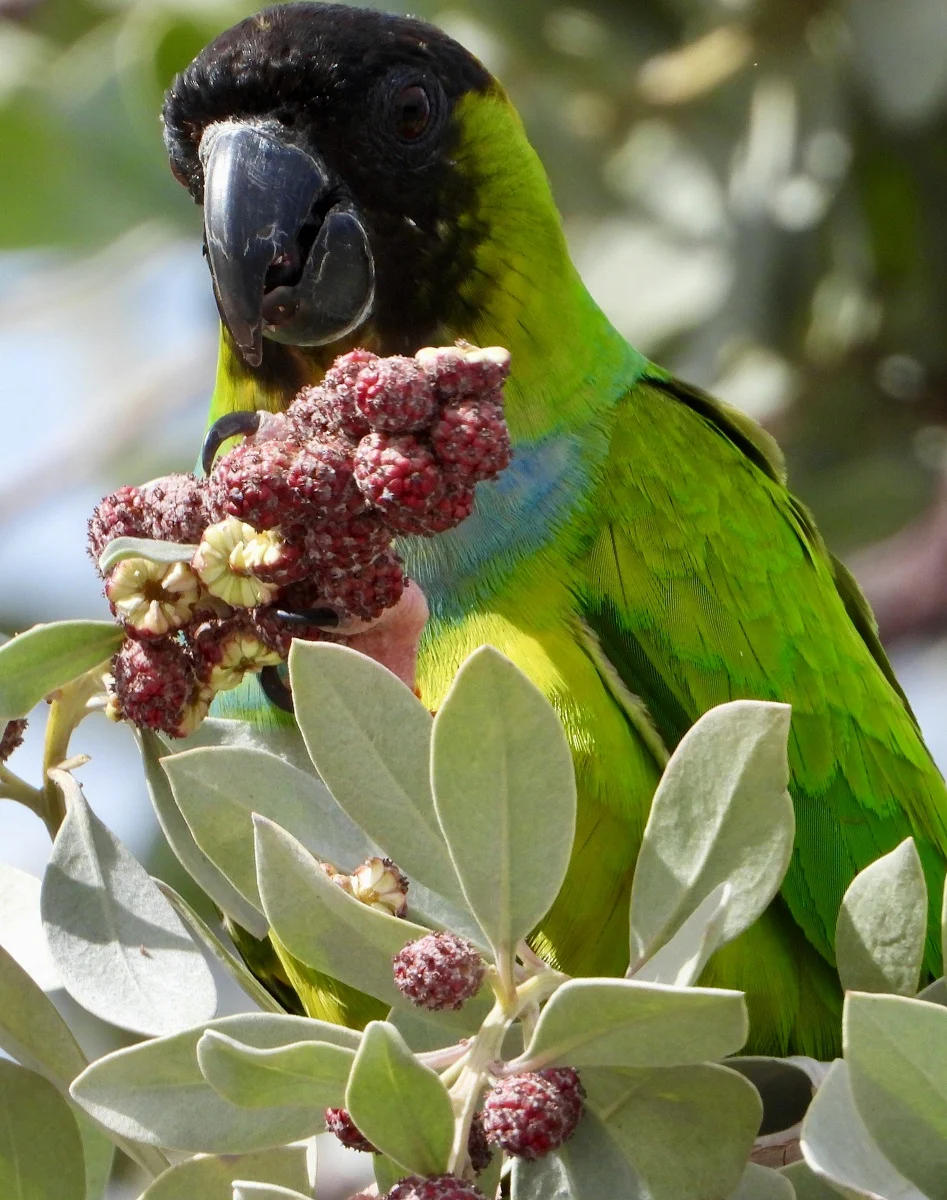
The Nanday Conure, also widely known as the Black-Hooded Conure, represents a captivating species of South American parrot often sought after for its vibrant personality and striking appearance. While these friendly and playful birds can forge deep bonds with their human companions, potential owners must possess a remarkably high tolerance for noise, as their vocalizations are among the loudest in the avian world. This comprehensive overview delves into the essential aspects of the Nanday Conure, from its scientific classification and natural habitat to its dietary needs, housing requirements, complex temperament, and significant implications as a pet and, in some regions, an invasive species.
Scientific Classification and Historical Context
The Nanday Conure holds the scientific name Aratinga nenday, though it was historically classified under its own genus as Nandayus nenday. This taxonomic shift reflects evolving scientific understanding based on genetic research. A pivotal study published in 2004 by Ribas and Miyaki, utilizing molecular phylogenetic analysis, concluded that the Nanday Conure did not warrant a separate genus. Instead, its genetic markers placed it firmly within the Aratinga genus, alongside closely related and popular species such as the Sun Conure (Aratinga solstitialis) and the Jenday Conure (Aratinga jandaya). This reclassification highlights the ongoing efforts in ornithology to accurately map avian evolutionary relationships, which are crucial for conservation efforts and understanding species biology. The common name "Nanday" itself is derived from the Guaraní word for the species, signifying its indigenous roots in South America.
Physical Characteristics and Distinguishing Features
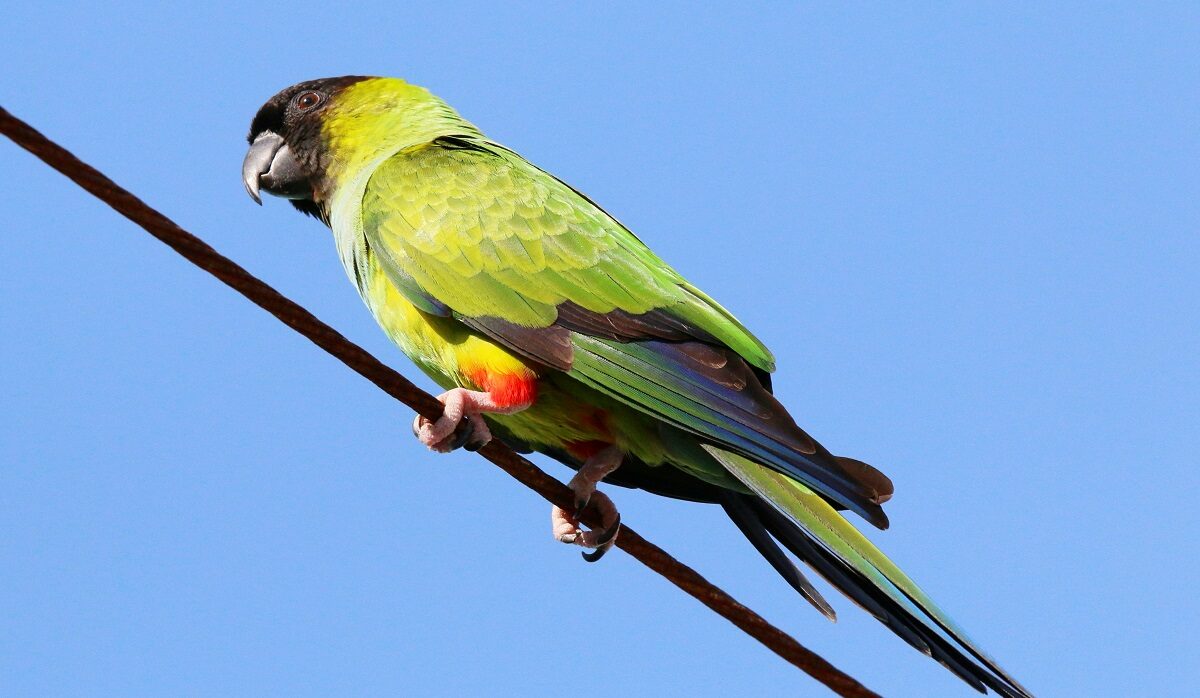
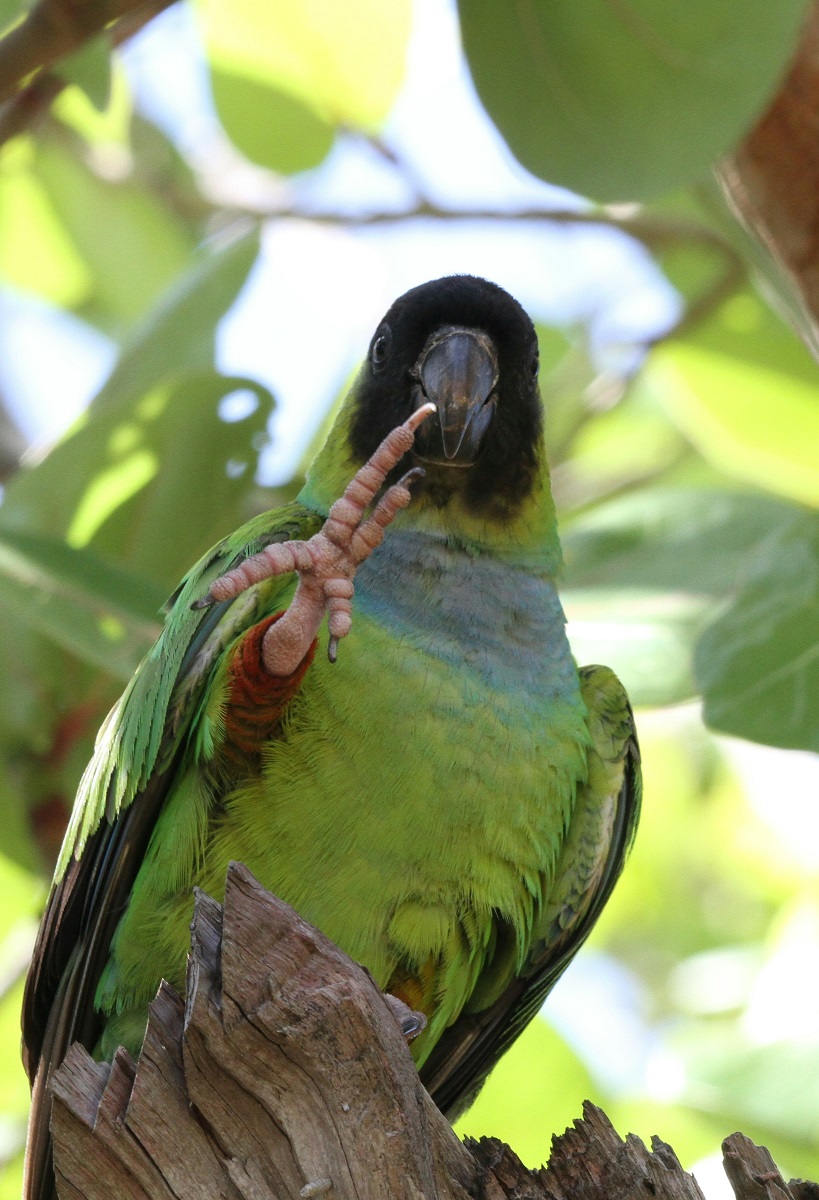
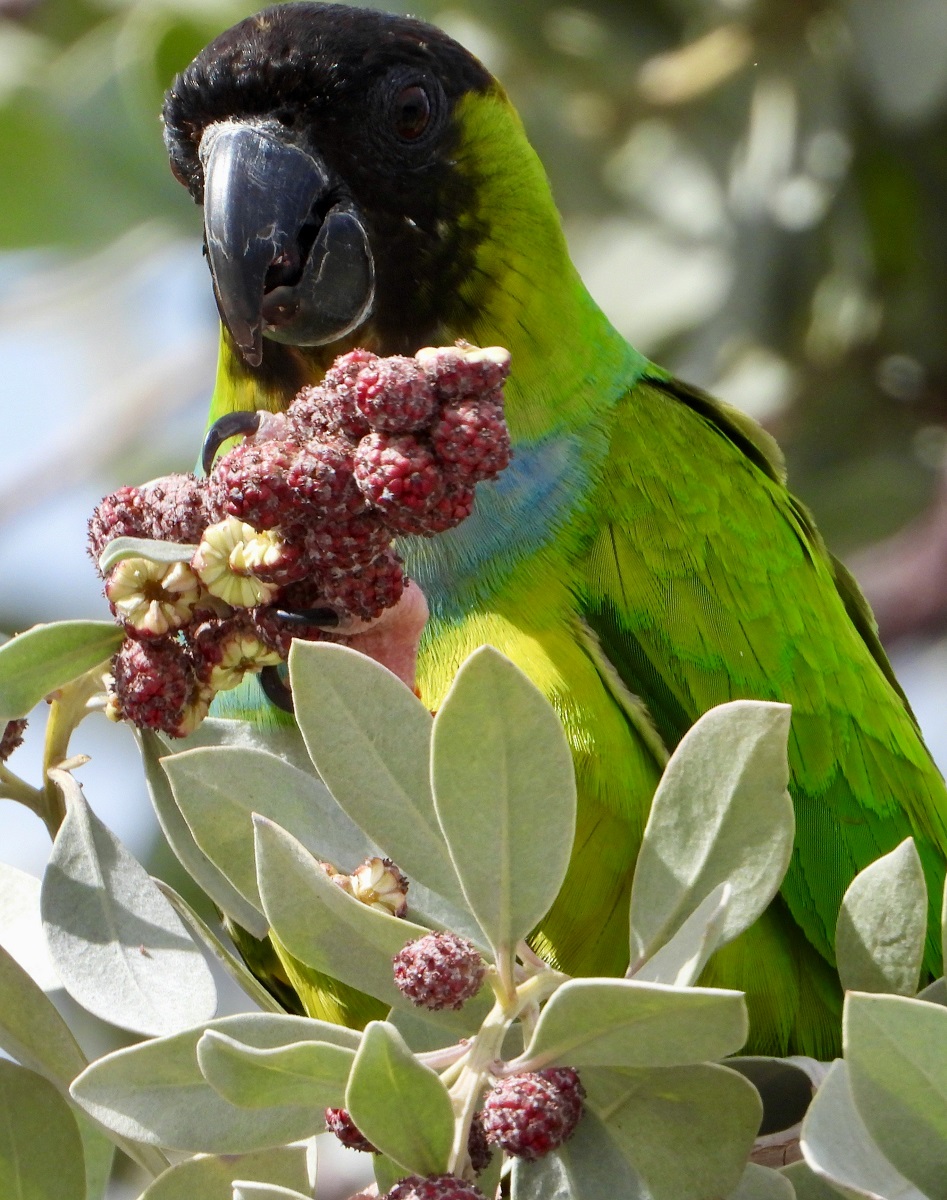
The Nanday Conure is instantly recognizable by its eponymous "black hood," which starkly contrasts with its predominantly bright green body. This distinctive black coloration extends over the head, face, and beak, bordered by a subtle band of brown feathers around the neck. The species is considered small to medium-sized within the parrot family, typically reaching lengths of up to 12 inches (30 cm) and weighing around 140 grams as adults. Beyond its prominent black hood, other notable features include a robust black beak, distinct white eye rings that enhance its gaze, a chest adorned with blue-green feathers, and strikingly bright red thighs. These vibrant hues and unique markings contribute to its eye-catching appeal, both in the wild and in captivity.
Natural Habitat, Range, and Conservation Status
Indigenous to central South America, the Nanday Conure’s natural range spans a narrow band through the heart of Paraguay, extending into southern Brazil, eastern Bolivia, and northern Argentina. This geographical distribution situates it within diverse lowland ecosystems, typically found at elevations up to approximately 2,600 feet (800 meters). The species thrives in open lowlands characterized by scattered palm trees, which it frequently utilizes for nesting and roosting. These habitats can vary from swampy wetlands to drier savannas, showcasing the conure’s adaptability to different environmental conditions.
Remarkably, the International Union for Conservation of Nature (IUCN) Red List currently classifies Aratinga nenday as a species of "Least Concern." This favorable status is largely attributed to its ability to adapt to human-modified landscapes. The wild population, in fact, appears to be increasing in many areas, primarily due to habitat changes resulting from human activities such as the conversion of former forests into cattle pastures. While deforestation generally poses a threat to many species, the creation of more open, savanna-like environments with remnant trees and palms has paradoxically provided expanded suitable habitat for the Nanday Conure, allowing its numbers to grow.
Ecological Role and Wild Diet
In its native environment, the Nanday Conure exhibits a diverse diet crucial for its survival and ecological role. Its primary food sources include wild fruits, notably those from the Copernicia palm species, alongside a variety of seeds, berries, flowers, and flower buds. This varied consumption pattern highlights its opportunistic feeding habits.
Beyond its role as a consumer, the Nanday Conure is also recognized as an important pollinator. A 2002 study by Ragusa-Netto documented its interaction with the beautiful flowering Erythrina dominguezii tree. The conure feeds on the nectar from these flowers, inadvertently transferring pollen as it moves from bloom to bloom, thereby facilitating the plant’s reproduction.
Furthermore, like many other South American parrot species, Nanday Conures are known to visit natural clay licks, where they consume soil. This behavior is believed to serve several vital functions: aiding in the digestion of plant toxins present in their diet and providing essential micronutrients and minerals that may be scarce in their regular food sources.
The Nanday Conure as a Pet: Key Considerations
Bringing a Nanday Conure into a domestic setting requires significant commitment and an understanding of its specific needs. These intelligent and social birds thrive in an environment that mimics their natural behaviors and provides ample mental and physical stimulation.
Captive Diet Recommendations
For Nanday Conures in captivity, a foundational diet of high-quality, veterinarian-recommended pelleted food is paramount. This contrasts sharply with traditional seed-based diets, which leading avian veterinarians, including experts like Dr. Daisy from Psittacology, now widely agree can lead to malnutrition and obesity. Pellets offer a balanced nutritional profile, addressing the common deficiencies found in seed mixes that are often high in fat and lacking in essential vitamins and minerals.
To supplement the pelleted base, a rich variety of fresh fruits and vegetables should be offered daily. Parrot-safe options include leafy greens, bell peppers, broccoli, apples, grapes, berries, and carrots, providing vital vitamins, minerals, and antioxidants. These fresh foods should constitute a significant portion of the bird’s daily intake. Occasional treats can include small amounts of sprouted seeds, cooked whole grains such as brown rice or pasta, and even lean protein sources like small pieces of boiled egg. A well-rounded diet is the cornerstone of a parrot’s health and longevity, making informed dietary choices critical for responsible ownership.
Housing Requirements
Providing adequate housing is crucial for the physical and psychological well-being of a Nanday Conure. While a full-sized aviary with a length of around 10 feet (3 meters) is ideal, particularly for owners who cannot offer extensive daily out-of-cage time, a spacious indoor cage is the minimum requirement. This cage should be at least 30 x 24 x 24 inches (75 x 60 x 60 cm), though larger dimensions are always preferable. Critically, the cage must be long enough to allow the bird to fully stretch its wings without touching the sides, as length is often more important than height for species that fly horizontally.
The cage interior should be outfitted with a variety of natural wood perches of differing diameters to promote foot health and prevent pressure sores. Multiple platforms also provide resting spots and opportunities for climbing. To combat boredom and stimulate natural behaviors, a diverse array of conure-safe toys is essential. These can include shreddable toys, foraging devices, puzzle toys, and swings, which should be rotated regularly to maintain novelty. At least two food bowls and a constant supply of clean, fresh water are also indispensable.
Owners must also be acutely aware of household dangers. Parrots possess highly sensitive respiratory systems, making them vulnerable to airborne toxins. It is imperative to avoid smoking, using aerosol sprays, burning scented candles, and cooking with nonstick cookware containing PTFE (polytetrafluoroethylene) in the vicinity of birds, as the fumes can be lethal. Proper ventilation and a "bird-safe" environment are non-negotiable aspects of care.
Enrichment and Social Needs
The Nanday Conure’s high intelligence necessitates a robust enrichment program to prevent boredom, which can manifest as destructive behaviors, aggression, feather plucking, self-mutilation, or even depression. Mental stimulation is as important as physical health.
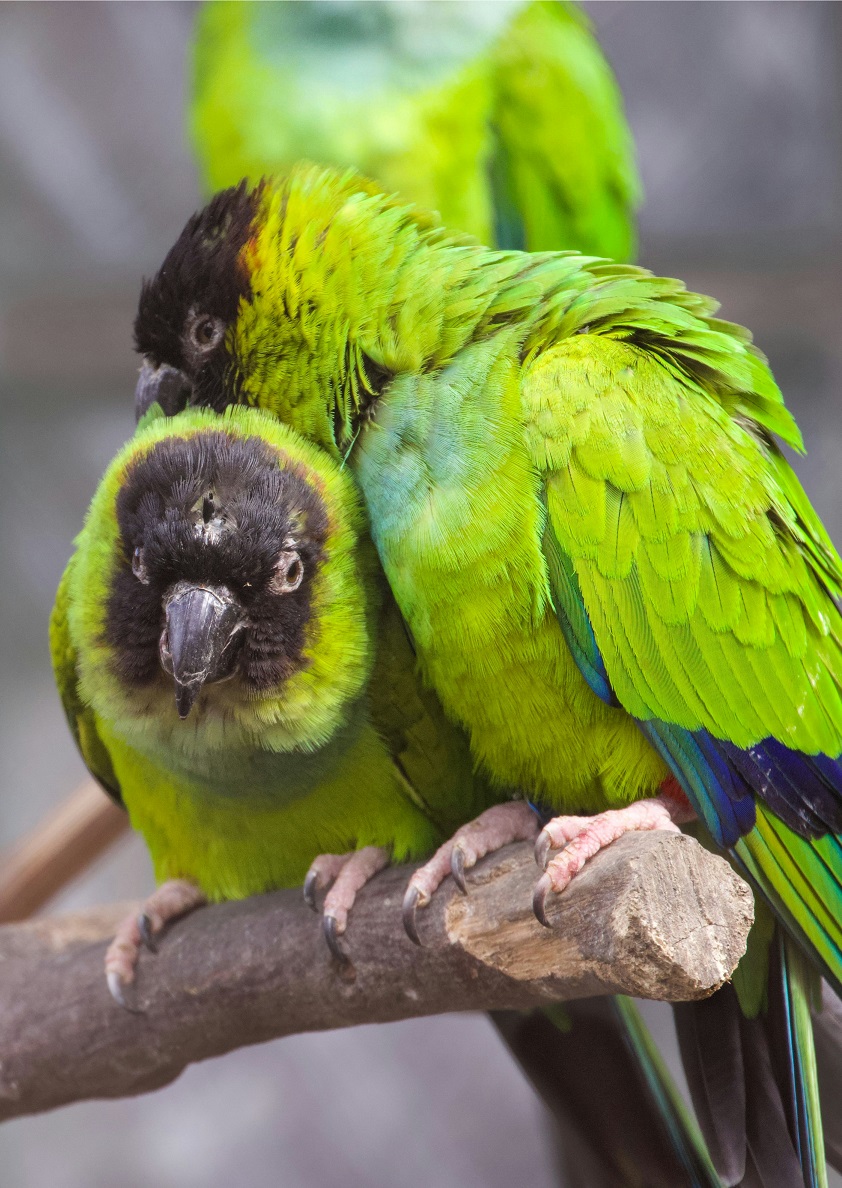
Fundamentally, Nanday Conures are intensely social creatures. In the wild, they live in flocks, and this innate need for companionship translates into a strong requirement for attention and interaction in captivity. A lack of social engagement can lead to severe stress and behavioral problems. For individuals who work regular 9-to-5 jobs, leaving a Nanday Conure alone for eight hours a day is not advisable, as it can foster separation anxiety and destructive habits. In such cases, acquiring a second Nanday Conure can provide crucial companionship, though owners must still dedicate ample time to interacting with both birds to maintain their bond.
Beyond direct human interaction, enrichment activities should include:
- Foraging opportunities: Hiding food in toys or various locations around the cage encourages natural foraging behaviors.
- Training sessions: Teaching simple tricks or commands provides mental stimulation and strengthens the bond between bird and owner.
- Chew toys: Providing a constant supply of safe, destructible toys satisfies their natural urge to chew.
- Out-of-cage time: Supervised time outside the cage for exploration and exercise is vital.
- Bathing opportunities: Many conures enjoy regular baths, whether through misting, a shallow water dish, or even a shower perch.
Responsible ownership also extends to being prepared for emergencies. Parrots are curious and can be accident-prone, making it essential for owners to know basic parrot emergency care procedures.
Temperament and Behavior
Aratinga conures, including the Nanday, are generally prized for their friendly and outgoing dispositions. Unlike some other conure genera, such as Pyrrhura (e.g., Green-Cheeked Conures), well-socialized Nandays are less prone to nipping. While individual personalities vary, most Nanday Conures are accepting of new people and tend to integrate well with an entire family, rather than bonding exclusively with one person.
Their highly social nature means they thrive on interaction and can be quite affectionate. However, this sociability can also translate into neediness. A Nanday Conure might scream when its owner leaves the room, or exhibit jealousy towards "competitors" for attention, such as other pets or family members. An ideal day for a Nanday Conure would likely involve a combination of playing with noise-making toys, engaging in "talking" training with its human family, receiving plenty of head scratches, and perhaps a comfortable nap on its owner’s shoulder.
The Decibel Dilemma: Understanding Nanday Conure Vocalizations
The single most critical factor for potential Nanday Conure owners to consider is their extraordinary vocal capacity. These birds are incredibly, unequivocally LOUD. Conures of the Aratinga genus are renowned for being among the noisiest parrots, and Nandays are no exception.
As Robin Deutsch starkly outlined in her 2009 book Good Parrotkeeping, while a Macaw might scream at 105 decibels and a Moluccan Cockatoo at 135 decibels, the relatively small Nanday Conure has been recorded reaching levels as high as 155 decibels. To put this in perspective, 155 decibels is equivalent to the sound of a jet engine at takeoff or a shotgun blast. Such extreme noise levels are not merely inconvenient; they can cause permanent damage to human eardrums.
It is absolutely imperative for anyone considering a Nanday Conure to genuinely assess their tolerance for noise and their living situation. These birds are generally not suitable for apartment dwellers or those with close neighbors, as their piercing flock calls can easily lead to conflicts. Prospective owners are strongly advised to listen to recordings of Nanday Conure vocalizations (resources like xeno-canto offer excellent examples) and, if possible, visit someone who owns one to experience the sound firsthand before committing.
Parrots typically exhibit their highest noise levels around dawn and dusk, mirroring their natural flock calling times in the wild. They also become more vocal when excited, seeking attention, or sensing perceived threats. Beyond their characteristic piercing screams and squawks, Nandays also engage in whistling, chirping, and may even imitate common household noises, adding to the auditory landscape they create.
Speech Mimicry Potential
While Nanday Conures are not renowned for their extensive vocabulary like African Grey Parrots, many individuals do possess the ability to mimic sounds and pick up a fair amount of what they hear. Owners should not expect complete sentences, but rather discernable "baby babble" or recognizable short words and phrases, particularly during playful moments. Encouraging speech by repeating simple tunes or short words, such as the bird’s name, can yield surprising results, though not all Nandays will develop an interest in imitating human speech.
The Invasive Species Phenomenon
Beyond their role as cherished pets, Nanday Conures have also become a significant concern as an invasive species in various parts of the world. This phenomenon occurs when released or escaped pet birds manage to survive, establish breeding populations, and thrive in non-native environments. In countries such as Spain, several regions in California and Florida in the United States, and elsewhere, established flocks of Nanday Conures are now a common sight. A 2019 study by Uehling, Tallant, and Pruett-Jones identified the Nanday Conure as one of the top three most successful naturalized parrot species in the United States.
The implications of these invasive populations are far-reaching and often detrimental to local ecosystems. Nanday Conures can compete with native bird species for vital resources such as food and nesting sites, potentially displacing them. They can also transmit diseases to native wildlife and, in some cases, cause agricultural damage to crops. This situation underscores the critical responsibility of pet owners to prevent their birds from escaping, highlighting the broader ecological consequences of irresponsible pet ownership.
Responsible Ownership and Conclusion
The Nanday Conure is an extraordinary parrot, offering a unique blend of intelligence, affection, and vibrant personality. Its striking black hood, playful demeanor, and potential for deep companionship make it an attractive pet for many. However, prospective owners must approach this decision with a clear understanding of the substantial commitment required. The species’ exceptional longevity, reaching up to 30 years with proper care, means a lifelong dedication.
The most paramount consideration remains its unparalleled vocalization. The sheer volume and frequency of a Nanday Conure’s calls demand a very specific living situation and a genuine, unwavering tolerance for noise. Beyond this, a healthy diet, spacious and enriched housing, consistent social interaction, and a bird-safe home environment are all non-negotiable aspects of providing a fulfilling life for these remarkable birds. For those prepared to embrace their boisterous nature and meet their complex needs, the Nanday Conure can indeed be a rewarding and loyal companion, enriching the lives of its dedicated human family for decades.

