


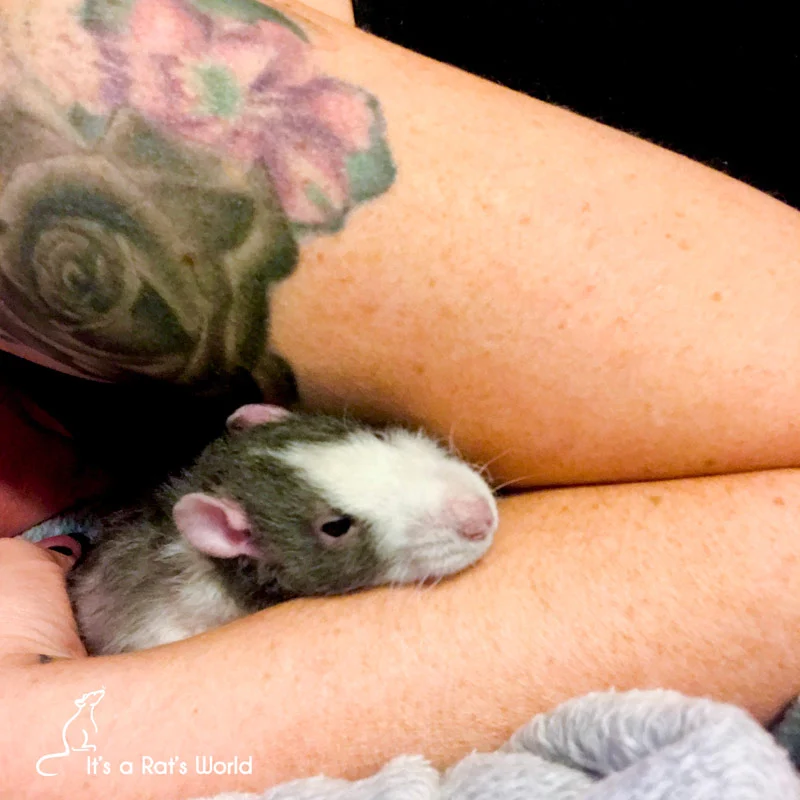
The absence of rats from a daily life can create a profound void, a sentiment deeply felt by many who have experienced the unique companionship these intelligent rodents offer. For Brandi Saxton, owner of "It’s A Rat’s World," this feeling is particularly acute, marking the first time in her life she hasn’t shared a deep, personal connection with an animal. While her household includes two dogs and a cat, the absence of rats leaves an irreplaceable gap, underscoring the distinct nature of the human-rat bond. This article delves into the complexities of forming these special relationships, exploring the challenges, the rewards, and the enduring impact of rat companionship.
The Unique Nature of Rat Companionship
Saxton’s narrative highlights a common experience among rat enthusiasts: the discovery that rats, for many, occupy a singular place in their hearts, surpassing even other beloved pets. While ferrets are mentioned as a close second, the author emphasizes that the connection with rats is of a different caliber. This connection is not built on grand gestures but on the accumulation of intimate, everyday moments. These cherished memories include shared quietude on the couch during movie nights, the tender affection of "rattie kisses," and the meticulous grooming sessions on a human’s hand. The author vividly recalls the enthusiastic greetings – rats rushing to the cage door, dancing with anticipation upon her arrival, and the playful displays of jealousy for attention, where one rat might nudge a sibling aside for the coveted head scratches. The simple act of rats stretching out in her lap or beside her while she worked underscores the deep sense of comfort and trust they found in her presence. These are not moments that require competition for affection; in these instances, the human is unequivocally their favorite.
Navigating the Early Stages: Trust Versus Bonding

For individuals new to rat ownership or considering bringing rats into their homes, the aspiration is often to achieve a similar level of profound closeness. However, the journey to such a bond is not always linear. Saxton addresses the common challenge of initial skittishness or aloofness in rats, which can leave owners feeling disconnected and wondering if a deep bond is even possible. The answer, she asserts, is a resounding yes, but it requires a recalibrated approach.
New owners may find themselves struggling to connect, particularly with rats that are timid or prone to startling. This behavior can inadvertently trigger a fear of being bitten in humans, a concern that often stems from a lack of understanding. Saxton clarifies that most rats simply need time to acclimate to their new environment. For those who have experienced trauma, the adjustment period can be significantly longer and demand greater patience and dedicated effort. Without the knowledge to effectively support these sensitive animals, they can become even more withdrawn and fearful, creating a barrier to connection. Saxton’s article, "Helping A Scared Pet Rat," serves as a vital resource, offering insights into how rats express fear, potential causes, and practical strategies for earning their trust.
It is crucial to differentiate between trust and bonding. While trust is a foundational prerequisite for a strong bond, it is not synonymous with it. For a rat, trust signifies the belief that a human poses no threat of harm. Bonding, conversely, involves a mutual desire for companionship and a deeper, reciprocal connection. A rat’s inherent personality and past experiences significantly influence this process. When a rat feels insecure or is operating in a state of self-preservation, their primary focus remains on safety, making it difficult for them to form affectionate attachments. Only when they begin to feel comfortable and at ease do they start to recognize the value and pleasure in spending time with their human companions.
Understanding the Spectrum of Rat Personalities
Rats, much like humans, exhibit a diverse range of personalities. Saxton categorizes these into broad archetypes, acknowledging that most fall somewhere in between.

-
Extroverted Rats: These are the most readily bonded-with individuals. They possess a natural adaptability to new environments and people, often displaying immediate trust even as youngsters. Saxton recalls having at least one extroverted rat in her groups who would demonstrate unwavering faith, demanding to be held and exploring her presence within moments of meeting. This level of trust often felt innate, preceding any need for earned validation.
-
Apprehensive Rats: At the opposite end of the spectrum are rats who are so fearful that they perceive humans, including their owner, as predators. Building a connection with these rats requires breaking through this initial barrier of fear. While complete freedom from a sense of danger may never be fully achieved, successfully guiding them to recognize and accept their owner as a caregiver represents a monumental achievement. The depth of the subsequent relationship is then contingent on the rat’s individual capacity and the owner’s sustained investment of time and effort.
-
The Majority: Most rats fall into a middle ground, exhibiting initial nervousness that typically dissipates with consistent daily interaction. The feeling of safety and security that develops through regular engagement is key to unlocking their more affectionate and interactive sides.
The Cornerstone of Companionship: Quality Time
The most critical element in cultivating a relationship with a rat is the consistent dedication of time. Being a constant, reassuring presence, engaging in gentle conversation, offering petting and holding, and participating in play are not optional but essential components of building a genuine connection. This consistent interaction is the only pathway to truly understanding a rat’s unique characteristics and preferences.

Integrating rats into the owner’s daily environment can be highly beneficial. Simply being within earshot and proximity allows rats to become accustomed to the owner’s voice and scent, seamlessly weaving the human into their daily routines.
Furthermore, allowing rats out of their cages for at least one to two hours daily is paramount. Beyond the necessity of physical exercise and exploration, this time is crucial for meaningful interaction with their human. Whether this takes place on a couch, a bed, or within a safely rat-proofed room, the focus should be on concentrated, affectionate engagement. Watching a movie together, reading a book, or listening to music provides a calm backdrop for cuddling and connection. During these sessions, owners can learn their rat’s preferred methods of being held and petted, discovering their favorite spots for gentle stroking.
Specialized tools like bonding pouches and small blankets can be particularly helpful for skittish rats. These items cater to a rat’s natural instinct to burrow, providing a sense of security while in the owner’s arms, thereby encouraging them to snuggle closer.
Even when rats are within their cages, regular, gentle vocalization is beneficial. This familiarizes them with the owner’s voice while allowing them to remain in their safe spaces. The absence of constant, jarring removal from their cage reduces apprehension associated with the owner’s approach. The physiological benefits of petting are also significant; the act itself can release endorphins in both humans and rats, promoting stress reduction and well-being. Gently stroking a rat’s back or head while speaking to them can initiate this positive cycle.
For owners facing persistent resistance or finding interaction challenging, Saxton advises consulting her article, "Honoring Your Rat’s Personal Space." This resource emphasizes that each rat possesses individual boundaries, and respecting these limits is fundamental to successful bonding efforts.

The Power of Positive Reinforcement: Food and Treats
Food serves as one of the most potent tools for building trust and fostering a bond with rats. Saxton humorously admits that the enthusiastic "happy dances" her rats performed upon her approach might have been as much about the anticipation of treats as about her presence. Regardless of the primary motivator, their sheer excitement was always a source of amusement and joy.
Making mealtimes a significant event helps rats quickly associate their owner with the provision of sustenance, thus earning their favor. Selecting a healthy, favored snack and consistently announcing its arrival with a specific phrase or word in a distinct tone can train rats to associate the owner with positive feelings. Saxton’s own memorable cue was "Treats, Treats, Treats!" delivered in an ascending pitch, a call that could rouse even the deepest sleepers from their slumber. The ensuing rush to the cage door, often characterized by playful jostling, was a testament to the power of this association. Even rats who were otherwise standoffish about being held would happily engage when treats were offered, signaling significant progress in bonding efforts.
Beyond Basic Interaction: Advanced Bonding Strategies
For those with the time and inclination, taking rat friendships to the next level can be immensely rewarding. Teaching rats tricks or creating mazes offers novel ways to engage with their intelligence and unique personalities. While Saxton notes limited personal experience in this area, she points to the abundance of online resources for inspiration.

Travel with rats can also significantly strengthen the bond. Saxton recounts how road trips consistently resulted in a deeper connection with her rats, often making them more cuddly, even the more nervous individuals. The experience of being outside their familiar environment seemed to reinforce their trust in her ability to navigate and ensure their safety.
Setting Expectations for a Unique Journey
The nature of the bond formed with each rat is inherently individual. Some connections develop with remarkable ease, while others may present considerable challenges. Regardless of a rat’s disposition, maintaining a thriving connection requires ongoing effort from the owner. It is important not to compare one’s own rat relationships to those depicted on social media, nor to become discouraged if a particular rat is less demonstrative. Every rat is a unique individual.
Saxton’s own experiences illustrate this spectrum, with bonds ranging from what she describes as "soulmate status" to a more pragmatic "you’re the human I dislike the least, so I’m willing to tolerate you." Even the latter, she emphasizes, held a special significance, representing the hurdles overcome to achieve that level of acceptance. The moment a frightened rat finally lowers its guard and acknowledges its owner’s place in its life is a profound honor.
Ultimately, each rat is deemed "worth the endeavor." When their time comes and they are no longer physically present, it is the bond that was forged and the cherished memories born from it that endure, residing forever in the heart of their human companion. The intricate tapestry of trust, patience, and shared moments creates an indelible imprint, underscoring the remarkable capacity for deep connection that exists between humans and these often-misunderstood creatures.

