


Bringing home a new pair of rats is an exciting milestone for any prospective pet owner. This transition, however, can also be a period filled with questions and a touch of apprehension, especially for those new to rat companionship. Understanding the initial behaviors and needs of these intelligent and social creatures is paramount to fostering a positive and lasting relationship. This guide aims to demystify the first days, weeks, and months of rat ownership, providing a structured approach to ensure both you and your new furry friends settle in comfortably and happily.
The Crucial First Homecoming: Setting the Stage for Success
The moment you arrive home with your new rats marks the beginning of a significant journey. It is essential to approach this initial phase with patience and careful consideration for the rats’ well-being. Their world has been entirely upended, moving from a familiar environment to a new and potentially overwhelming one.
Understanding Initial Reactions
The behavior of your new rats upon arrival can vary significantly. Factors such as their prior experiences, the duration and nature of their journey to your home, and their individual personalities will influence their initial reactions. Some rats may exhibit immediate curiosity and a willingness to explore, while others might display shyness, seeking the security of a hiding place.
It is crucial to recognize that your rats do not yet understand their new circumstances. They have been removed from their established social groups and familiar surroundings, and are now in an environment filled with novel sights, sounds, and smells, all while being handled by a new individual. This sensory overload can be quite stressful for them.
The Cage as a Safe Haven
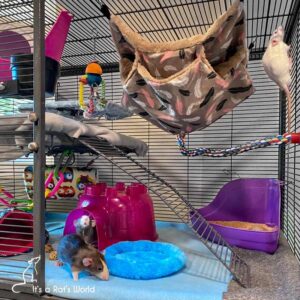
The primary objective during the first hours is to provide a secure and comfortable environment. Therefore, the pre-prepared cage should be their first destination. This space, furnished with food, water, bedding, and enrichment items, serves as their initial sanctuary. Allowing them to explore this familiar territory at their own pace is vital.

While your eagerness to interact may be strong, it is imperative to avoid overstimulating them. Instead, be present. Sit near the cage, speak to them in a calm and gentle tone, and perhaps offer a small, high-value treat. This passive presence allows them to begin associating your scent and voice with a sense of safety. The cage also provides a designated area for them to relieve themselves, which is often a natural response to stress.
Navigating the Post-Cage Introduction Period
Once your rats have had some time to acclimate within their cage, the next step involves carefully assessing their readiness for broader interaction. This phase is highly dependent on the duration of their travel and their observed comfort levels.
Decompression and Observation
If your rats had a short and uneventful journey, they might be amenable to gentle interaction outside the cage relatively soon after settling into their new home. However, for rats that experienced longer or more stressful travel, a decompression period of 30 to 60 minutes within their cage is advisable. This period allows them to regain a sense of calm and security before further engagement.
The key here is to observe their cues. If they appear hesitant or anxious, it is best to allow them more time. Pushing them into interaction before they are ready can inadvertently increase their fear and distrust. Conversely, if they show signs of curiosity and confidence, you can proceed with more direct engagement.
Understanding Typical Rat Behavior and Expectations
The initial days, weeks, and even the first month with new rats can present a spectrum of behaviors. It is important to set realistic expectations, as each rat is an individual with a unique personality and past experiences that shape their responses.
The Spectrum of Temperaments
Some rats are naturally bold and curious, quickly adapting to their new surroundings and forging bonds with their human companions. These outgoing individuals often make new owners feel at ease due to their immediate engagement. Others may exhibit a blend of caution and bravery, taking a bit more time to warm up.
However, it is common for newly acquired rats, especially those from less-than-ideal previous environments, to be nervous, skittish, or even frightened. This initial fear can be intimidating for inexperienced owners, leading some to adopt a hands-off approach. This is a critical juncture where proactive engagement is essential.
The Importance of Early and Consistent Interaction
Scared rats will not overcome their fears in isolation. Their instinct to hide and flee is a survival mechanism. It is your role as their caretaker to gradually shift their perspective, demonstrating that you are a source of safety and positive experiences. This process begins on day one and must be maintained consistently.
Daily interaction, including gentle handling and affectionate engagement, is crucial, even if your rats are initially fearful. This consistent exposure helps them build trust. If your rats are hiding, running away, or squirming when you attempt to hold them, remember that this is a normal initial reaction for many. Resources such as articles on helping scared pet rats and honoring their personal space can provide further guidance.
Addressing Fear of Biting
A common concern for new owners is the potential for their rats to bite out of fear. This trepidation can sometimes lead to a cycle of neglect, where prolonged avoidance by the owner further exacerbates the rat’s fear. It is vital to understand that rats are not inherently aggressive. The longer you delay interaction, the more entrenched their fear can become. Educating yourself on whether pet rats bite and understanding the nuances of their behavior can provide the confidence needed to overcome this hurdle.
Quirks and Considerations in Rat Behavior
Beyond their initial acclimation, rats exhibit certain behaviors that, while not malicious, can be surprising or even disconcerting to new owners. Understanding these quirks can prevent misunderstandings and ensure a more harmonious relationship.
The Peculiar Habit of Sock-Nipping
One notable and somewhat peculiar behavior observed in some rats is a fondness for nipping socked feet. This is typically not an aggressive act but rather an exploratory or playful habit. It is important to differentiate this from biting that draws blood. While it can be startling, it is generally harmless. Owners who experience this should understand that their rat is not being vicious but rather engaging in a quirky trait.
Sensitivity to Certain Substances
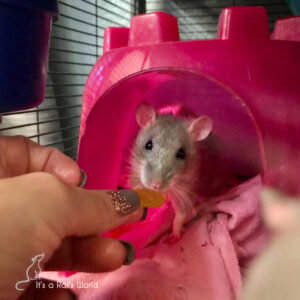
Rats possess a keen sense of smell and can be sensitive to certain airborne substances. For instance, the fumes from nail polish remover can be distressing to them. In such instances, a rat might nip at fingers or toes, not out of aggression, but because the smell or fumes are disturbing them, and their poor eyesight limits their ability to fully comprehend the situation. It is advisable to avoid using such products in the presence of your rats.
Essential Care Practices for Thriving Rats
Beyond the emotional and behavioral aspects of integration, several fundamental care practices are essential for the health and well-being of your pet rats. These include maintaining a clean living environment, providing proper nutrition, and knowing when veterinary care is necessary.
Maintaining a Pristine Habitat: Cage Cleaning Frequency
The frequency of cage cleaning is a significant factor in maintaining a healthy environment and minimizing odors. While it may seem like a chore, consistent cleaning is crucial.
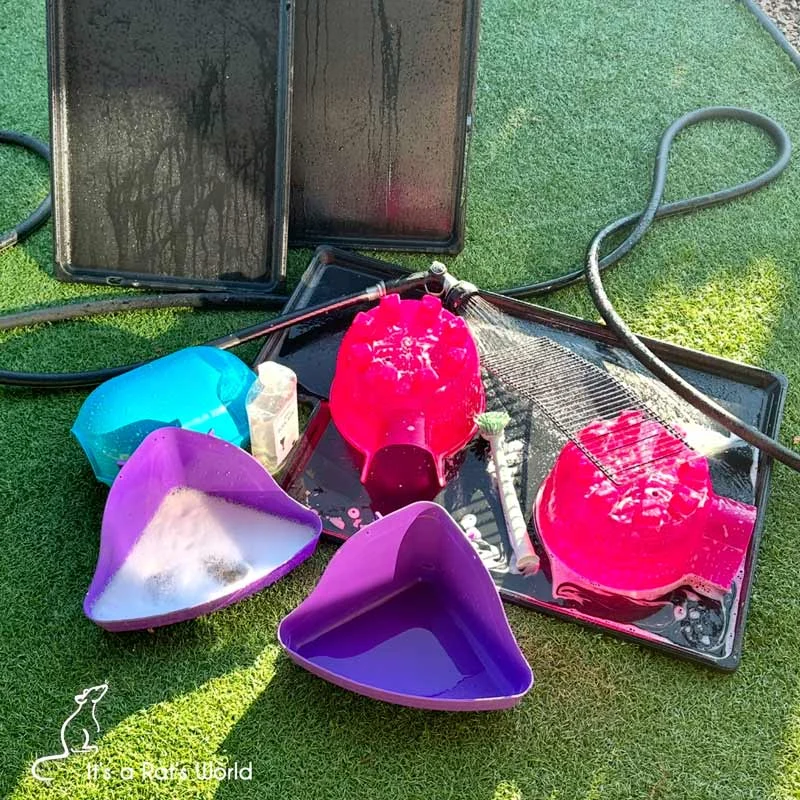
- Daily Spot Cleaning: This involves removing soiled bedding, waste, and uneaten food from the cage on a daily basis. This proactive approach significantly reduces the buildup of waste and helps control odor.
- Complete Cage Cleaning: The frequency of a full cage clean, involving a complete bedding change and thorough sanitization, is influenced by several factors. These include the number of rats in the cage, their litter box training proficiency, their general activity levels, and sometimes even their sex, as males may be more prone to marking their territory. For a more detailed understanding of a comprehensive cleaning schedule, consult resources dedicated to rat habitat maintenance.
Nutritional Guidance: Feeding Your Rats
Rats have rapid metabolisms and benefit from a consistent feeding schedule that supports their energy needs.
- Splitting Daily Portions: It is recommended to divide their main staple diet into two servings: breakfast and dinner. This helps regulate their intake and prevents overeating, a common tendency in rats.
- Incorporating Fruits and Vegetables: Fresh fruits and vegetables can be incorporated into their main meals or offered as small, healthy snacks throughout the day.
- Dietary Variety: Offering a variety of safe foods, such as yogurt, cooked eggs, cooked vegetables, and even small portions of cooked pasta, can contribute to a balanced diet. For more in-depth dietary recommendations, refer to established rat nutrition guides.
Veterinary Care: When to Seek Professional Help
The need for veterinary attention depends largely on the source from which you acquired your rats.
- Reputable Rescues: Rats obtained from reputable rescues that adhere to quarantine protocols and provide pre-adoption veterinary care may not require immediate veterinary visits.
- Other Sources: If your rats come from sources such as pet stores, unknown breeders, or individuals who may not have provided adequate care, a veterinary check-up might be advisable. Stress can compromise their immune systems, potentially leading to respiratory issues.
- Recognizing Illness: Be vigilant for signs of illness, such as sneezing, labored breathing, wheezing, or crackling sounds in their chest, especially within the first few weeks of adoption. Prompt veterinary attention is crucial in such cases. It is also prudent to budget for potential future veterinary expenses, as regular care is an integral part of responsible pet ownership.
Cultivating a Deep and Lasting Bond
The ultimate goal of bringing pet rats into your home is to build a strong and affectionate bond. This involves understanding their communication, providing opportunities for play, and creating shared experiences.

The Art of Petting and Interaction
Learning how to appropriately pet and interact with your rats is fundamental to building trust. Gentle strokes, soft vocalizations, and respecting their boundaries are key. As you become more attuned to their individual personalities, you will develop a nuanced understanding of their preferences and comfort levels.
Creating a Stimulating Play Environment
Out-of-cage playtime is not only beneficial for your rats’ physical health but also provides invaluable opportunities for bonding. Designing safe and engaging play areas, whether it’s a designated "rat playground" or a modified space within your home, allows for extended periods of positive interaction. These moments of shared activity can be profoundly rewarding for both owner and pet.
Deciphering Rat Communication
Rats communicate in various ways, from subtle body language to vocalizations. Learning to interpret these signals is essential for understanding their needs and emotions. As your bond deepens, you will become more adept at recognizing how your rats "talk" to you, fostering a more intuitive and responsive relationship.
In conclusion, the journey of rat ownership is one of patience, consistency, and a commitment to understanding these remarkable creatures. By approaching their integration with care, providing for their essential needs, and actively nurturing your bond, you will undoubtedly experience the immense joy and companionship that pet rats can offer. Embrace the adventure, spoil them rotten, and in a few short months, you will likely find yourself an experienced and devoted rat enthusiast.

