


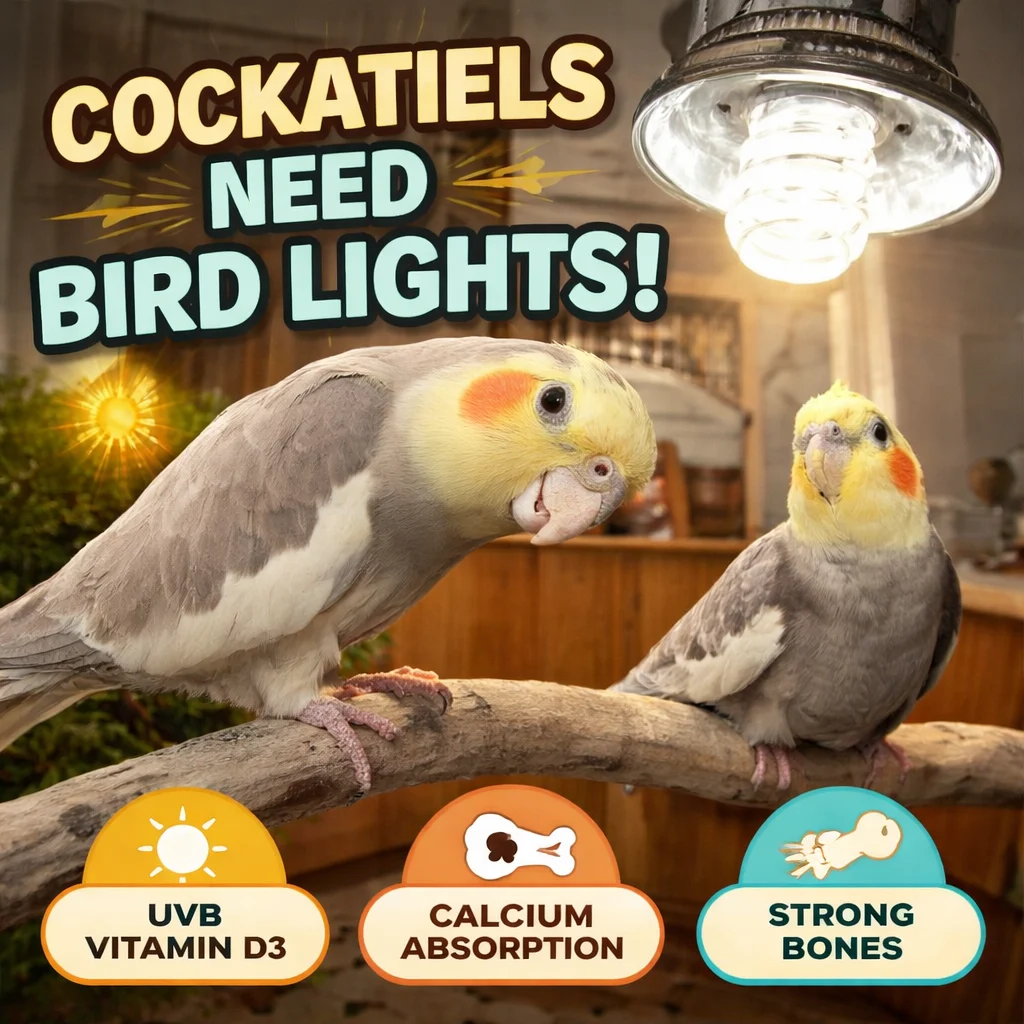
For millions of bird owners worldwide, the comfort and safety of an indoor environment are paramount. However, this domesticated setting often inadvertently deprives pet birds of a critical element essential for their survival and well-being: ultraviolet B (UVB) light. While a brightly lit room might seem sufficient, the reality is that most indoor light sources, including sunlight filtered through windows, block the specific wavelengths of UVB radiation necessary for vital physiological processes in avian species. This oversight can lead to a cascade of health issues, often subtle at first but potentially debilitating or even fatal over time. This article delves into the scientific necessity of UVB lighting for indoor birds, examines the potential consequences of its absence, and outlines best practices for its safe and effective implementation, drawing upon established avian veterinary science and expert recommendations.
The Crucial Role of UVB Light in Avian Physiology
Unlike humans and many other mammals who can synthesize a precursor to Vitamin D3 from food sources or absorb it directly from supplements, birds have a unique metabolic pathway that relies heavily on UVB radiation. In their natural habitats, birds spend significant portions of their day exposed to direct sunlight, which provides the full spectrum of ultraviolet light. Specifically, UVB rays penetrate the unfeathered skin (particularly around the vent, under the wings, and on the feet) and, importantly, interact with preen gland oils. When a bird preens, these UVB-activated oils are ingested, allowing the pre-vitamin D3 to be metabolized into active Vitamin D3. This active form, known as calcitriol, is indispensable for calcium absorption and utilization, bone mineralization, immune system function, and even the regulation of mood and reproductive cycles.
Without adequate UVB exposure, this critical Vitamin D3 synthesis pathway is severely compromised. Studies have consistently demonstrated that even with a calcium-rich diet, birds cannot properly absorb and metabolize calcium without sufficient Vitamin D3. This deficiency is a primary driver of metabolic bone disease (MBD), a prevalent and often devastating condition in captive birds.
Understanding the Spectrum: UVA, UVB, and UVC
To appreciate the necessity of specialized avian lighting, it is important to understand the different types of ultraviolet radiation:
- UVA (320-400 nm): This wavelength is visible to birds and plays a crucial role in their vision, enabling them to perceive a wider range of colors than humans. It influences foraging, mate selection, and social interactions. Most "full-spectrum" bulbs provide UVA, but it does not facilitate Vitamin D3 synthesis.
- UVB (290-320 nm): This is the biologically active range responsible for Vitamin D3 production. It is also the wavelength that causes sunburn and skin damage in humans with overexposure. Proper avian UVB lamps are designed to emit a controlled, safe level of UVB.
- UVC (100-290 nm): This is highly germicidal and damaging to living tissue. It is filtered out by the Earth’s ozone layer and should never be used in bird lighting applications.
Crucially, standard window glass, polycarbonate, and acrylic plastics effectively block nearly 100% of beneficial UVB rays. This means that a bird sitting by a sunny window, while visually stimulated by bright light, receives no physiological benefit from the sun’s UVB spectrum. Similarly, incandescent bulbs, LED lights, and common fluorescent tubes provide visible light but lack the specific UVB wavelengths required for Vitamin D3 synthesis. The notion that "my house is bright enough" is therefore a significant and dangerous misconception for avian health.
Recognizing the Subtle and Overt Symptoms of UVB Deficiency
The insidious nature of UVB deficiency lies in its gradual onset. Birds are master at hiding illness, a survival instinct in the wild to avoid appearing vulnerable to predators. Therefore, by the time overt symptoms manifest, the underlying deficiency may have been progressing for months or even years.
Early, subtle indicators of inadequate UVB exposure and subsequent Vitamin D3 deficiency can include:
- Dull or Faded Plumage: While diet plays a role, proper calcium metabolism (reliant on D3) is essential for vibrant feather production and strength.
- Reduced Activity Levels and Lethargy: A general lack of energy, decreased playfulness, and increased sleeping.
- Behavioral Changes: Irritability, increased aggression, feather plucking (though multifactorial, stress from discomfort can contribute), or a noticeable shift in mood.
- Weakened Grip: Difficulty perching securely, slipping from perches, or an inability to exert strong pressure with their feet.
- Poor Coordination: Clumsiness during flight or movement within the cage.
As the deficiency progresses, more severe and clinically significant signs emerge, often indicating advanced metabolic bone disease:
- Lameness or Difficulty Walking: Painful or weakened bones can lead to a hesitant gait.
- Pathological Fractures: Bones become brittle and prone to breaking even with minor trauma.
- Splayed Legs: Particularly in young birds, severe calcium deficiency can prevent proper bone development.
- Soft or Deformed Beaks and Claws: Calcium is a key component of these structures.
- Tremors or Seizures: Severe hypocalcemia (low blood calcium) can disrupt neurological function.
- Egg-Binding in Laying Hens: Inadequate calcium makes it difficult for a hen to contract muscles to pass an egg, leading to a life-threatening emergency. The eggshell itself may also be thin or malformed.
- Stunted Growth: In juveniles, chronic deficiency impedes proper development.
Avian veterinarians emphasize that prevention is paramount. Addressing these issues reactively, once clinical signs are evident, often requires intensive and costly veterinary intervention, and the long-term prognosis may be guarded due to irreversible damage.
A Brief History of Avian Photobiology and Lighting Recommendations
The understanding of light’s profound impact on avian health has evolved significantly over the past century. Early captive bird keeping focused primarily on diet, housing, and protection from the elements. However, observers soon noted that many species, particularly psittacines (parrots) and passerines (finches, canaries), frequently developed skeletal deformities, reproductive issues, and general "failure to thrive" despite seemingly adequate nutrition.
The discovery of Vitamin D’s role in calcium metabolism in the early 20th century, initially in humans and other mammals, paved the way for recognizing its importance in birds. Subsequent research in the mid to late 20th century specifically elucidated the avian pathway for Vitamin D3 synthesis and the absolute requirement for UVB light. This led to the development of specialized "avian full-spectrum" fluorescent lamps in the late 20th and early 21st centuries, designed to emit both UVA and a controlled amount of UVB radiation, mimicking natural sunlight without the harmful UVC.
Today, avian veterinary medicine universally acknowledges the critical role of UVB lighting. Organizations like the Association of Avian Veterinarians (AAV) and various humane societies advocate for its provision as a fundamental aspect of responsible avian care. Ongoing research continues to refine species-specific recommendations for UVB intensity, duration, and spectral quality to optimize avian health outcomes.
Implementing Safe and Effective UVB Lighting Protocols
The provision of UVB lighting requires careful consideration to ensure efficacy and prevent potential harm from overexposure. As the original article rightly states, "Used incorrectly, any UV source can be harmful. Used correctly, bird-safe UVB lights are designed to mimic short, controlled natural exposure."
1. Selecting the Right Lamp:
- Type: Fluorescent tubes are generally preferred over compact fluorescent bulbs (CFLs) for better distribution of light and more consistent UVB output. Reputable brands specifically designed for birds or reptiles (e.g., Arcadia Bird Lamp, Zoo Med Avian Sun) are essential. Avoid lamps not specifically labeled for UVB output for animals.
- UVB Output: Lamps come in different UVB percentages (e.g., 2.4%, 5.0%). The appropriate percentage depends on the bird’s species (some desert species need more, rainforest species less), distance, and duration. Consult with an avian veterinarian or reputable avian lighting guides for species-specific recommendations.
- Full Spectrum: Ensure the lamp also provides UVA, which is vital for avian vision and psychological well-being.
2. Optimal Placement and Distance:
- Above the Cage: The lamp should be positioned directly above the cage, ideally within 6-18 inches of the bird’s highest perch. The effective range of UVB diminishes rapidly with distance.
- Unobstructed Exposure: Ensure no glass or plastic barriers are between the lamp and the bird, as these will block UVB.
- Gradient: Position the lamp to create a UVB gradient within the cage, allowing the bird to choose areas of higher or lower exposure. This mimics natural conditions where birds can move into or out of direct sunlight. Providing perches at different heights facilitates this choice.
3. Duration of Exposure and Timers:
- Daily Sessions: Most recommendations suggest 1-3 hours of daily exposure. This short duration is sufficient to trigger Vitamin D3 synthesis without risking overexposure. Some experts recommend longer durations, up to 6-8 hours, but always with the option for the bird to move away.
- Consistency: Daily, consistent exposure is more beneficial than sporadic long sessions.
- Timers: An automatic timer is an invaluable tool. It ensures consistent daily exposure and prevents accidental overexposure if an owner forgets to turn the light off.
4. Lamp Replacement Schedule:
- UVB Degradation: Even if the lamp still emits visible light, its UVB output degrades over time, often significantly after 6-12 months of use, depending on the manufacturer.
- Regular Replacement: Follow the manufacturer’s recommendations for lamp replacement, typically every 6-12 months, to ensure consistent and effective UVB delivery. Mark the replacement date on the lamp itself.
5. Integrating with Diet and Supplements:
- UVB lighting is not a substitute for a balanced, high-quality diet rich in calcium and other essential nutrients.
- Conversely, a calcium-rich diet is ineffective without Vitamin D3 for absorption.
- Consult an avian vet before adding Vitamin D3 supplements, as over-supplementation can be toxic. UVB lighting provides a natural, regulated synthesis that is generally safer than oral supplementation.
Expert Consensus and Industry Standards
The consensus among avian veterinarians and zoological institutions is unequivocal: providing appropriate UVB lighting is a fundamental component of preventative healthcare for indoor birds. Dr. Greg Harrison, a renowned avian veterinarian, has long championed the importance of full-spectrum lighting, emphasizing its role not just in physical health but also in psychological well-being. Organizations such as the World Parrot Trust also include appropriate lighting as a key element in their welfare guidelines for captive parrots.
Safety remains a paramount concern. Overexposure to UV radiation can damage avian eyes and skin, similar to humans. This is why proper distance, duration, and lamp selection are critical. Manufacturers of avian-specific UVB lamps provide detailed instructions and warnings, and adherence to these guidelines is essential. The goal is to provide beneficial UVB, not to replicate intense outdoor sun exposure for prolonged periods.
Broader Implications for Avian Welfare and Responsible Pet Ownership
The provision of UVB lighting extends beyond merely preventing disease; it fundamentally improves the quality of life for captive birds. By enabling natural physiological processes, it contributes to:
- Enhanced Physical Health: Stronger bones, healthier feathers, robust immune systems, and more successful reproductive outcomes.
- Improved Psychological Well-being: Better mood regulation, reduced stress-related behaviors (like feather plucking in some cases), and a more natural perception of their environment through UVA vision.
- Reduced Veterinary Costs: Investing in a UVB lamp and replacing it regularly is a minor expense compared to the potentially thousands of dollars required to diagnose and treat advanced metabolic bone disease or other deficiency-related ailments.
- Ethical Pet Ownership: Providing a captive animal with the environmental conditions necessary to thrive, mimicking its natural habitat to the extent possible, is a cornerstone of responsible pet ownership.
Monitoring Progress and Long-Term Maintenance
Improvements from implementing UVB lighting are typically gradual, reflecting the time it takes for physiological systems to recover and regenerate. Owners should look for:
- Increased Activity and Playfulness: A bird that is more energetic, curious, and engaged.
- Improved Feather Quality: Shinier, more vibrant plumage during molts.
- Stronger Grip and Coordination: More confident perching and flight.
- Stable Mood: Reduced irritability or aggression.
- Overall Robustness: A general sense of a healthier, more thriving bird.
Regular veterinary check-ups remain vital to monitor overall health, even with appropriate lighting. Blood tests can assess Vitamin D3 and calcium levels if concerns persist. Consistency in providing UVB light, maintaining proper lamp distance, and adhering to replacement schedules are crucial for long-term health. The addition of UVB lighting is not a "set it and forget it" solution but an ongoing commitment to providing an essential environmental enrichment that profoundly impacts an indoor bird’s health and happiness. By understanding and addressing the critical need for UVB, bird owners can empower their feathered companions to lead healthier, more fulfilling lives.

