


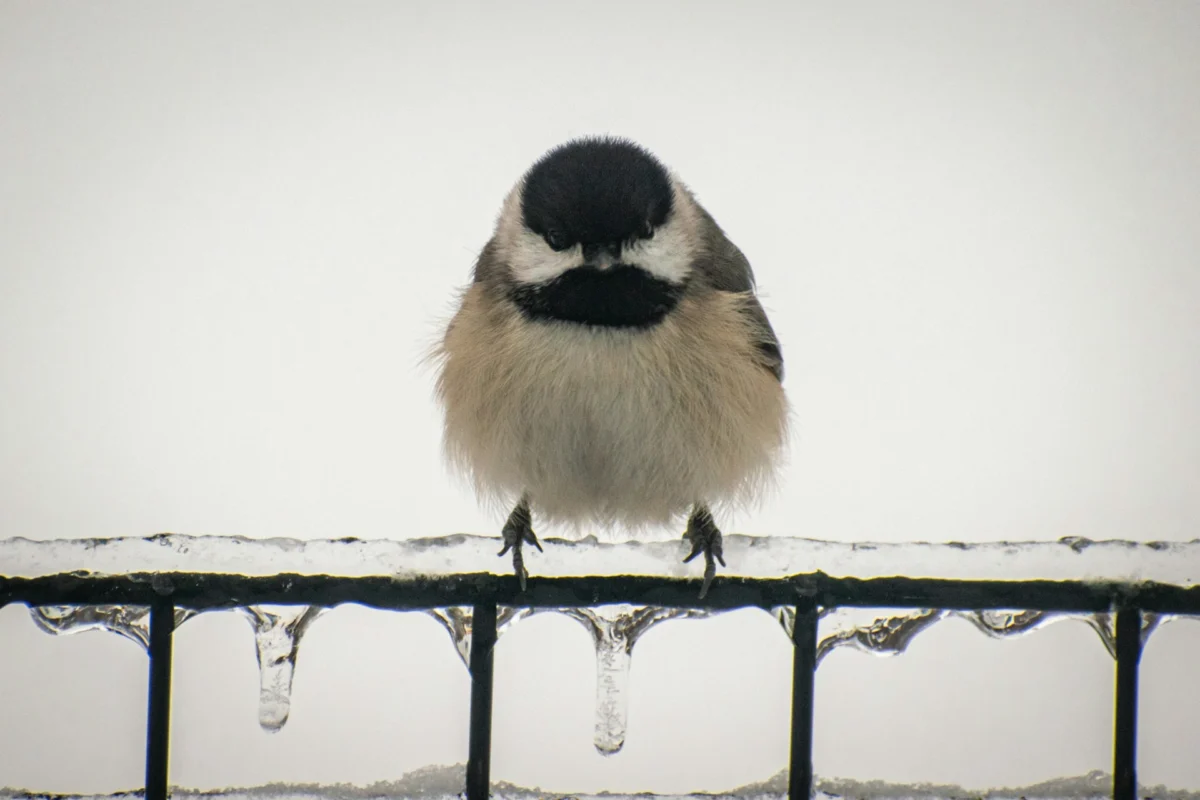
For generations, the annual migration of birds has been painted as a magnificent, almost instinctual odyssey—a heroic pilgrimage spanning thousands of miles in pursuit of warmer climes and abundant food. This romanticized image, however, often overlooks a more nuanced and equally vital survival strategy: staying put. For a growing number of avian species, enduring the harsh realities of northern winters—the biting cold, unpredictable storms, and scarcity of sustenance—represents not a lesser choice, but a calculated evolutionary advantage. Understanding the intricate balancing act behind these winter survival decisions reveals a fascinating interplay of risk, reward, and adaptation in the face of environmental challenges.
The Perils of the Pilgrimage: Migration’s Hidden Costs
While migration is often perceived as the default and safer option, the reality for many bird species is far more perilous. The journey south is fraught with dangers that exact a significant toll on avian populations. Songbirds, for instance, undertake epic non-stop flights across vast expanses like the Gulf of Mexico, a feat that pushes their physiological limits to the extreme. Raptors, lacking the protective canopy of forests, face storms head-on, their vulnerability amplified by the elements. Scientists estimate that billions of birds die annually during their migratory journeys due to exhaustion, predation, disorientation, and fatal collisions with human-made structures, such as windows and communication towers. A 2019 study published in the journal Science revealed that the United States alone loses an estimated 2.4 billion birds each year, with migration being a particularly lethal period.
In contrast, species equipped with access to stable, localized winter food sources often find the risks of remaining in their northern breeding grounds to be lower than the inherent dangers of migration. These reliable resources can include conifer seeds, persistent winter fruits, and increasingly, the readily available sustenance provided by human bird feeders. For these birds, the familiar challenges of a northern winter—though formidable—are a known quantity, potentially less lethal than the unknown perils of a long-distance flight.
Staying the Course: Species Embracing the Cold
This recalibration of risk versus reward explains why certain species have become synonymous with enduring the winter in northern latitudes. Birds like the Northern Cardinal (Cardinalis cardinalis), the Downy Woodpecker (Dryobates pubescens), and the Blue Jay (Cyanocitta cristata) are prime examples. Their ability to thrive in colder climates is intrinsically linked to their specialized diets and territorial behaviors. Their food sources, such as seeds, berries, and insects found within their established territories, remain accessible, albeit requiring more effort to locate. Moreover, their primary predators are often more predictable in familiar environments, allowing for more effective evasion strategies. While winter undeniably presents physiological challenges, the energy expenditure and inherent risks associated with long-distance migration could prove far more detrimental to their survival.
Climate Change: Reshaping Winter Ranges and Avian Strategies
The delicate equilibrium governing bird migration and overwintering is being subtly, yet profoundly, altered by the ongoing effects of climate change. A century of warming trends has demonstrably redrawn the winter ranges of numerous avian species. Northern Cardinals, for instance, have expanded their overwintering range steadily northward over the past 100 years. This expansion is attributed to a confluence of factors, including milder winters that reduce mortality rates and the widespread availability of backyard bird feeders, which provide a crucial supplementary food source.
Similarly, the American Robin (Turdus migratorius), once a quintessential harbinger of spring, now frequently overwinters in large flocks across many parts of the northern United States. These adaptable birds have learned to exploit persistent winter berries and other available food resources, a strategy that was less viable in colder historical periods. Even species traditionally considered strictly migratory, such as certain warblers, are now being observed lingering through winter in areas where food remains sufficiently abundant.

These shifts are not merely anecdotal observations; they represent significant ecological transformations with far-reaching implications. Changes in overwintering patterns can disrupt established predator-prey dynamics, altering the competitive landscape for food and nesting sites. The composition of backyard feeder communities is also evolving, reflecting the changing presence of species. Furthermore, these shifts can impact the timing of breeding seasons. Birds that overwinter in northern regions are often able to initiate breeding activities earlier in the spring, securing prime territories and mates before the arrival of migratory competitors.
The Physiology of Perseverance: Surviving the Cold
Remaining in northern climates during winter demands a remarkable degree of physiological adaptation and resourcefulness. Birds that choose this path must master an unforgiving energy economy. The Black-capped Chickadee (Poecile atricapillus), a paragon of winter hardiness, employs a fascinating thermoregulatory strategy: it deliberately lowers its body temperature during the frigid nights through a state of regulated hypothermia, known as torpor, thereby conserving precious metabolic energy. This allows them to survive periods of extreme cold and food scarcity.
Other species, like various woodpecker species, rely on their ability to locate and access hidden caches of food—acorns, nuts, and seeds—that they meticulously stored during more favorable seasons. These stored provisions become a vital lifeline when surface foraging becomes impossible. Doves and finches, meanwhile, often shift their diets towards high-fat foods, such as seeds and suet. This dietary adjustment is crucial for generating the increased metabolic heat required to maintain core body temperature throughout long, cold nights. The stored fat reserves are then burned to fuel this internal furnace, enabling them to endure periods of prolonged darkness and sub-zero temperatures.
The Competitive Advantage of Staying
The ability to successfully navigate the winter in northern latitudes confers a significant competitive advantage once spring arrives. Birds that remain in their breeding territories have a substantial head start in claiming prime nesting sites and establishing territories. This pre-emptive positioning allows them to secure the best locations, often those with optimal resources and shelter, long before migratory birds arrive. When the migratory wave begins, these resident birds are already established, defending their established domains and readily available mates. This can lead to earlier and more successful breeding outcomes compared to migrants who must first re-establish themselves and compete for resources that may already be claimed.
An Evolved Strategy: Resilience Over Risk
The decision for a bird species to remain in northern climates during winter is far from an arbitrary or accidental occurrence. It is a testament to evolved strategies, meticulously shaped by the interplay of environmental pressures, physiological capabilities, and perceived risks. Migration, while offering the allure of abundant resources and escape from harsh conditions, comes with a substantial price in terms of mortality and energy expenditure. Conversely, overwintering in the north presents its own set of formidable challenges, demanding exceptional resilience, specialized adaptations, and efficient energy management.
As the climate continues to change, and as human landscapes provide increasingly reliable food sources, the evolutionary balance is tilting for many species. The decision to stay north is increasingly becoming the more viable and advantageous strategy, showcasing the remarkable adaptability and resilience of avian life in the face of a dynamic and ever-changing world. This ongoing phenomenon offers a compelling glimpse into the complex calculations that govern survival in the natural world, reminding us that the "heroic" journey is not always the longest one, but often the one that best aligns with the harsh realities of survival. The silent tenacity of these winter residents is a powerful counterpoint to the popular narrative of avian migration, highlighting a critical, yet often overlooked, aspect of avian ecology.

