


The soft cooing, insistent wing flapping, and sudden bursts of aggression often observed in pet parrots are frequently dismissed as mere "bird antics" or temporary mood swings. However, as noted by avian experts like Diane Burroughs, these displays are typically manifestations of hormonal behavior, a natural biological response that, if unmanaged, can escalate into significant welfare issues for the bird and challenges for its human companions. While an eight-year-old Sun Conure exhibiting such signs is merely "being a bird," understanding the underlying biological drivers and implementing proactive management strategies are crucial to prevent fixation, frustration, and long-term health complications. This article delves into the nuances of avian hormonal behavior, providing a comprehensive guide for pet bird owners to identify, understand, and effectively manage these complex natural processes.
The Biological Imperative: What Hormonal Behavior Looks Like in Pet Birds
Hormonal behavior in parrots is a direct expression of their natural reproductive instincts. In the wild, these behaviors are essential for perpetuating the species, guiding pair bonding, nest selection, breeding, and raising young. In a captive environment, however, these powerful instincts can become misdirected or chronic, leading to undesirable outcomes. Common signs include:
- Vocalizations: Increased cooing, squawking, chirping, or territorial calls. Some birds may develop a specific "mating call."
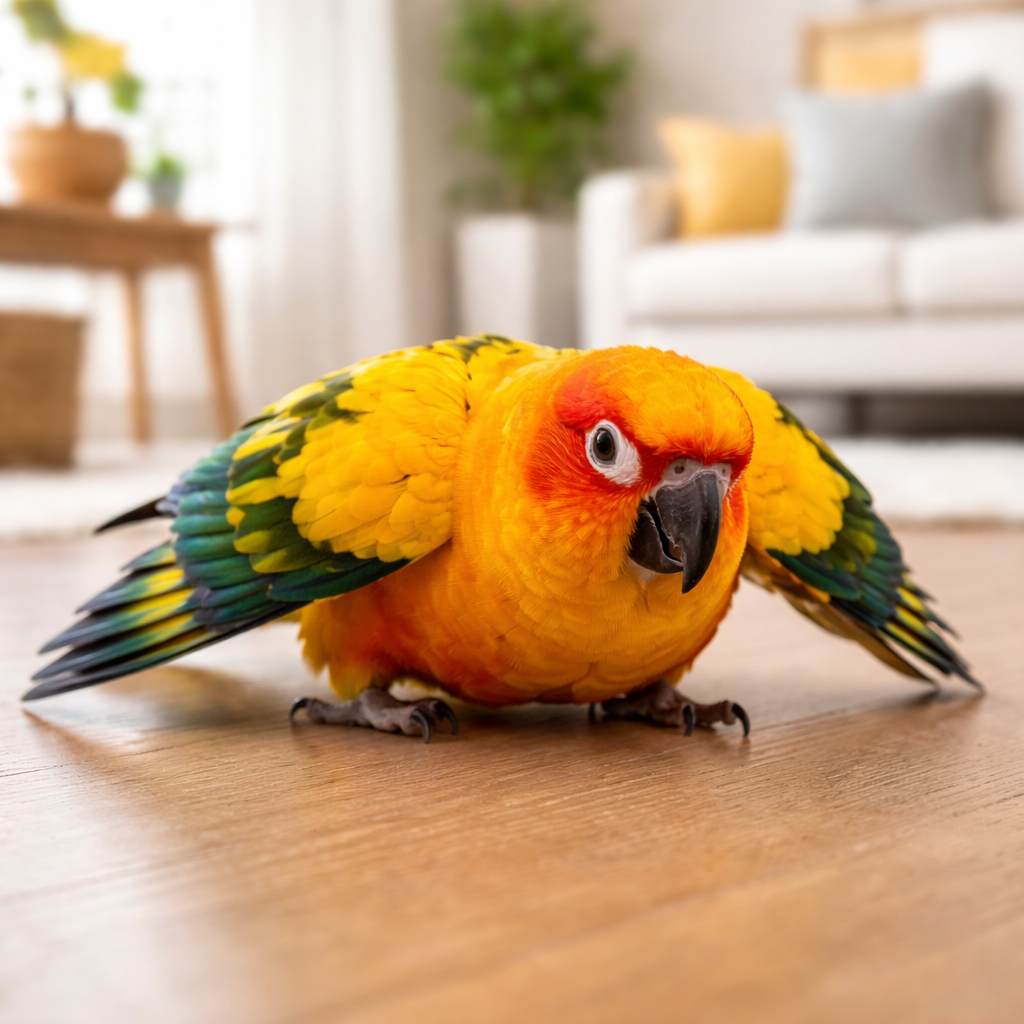
- Physical Displays: Wing flapping (often accompanied by a "bowing" motion), tail fanning, feather ruffling, regurgitation (as a courtship feeding gesture), and specific postures.
- Nesting Behaviors: Seeking out dark, enclosed spaces (e.g., under furniture, inside cabinets, even in food bowls), shredding paper or other materials, or becoming possessive of certain areas or objects.
- Aggression: Increased biting, lunging, or territoriality, particularly towards perceived rivals or those encroaching on a "nest site" or "mate." This can extend to aggression towards other birds, household members, or even inanimate objects.
- Obsessive Behavior: Fixation on a particular person, object, or mirror image, treating it as a mate.
- Self-Mutilation/Feather Destructive Behavior: While not always hormonal, chronic stress from unresolved hormonal drives can contribute to these issues.
It is important to differentiate between a brief, seasonal display and chronic, year-round hormonal activity. While occasional displays during specific seasons are expected in adult parrots, especially during spring or autumn in temperate climates, constant hormonal activation takes a significant toll on a bird’s physical and psychological well-being.
The Science Behind Avian Hormones
Avian reproductive cycles are primarily governed by a complex interplay of hormones, including gonadotropin-releasing hormone (GnRH), luteinizing hormone (LH), follicle-stimulating hormone (FSH), testosterone (in males), and estrogen and progesterone (in females). These hormones are influenced by a range of environmental cues, which signal to the bird’s body that conditions are suitable for breeding.
- Photoperiod (Light Cycles): The most significant environmental trigger. Increasing day length in spring typically signals the start of the breeding season for many species, while decreasing day length in autumn can also trigger a secondary, milder cycle. In artificial indoor environments with consistent lighting, birds can be perpetually "tricked" into believing it’s breeding season.
- Diet and Nutrition: An abundance of calorie-rich foods, particularly those high in fat, signals a plentiful environment capable of supporting offspring, thus stimulating reproductive hormones.
- Nesting Opportunities: The presence of dark, enclosed spaces, or materials suitable for shredding, can act as a powerful cue for nesting behavior.
- Social Stimulation: Perceived mates, whether another bird, a human companion, or even a mirror reflection, can stimulate hormonal responses through courtship behaviors, regurgitation, and close physical contact.
Species-Specific Differences: Smaller parrots, such as cockatiels, budgies, and conures, often appear more hormonally active for extended periods. This is due to their life history strategy: being lower on the food chain, they mature quickly (often before 1 year of age) and reproduce more frequently to ensure species survival. Their bodies are therefore geared to remain closer to breeding mode. In contrast, larger, longer-lived parrots like macaws and cockatoos may not reach sexual maturity until 7-8 years of age, and their breeding cycles tend to be more distinct and less frequent. This difference in biological programming explains why a Sun Conure at eight years old might still be exhibiting strong hormonal urges, which is not a "phase" but a normal biological response requiring management.
When Normal Becomes Concerning: The Risk Threshold
While hormonal displays are natural, chronic or extreme hormonal activity crosses a "Risk Threshold" where it transitions from normal biological function to a potential medical and behavioral problem. According to 2026 clinical findings by Dr. Rob Marshall and Tailai O’Brien, reproductive hyperactivity is a primary cause of many health complaints in pet birds. Owners should consider intervention when:
- Aggression Becomes Persistent or Dangerous: Occasional nipping is one thing; consistent, hard biting that draws blood or makes interaction impossible is a serious issue.
- Obsessive Behavior Interferes with Daily Life: The bird refuses to engage in other activities, fixates solely on a perceived mate (human or object), or exhibits stress when separated.
- Feather Destructive Behavior or Self-Mutilation Emerges: While complex, hormonal stress can exacerbate or initiate these damaging behaviors.
- Female Birds Lay Eggs Repeatedly: Chronic egg-laying depletes the female’s calcium reserves, leading to egg binding, cloacal prolapse, osteoporosis, and potentially fatal reproductive tract infections.
- Physical Symptoms Appear: Swelling around the vent, straining, lethargy, loss of appetite, changes in droppings, or signs of pain. These are emergencies requiring immediate veterinary attention.
Chronic hormonal activation keeps a bird’s body and nervous system in a constant state of alert, preventing it from fully settling. This perpetual stress often manifests as irritability, anxiety, fixation, and a decline in overall well-being. The implications are profound, ranging from behavioral issues that strain the human-animal bond to severe, life-threatening medical conditions.
Proactive Management: Redirecting Hormonal Energy
The good news is that owners do not need to "shut down" their bird’s natural instincts. Instead, the goal is to redirect this powerful energy into healthy, species-appropriate activities that are not reproductive in nature. This requires a multi-faceted approach focusing on environmental modification, behavioral enrichment, and positive reinforcement.
Environmental Modifications: Shaping the Avian World
- Regulate Light Cycles: Aim for a consistent 10-12 hours of light followed by 12-14 hours of uninterrupted darkness. This mimics natural non-breeding seasons. Use timers for lights and ensure the bird’s sleep area is truly dark and quiet.
- Optimize Diet: Reduce high-fat, high-sugar foods. Focus on a balanced diet of high-quality pellets, fresh vegetables, and limited fruits. Avoid feeding soft, warm "comfort foods" from your mouth, as this can be perceived as regurgitation for a mate.
- Eliminate Nesting Opportunities: Remove any dark, enclosed spaces the bird might perceive as a nest site (e.g., Happy Huts, boxes, loose cage liners, even clothing piles). Rearrange cage furniture to make corners less secluded.
- Manage Physical Contact: Avoid petting your bird below the neck or on its back, as this is sexually stimulating. Focus petting on the head and neck.
- Remove Mirrors: Mirrors can cause intense fixation and frustration, as the bird perceives its reflection as a potential mate that never reciprocates.
Behavioral Redirection: Giving Them a "Job"
Hormonal energy doesn’t simply burn itself out. If a parrot doesn’t learn where to channel this energy, it will manifest in louder, more persistent ways. Providing natural parrot "jobs" is key:
- Foraging Opportunities: Parrots spend a significant portion of their day foraging in the wild. Make your bird work for its food. Use foraging toys, hide treats in safe, shreddable materials, or scatter food around the cage. This mental and physical stimulation is a powerful redirector.
- Chewing and Shredding: Provide plenty of safe, destructible toys made of wood, paper, or natural fibers. This satisfies a natural instinct and provides an outlet for pent-up energy.
- Training and Enrichment: Engage your bird in positive reinforcement training. Teaching new tricks or behaviors provides mental stimulation and strengthens the human-animal bond in a non-sexual way. Introduce new toys regularly to prevent boredom.
- Independent Play: Actively reward your bird when it plays independently with its toys or engages in quiet, calm activities. This teaches the bird that calm, self-soothing behaviors earn positive attention.
Starting Where Your Bird Can Succeed: If your bird becomes overstimulated outside the cage, begin these activities inside the cage first. Once calmer there, gradually move them to a play stand or training perch in a more open environment.
Avoiding Common Mistakes
Several common human behaviors inadvertently reinforce hormonal displays:
- Responding to unwanted behaviors: Any attention – scolding, yelling, even pushing the bird away – can be interpreted as a reward or engagement by the bird.
- Providing nesting materials/sites: Unknowingly offering blankets, boxes, or even allowing the bird to burrow under clothing can stimulate nesting.
- Excessive physical affection: Petting below the neck, or prolonged cuddling, can be highly stimulating.
- Assuming birds "grow out of it": Hormonal behavior, especially in adult birds, is not a phase; it’s a biological state that requires ongoing management.
Remember, birds don’t respond to human intention; they respond to outcomes. If a behavior reliably leads to attention, closeness, or emotional engagement, the bird’s brain labels it as successful, even if the human didn’t mean to reinforce it. This is where positive reinforcement is incredibly powerful: you’re teaching your bird which behaviors help their body calm down. Every time you reward chewing, foraging, quiet play, or relaxed preening, you’re helping their nervous system learn a new default.
Using Treats Effectively
Treats are invaluable tools in behavioral modification, but they must be used correctly to avoid inadvertently reinforcing unwanted behaviors.
- Immediate Reinforcement: Treats should immediately follow calm, desired behavior. Carry a small treat pouch and be ready to reward moments of independent play, quiet chewing, or relaxed interaction.
- Clear Learning: The immediacy ensures the bird clearly links the treat to the specific desired action. If there’s a delay, the bird may associate the treat with whatever it was doing after the desired behavior.
- Non-Hormonal Association: Ensure the treats are not given in a way that mimics courtship feeding (e.g., directly from your mouth, after intense staring).
When to Call a Vet: Medical Priority
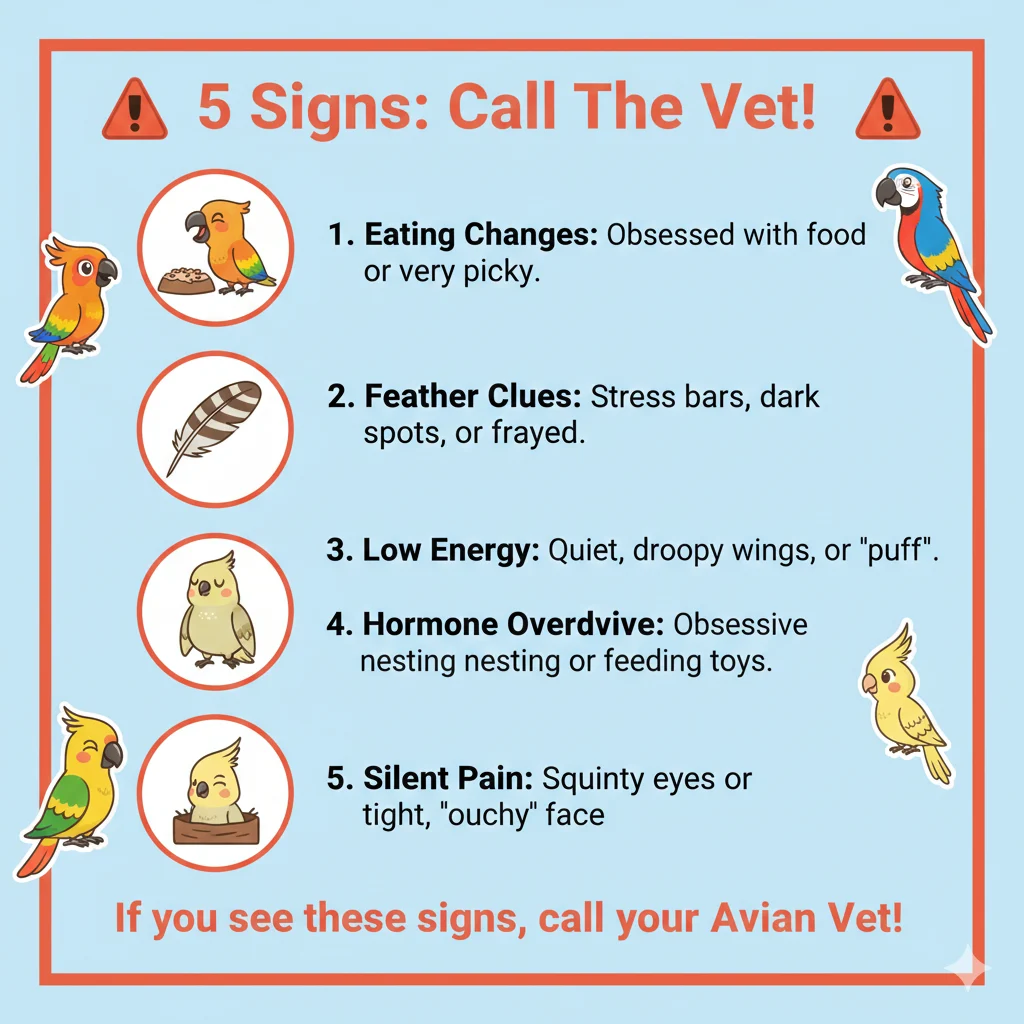
As established by Dr. Rob Marshall and Tailai O’Brien’s 2026 clinical findings, "acting out" in birds is rarely just a mood; it is often a data point indicating underlying physiological stress. If behavioral management strategies are not yielding results, or if specific physical symptoms emerge, it is crucial to consult an avian veterinarian. Use this 5-point protocol to determine if your bird’s behavior has crossed the Risk Threshold from "normal parrot antics" to a medical priority:
- Changes in Appetite or Thirst: Significant increase or decrease can indicate an underlying issue.
- Changes in Droppings: Any unusual color, consistency, or volume could signal illness.
- Lethargy or Weakness: A bird that is unusually quiet, sleeping more, or appears weak needs immediate attention.
- Physical Swelling or Discharge: Swelling around the vent, abdominal distension, or any unusual discharge are emergency signs, especially in egg-laying females.
- Persistent Aggression or Self-Mutilation: If behavioral redirection fails to mitigate dangerous aggression or if feather plucking progresses to skin mutilation.
A veterinarian can perform a physical examination, conduct blood tests to assess hormone levels and overall health, and may recommend further diagnostics such as radiographs to check for egg binding or reproductive tract abnormalities. Treatment options range from environmental adjustments guided by veterinary advice, to hormonal implants (e.g., Lupron) to suppress reproductive cycles, or in severe cases, surgical interventions such as salpingectomy (removal of the oviduct) for chronic egg layers.
Broader Impact and Implications
The proactive management of hormonal behavior in pet birds has far-reaching implications for both avian welfare and the human-animal bond. Unmanaged hormonal issues are a significant reason for relinquishment to rescues and sanctuaries, as owners become overwhelmed by aggressive or destructive behaviors. By understanding and addressing the root causes, owners can prevent these breakdowns in the relationship.
Moreover, chronic hormonal stress contributes to a range of physiological problems, including weakened immune systems, increased susceptibility to disease, and a shorter lifespan. A bird constantly "switched on" hormonally is living in a state of chronic stress, which compromises its overall health and quality of life. Empowering owners with knowledge and effective strategies ensures a healthier, happier life for their avian companions, fostering a more harmonious co-existence. It underscores the ethical responsibility of pet ownership to provide an environment that supports not just physical needs but also the complex behavioral and psychological requirements of these intelligent creatures.
Conclusion
Your bird isn’t being "bad"; their body is in a state of stress that they cannot control. Chronic hormonal behavior rarely resolves on its own and often leads to deeper health issues. By consistently rewarding calm, independent behavior and removing the triggers that "feed" the hormonal display, you help your bird settle into a lifestyle that is healthier for their body and much more livable for you. This comprehensive approach, combining environmental management, behavioral enrichment, and timely veterinary consultation, is the cornerstone of responsible parrot ownership, ensuring the well-being and longevity of these remarkable animals.
References:
Burroughs, D. (2026, February 4). Is my bird being hormonal or just acting weird? BirdSupplies.com. https://birdsupplies.com/is-my-bird-being-hormonal-or-just-acting-weird/
Male hyper-sexual behavior and female ovarian hyperactivity [Video]. YouTube. https://www.youtube.com/watch?v=14xD_OUrZNA

