


Budgie parakeets possess a remarkable capacity to consume a diverse array of foods, and providing them with a varied diet is paramount to their overall health and well-being. However, distinguishing between suitable and unsuitable food items can be a complex task for even the most dedicated pet owner. Whether seeking to supplement their regular feed or introduce novel tastes, many common household pantry items can serve as beneficial additions to a budgie’s diet, provided they meet specific safety criteria. This article aims to clarify which human foods are safe for budgies and which should be strictly avoided, offering a comprehensive guide to responsible avian nutrition.
Understanding the Budgie’s Natural Diet and Nutritional Needs
In their native Australian habitats, wild budgerigars primarily subsist on a diet of grass seeds, particularly those of spinifex and other native grasses, supplemented by occasional fruits, berries, and even small insects during breeding seasons when protein demands are higher. This natural diet is rich in diverse nutrients, fiber, and provides ample opportunities for foraging, a crucial behavior for their physical and mental health.
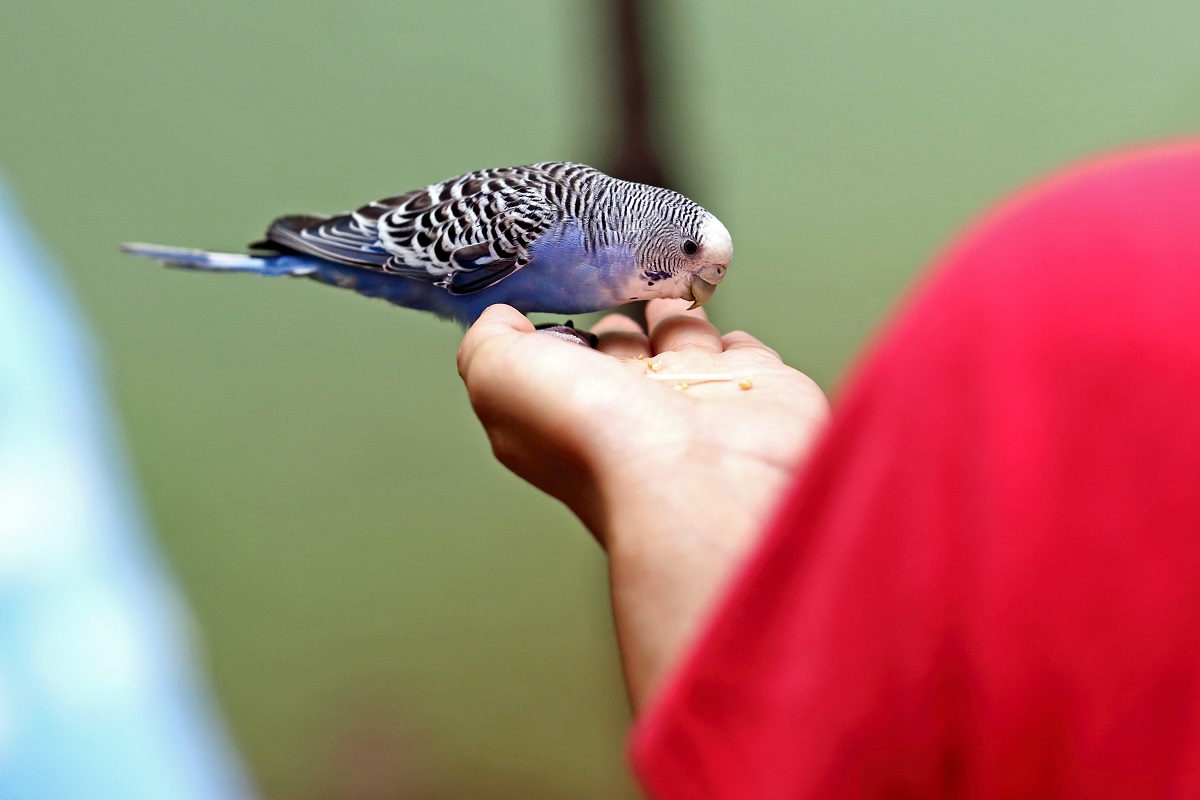
For captive budgies, replicating this natural diversity is challenging but essential. A foundational diet for a pet budgie typically consists of high-quality pellets, which offer balanced nutrition, alongside a small portion of seeds. However, an exclusive seed diet, often high in fat and low in essential vitamins and minerals, can lead to serious health issues such as obesity, liver disease, and vitamin A deficiency. Integrating fresh fruits, vegetables, and select human-grade household foods can bridge nutritional gaps, provide vital micronutrients, and offer significant enrichment through new textures, tastes, and foraging opportunities. Avian veterinarians consistently advocate for a diet composed of approximately 70-80% high-quality pellets, 10-15% fresh vegetables, and small amounts of fruit and healthy treats.
Enriching Your Budgie’s Menu: 19 Safe Household Staples
When considering human foods for budgies, the guiding principle is simplicity: natural, single-ingredient, unprocessed foods are always the safest and most beneficial. Avoid anything high in salt, sugar, unhealthy fats, or artificial preservatives. The following household items, when prepared correctly and offered in moderation, can be excellent additions to your budgie’s diet:
- Bread (Whole-Wheat): While not a top-tier nutritional choice, small, plain pieces of whole-wheat bread can be offered as an occasional treat. The key is to ensure it is unsweetened and free of excessive salt or additives found in many commercial white breads or brioches. The complex carbohydrates in whole-wheat bread can offer a minor energy boost.
- Sunflower Seeds (Unsalted): These are often a budgie favorite due to their high fat content, which makes them very palatable. However, their high caloric density means they should only be given as an infrequent treat or a training reward, not as a daily staple. Crucially, they must be unsalted, as excessive sodium is detrimental to avian health.
- Peanut Butter (Natural, Unsalted): Natural peanut butter, containing only peanuts and possibly a tiny amount of salt, can be a valuable tool for enrichment and training. Its sticky consistency makes it excellent for smearing on new toys or perches to encourage exploration. Like sunflower seeds, it’s high in fat and should be offered in very small dollops as an occasional treat. Avoid varieties with added sugar or hydrogenated oils.
- Boiled Eggs (Plain): Cooked eggs are a fantastic source of protein, essential amino acids, and calcium, particularly beneficial for laying hens or birds recovering from illness. Offer small pieces of plain, hard-boiled or scrambled egg (without oil or salt). The shell, if crushed, can also provide a calcium boost.
- Chia Seeds: These tiny seeds are nutritional powerhouses, packed with Omega-3 fatty acids, fiber, protein, and various minerals. They can be sprinkled in small amounts (around 1/4 teaspoon) directly into your budgie’s food bowl or mixed into other wet foods. While chia seed pudding (water-soaked) is also safe, dry chia seeds are perfectly fine and often preferred.
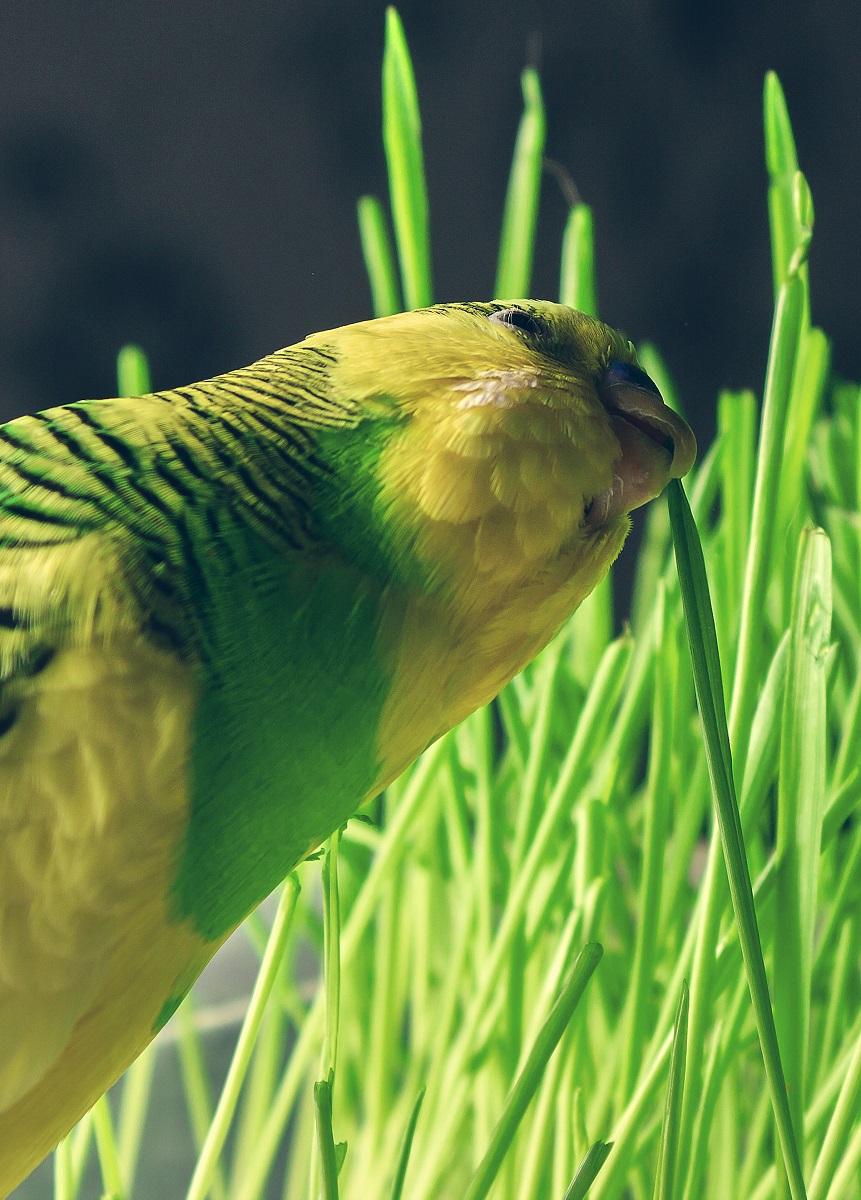
- Wheatgrass: A highly nutritious green, wheatgrass can be a regular part of a budgie’s diet. Both the seeds and sprouted wheatgrass are suitable. Sprouting wheatgrass provides a rich source of vitamins, minerals, and enzymes, and the act of demolishing the greenery offers excellent physical and mental enrichment. It’s best offered sprouted through a mesh to prevent ingestion of soil, which may contain harmful substances.
- Cashews (Unsalted): Like other nuts, cashews are safe for budgies in very small quantities and must be unsalted. They are calorie-dense and high in fat, so a quarter of a crushed cashew nut is an ample serving. Nuts provide healthy fats and some protein.
- Cheerios (Plain): A small piece of a plain Cheerio (half a loop) can be offered occasionally. Compared to many sugary cereals, Cheerios have a relatively simple ingredient list, primarily whole-grain oats and corn starch. However, they do contain some sugar and salt, so moderation is key.
- Pumpkin Seeds (Unsalted): Similar to sunflower seeds, pumpkin seeds are a fatty but nutritious treat. They must be unsalted. Due to their larger size, offering half a seed at a time is appropriate. Budgies may need assistance cracking the shell, but offering them in the shell can also encourage natural foraging behaviors.
- Almonds (Unsalted): Unsalted, plain almonds are safe in small amounts. A quarter of an almond, finely chopped, is sufficient. Raw almonds can also be sprouted, significantly enhancing their nutritional value and digestibility for birds.
- Chicken (Plain, Cooked): While not a primary dietary component, plain, cooked chicken breast or thigh (without skin, bones, seasoning, or oil) can provide a beneficial protein boost, especially for laying hens or sick birds. Offer very small, shredded pieces.
- Dried Fruit (Unsweetened, Unpreserved): Only offer dried fruits that are completely free of added sugars, sulfites, or other preservatives. Homemade dehydrated fruits are ideal. While nutritious, the natural sugars in dried fruit are concentrated, so offer sparingly to prevent excessive sugar intake.
- Hemp Seeds: Often found in commercial bird seed mixes, hemp seeds are an excellent source of Omega-3 fatty acids and protein. The varieties sold for human or avian consumption are free of psychoactive compounds. They can be sprinkled into daily meals.
- Pasta (Plain): Unsalted, cooked, or dry pasta (made from flour, eggs, olive oil) can be offered. Whole-wheat pasta or alternatives made from lentils, corn, or peas are even better. Dry pasta shapes can also be used to create engaging, edible toys, providing both nutrition and enrichment.
- Pine Nuts (Unsalted): Adhering to the same rules as other nuts, unsalted pine nuts are safe in very small quantities. They are high in healthy fats but should be given sparingly.
- Peanuts (Human-Grade, Unsalted): Peanuts have historically been a subject of debate due to concerns about aspergillosis (a fungal disease) from improperly stored, low-quality nuts. However, high-quality, human-grade, unsalted peanuts, particularly those in the shell (with a small opening to encourage foraging), are safe and can be a good source of healthy fats and protein when given in small amounts.
- Popcorn (Plain): Unsalted, unbuttered, air-popped popcorn is a safe and often enjoyed treat due to its texture. It can also be incorporated into homemade edible budgie toys, offering a fun and crunchy snack.
- Quinoa: This ancient grain, related to the Amaranth family, is rich in protein, fiber, and micronutrients. It can be offered to budgies in cooked or uncooked form. White, red, and black quinoa varieties are all suitable.
- Rolled Oats (Plain): Plain rolled or steel-cut oats are a healthy addition to a budgie’s diet. They can be offered dry, mixed into other foods, or soaked in water. If prepared as oatmeal, ensure it is unsweetened and avoid excessive stickiness that can cling to the beak. Unsweetened almond milk can be used, but water is generally preferred.
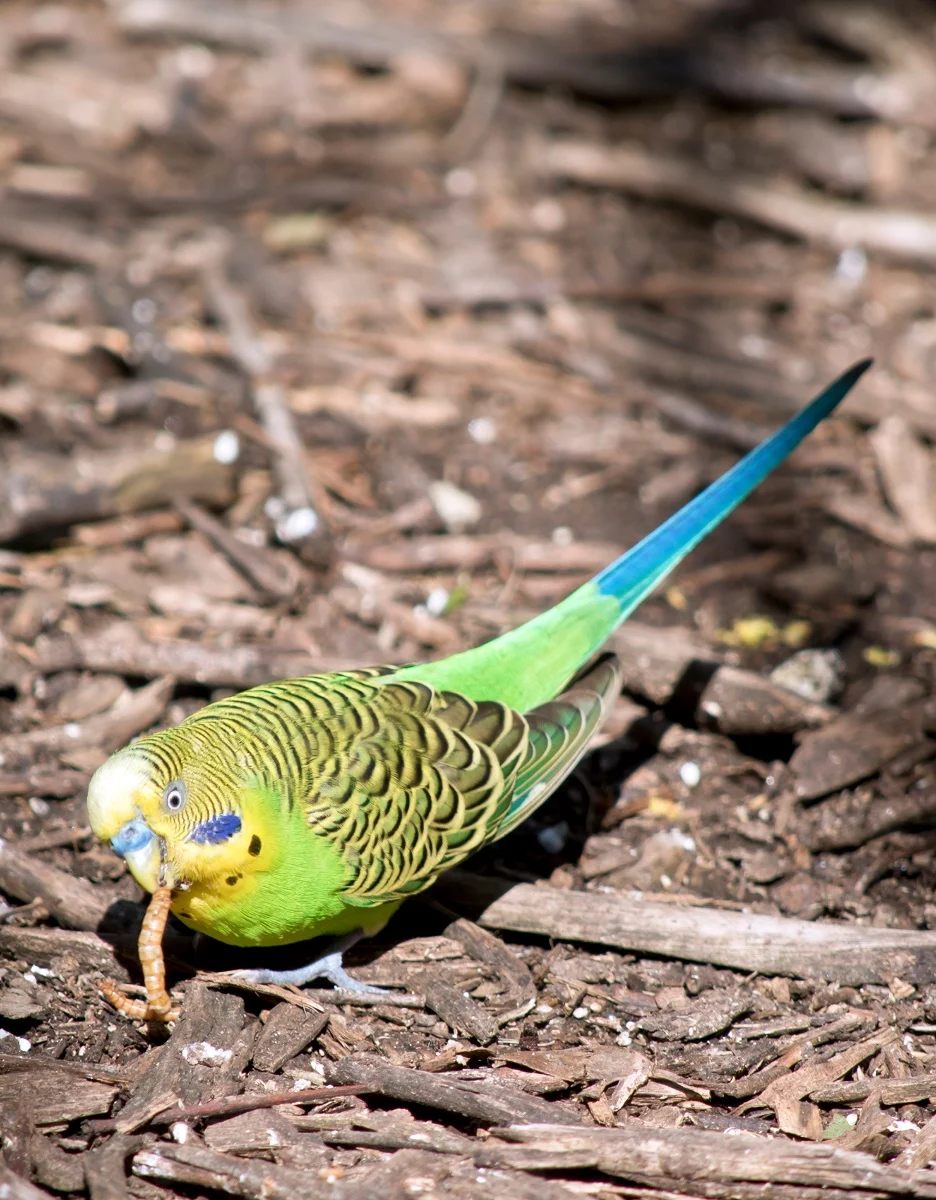
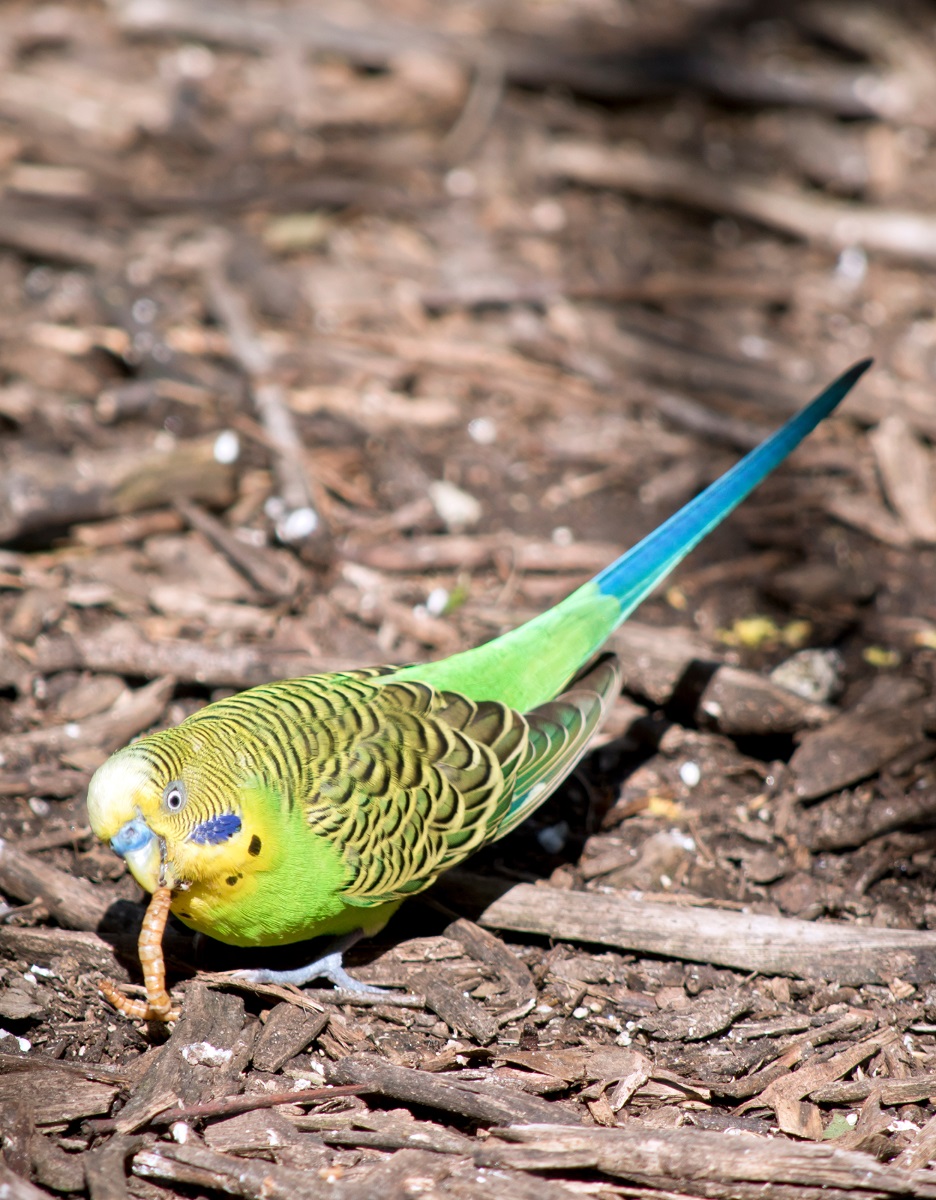
Did you know? Wild budgies occasionally supplement their diet with insects. A captive budgie can enjoy an occasional, commercially available mealworm as a protein-rich treat.
Critical Warnings: 9 Foods to Strictly Avoid for Budgies
While variety is beneficial, certain human foods pose significant health risks to budgies, ranging from digestive upset to severe toxicity. It is crucial to be aware of these dangers and ensure these items are never accessible to your feathered friend.
- Avocado: This is one of the most widely recognized toxic foods for parrots. Avocado contains Persin, a fungicidal toxin that can cause respiratory distress, heart damage, weakness, and even sudden death, particularly in smaller birds like budgies. Even small amounts can be dangerous. If ingestion is suspected, immediate veterinary attention is critical.
- Chocolate: Chocolate contains theobromine and caffeine, both highly toxic to birds. These compounds can cause hyperactivity, tremors, seizures, heart arrhythmias, and ultimately be fatal. The darker the chocolate, the higher the concentration of these toxins. Chocolate should be kept completely out of reach.
- Honey: While often perceived as a natural sweetener, honey can contain botulism bacteria, which produce a potent neurotoxin deadly to birds (and young children). Beyond the botulism risk, honey is excessively sugary and offers no nutritional benefit that cannot be obtained from safer sources. Corn syrup carries similar risks.
- Chips (Potato/Corn): Highly processed snacks like potato or corn chips (e.g., Doritos) are laden with excessive salt, unhealthy fats, artificial flavorings, and preservatives. These ingredients are extremely detrimental to a budgie’s delicate system, leading to kidney problems, obesity, and other serious health issues.
- Aloe Vera: While the clear gel inside an Aloe leaf is generally considered safe and even beneficial for topical use, the outer green leaf and the yellowish latex layer (aloin) contain compounds that act as laxatives. Ingesting these parts can cause severe diarrhea and dehydration in budgies.
- Ice Cream: Budgies, like most birds, are lactose intolerant. Dairy products can cause significant digestive upset, including diarrhea and vomiting. Furthermore, ice cream is high in sugar and unhealthy fats, making it entirely unsuitable for avian consumption.
- Cheese: Although some parrot owners might occasionally offer tiny pieces of hard cheese (which has lower lactose), it is generally not recommended. Cheese is high in fat and often contains significant amounts of salt, both of which are unhealthy for budgies. Soft cheeses are particularly problematic due to higher lactose content.
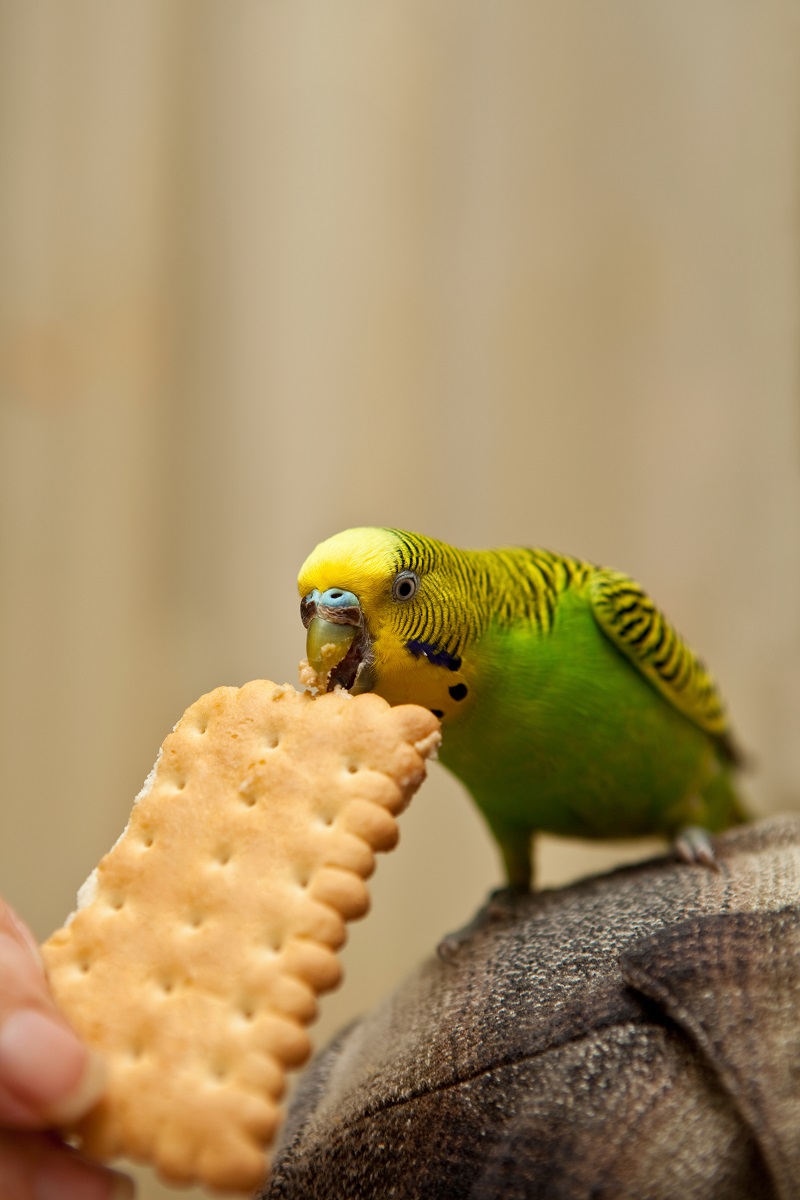
- Crackers (Savory): Most savory crackers contain vegetable oils, high levels of salt, and sometimes sugar or artificial ingredients. While a few crumbs might not be immediately lethal, regular consumption can contribute to poor health outcomes. They lack substantial nutritional value for birds.
- Biscuits/Cookies: Whether referring to American savory biscuits or UK-style sweet cookies, these processed baked goods are typically high in sugar, unhealthy fats, salt, and preservatives. They offer no nutritional benefit and can lead to obesity and other health complications. A budgie may enjoy the taste, but the health risks far outweigh any momentary pleasure.
Other Toxic Substances: It’s also vital to ensure budgies have no access to alcohol, coffee, tea (herbal tisanes like chamomile are generally safe), onions, garlic, apple seeds (which contain cyanide), and anything sweetened with xylitol, an artificial sweetener highly toxic to many animals.
Beyond the Bowl: Dietary Enrichment and Responsible Ownership
Providing a safe and varied diet extends beyond simply offering the right foods; it encompasses how these foods are presented. Incorporating foraging opportunities is crucial for a budgie’s mental stimulation and physical activity. Hiding small pieces of safe fruits, vegetables, or seeds in foraging toys, or scattering them in a clean tray, encourages natural behaviors that prevent boredom and promote overall well-being.
Responsible pet ownership necessitates continuous education and vigilance regarding a budgie’s diet. Consulting an avian veterinarian is always the best course of action for specific dietary concerns or if you suspect your bird has ingested a toxic substance. They can provide tailored advice based on your budgie’s individual health, age, and activity level.
The long-term implications of a proper diet are profound. Budgies fed a diverse, nutritious diet are generally more active, have brighter plumage, stronger immune systems, and are less prone to behavioral issues stemming from boredom or nutritional deficiencies. Conversely, a poor diet can significantly shorten a budgie’s lifespan and diminish its quality of life.
Frequently Asked Questions on Budgie Behavior and Diet
- Why is my budgie eating paper? Budgies are naturally curious and love to shred things, a behavior that provides mental stimulation and mimics foraging. They are usually shredding, not eating, the paper. Provide them with bird-safe paper or designated budgie toys to satisfy this instinct. If actual ingestion is observed, ensure the paper is non-toxic and free of ink.
- Why is my budgie eating its own poop? This behavior, known as coprophagy, can have several causes. If a budgie is on an inadequate all-seed diet, it might be seeking nutrients lacking in its primary food source, indicating malnutrition. Boredom can also play a role, as some budgies may manipulate or "play" with droppings. Additionally, some birds meticulously clean their perches, which can appear as if they are ingesting waste. Addressing the diet and providing ample enrichment are key.
- Can budgies eat cockatiel food? Yes, budgies can safely eat most cockatiel-specific foods, and vice versa. The nutritional needs of these smaller parrots are quite similar. Many commercial bird food brands market their pellets and seed mixes for both species. However, always prioritize a high-quality pellet as the staple diet over a seed-heavy mix, regardless of species.
In conclusion, understanding and implementing a varied, safe, and nutritious diet is fundamental to the health and happiness of your budgie. By carefully selecting household foods, avoiding toxic substances, and prioritizing enrichment, owners can ensure their cheerful parakeets thrive for many years to come.

