


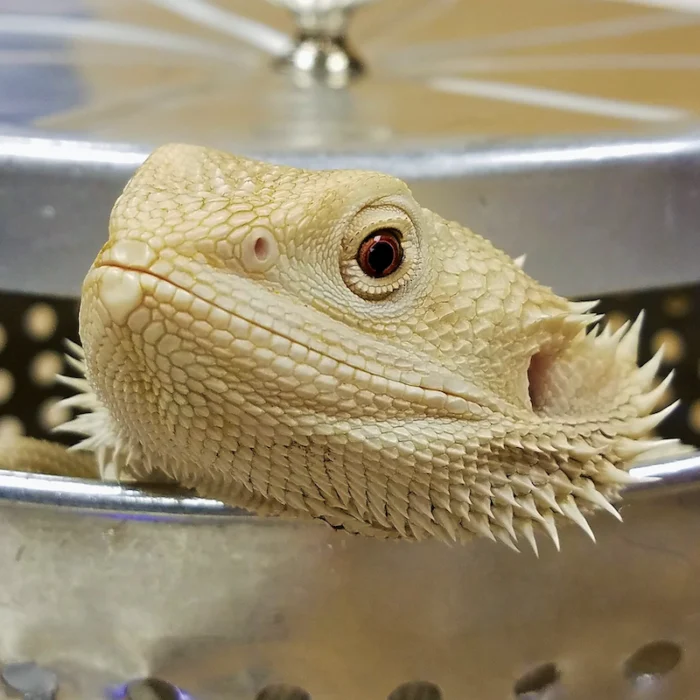
The landscape of exotic animal medicine reached a significant milestone on January 11, 2026, with the release of the "Therapeutic Techniques in Reptile Patients" webinar, a comprehensive educational session led by Dr. Doug Mader, MS, DVM, DABVP, DECZM. As the demand for specialized herpetological care continues to rise globally, this session serves as a foundational resource for veterinarians and veterinary technicians seeking to refine their clinical approach to reptiles, ranging from common green iguanas to complex crocodilian species. The program, hosted by LafeberVet, was formally approved by the American Association of Veterinary State Boards (AAVSB) Registry of Approved Continuing Education (RACE), offering one hour of continuing education credit to practitioners in participating jurisdictions.
The Evolution of Herpetological Clinical Practice
The field of reptile medicine has undergone a radical transformation over the last four decades. Historically viewed as "disposable" pets or biological curiosities, reptiles are now recognized as sentient companions and vital ecological indicators requiring sophisticated medical intervention. Dr. Doug Mader, a triple-board-certified specialist and a pioneer in the field, emphasized that successful therapeutic outcomes in reptiles are predicated on a deep understanding of ectothermic physiology. Unlike endothermic mammals, the metabolic rate, immune response, and pharmacological processing of a reptile are entirely dependent on environmental factors.
This webinar arrives at a time when reptile ownership has seen a 25% increase in urban households over the last five years. As owners invest more in the longevity of their pets, the veterinary community has been tasked with moving beyond basic husbandry advice toward advanced surgical and internal medicine techniques. The January 2026 session specifically addresses the technical nuances of medication delivery and patient stabilization, which remain the most challenging aspects of reptile practice for general clinicians.
The Critical Role of the Preferred Optimal Temperature Zone (POTZ)
One of the primary themes of the instructional session is the concept of the Preferred Optimal Temperature Zone (POTZ). For a reptile patient, temperature is not merely a comfort factor; it is a clinical requirement for the efficacy of any administered drug. Dr. Mader highlighted that administering antibiotics or analgesics to a hypothermic reptile is often futile, as the animal’s metabolic processes are essentially dormant.
The webinar provides data suggesting that many treatment failures in exotic practices stem from a failure to stabilize the patient’s core temperature before initiating therapy. In a clinical setting, ensuring the patient is within its specific POTZ allows for proper enzyme function, improved lymphatic flow, and predictable drug clearance. This is particularly vital for crocodilians and large squamates, where the volume of medication required is high and the risk of toxicity due to slow clearance in a cold patient is a significant concern.
Advanced Routes of Medication Administration
The core of the technical training focuses on the diverse methods of delivering therapeutics to reptilian patients. Dr. Mader detailed the benefits and drawbacks of several key routes:
Intravenous (IV) and Intraosseous (IO) Access
For critical patients suffering from severe dehydration or shock, intravenous access is the gold standard. However, the anatomical constraints of reptiles—such as thick scales and lack of easily accessible peripheral veins—make this challenging. The webinar covers the use of the ventral coccygeal vein (tail vein) and the jugular vein in chelonians and lizards. In cases where venous collapse makes IV access impossible, the intraosseous route is presented as a life-saving alternative. By placing a needle into the marrow cavity of the femur or humerus, clinicians can achieve rapid systemic distribution of fluids and emergency drugs, mimicking the speed of IV administration.
Intracoelomic (ICe) and Subcutaneous (SQ) Injections
While subcutaneous injections are a staple of mammalian medicine, their utility in reptiles is limited by the lack of loose skin and poor vascularization of the sub-dermal space. The webinar suggests that while SQ can be used for small volumes of non-irritating fluids, the intracoelomic route (into the body cavity) is often more effective for large-volume fluid resuscitation. However, Dr. Mader warned of the risks associated with ICe injections, including the accidental puncture of the lungs or the urinary bladder, particularly in chelonians (turtles and tortoises).
Intramuscular (IM) and the Renal Portal System
A significant portion of the session was dedicated to the renal portal system, a unique anatomical feature where blood from the hind limbs and tail may pass through the kidneys before entering the general circulation. This has profound implications for drug delivery. If a nephrotoxic drug or a medication cleared by the kidneys is injected into the hindquarters, it could lead to acute renal failure or premature excretion of the drug before it reaches therapeutic levels in the bloodstream. The webinar reinforces the standard of practice that intramuscular injections should generally be administered in the front half of the body to bypass this system.
Fluid Therapy and Hydration Management
Hydration is often the first line of defense in treating sick reptiles, which frequently present in a state of chronic dehydration. The webinar outlined a systematic approach to fluid therapy, emphasizing that "hydration precedes medication." Dehydrated reptiles often suffer from increased blood viscosity and decreased glomerular filtration rates. Dr. Mader provided a chronology for stabilization: first, thermal support to reach POTZ; second, fluid resuscitation via IO or IV routes; and finally, the administration of specific therapeutic agents once the patient is hemodynamically stable.
The session also touched upon the use of oral (PO) rehydration. While least invasive, it is often the least reliable in a critically ill patient due to slow gastrointestinal motility. The webinar provided techniques for safe esophageal tube feeding and the administration of oral medications to prevent aspiration pneumonia, a common complication in debilitated reptiles.
Specialized Considerations for Crocodilians
The inclusion of crocodilians in the discussion highlights the expanding scope of veterinary medicine. Treating these apex predators requires not only medical knowledge but also specialized physical restraint and safety protocols. The webinar detailed how the four-chambered heart of a crocodilian—unique among reptiles—affects the distribution of intravenous medications. Furthermore, the thick osteoderms (bony plates in the skin) of crocodilians necessitate specific needle gauges and injection sites that differ from those used in smaller lizards or snakes.
Chronology of the Educational Event and Certification
The webinar was released on January 11, 2026, as part of a strategic effort by LafeberVet to standardize exotic animal care protocols. Following the presentation, participants are required to complete a post-test to demonstrate mastery of the material. In a move to ensure high educational standards, the program allows participants three attempts to pass the examination. Upon successful completion, a certificate is issued, which is recognized by the AAVSB for professional licensure renewal. This rigorous approach reflects the increasing professionalization of the exotic veterinary sector.
Analysis of Broader Industry Implications
The release of this webinar is indicative of a broader shift in the veterinary industry toward specialized continuing education. As the market for traditional domestic pets (dogs and cats) reaches saturation in some regions, the "exotic" sector remains a high-growth area. However, the complexity of treating hundreds of different reptile species, each with unique environmental and physiological needs, creates a significant barrier to entry for many practitioners.
By providing high-level training from experts like Dr. Doug Mader, organizations like LafeberVet are bridging the gap between general practice and specialized herpetological medicine. The emphasis on evidence-based techniques—such as understanding the renal portal system and the necessity of POTZ—moves the industry away from anecdotal "best guesses" and toward a scientifically rigorous standard of care.
Furthermore, the focus on crocodilians suggests a growing need for veterinary services in zoological parks, rescue centers, and the private sector where large-scale reptiles are maintained. As legislation regarding the ownership of exotic animals becomes more stringent, the requirement for owners to provide professional veterinary care is expected to increase, further driving the demand for these specialized therapeutic techniques.
Conclusion and Official Response
While official statements from the AAVSB emphasize the importance of standardized CE credits, the feedback from the veterinary community has been overwhelmingly positive. Practitioners have noted that the practical, "how-to" nature of the webinar—focusing on injection sites and hydration—is more immediately applicable to daily clinic life than purely theoretical lectures.
The "Therapeutic Techniques in Reptile Patients" webinar stands as a definitive guide for the modern era of reptile care. By integrating physiological science with practical clinical skills, Dr. Mader and LafeberVet have provided a roadmap for improving the welfare and survival rates of reptile patients worldwide. As of early 2026, this program remains a cornerstone for any veterinary professional looking to excel in the burgeoning field of herpetological medicine.

