


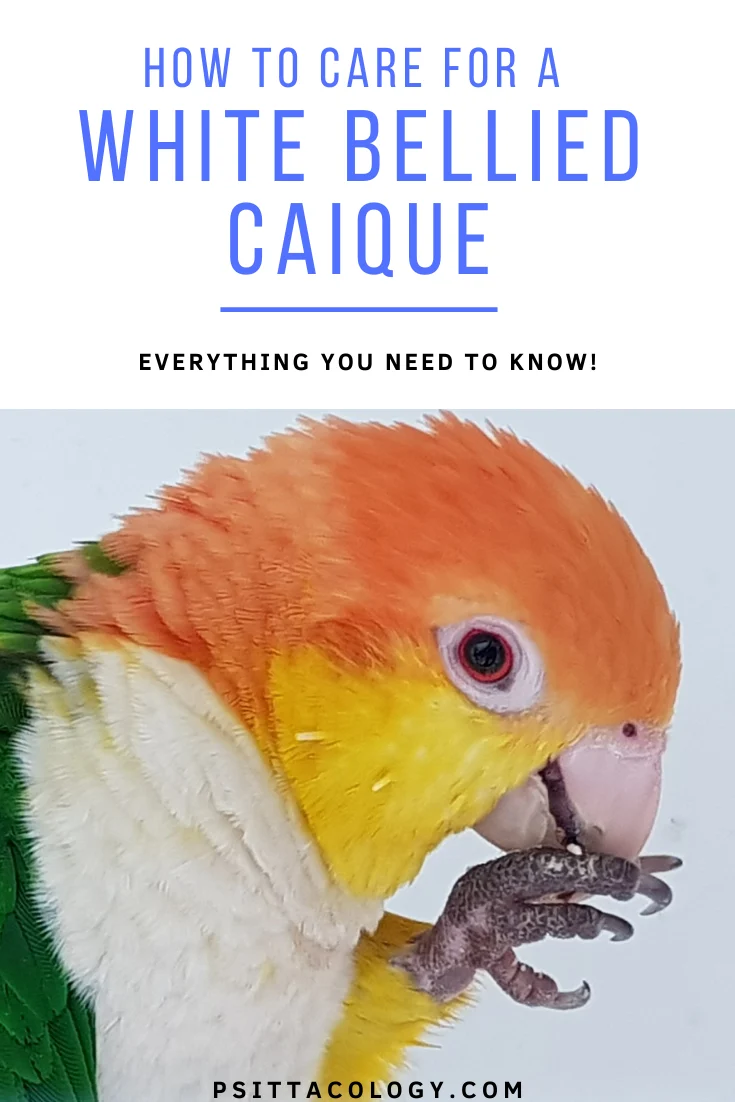
The White-bellied Caique (scientific name Pionites leucogaster), a small, strikingly colorful parrot native to the Amazon basin, has garnered significant attention in the avicultural community for its distinctive appearance and famously boisterous personality. Often dubbed the "clown of the parrot world," these birds are known for their playful antics, boundless energy, and strong social bonds. However, their unique characteristics necessitate a thorough understanding of their care requirements before welcoming one into a home, as they demand a substantial commitment in terms of time, resources, and patience. This article delves into the intricate details of White-bellied Caique natural history, captive care, dietary needs, behavioral traits, and the critical considerations for prospective owners.
Taxonomy and Conservation Status: A Deeper Look
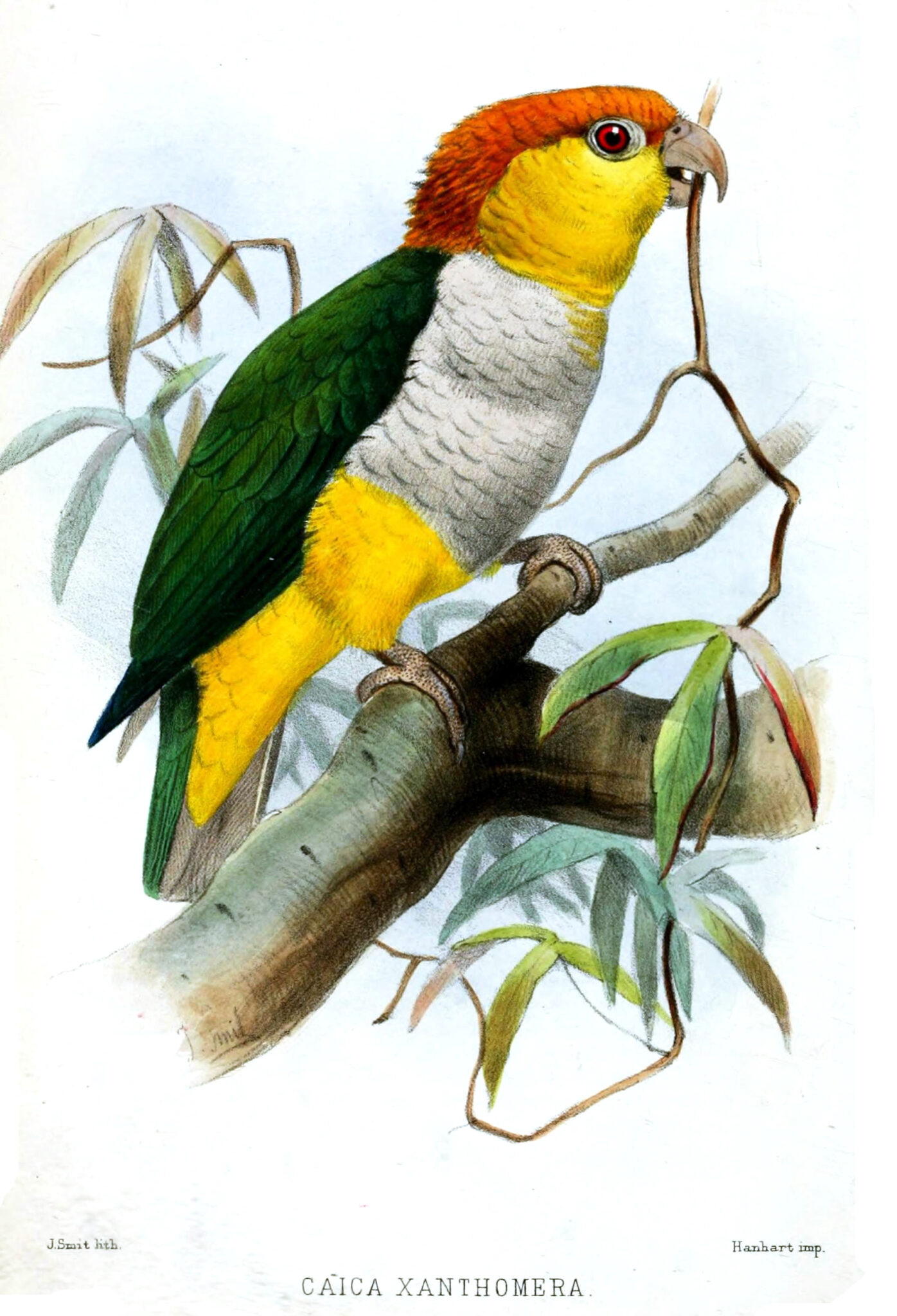
The classification of White-bellied Caiques within the Pionites genus has been a subject of ongoing scientific debate. Traditionally, the genus was understood to comprise two species: the White-bellied Caique (P. leucogaster) and the Black-capped Caique (P. melanocephalus). Within P. leucogaster, three subspecies were historically recognized: the Green-thighed Caique (P. l. leucogaster), the Yellow-thighed Caique (P. l. xanthomerius), and the Yellow-tailed Caique (P. l. xanthurus). These subspecies are primarily distinguished by variations in the coloration of their thighs and tail feathers.
More recent ornithological research, including insights from reputable sources like "Birds of the World," suggests a re-evaluation of this traditional view, with P. xanthomerius and P. xanthurus sometimes elevated to full species status based on distinct morphological and genetic differences. This taxonomic fluidity underscores the complexity of avian classification and the continuous refinement of our understanding of biodiversity. Regardless of their exact classification, all forms share the core characteristics that define the White-bellied Caique.
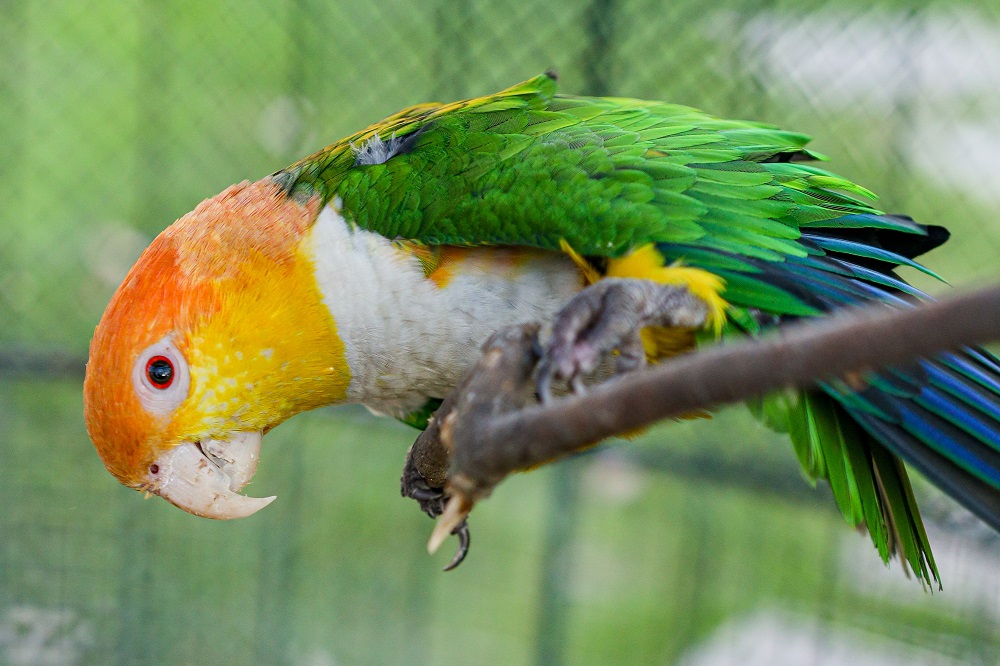
From a conservation perspective, the situation for wild White-bellied Caiques is concerning. The International Union for Conservation of Nature (IUCN) currently lists the species as Endangered, a designation driven primarily by the rampant deforestation of their natural habitat within the Amazon rainforest. The relentless expansion of agriculture, logging, mining, and infrastructure development leads to significant habitat fragmentation and loss, threatening the long-term survival of these and countless other species. While local populations may still be found across Brazil, Bolivia, Peru, and Ecuador, their overall numbers are in decline, highlighting the urgent need for robust conservation efforts and sustainable practices in these regions. The illegal pet trade also contributes to wild population depletion, although habitat loss remains the predominant threat.
Natural Habitat and Behavior in the Wild
In their native South American range, White-bellied Caiques thrive in the dense canopies of tropical rainforests. These arboreal parrots spend the majority of their lives high in the trees, where they forage for food, nest in hollows, and seek shelter from predators. They are highly social birds, typically observed in small to medium-sized flocks of up to 10 individuals. This communal living provides security against predators and facilitates foraging efficiency. Their vibrant plumage offers surprisingly effective camouflage amidst the lush green foliage and colorful blossoms of the rainforest.
Observations in the wild have revealed their adaptability and resourcefulness. They are active during the day, constantly exploring their environment, engaging in playful interactions with their flock members, and communicating through a variety of vocalizations. Their diet in the wild is remarkably diverse, adapting to seasonal availability, which is a critical lesson for their captive care.
Appearance, Lifespan, and Key Characteristics

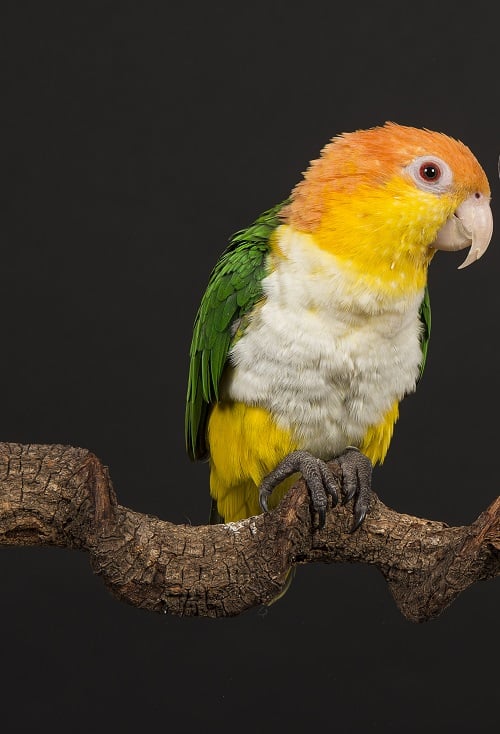
White-bellied Caiques are compact, stocky parrots, typically reaching an adult length of about 23 cm (9 inches) and weighing between 150-170 grams. Their short, somewhat stubby tail contributes to their distinctive profile. As their common name suggests, their chests and bellies are predominantly white to cream-colored. Their heads are adorned with an orange-yellow hue, transitioning to yellow cheeks. The wings and back are a vibrant green, completing their striking color palette. A notable feature is their unusual reddish eyes, encircled by a bare, often reddish eye-ring, which adds to their expressive faces. Their beaks are typically a pale beige.
Distinguishing between male and female White-bellied Caiques visually is impossible, as they are monomorphic. Accurate sex determination usually requires a DNA test, often performed via feather or blood sample.
One of the most significant aspects of White-bellied Caique ownership is their remarkable longevity. These parrots can live for 40 years or even longer with proper care, a commitment that far exceeds that of many other common pets. This extended lifespan underscores the profound responsibility involved in taking on a caique, requiring decades of dedicated care, financial provision, and emotional engagement.
Dietary Needs: Bridging the Gap Between Wild and Domestic
Understanding the wild diet of White-bellied Caiques is paramount to providing appropriate nutrition in captivity. A 2014 study by Lee et al., observing 190 wild caiques, documented their consumption of no less than 44 different plant species. Their diet varied seasonally but heavily featured seeds, including fruit seeds, and a wide array of fruits, many of which were consumed unripe. Flowers and flower buds were also significant components, with other studies noting their role as pollinators, consuming pollen and nectar. Occasionally, they would supplement their diet with leaves, bark, and even ants. A curious but vital behavior observed was their visitation to clay licks, where they ingested soil, likely to obtain essential micronutrients and detoxify certain plant compounds.

Replicating this complex, seasonal wild diet perfectly in a domestic setting is impractical. However, this knowledge informs best practices for captive nutrition. The common pitfalls of feeding an exclusively seed-based diet must be avoided. Commercial seed mixes are often high in fat and deficient in vital vitamins and minerals, leading to nutritional imbalances, obesity, and related health issues over time. Similarly, a diet solely focused on cultivated fruits, while seemingly natural, is problematic. Domestic fruits are typically much higher in sugar content than their wild counterparts, and wild caiques often consume them unripe, which further reduces sugar levels.
A balanced domestic diet for a White-bellied Caique should primarily consist of:
- High-Quality Pellets (50-60%): A reputable brand of formulated parrot pellets should form the foundation of their diet. Pellets are designed to provide a complete and balanced nutritional profile.
- Fresh Vegetables (30-40%): A wide variety of chopped fresh vegetables is crucial. Examples include dark leafy greens (kale, spinach, romaine lettuce, broccoli rabe), bell peppers (various colors), carrots, zucchini, squash, sweet potatoes, and green beans. Offer them raw, steamed, or lightly cooked.
- Limited Fruits (5-10%): Offer small portions of low-sugar fruits such as berries (blueberries, raspberries), apples (without seeds), melons, and citrus fruits. Avoid avocado, which is toxic to parrots.
- Small amounts of Whole Grains/Legumes: Cooked brown rice, quinoa, lentils, and beans (e.g., kidney, black beans, thoroughly cooked) can be offered sparingly.
- Occasional Treats: Nuts (almonds, walnuts, pecans in moderation, unsalted), and dried fruits (sugar-free) can be used as training rewards, but due to their high fat and sugar content, they should be given very sparingly.
- Fresh Water: Always available from multiple sources, changed daily.
- Calcium Source: A calcium block or cuttlebone is essential for bone health, especially for breeding birds.
Temperament: The "Clowns" with a Complex Side
The reputation of White-bellied Caiques as the "clowns of the parrot world" is well-earned. They are renowned for their energetic, playful, and often comical behaviors. These birds engage in unique antics such as "caique surfing" (rubbing their backs on soft surfaces), head-standing, wrestling, and dancing. Their intelligence and zest for life make them incredibly entertaining companions.
However, beneath the playful exterior lies a complex personality that requires experienced handling. Caiques form extremely strong bonds, often with a single person in the household. While this can lead to deep affection and companionship, it can also result in possessiveness and aggression towards others, or even their "loved one" during hormonal periods or perceived threats. As they mature through puberty, typically between 1-3 years of age, their behavior can become more challenging, including increased nipping, territoriality, and sometimes seemingly unprovoked "attacks."
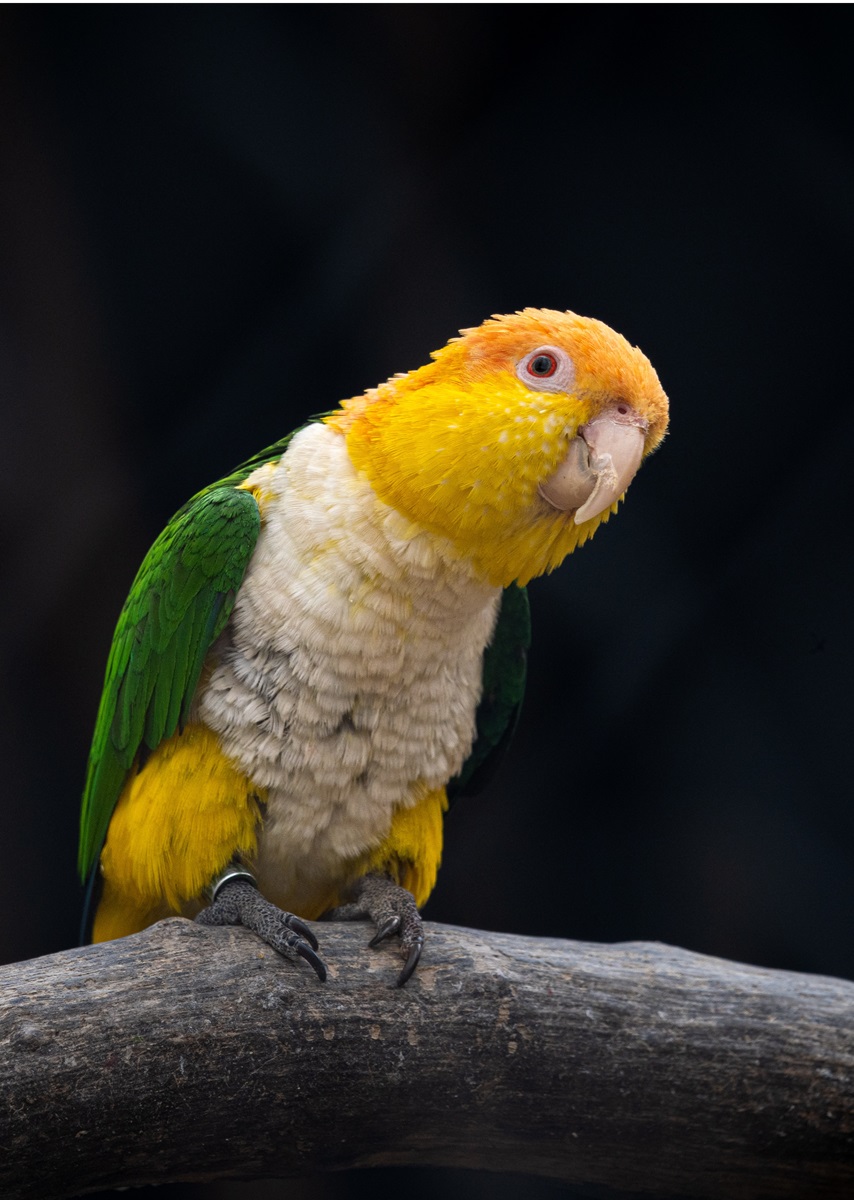
A well-socialized caique thrives on interaction and requires a significant amount of daily attention from its human companions. Owners must be prepared to spend several hours a day engaging with their bird, providing mental stimulation, and physical interaction. Without adequate attention, caiques can develop behavioral issues such as feather plucking, incessant screaming, or destructive tendencies. For individuals unable to dedicate extensive daily time, acquiring a pair of caiques might be a more suitable option, allowing them to interact with each other.
It is crucial to understand that caiques are highly territorial. They generally do not tolerate other bird species and can be aggressive, especially concerning their cage, food, or perceived space. Housing them with other parrots, even other caiques if not properly introduced, can lead to serious injury or death. Patience, consistency, and positive reinforcement training are essential to manage their strong personalities and channel their energy constructively. Even with the best training, caiques are inherently curious and destructive, meaning owners must accept that items will be chewed, tossed, and broken. They are not pets for the faint of heart or those seeking a quiet, unassuming companion.
Housing and Environmental Enrichment
Given their explosive energy levels, White-bellied Caiques require a spacious and stimulating environment. The cage should be as large as possible, with minimum dimensions of at least 24"L x 24"W x 36"H, though larger is always better. Bar spacing should be appropriate for their size, typically 3/4" to 1" to prevent escapes or injury. The cage structure must be sturdy, made of powder-coated steel or stainless steel, and feature secure locking mechanisms, as caiques are intelligent problem-solvers capable of opening simple latches.
Inside the cage, a variety of natural perches of different diameters and textures (e.g., java wood, manzanita, natural branches) are essential to promote foot health and prevent pressure sores. Food and water bowls should be made of stainless steel or ceramic for hygiene. A bird bath or a designated showering area is also highly recommended, as caiques enjoy bathing.

Crucially, caiques need a constant supply of toys to satisfy their strong chewing instincts and provide mental stimulation. A variety of toy types – shreddable, foraging, chewing (e.g., made from untreated wood, cardboard, or safe natural fibers) – should be rotated regularly to prevent boredom.
Beyond the cage, daily out-of-cage time is non-negotiable, ideally several hours. A dedicated "play stand" or "parrot playground" outside the cage, constructed from natural wood and adorned with toys, provides a safe and engaging space for exploration and exercise. Any room a caique has access to must be thoroughly "parrot-proofed." This involves removing toxic plants, securing electrical cords, eliminating small ingestible items, and ensuring windows and doors are closed. Furthermore, owners must be vigilant about airborne toxins, avoiding scented candles, air fresheners, non-stick cookware fumes, and strong cleaning products, all of which can be fatal to birds.
Vocalizations and Communication
Compared to some larger parrot species, White-bellied Caiques are not considered the loudest, making them a potentially more suitable choice for apartment living. However, the notion of a truly "quiet parrot" is a myth. All parrots possess the capacity for loud vocalizations. Caiques typically communicate through a range of whistles, beeps, and soft squawks for most of the day, maintaining a generally acceptable noise level. Yet, they are fully capable of emitting shrill, piercing screams, particularly when startled, seeking attention, or communicating across distances (a behavior rooted in their wild need to locate flock members in dense forest canopies).
While their noise level might be moderate, their talking ability is generally limited. Caiques are not among the "champion talking parrot species" like African Greys or Amazon parrots. They may learn a few words or short phrases, but their forte lies more in mimicry of sounds and whistles. They can be quite adept at picking up short tunes or wolf whistles. Owners interested in vocalization training can achieve success by consistently repeating a chosen sound and rewarding the bird with treats when it attempts to replicate it. This provides a rewarding bonding experience and a fun trick for the bird’s repertoire.
Health and Medical Considerations
Responsible White-bellied Caique ownership includes a proactive approach to their health. Before bringing a caique home, prospective owners must identify a qualified avian veterinarian and establish an emergency plan. Recognizing common symptoms of illness in parrots – such as changes in appetite or droppings, lethargy, fluffed feathers, discharge from nares or eyes, or difficulty breathing – is crucial for early intervention.
Caiques are susceptible to certain diseases. Polyomavirus is a significant concern, particularly in young birds (under four weeks old), causing severe organ issues and often proving fatal. Vaccination against polyomavirus is highly recommended and should be discussed with an avian vet. Other common avian ailments that can affect caiques include Psittacine Beak and Feather Disease (PBFD), avian tuberculosis, and various bacterial or fungal infections. Nutritional deficiencies, especially from an improper seed-only diet, can lead to a host of problems including liver disease, vitamin A deficiency, and obesity.
Annual veterinary check-ups are vital for early detection of health issues and preventative care. Regular grooming, such as nail trims, may also be required, ideally performed by a professional or with proper guidance.
Ethical Ownership and Long-Term Commitment
The decision to acquire a White-bellied Caique should never be taken lightly. Their long lifespan of over 40 years means a commitment akin to raising a child. Prospective owners must be prepared for the financial implications of high-quality food, spacious caging, toys, routine veterinary care, and potential emergency treatments. Furthermore, the time commitment for daily interaction, training, and enrichment is substantial.
Caiques are not beginner parrots. Their complex personalities, potential for aggression, and demanding social needs make them best suited for experienced parrot keepers who understand avian behavior and are prepared to manage challenging phases with patience and positive reinforcement. Animal welfare organizations and avian veterinarians often emphasize that many parrots are rehomed or relinquished due to owners being unprepared for their long lifespan, noise levels, destructiveness, or behavioral complexities.
By thoroughly researching, preparing, and committing to providing a species-appropriate environment, diet, and social interaction, owners can ensure a fulfilling and enriching life for these vibrant and intelligent "clown parrots," fostering a truly unique companionship for decades to come.

